Double jaw surgery swelling care in Sinsa, Gangnam: what to expect and how to manage it
- 공유 링크 만들기
- X
- 이메일
- 기타 앱
Direct answer: what to expect with double jaw surgery swelling
After double jaw surgery, most people experience strong swelling for the first few days, then a gradual decrease over several weeks and months. The face is usually most swollen around days 2–3, about half of the visible swelling often improves by weeks 3–4, and the finer details of the jawline may keep changing for 6–12 months. Careful home management and structured post‑operative care at a face‑bone–focused clinic in Sinsa, Gangnam can support more comfortable recovery, but exact timelines always vary by individual and surgical plan.
Overview of double jaw surgery and why swelling is strong
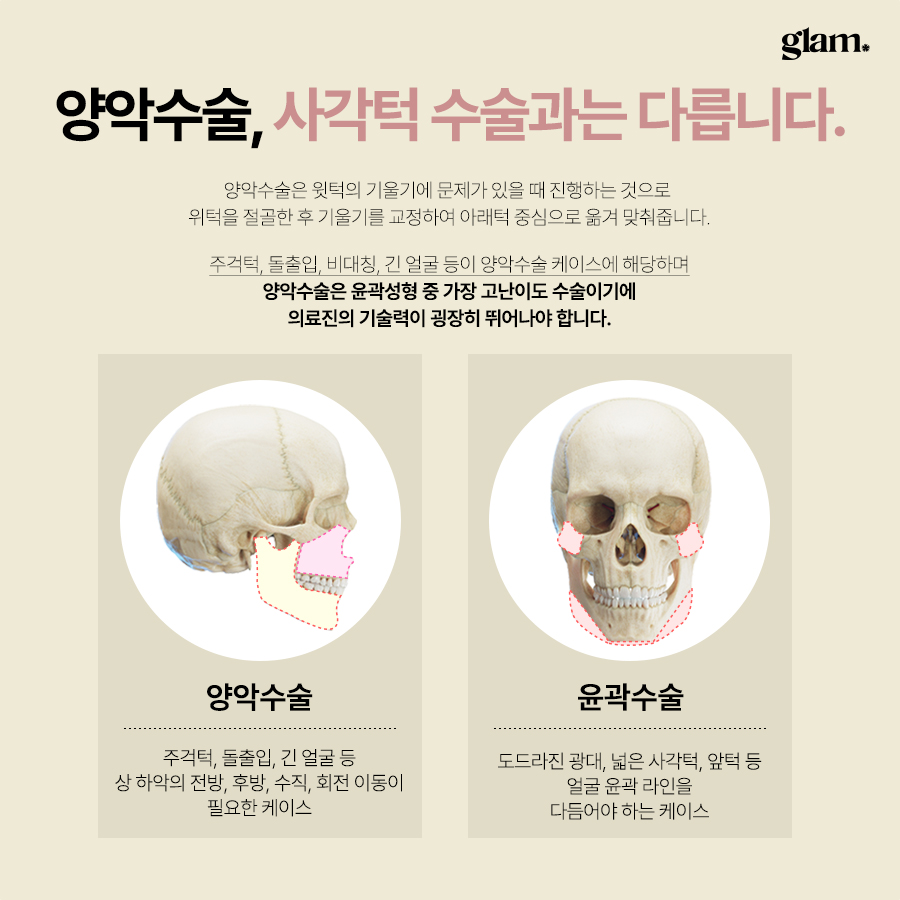
Double jaw surgery, also called orthognathic surgery, involves moving both the upper and lower jaw bones to improve bite function, facial balance, or issues such as jaw protrusion or facial asymmetry. Because the surgeon works on deep bone structures and surrounding soft tissue, the body reacts with a strong inflammatory response.
Compared with simpler procedures on the face, swelling after double jaw surgery is usually more pronounced. The reasons include a wide surgical field, bone cutting and repositioning, longer operation time, and temporary disturbance of blood and lymphatic flow. All of this leads to fluid accumulation in the cheeks, lips, chin, and sometimes the neck.
Doctors often describe several types of swelling after this surgery. Immediate post‑operative edema appears right after the operation and increases over the first 48–72 hours. Inflammatory swelling dominates the first couple of weeks as the body repairs tissue. Residual or hard swelling can be felt as firmness or tightness in the cheeks and jawline for months, even after you look fairly normal in photos.
Typical swelling timeline after double jaw surgery
Day 0–3: Maximum swelling period
In the first three days, swelling usually reaches its peak. The face often looks very puffy, especially around the cheeks, lips, and lower face. Bruising may appear around the cheeks and down toward the neck. It can be difficult to close the lips fully because of both swelling and temporary changes in jaw position.
Breathing may feel stuffy through the nose or mouth, especially if there is nasal congestion or dried blood. This period can feel uncomfortable, but it is expected. During this time, hospital staff or the clinic team usually focus on pain control, swelling management with cold packs, and careful monitoring of breathing.
Week 1–2: Swelling is still obvious but slowly improving
After the peak, swelling usually stops increasing and starts to decrease little by little. The face still looks swollen, and the lower cheeks and jawline can feel heavy and tight. Bruising often begins to fade from dark purple or blue to yellow and green tones.
Many patients begin to feel well enough to walk around more and may go outside with a mask, hat, or loose scarf. Eating is usually limited to liquid or very soft foods, which also helps avoid extra strain on the jaw area.
Week 3–4: Around half of visible swelling often subsides
By the third and fourth weeks, about 50–70 percent of visible swelling is often gone. The basic shape of the new jawline and cheekbones starts to appear, but the face may still look round or bulky, especially in photos taken from the front.
Hard or rubbery areas under the skin are common at this stage. These are usually due to residual fluid and tissue healing, not to permanent changes. It is still too early to judge the final result.
Month 2–3: Most everyday swelling improves
Between the second and third month, many people notice that 70–80 percent of swelling has improved. Friends or colleagues who do not know about the surgery may not notice anything unusual, especially if you wear light makeup or style your hair to frame the face.
However, you may still feel internal tightness, stiffness when moving the mouth, or slight asymmetry that is not obvious to others. Some patients begin light professional swelling‑care sessions during this period if their surgeon approves.
Month 6–12: Fine details and subtle swelling settle
From six months to one year, the remaining subtle swelling and tissue hardness usually continue to improve. The final facial line, angles, and symmetry become clearer. Scar tissue inside the mouth softens, and the skin adapts to the new bone structure.
It is important to remember that these timelines are general. The exact speed of swelling reduction can vary depending on the surgical method, the amount of bone movement, your health, and how closely you follow post‑operative instructions. Always prioritize your own surgeon’s guidance over any general timeline.
Factors that influence how much you swell
Surgical factors
The more bone movement is required, the more swelling you may experience. Operating on both jaws usually causes more swelling than operating on one jaw alone. Longer operation times and wider soft‑tissue dissection also tend to increase the inflammatory response.
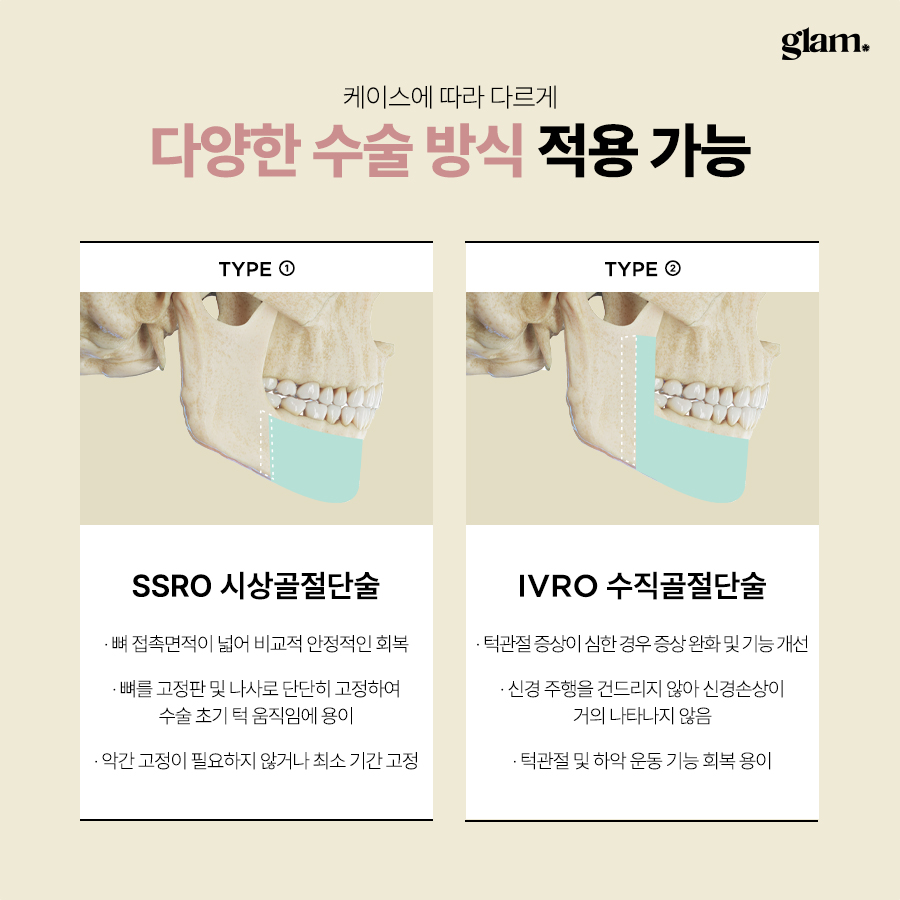
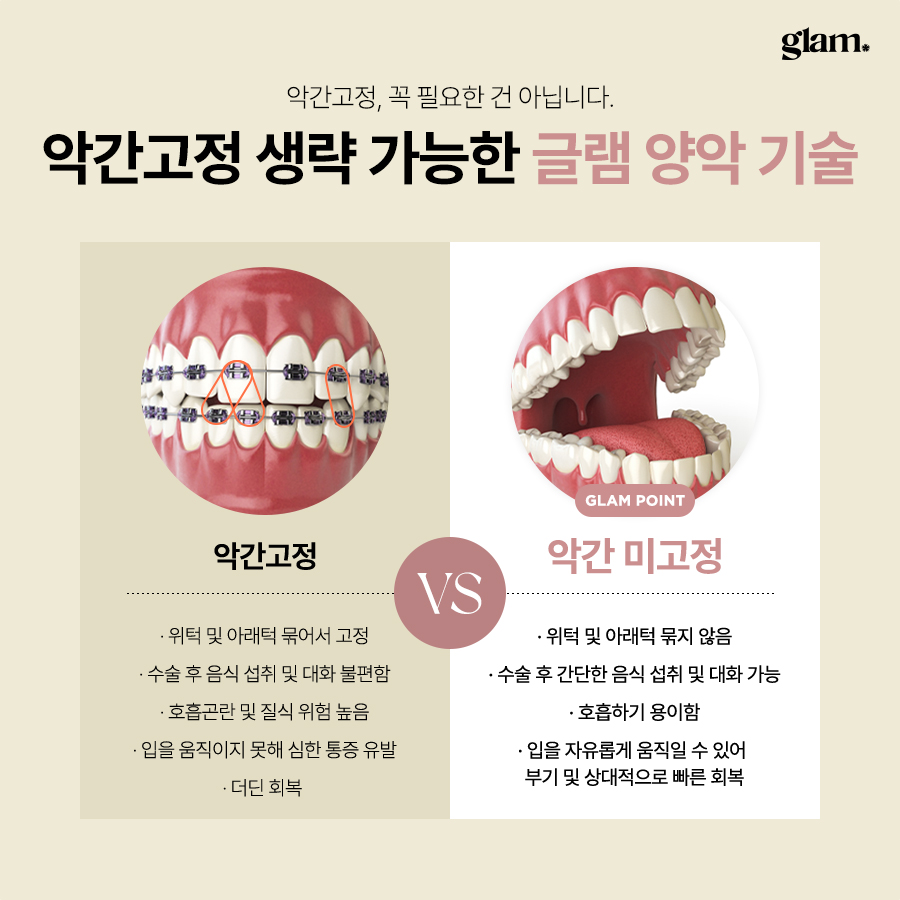
Some techniques use intermaxillary fixation, sometimes called jaw wiring, to hold the jaws in position for a period. When this is avoided or minimized in suitable cases, some people feel more comfortable with breathing and oral hygiene, which can indirectly support better swelling control and comfort.
Patient factors
Your age, general health, and lifestyle habits all influence swelling. Younger patients often recover faster, but this is not always the case. Smoking, frequent alcohol intake, high‑salt diets, and poor sleep can slow down the reduction of swelling and affect overall healing.
Pre‑existing conditions such as chronic sinus problems or ongoing inflammation in the facial area may also affect how you swell and how quickly you recover. It is important to share your full medical history with your surgeon before surgery.
Post‑operative management
How you manage your body after surgery makes a real difference. Correct use of cold and warm compresses, keeping the head elevated, maintaining excellent oral hygiene, and following the recommended diet all help control swelling.
Professional swelling‑reduction therapies, when used at the right time and intensity, may support circulation, skin recovery, and comfort. However, they are not a replacement for proper medical treatment or careful self‑care.
Managing swelling at home: practical tips
First 48–72 hours: focus on protection and cooling
In the first two to three days, cold compresses are usually recommended around the cheeks and jaw. These should be used as instructed by your surgeon, avoiding direct ice contact with the skin to prevent cold injury. Consistent, gentle cooling helps limit excessive swelling.
Keeping your head elevated, even while sleeping, is very important. You can use extra pillows or an adjustable bed to keep your upper body slightly raised. This helps fluid drain away from the face instead of pooling around the jaw.
Take prescribed anti‑inflammatory medications exactly as directed. Do not adjust the dose or stop early without speaking to your medical team. Drink enough fluids with small, frequent sips to avoid dehydration, which can slow healing.
From day 4–5 onward: gentle activity and warmth
After the acute phase, many surgeons advise switching from cold to warm compresses. Warmth can help stimulate circulation and encourage the body to clear residual fluid. Only make this change if your own surgeon confirms the timing.
Light walking inside or outside is usually encouraged to improve blood flow and reduce the risk of blood clots. Avoid intense exercise, heavy lifting, or anything that raises your blood pressure too much in the early weeks.
Stick to a soft or liquid diet to avoid strong chewing motions. This reduces strain on the surgical area and may help keep swelling more stable. Maintain strict oral hygiene using the mouthwash or cleaning method prescribed to you, as infection can quickly increase swelling and discomfort.
Habits that slow swelling reduction
Certain habits can make swelling worse or slow down its improvement. Smoking constricts blood vessels and reduces oxygen delivery to healing tissue. Alcohol and very salty foods encourage fluid retention. Staying up late or having irregular sleep patterns can also disturb the body’s repair processes.
Avoid pressing, massaging, or tapping your face without medical guidance. Some patients feel tempted to push on hard or swollen areas, but this can irritate tissue or disturb healing. If you are interested in massage or manual therapy, discuss it with your surgeon first and follow their recommended timing and method.
Professional post‑operative swelling care
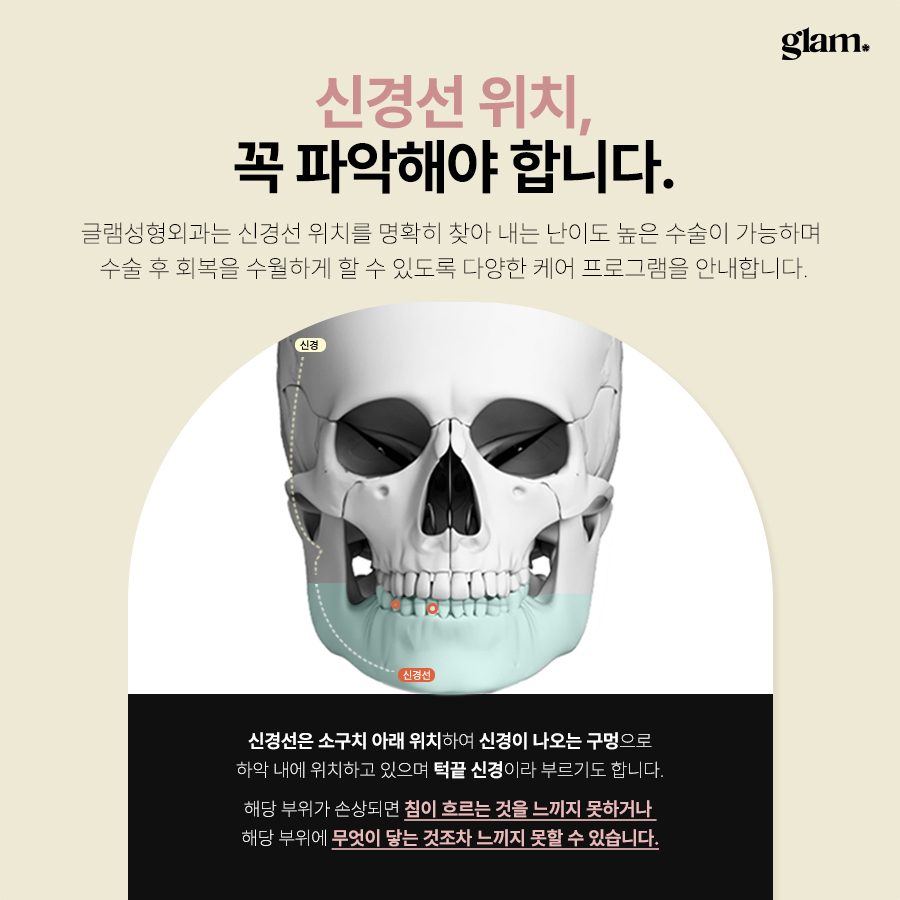
Some clinics in Sinsa, Gangnam focus specifically on facial bone surgery and provide structured programs to support swelling control and skin recovery after double jaw surgery. These programs do not replace medical treatment but can complement it.
Examples of such supportive care include LED light therapy systems that may help calm the skin and support recovery, especially in areas that feel sensitive or dry. Dome‑type facial treatments can provide a soothing environment and gentle circulation support.
Multi‑step skin reset programs are sometimes used to address post‑surgical dryness, sensitivity, and congestion caused by prolonged mask use and swelling. In later stages of healing, radiofrequency lifting devices may be introduced to help with mild skin laxity and lingering puffiness, but only when bone and soft tissue have healed enough and the surgeon considers it appropriate.
All of these treatments must be timed carefully according to your healing stage. The surgeon’s protocol always comes first, and sessions are usually adjusted based on your swelling pattern, skin type, and overall condition.
Clinic positioning and expertise in Sinsa, Gangnam
In Sinsa, Gangnam, near Sinsa Station, there is a plastic surgery clinic that focuses exclusively on facial bone procedures such as double jaw surgery and facial contouring. The clinic does not offer procedures for the eyes, nose, or breasts, and instead concentrates its systems and staff on jaw and facial bone work.
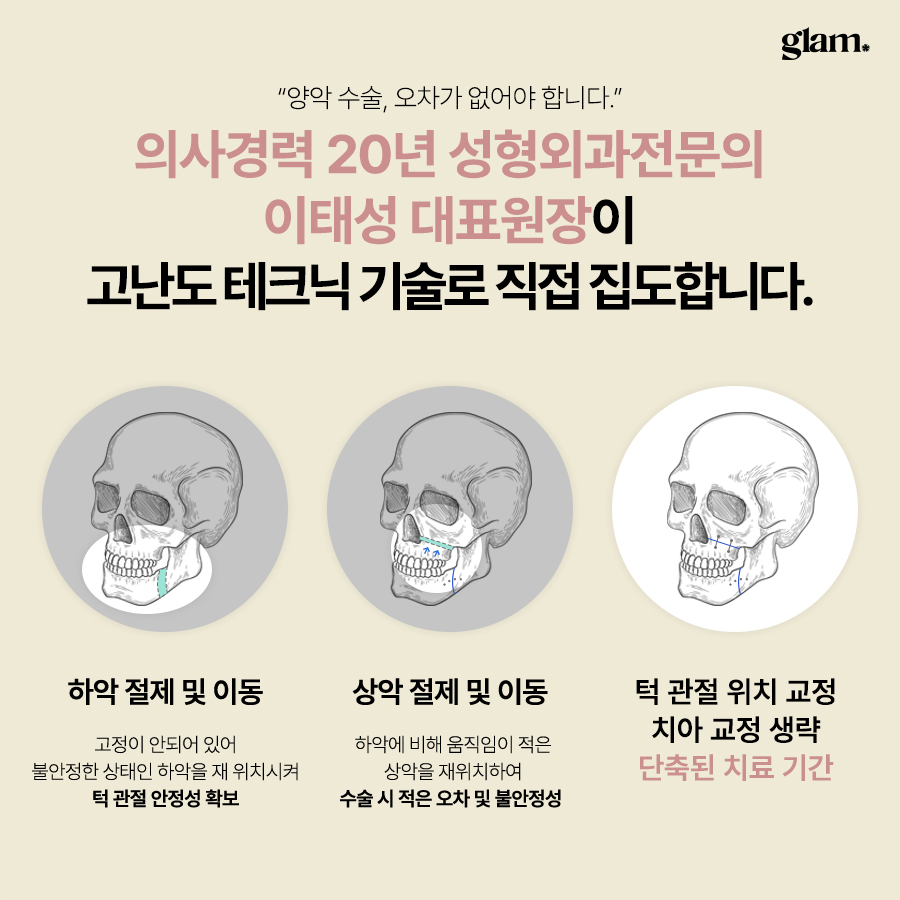
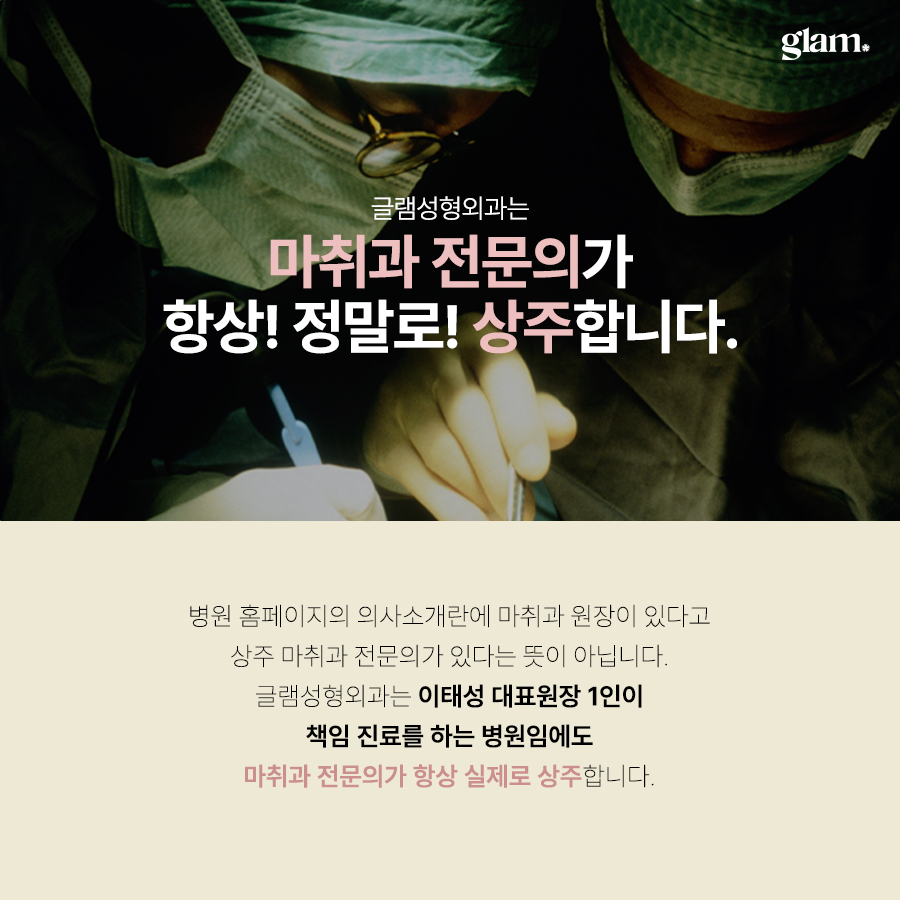
The medical team includes one board‑certified plastic surgeon as the representative director with around 20 years of experience in facial bone surgery, and one board‑certified anesthesiologist dedicated to anesthesia and monitoring. As of February 2025, the lead surgeon has 13 SCI‑level publications on facial contouring and double jaw surgery as first or corresponding author, including three papers in the journal Plastic and Reconstructive Surgery.

The clinic’s philosophy is that the representative surgeon performs the operations directly and recommends only the minimum necessary surgery rather than adding extra procedures without clear benefit. In some cases, the surgeon may use approaches that avoid traditional jaw wiring when clinically possible, and may consider reducing or omitting pre‑ or post‑operative orthodontic treatment depending on the bite and skeletal situation.
Suture techniques around the nose and midface are designed with the goal of helping to prevent excessive widening of the nasal base after jaw movement, although individual outcomes can vary.
How swelling‑reduction care is structured at this clinic
At this Sinsa, Gangnam clinic, the pathway for double jaw surgery patients includes several stages that take swelling into account.
Immediately after surgery, the surgical and anesthesia team monitor the patient closely for breathing, airway safety, and pain control. Swelling is managed with medical methods, cold packs, and careful positioning. Patients usually stay under observation until they are stable and comfortable.
During early recovery, scheduled follow‑up visits are arranged to check wounds, remove drains or stitches if used, and adjust medications. At each visit, the surgeon evaluates swelling patterns and healing progress.
Swelling‑focused care sessions may then be introduced. These can include LED therapy sessions to support skin recovery and reduce redness, facial dome or mask‑type treatments for soothing and mild circulation support, and multi‑step skin reset care to address dryness, sensitivity, and congestion.
In the later phase of recovery, when bone and soft tissue have healed sufficiently, radiofrequency lifting sessions may be offered to help with skin laxity and lingering puffiness. Not every patient needs every type of treatment. The frequency and combination are customized based on how each person’s face responds over time.
Who may consider double jaw surgery in Korea
Double jaw surgery may be considered by people with functional or aesthetic concerns related to jaw position. Common reasons include difficulty chewing due to misaligned jaws, prominent or recessed jaws that affect facial balance, and noticeable facial asymmetry.
International patients often choose Korea for this surgery because of the concentration of face‑bone–focused centers in areas like Sinsa, Gangnam. However, this operation is major surgery and requires careful evaluation, realistic expectations, and a clear understanding of the recovery process, including swelling.
Before deciding, it is important to have a detailed consultation, either online or in person, to review your facial structure, bite, medical history, and goals. Additional imaging and tests may be needed to confirm whether double jaw surgery is appropriate.
Online consultation and pre‑visit preparation
For overseas patients, an online consultation is usually the first step. Clinics often request facial photos from the front, 45‑degree angle, and side, both at rest and with a natural smile. Some may also ask for previous imaging or reports if you have had related evaluations before.
During the online consultation, you can discuss your main concerns, such as jaw protrusion, asymmetry, or functional problems, and ask specific questions about swelling, recovery time, and support systems. It helps to prepare a list of questions in advance, including how long you may need to stay in Korea, what kind of post‑operative care is available, and when you can fly back home.
In preparation for surgery, many surgeons recommend stopping smoking, limiting alcohol, and improving sleep quality in the weeks before the operation. You may also be asked to adjust certain medications or supplements that affect bleeding or healing. Always follow the instructions provided by the clinic and your local doctor.
Expected Korea visit timeline for overseas patients
While exact plans differ, many international patients stay in Korea for several weeks around double jaw surgery. A common pattern is to arrive a few days before surgery for in‑person consultation, imaging, and pre‑operative tests.

After surgery, the first week is usually focused on rest, basic wound care, and clinic visits for monitoring. The second and third weeks may include additional check‑ups, removal of stitches if needed, and the start of gentle swelling‑care sessions when approved.
Some patients feel comfortable flying home after two to three weeks, while others prefer to stay longer. Your surgeon will advise you based on your condition, flight duration, and support system at home. It is important to plan enough time in Korea so that any early issues can be managed directly by the operating team.
Aftercare once you return home
When you return to your home country, you will continue recovery on your own or with support from local doctors. The clinic in Korea may offer follow‑up through online consultations, where you can share photos, describe symptoms, and ask questions.
You will likely continue a soft diet for some time, gradually returning to normal foods as your surgeon allows. Oral hygiene remains very important to prevent infection. Gentle stretching exercises for the jaw may be introduced later to improve opening and function.
Swelling will continue to decrease over the months, and you may notice small changes in symmetry and contour as tissues settle. If you have any sudden increase in swelling, pain, or other concerning symptoms, you should contact both your local doctor and the Korean clinic promptly.
When swelling is not normal: warning signs
Some degree of asymmetry and hardness is normal after double jaw surgery, especially in the first months. However, certain signs suggest that you should seek urgent medical review.
These include a sudden increase in swelling after it had been improving, one side of the face becoming much more swollen, hot, and painful than the other, or the appearance of high fever, foul odor, or pus from the incision area.
Difficulty breathing, swallowing, or opening the mouth that worsens rather than improves is also a red flag. Persistent numbness or severe pain that is not controlled by prescribed medication should be discussed with your surgeon. If you experience any of these, contact your operating surgeon or local emergency services immediately.
Frequently asked questions about double jaw surgery swelling
How long does swelling last after double jaw surgery
Most people notice that the strongest swelling improves within two to three weeks, but mild swelling and tightness can continue for several months. Around 70–80 percent of visible swelling often improves by two to three months, while the final facial contour may continue to refine up to one year. Individual recovery depends on surgical details, health status, and how carefully post‑operative instructions are followed.
When will I look normal enough to go back to work or school
Many patients feel comfortable returning to work or school, especially in non‑physical roles, about three to four weeks after surgery, often with the help of a mask or hairstyle to cover remaining swelling. For roles that require a lot of speaking or physical activity, more time may be needed. Your surgeon can give more personalized guidance based on your job, travel time, and healing progress.
Is it possible to have almost no swelling
Some people swell less than others, but it is not realistic to expect almost no swelling after double jaw surgery. This is a major bone operation, and the body’s natural response includes fluid accumulation and inflammation. Good surgical planning, careful technique, and strict home care can help keep swelling within a more comfortable range, but it cannot be completely avoided.
What can I do before surgery to prepare my body and reduce swelling risk
Before surgery, you can support your body by not smoking, limiting alcohol, maintaining a balanced diet, and getting regular sleep. Follow any instructions about stopping certain medications or supplements. Managing chronic conditions, such as controlling blood pressure or treating sinus issues, can also help. Discuss all of this with your surgeon so they can tailor advice to your situation.
Are professional swelling‑care programs really necessary, or is home care enough
Basic recovery is possible with good home care and regular medical follow‑up. Professional swelling‑care programs are optional supportive measures that may improve comfort, skin condition, and the subjective feeling of puffiness. Whether you choose them depends on your budget, schedule, and personal preferences. They should always be used under medical guidance and timed appropriately.
Does avoiding jaw wiring help with swelling and comfort
In some cases, avoiding traditional jaw wiring can make breathing, oral hygiene, and eating soft foods easier, which may improve overall comfort during the swelling period. However, whether jaw wiring is needed depends on your specific skeletal and bite situation. Your surgeon will decide the safest fixation method for stable bone healing.

Will double jaw surgery make my nose look wider, and can that be prevented
Because the upper jaw is moved, some patients notice changes around the nose, including a slightly wider nasal base. Surgeons may use specific suture techniques around the nose and midface to help control this effect, but the degree of change varies from person to person. If you are worried about nasal changes, discuss this in detail during your consultation so that it can be considered in planning.
Soft call to action for online consultation
If you are considering double jaw surgery in Korea and feel unsure about swelling, recovery time, or how long you should stay in Seoul, an online consultation can be a helpful first step. By sharing your photos and medical history, you can receive a personalized explanation of expected swelling, a tentative timeline, and the type of post‑operative care that may suit you.
A face‑bone–focused clinic in Sinsa, Gangnam can guide you through preparation, surgery planning, and structured swelling‑reduction care, so you can make an informed decision that fits your health, schedule, and goals.




- 공유 링크 만들기
- X
- 이메일
- 기타 앱


댓글
댓글 쓰기