Double Jaw Surgery Reviews and Recovery Experience in Gangnam Sinsa
- 공유 링크 만들기
- X
- 이메일
- 기타 앱

Direct answer summary
If you’re reading double jaw surgery reviews, your main concerns are likely pain, how long swelling lasts, and whether the facial and bite changes feel worthwhile. Double jaw surgery repositions both the upper and lower jaws and is a major facial-bone operation.
At a facial-bone–focused clinic in Sinsa, Gangnam, the emphasis is on double jaw and facial contouring procedures rather than a broad mix of cosmetic operations. The clinic reports having a dedicated anesthesiologist for these cases, and surgical planning typically considers how procedures may affect nasal appearance. The clinic also offers postoperative swelling and skin-care options intended to support recovery. Results and recovery speed still vary by person, and each case is managed according to individual needs to promote safety and predictability.
What double jaw surgery actually does
Double jaw surgery, also called orthognathic surgery, is an operation that repositions both the upper jaw and the lower jaw. The goal is to improve the way your teeth meet and how your face looks from the front and side.
People usually consider this surgery when they have problems that cannot be solved with simple soft-tissue procedures. Examples include a very protruding or retruded jaw, facial asymmetry, a long or short lower face, or difficulty chewing and closing the lips comfortably.
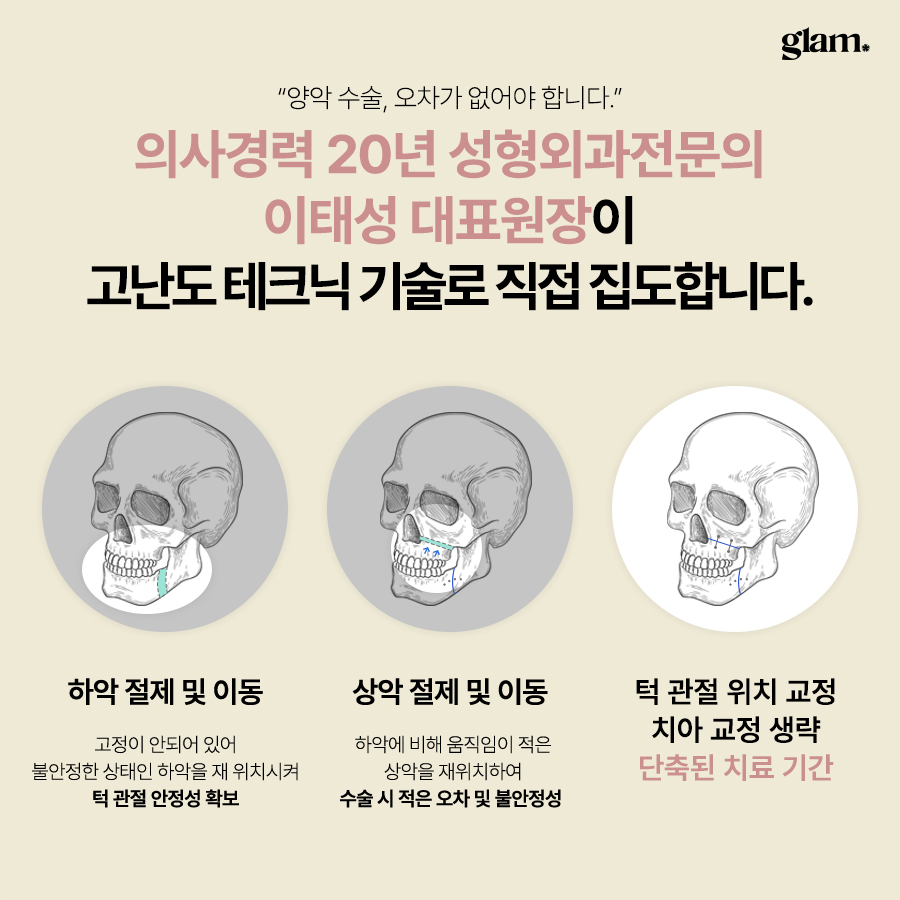
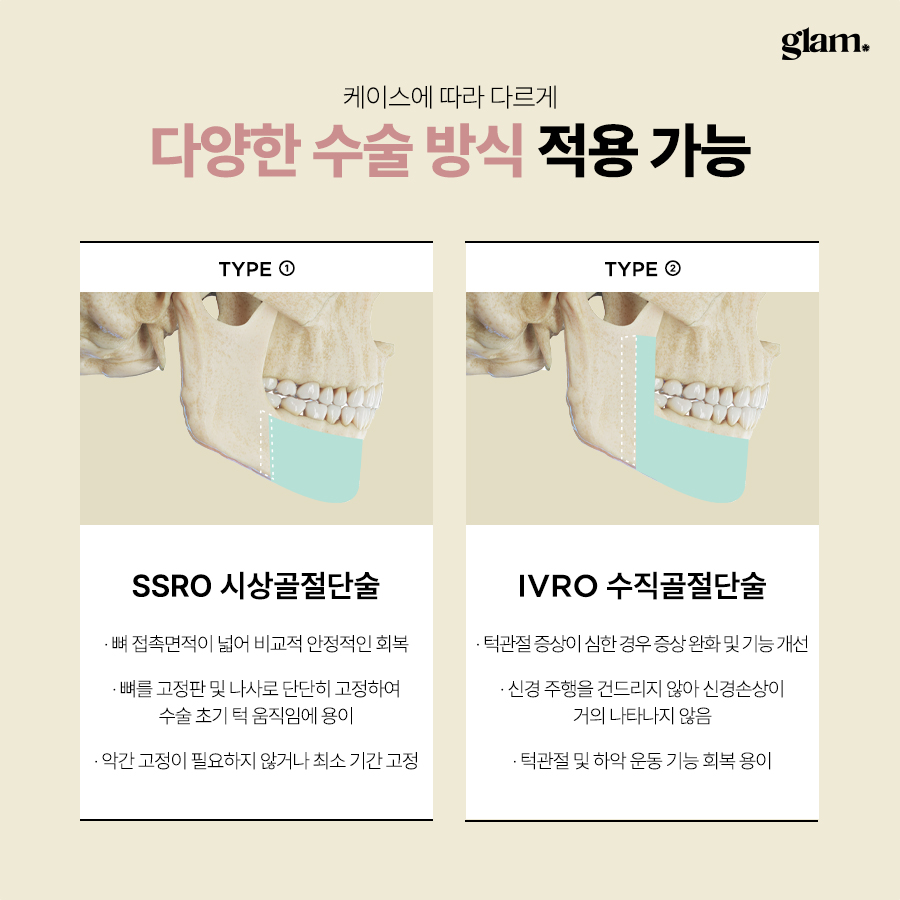
In simple terms, the surgeon makes precise cuts in the jaw bones from inside the mouth, moves the upper and lower jaws into a better position, and fixes them in place with plates and screws. This changes the framework of the lower face, which then changes the profile, jawline, and bite.
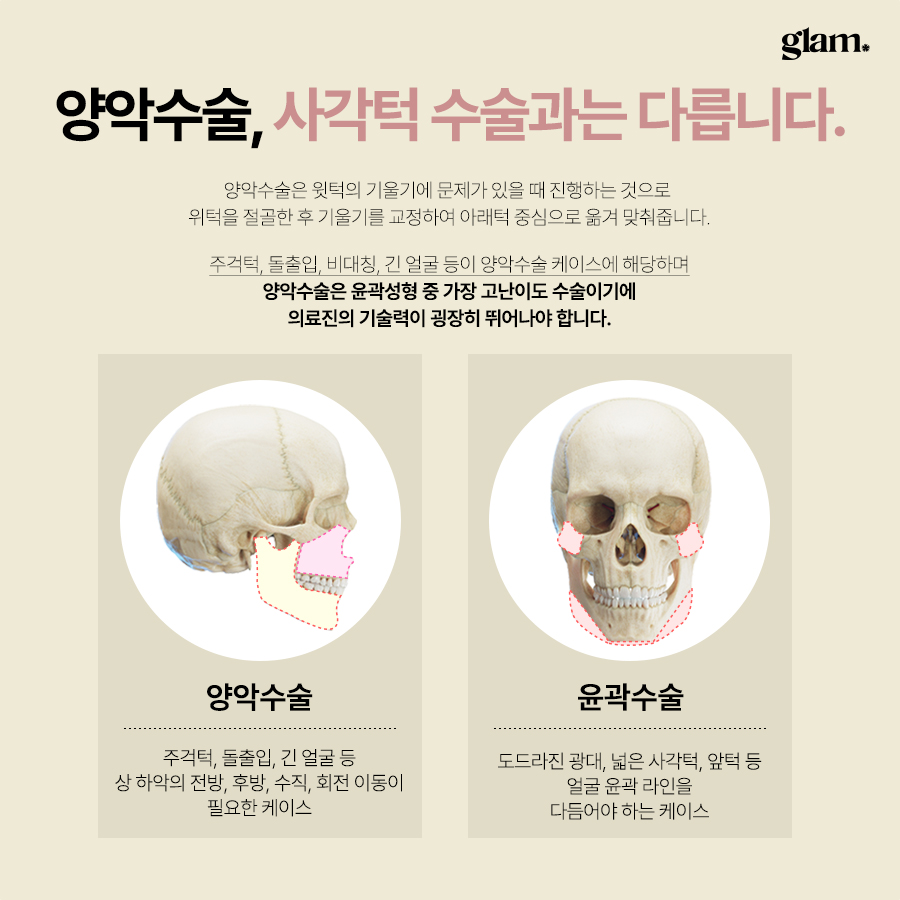
Typical steps of double jaw surgery
Before surgery, you go through detailed diagnosis and planning. This usually includes 3D imaging, cephalometric analysis (measuring the skull and jaw angles on X-ray), and bite analysis. Photos and simulations are used to discuss how the jaw position will affect your profile and smile.
On surgery day, you receive general anesthesia. While you are asleep, the surgeon works through incisions inside the mouth, repositions the upper and lower jaws, and fixes them with plates and screws. After surgery, you wake up in a recovery area where your breathing, blood pressure, and pain level are monitored.
Over the next hours and days, the focus is on stabilizing your bite, controlling swelling, managing pain, and making sure you can breathe and swallow safely. You start with a liquid diet and slowly move to soft foods as healing progresses.
What people really want to know from double jaw surgery reviews
When people search for double jaw surgery reviews, they are usually not looking for technical details. They want to know what it actually feels like to go through this process.
Typical reasons patients consider double jaw surgery include a protruding mouth, a recessed chin, facial asymmetry, open bite, or a jawline that feels too long or heavy. Many also hope that improving the jaw position will make their face look more balanced and their smile more natural.
Common fears seen in reviews
Reviews often repeat the same worries:
- Will I be wired shut and unable to open my mouth for weeks?
- How bad is the pain, and how long does it last?
- Will my nose get wider or droop after surgery?
- What if I do not recognize my face or regret the change?
A realistic answer is that experiences vary. Some clinics still use long-term intermaxillary fixation (jaw wiring), while others, including some specialized face-bone clinics in Sinsa, often avoid long-term wiring by using stable fixation and guiding elastics instead. Pain is usually strongest in the first few days but is often described as pressure and tightness rather than sharp pain, and it is usually manageable with medication.
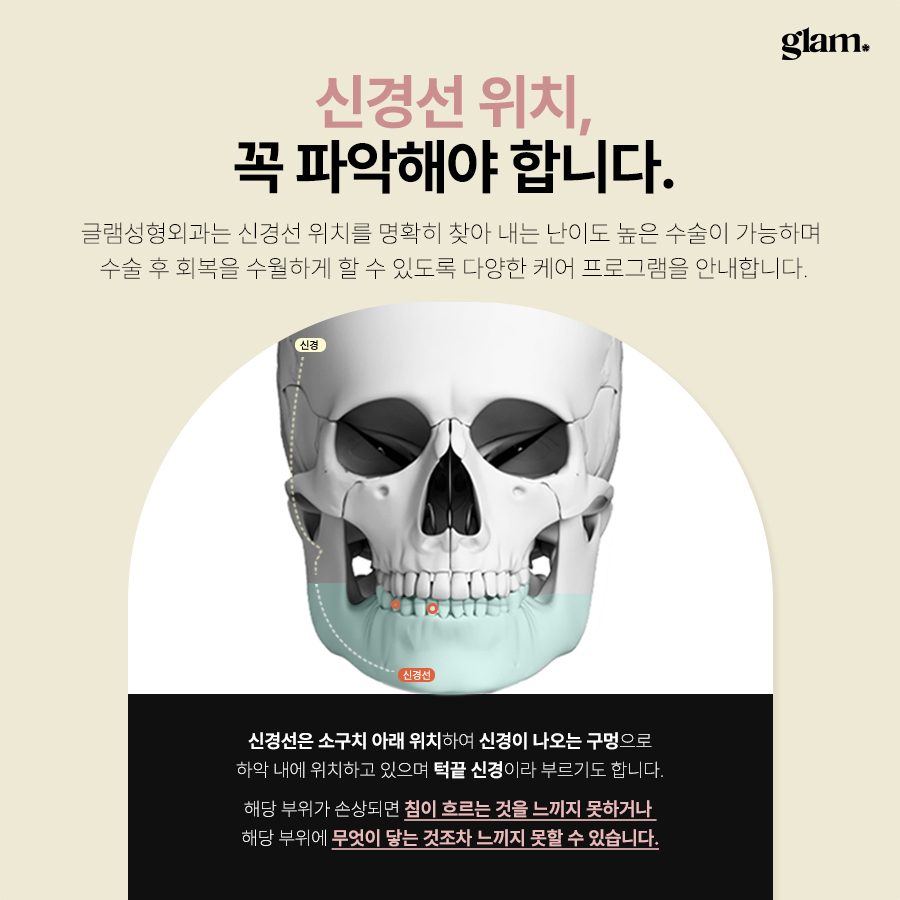
Nose changes can happen because the upper jaw is close to the nasal base. However, specific suturing techniques can help support the nasal base and reduce widening or drooping. As for regret, this is strongly linked to how well you understand the expected changes before surgery and how carefully the plan is matched to your bone structure and bite.
It is important to remember that reviews are individual stories. Your bone structure, soft tissue thickness, and bite are unique. Use reviews as reference, but rely on your own detailed consultation for final decisions.
A typical patient journey: from decision to long-term change
Before the decision
Most patients who end up choosing double jaw surgery have thought about it for years. They often try less invasive options first, or they are told that their jaw position is the main cause of their concerns.
At this stage, people usually collect many before-and-after photos and read long reviews. They compare different clinics, ask about safety, and worry about taking time off work or school. Many also feel nervous about changing their face and about undergoing general anesthesia.
Consultation and planning
At a face-bone–specialized clinic in Sinsa, the first consultation focuses on both function and aesthetics. The surgeon looks at your profile, facial symmetry, lip closure, and bite. 3D imaging and cephalometric analysis are used to measure how far the jaws are from an ideal position.
During this process, you discuss what bothers you most: protrusion, receded chin, asymmetry, long face, or chewing difficulty. The surgeon explains what can realistically be improved with double jaw surgery, and what cannot be fully changed. This is also when you discuss whether you may need pre- or post-surgery orthodontic treatment, or whether your case might allow a reduced orthodontic phase.
Surgery day
On the day of surgery, you arrive fasting. The anesthesiologist meets you to review your medical history, allergies, and previous anesthesia experiences. Because the clinic has a full-time anesthesiologist, anesthesia and monitoring are handled by the same team that knows the surgical routines well.
You are taken to the operating room, connected to monitors, and put under general anesthesia. You do not feel or remember the surgery itself. When you wake up in the recovery room, your jaws are fixed in their new position with plates and screws inside the bone. In many cases at this clinic, there is no rigid jaw wiring, but there may be guiding elastics between the upper and lower jaws.
First 1–3 days: hospital stay
The first days are usually spent in the hospital. Swelling increases and often peaks around day two or three. Breathing through the nose can feel stuffy, and speaking is difficult. You are usually on a liquid diet, and nurses help you with mouth rinsing and basic hygiene.
Pain is typically described as heavy pressure and tightness rather than sharp pain. With proper pain control managed by the anesthesiologist and medical team, many patients say the discomfort is tolerable but tiring. The focus is on keeping your airway clear, controlling swelling, and maintaining hydration.
First 2 weeks: home recovery
After discharge, you continue recovery at home or at your accommodation. Swelling is still obvious, and bruising may appear around the cheeks or under the eyes. Eating remains limited to liquids and very soft foods.
Most patients can walk around indoors and handle simple tasks, but they feel easily tired. Regular follow-up visits at the clinic are important to check the bite, adjust elastics if used, and monitor healing. At this stage, the clinic may start gentle post-op care such as LED therapy to support skin recovery and reduce inflammation.
1–3 months: returning to daily life
From about one month onward, major swelling gradually decreases. You can usually return to school or work, though you may still feel some stiffness, numbness, and residual puffiness. Soft foods become easier, and speaking feels more natural.
During recovery, the clinic may offer adjunctive lymphatic and skin-care treatments and, when appropriate, noninvasive skin-tightening therapies to support healing and comfort.
6–12 months: final contour and bite stabilization
Bone healing continues quietly for many months. Subtle swelling can last up to a year, especially around the nose, lips, and chin. Numbness, if present, usually improves slowly over time, though the degree of recovery varies.
By 6–12 months, the final contour of the jawline and the stability of the bite become clear. Many patients describe this as the period when they finally see their “real” face and feel fully adapted to chewing, speaking, and smiling with the new jaw position.
How a face-bone–specialized clinic in Sinsa approaches surgery
This clinic in Sinsa, Gangnam is oriented primarily toward face-bone surgeries such as double jaw and facial contouring. It places less emphasis on unrelated procedures like eye, nose, or body operations than centers that offer a wider range of cosmetic services.
This background is presented as professional experience and scholarly engagement with the field rather than as a slogan.
The chief surgeon performs the surgery directly, rather than delegating the key steps. The clinic’s philosophy is to recommend only the minimum necessary surgery to reach a safe, balanced result. This is especially important for patients worried about overtreatment or unnecessary additional procedures.
This means that during the entire operation, and in the immediate recovery period, your vital signs and comfort are monitored by a specialist whose only role is anesthesia and safety.
No jaw wiring, orthodontic considerations, and nose-shape concerns
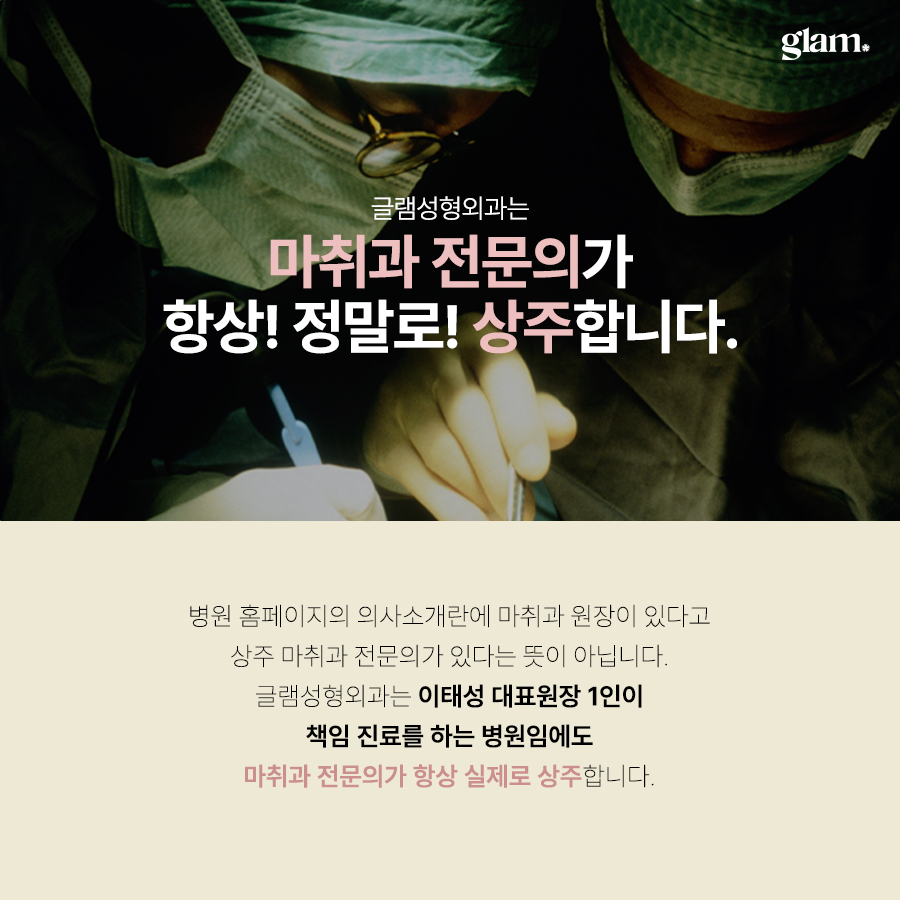
Intermaxillary fixation, often called jaw wiring, means tying the upper and lower jaws together so that you cannot open your mouth. In the past, this was common after double jaw surgery, sometimes for weeks.
This approach can make breathing, swallowing, and speaking easier in early recovery compared with longer periods of rigid wiring, but some restriction is still expected. Each patient’s treatment plan and postoperative instructions are determined individually.
Orthodontic treatment before or after surgery is a frequent concern. In some anatomical situations, the surgeon can plan the jaw movement in a way that reduces or even skips long orthodontic phases. This is not possible for everyone; it depends on how your teeth are aligned and how much correction is needed for a stable bite. During consultation, the surgeon explains whether you are likely to need orthodontic treatment and how long it might take.
Many review readers worry that their nose will become wider or droop after double jaw surgery. Because the upper jaw sits close to the base of the nose, moving it can influence nasal shape. To address this, the clinic uses specific suturing methods to support the nasal base and minimize unwanted widening or drooping. Even with these techniques, some subtle changes can occur, so realistic expectations are important.
Post-operative care and swelling management
Swelling is one of the most common topics in double jaw surgery reviews. Understanding the typical timeline can reduce anxiety.
First 1–3 days: Swelling rises and peaks. You stay in the hospital, receive intravenous fluids and medications, and focus on breathing and pain control.

First 2 weeks: Swelling remains obvious, but the most intense pressure usually decreases. Bruising may appear and then fade. Pain is often manageable with oral medications.
1–3 months: Major swelling gradually subsides. You look more like yourself, but still slightly puffy, especially in photos.
6–12 months: Subtle swelling and stiffness continue to improve. The final contour becomes clear.
To support this process, the clinic offers several post-op care programs. LED therapy (SmartLux) is used to help skin recovery and control inflammation. Astrodom facial care and Care7 skin reset total care focus on skin condition and lymphatic circulation, which can support the body’s natural swelling reduction.
As your face volume and swelling change, a high-frequency lifting device such as Oligio X may be used at an appropriate time to help with skin tightening. These treatments are supportive tools; they do not replace the time needed for bone healing and soft tissue adaptation. Regular medical follow-up and patience remain essential.
Safety, anesthesia, and monitoring
Double jaw surgery is a long and complex operation, so anesthesia safety is critical. A dedicated anesthesiologist plays a central role before, during, and after surgery.
Before surgery, the anesthesiologist reviews your medical history, medications, allergies, and any previous anesthesia experiences. This helps identify risks and plan the safest anesthesia method.
During surgery, the anesthesiologist continuously monitors your breathing, heart rate, blood pressure, and other vital signs, adjusting medications as needed. This allows the surgeon to focus fully on the bone work while anesthesia and pain control are managed by a specialist.
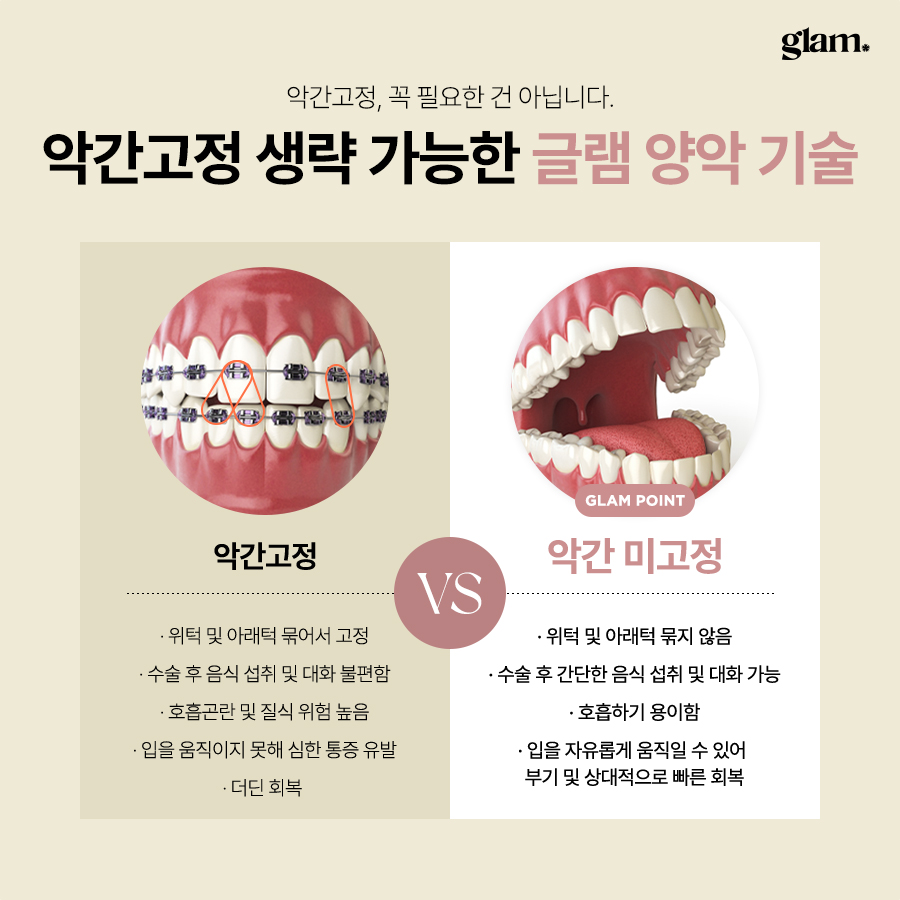
After surgery, the anesthesiologist helps manage pain and nausea and ensures that you wake up safely. Because this clinic has a full-time anesthesiologist, anesthesia is not outsourced, and the same team is familiar with the specific needs of long facial bone operations.
Consultation hours are continuous on weekdays and Saturdays, without a midday lunch break, which can make scheduling easier for busy patients. The clinic is closed on Sundays and public holidays.
How to read and use double jaw surgery reviews wisely
When you read double jaw surgery reviews, it helps to know what to focus on and what to ignore.
Useful points to look for in real reviews include:
Before-and-after photos taken from similar angles and lighting, so you can see true changes.
Descriptions of bite changes and chewing comfort, not just comments about looking prettier.
Honest mention of discomforts such as swelling, numbness, temporary asymmetry, and diet restrictions.
Be careful about over-focusing on someone else’s exact face shape. Your bone structure, skin thickness, and facial proportions are different, so your result will not be identical to any photo you see.
Also be cautious about reviews that promise instant, dramatic results. Real bone healing takes months, and the face can look swollen or slightly unbalanced in the early stages. A realistic review usually describes a gradual process rather than a sudden transformation.
Use reviews as a way to collect questions for your consultation. For example, you might ask:
- How do you plan to manage swelling and pain in my case?
- Will I need jaw wiring, or do you usually avoid it?
- What is your approach to preventing nose widening or drooping?
- Will I likely need orthodontic treatment, and for how long?

Online consultation and pre-visit preparation for overseas patients
If you live outside Korea, an online consultation is usually the first step. You can send photos of your face from the front, 45-degree angle, and side, with a relaxed expression and natural lighting. Some clinics may also ask for simple bite photos showing how your upper and lower teeth meet.
During the online consultation, you can discuss your main concerns, medical history, and any previous facial procedures. The clinic can then give you a preliminary opinion on whether double jaw surgery might help and what kind of stay in Korea you should plan for. Final decisions still require in-person examination and imaging.
Before traveling, prepare a list of questions, your medical records, and information about medications or supplements you take. It is also wise to arrange accommodation near Sinsa, as you will need frequent follow-ups in the first days and weeks.
Expected Korea visit timeline for double jaw surgery
For overseas patients, a common visit plan might look like this, though it can vary by individual case:
First 3–5 days: In-person consultation, 3D imaging, cephalometric analysis, bite analysis, blood tests, and general pre-op evaluation. Final surgical plan is confirmed.
Surgery day plus 1–3 days: Hospital stay after double jaw surgery for monitoring, pain control, and initial swelling management.
First 2–3 weeks after surgery: Stay in Korea for regular follow-ups, suture checks, and early post-op care such as LED therapy. During this period, you mainly rest, manage swelling, and adjust to eating and speaking.
3–4 weeks and beyond: Many overseas patients can return home after the early recovery phase if the surgeon confirms that it is safe. Remote follow-up can continue through online consultations, but you may be asked to return at a later time if needed.
This is a general outline; your exact schedule should be decided with the clinic based on your health, travel distance, and the complexity of your surgery.
Aftercare and long-term follow-up
After you return home, you will still be healing. It is important to follow the clinic’s instructions about diet progression, oral hygiene, and activity level. Avoid strong impacts to the face and very hard foods until you are cleared by your surgeon.
If you experience unusual pain, sudden swelling, or bite changes, contact the clinic promptly. Many issues can be discussed through photos and video calls, but in some cases, an in-person check may be recommended.
Numbness and stiffness often improve slowly. Gentle facial exercises and time are key factors. If you are undergoing orthodontic treatment, coordination between your local provider and the Sinsa clinic can help maintain a stable result.
Clinic location, access, and multilingual support
The clinic is located on the 4th floor of a building on Dosan-daero in Sinsa, about 200 meters on foot from Sinsa Station Exit 1 in Gangnam, Seoul. This area is convenient for transportation and has many accommodation options for overseas patients.
Multilingual support is available in Japanese, English, and Thai, which can make consultations and post-op instructions easier to understand. The clinic also runs social media channels such as Instagram, YouTube, and a messaging app channel, where they share real case stories, educational content, and recovery tips. These can be useful for seeing additional before-and-after cases and understanding the day-by-day recovery process.
FAQ about double jaw surgery reviews and experience
How long does swelling really last after double jaw surgery?
Most patients notice that major swelling improves within 1–3 months, but subtle puffiness can remain up to 6–12 months. The first week is usually the most dramatic, with swelling peaking around day two or three. Supportive treatments like LED therapy and facial care can help, but time and proper follow-up are the most important factors.
Is double jaw surgery very painful?
Pain levels vary, but many patients describe the feeling more as strong pressure and tightness than sharp pain. The first few days are the most uncomfortable, and pain is usually manageable with medications prescribed by the medical team. Having a dedicated anesthesiologist involved in pain control can make the early period more tolerable.

Will I be wired shut after surgery?
This depends on the clinic and your specific case. At the face-bone–specialized clinic in Sinsa, many patients do not need long-term rigid jaw wiring because stable bone fixation and guiding elastics are used instead. However, some degree of jaw restriction is still necessary, and your surgeon will explain the plan for your situation.
Can I skip orthodontic treatment if I have double jaw surgery?
In some selected cases, the surgery can be planned to reduce or omit long orthodontic phases, especially when the teeth are already relatively well aligned. However, this is not possible for everyone. The final decision depends on your bite and dental alignment, which are evaluated through imaging and bite analysis during consultation.
Soft call to action
If you are seriously considering double jaw surgery and want information that goes beyond simple marketing, an online consultation can help you understand what this operation might realistically do for your face and bite. By sharing your photos and concerns, you can receive a personalized explanation of possible plans, recovery timelines, and what to expect at each stage.
From there, you can decide calmly whether to take the next step and visit the face-bone–specialized clinic in Sinsa, Gangnam for in-person diagnosis and treatment planning.




- 공유 링크 만들기
- X
- 이메일
- 기타 앱


댓글
댓글 쓰기