Double jaw surgery review and recovery experience in Seoul
- 공유 링크 만들기
- X
- 이메일
- 기타 앱

Direct answer summary
If you are reading double jaw surgery reviews, you probably want honest details about pain, swelling, recovery time, and how much life actually changes after surgery. This guide follows a realistic, step‑by‑step journey of double jaw surgery in Seoul from the patient’s point of view, with explanations from a facial bone focused plastic surgery clinic near Sinsa Station in Gangnam. You will find what usually happens before, during, and after surgery, how a specialist clinic plans treatment, and what to ask before you decide.
What double jaw surgery really is and why people search reviews
Double jaw surgery, also called orthognathic surgery, is an operation that repositions both the upper and lower jaws. It is usually considered when there is a clear skeletal problem such as severe jaw protrusion or retrusion, facial asymmetry, an open bite, or difficulty chewing and closing the lips comfortably.
People rarely decide on double jaw surgery based only on a textbook explanation. They read reviews to understand the lived experience: how much it hurts, how long the swelling lasts, when they could speak and eat normally again, and whether the change in facial balance and bite felt worth the long recovery.
This article combines a review‑style narrative of a typical patient journey with insights from a clinic in Gangnam that focuses only on facial bone surgery, including primary and revision double jaw procedures.
Before surgery: consultation and decision‑making
First consultation at a facial bone focused clinic
A first visit to a facial bone focused clinic in Seoul usually feels very different from a quick cosmetic consultation. The process tends to be structured and image‑heavy.
You can expect a detailed facial and functional analysis. Staff will usually take standardized photos from multiple angles and ask about your main concerns: profile, chewing, lip closure, asymmetry, or chronic jaw fatigue.

Three‑dimensional imaging and cephalometric X‑rays are standard. These scans show how the upper and lower jaws sit in relation to the skull base, teeth, and soft tissues. They help the surgeon measure angles and distances, such as how far the jaw protrudes or how rotated the jaw is in asymmetry.
The surgeon evaluates jaw position, bite, and facial proportions together. Instead of looking only at the lower face, a facial bone specialist will usually consider the entire profile line from forehead to nose, lips, chin, and neck, and how your bite supports or disturbs that balance.
Surgeon background and why it appears in reviews
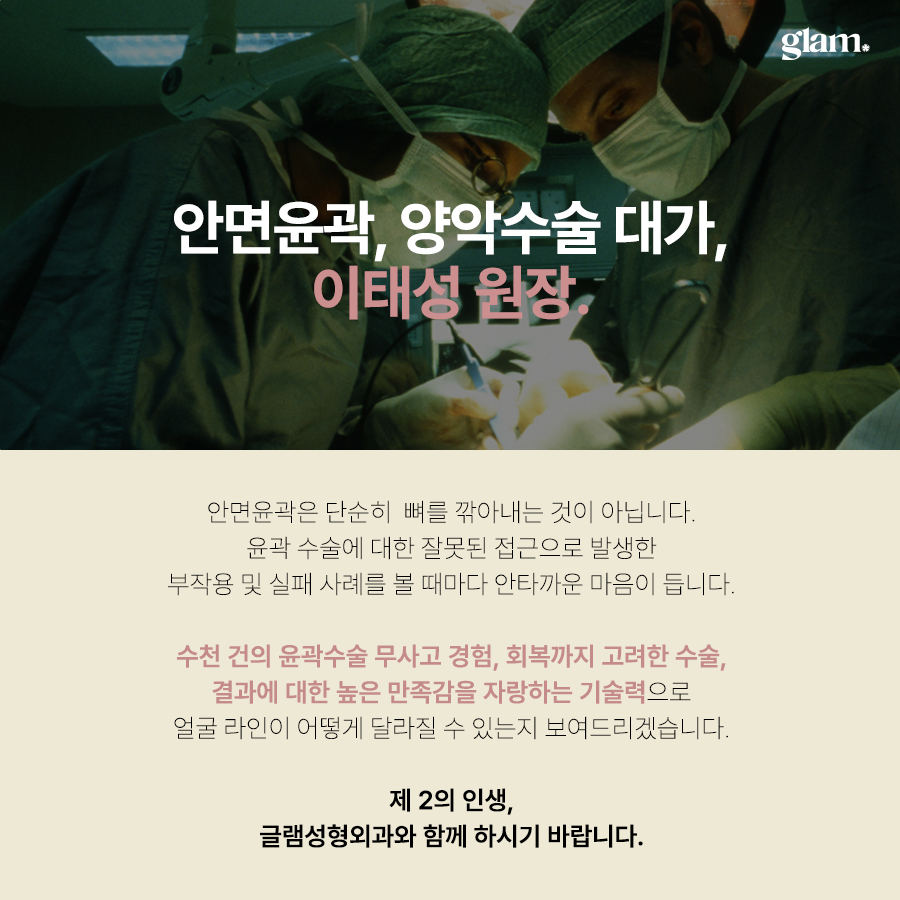
In many real reviews, patients mention the surgeon’s background because it affects their sense of safety. In this scenario, the lead surgeon is a board‑certified plastic surgeon with around 20 years of experience in facial bone surgery and multiple SCI‑level publications, including papers in Plastic and Reconstructive Surgery as of early 2025.
For patients, this usually means the surgeon has spent years focusing on bone work rather than dividing attention across many unrelated procedures. Academic work suggests they are familiar with long‑term outcomes, complications, and revision strategies, which matters for complex jaw repositioning.
Minimum necessary surgery and fear of over‑treatment
One of the biggest worries you see in reviews is over‑treatment: being told you need double jaw surgery when a smaller procedure might have been enough. A facial bone focused clinic often emphasizes recommending only the minimum necessary surgery.
In practice, this can mean:
Some patients truly need double jaw surgery because the skeletal mismatch is severe and cannot be addressed by soft tissue procedures alone.
Others may improve with facial contouring of the chin or jawline alone if the bite is acceptable and the main issue is lower face shape rather than jaw position.
In selected cases, the surgeon may discuss whether pre‑surgical orthodontic treatment can be simplified or shortened, or whether surgery‑first approaches are possible. However, this is highly individual and cannot be promised for everyone.
Emotional state before surgery
At this stage, many patients feel a mix of hope and fear. Common concerns include:
Worry about general anesthesia and safety
Anxiety about looking like a different person rather than a more balanced version of themselves
Fear of long intermaxillary fixation, where the jaws are wired or tightly banded together
A thorough consultation usually includes time for these questions, not only measurements and scans.
Surgical plan and technical points patients mention in reviews
How the surgical plan is built
A proper double jaw surgical plan is not only about moving bone a certain number of millimeters. The surgeon aims to reposition the upper and lower jaws so that:
Your bite becomes more stable and functional
Your facial balance improves from the front and side
Your chin position and midface support look natural and proportional
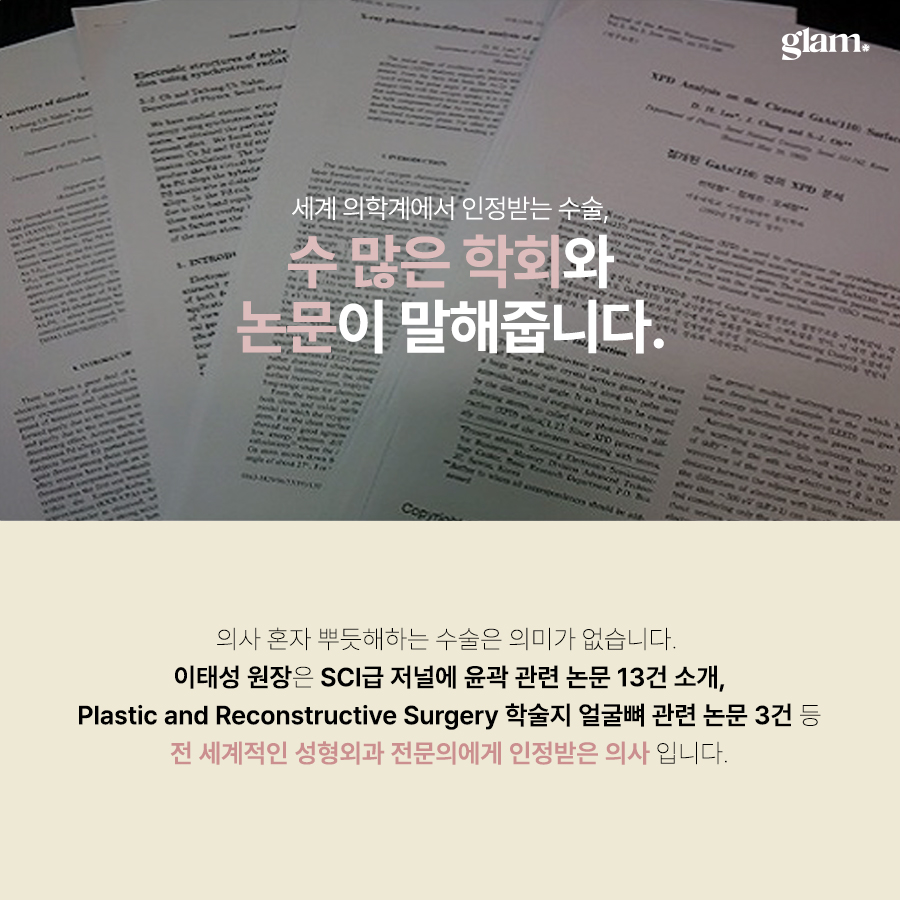
The plan is usually created using 3D simulation and cephalometric analysis. The surgeon may show you predicted changes in profile and front view and explain how much each jaw will move.
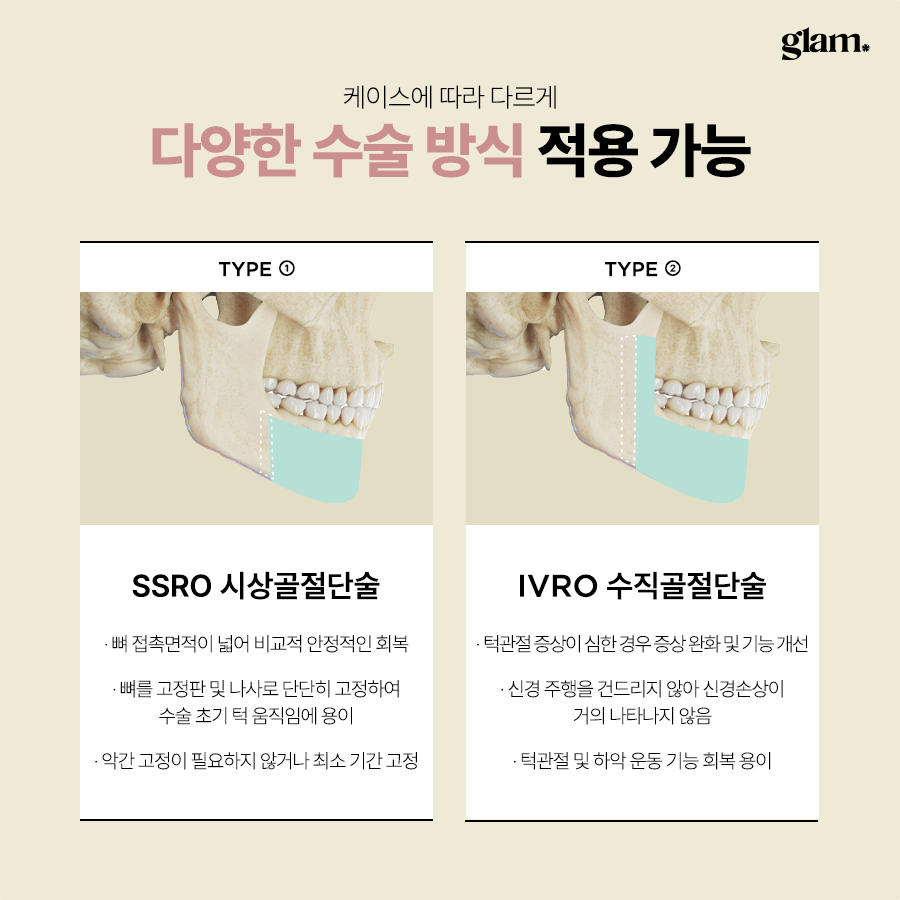
Minimizing rigid intermaxillary fixation
Many modern reviews mention whether the clinic still uses long periods of rigid fixation. Some facial bone focused clinics aim to avoid or minimize rigid intermaxillary fixation when clinically possible.
Instead of wiring the jaws completely shut for weeks, they may use plates and screws for internal fixation of the bones and apply elastic bands to guide the bite. This can allow earlier mouth opening and easier cleaning, though you still need to follow strict instructions and eat a soft or liquid diet.
Managing nose widening and midface changes
Another frequent complaint in negative reviews is that the nose looked wider or the midface seemed flat after surgery. A specialist clinic often plans jaw movement with the nose and midface in mind.
For example, when the upper jaw is moved, the base of the nose can spread. Specific suturing techniques around the nasal base and careful control of upper jaw rotation can help reduce the feeling of an overly widened nose. The goal is to support the midface so that the profile looks natural rather than collapsed.
Anesthesia and safety systems
Many patients mention anesthesia in their reviews because it is a major source of anxiety. At a well‑equipped clinic, an in‑house anesthesiology specialist manages general anesthesia and peri‑operative monitoring.
This means one doctor focuses entirely on keeping you safely asleep, managing your airway, blood pressure, and pain control, while the surgeon concentrates on the operation itself. Systemized protocols for pre‑operative testing, intra‑operative monitoring, and emergency readiness are important safety points to ask about.
Day of surgery: what the patient actually experiences
Pre‑operative steps
On the day of surgery, you usually arrive in the morning after fasting. The staff confirm your identity, review your medical history, and perform last checks such as blood pressure and lab results.
You meet the surgeon again to review the plan and sign consent forms. You also meet the anesthesiologist, who explains how you will go to sleep and wake up, and what monitoring will be used.
Going under and waking up
In the operating room, an intravenous line is placed and monitoring devices are attached. After the anesthetic drugs are given, you drift off to sleep. The surgery itself can take several hours, but you will not feel or remember it.
When you wake up in the recovery room, you will likely notice:
Significant swelling and a feeling of tightness in the lower face
Elastic bands between the jaws, depending on the technique used
Dry mouth and some difficulty speaking clearly
Nasal stuffiness, especially if blood or swelling affects the nasal passages
Pain is usually described in reviews as more of a strong pressure, tightness, and throbbing rather than sharp stabbing pain. Modern pain control protocols aim to keep discomfort manageable, though the first 24 to 48 hours are still challenging.
Lead surgeon involvement
Many overseas patients want to know who actually performs the operation. At a facial bone focused clinic, the lead surgeon typically performs the key steps personally, including bone cuts, repositioning, and fixation. Assistants may help with preparation and closure, but the main movements are not delegated.
Early recovery: first week to one month
First week after surgery
Reviews often describe the first week as the toughest part of the journey.
Swelling usually peaks around days 2 to 3. Your face may look very round and puffy, and bruising can appear around the cheeks and neck. From day 4 onward, swelling slowly begins to decrease, but it is still very visible.
Diet is limited to liquids or very soft foods. Many patients mention drooling and difficulty swallowing at first, especially if elastic bands are in place. Brushing teeth is difficult, so clinics often recommend gentle rinsing and provide instructions on oral hygiene.
Sleep posture is important. Keeping the head elevated on extra pillows helps swelling drain. In the very early phase, frequent icing around the cheeks and jawline is used, as long as the clinic advises it.
Structured post‑operative care programs
One difference you may notice in Seoul reviews is the emphasis on systematic aftercare. A facial bone focused clinic near Sinsa Station may offer:
LED therapy sessions to support skin recovery and help with bruising and mild inflammation
Facial dome treatments that combine gentle warmth and light to promote circulation and reduce a heavy, congested feeling in the face
Skin‑reset programs designed to care for skin that has been stressed by swelling, tape, and reduced washing in the early days
Later in recovery, high‑frequency lifting devices may be used to support skin tightening as swelling subsides and to help the soft tissues adapt smoothly to the new bone structure.

Realistic milestones in the first month
Based on many patient reports, some common milestones are:
Going outside with a mask: often within 7 to 10 days, patients feel comfortable stepping out briefly, especially in a city where mask‑wearing is common.
Returning to work or school: office or study work is often possible around 2 to 4 weeks, depending on individual swelling, energy levels, and how visible you are willing to be. Jobs requiring heavy physical activity may need more time.
Speaking: speech is usually understandable but slightly slurred in the first weeks. It improves as swelling decreases and you get used to the new jaw position.
Mid to long‑term results: 3 to 12 months
Three months after surgery
By around three months, major swelling has gone down. In reviews, patients often say they finally recognize their new facial line, though a little puffiness remains, especially in the lower cheeks and around the chin.
Bite function is usually much more stable by this point. Chewing soft to moderately firm foods becomes easier, and jaw fatigue tends to decrease.
Six months after surgery
Around six months, most people see a near‑final contour. The jawline, chin, and profile look much closer to the planned result. Minor residual swelling may still be present, but it is usually noticeable only to the patient.
Functionally, chewing, speaking, and lip closure are typically more comfortable. Some patients report less strain in the jaw joints and muscles during long conversations or meals.
Twelve months and beyond
At around one year, bone healing is considered mature and soft tissues have largely adapted. This is the point at which surgeons and patients usually evaluate the final outcome.
Reviews at this stage often focus on:
Aesthetic balance: more harmonious profile, reduced protrusion or retrusion, improved facial symmetry, and a jawline that matches the rest of the face.
Functional improvement: easier chewing, better bite stability, improved lip closure, and sometimes better breathing if airway space has been positively affected.
Revision double jaw surgery
Not all cases are straightforward. Some patients come to Seoul for revision double jaw surgery after previous operations elsewhere. A clinic experienced in facial bone revision can reassess bone position, occlusion, and facial balance using detailed imaging.
Revision plans are usually more conservative and require careful analysis of existing plates, screws, and bone healing. Recovery can be similar or slightly more complex than primary surgery, depending on how much movement is needed.
Safety, research background, and why it matters
What academic credentials mean in real life
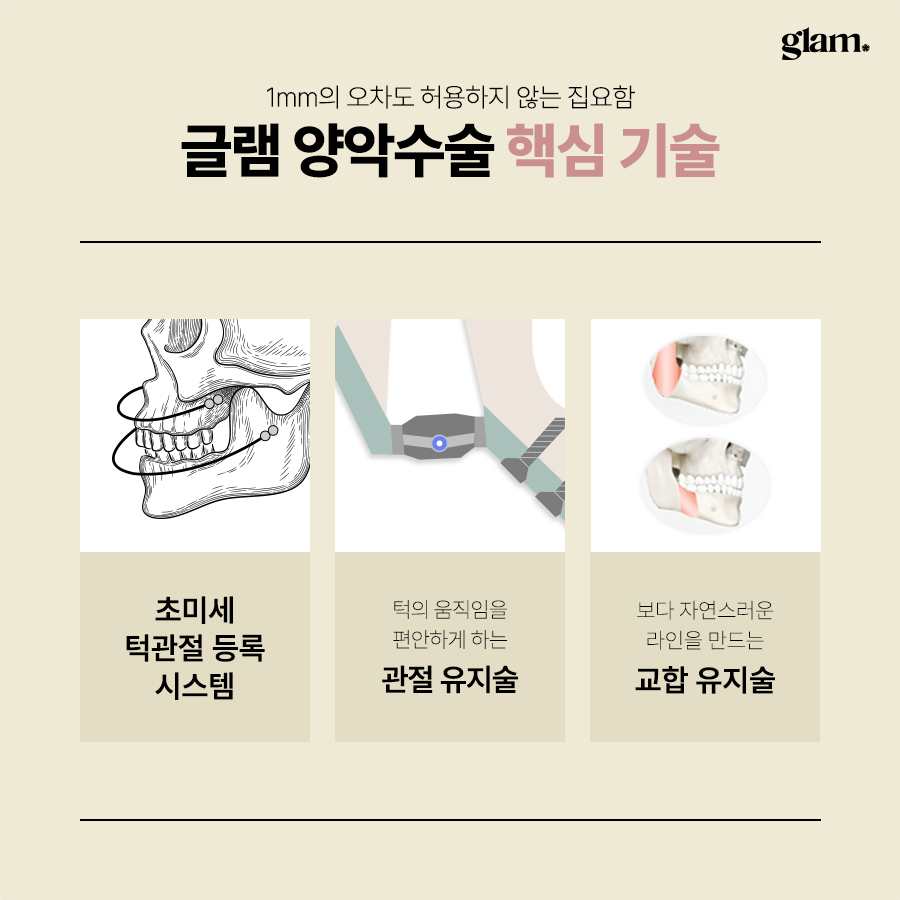
When a surgeon has numerous SCI‑level papers in facial bone surgery, including several in Plastic and Reconstructive Surgery as of February 2025, it usually signals a few practical points:
They tend to follow evidence‑based techniques rather than trends.
They are familiar with long‑term follow‑up data, which helps in planning stable jaw positions and anticipating how soft tissues will settle.
They have studied complications and revision strategies, which can be crucial for complex or secondary cases.
Value of on‑site plastic surgery and anesthesiology specialists
Having both a plastic surgery specialist and an anesthesiology specialist on site means that:
The surgeon can focus on precise bone work, nerve preservation, and aesthetic balance.
The anesthesiologist concentrates on safe anesthesia, airway management, and pain control from induction to recovery.
This division of roles is often mentioned positively in reviews, especially by overseas patients who are particularly sensitive to safety systems when undergoing general anesthesia abroad.
How to read and compare double jaw surgery reviews
What to look for in detailed reviews
When you read online reviews, focus on those that provide concrete information rather than only emotional reactions. Helpful reviews often include:
Clear description of functional changes, such as bite, chewing, breathing, and lip closure.
Specific timelines for swelling reduction, diet progression, and return to school or work.
Comments about communication with the surgeon, including whether indications were explained honestly and alternatives were discussed.
Mentions of detailed imaging, 3D planning, and how the surgeon linked jaw movement to nose, lips, and chin.
Descriptions of follow‑up care, including how often the clinic checked progress and what was done for swelling and discomfort.
What to be cautious about
Be careful with reviews that show only dramatic before‑and‑after photos without context, or very short comments that say only that the result was good or bad with no explanation.
Also be cautious if a review promises a specific recovery time or result as if it will be the same for everyone. Individual anatomy, health, and healing speed vary widely.
Who might consider double jaw surgery
Typical indications
Double jaw surgery may be considered if you have:
Severe skeletal malocclusion that cannot be addressed by simpler methods
A long‑standing open bite where the front teeth do not meet when you close your mouth
Marked facial asymmetry where one side of the jaw is significantly lower or more projected
Noticeable jaw protrusion or retrusion that affects both appearance and function
Chronic difficulty chewing, jaw fatigue, or problems with lip closure related to jaw position
Only a specialist who has examined you in person and reviewed your imaging can confirm whether double jaw surgery is appropriate.
Questions to bring to any consultation
To make the most of your consultation, prepare questions such as:
Is double jaw surgery truly necessary in my case, or is there a more conservative option that could address my main concerns?

How will you plan my jaw movement in relation to my nose, lips, chin, and overall facial balance?
Will I need intermaxillary fixation, and if so, for how long and in what form (rigid wiring versus elastic bands)?
What is the expected recovery timeline for returning to work, school, social activities, and exercise in my situation?
How are anesthesia and monitoring handled during surgery, and who is responsible for them?
What aftercare programs are available to help with swelling, bruising, and skin condition?
Online consultation and pre‑visit preparation for overseas patients
Using online consultations
If you are abroad, most Seoul clinics near Sinsa Station offer online consultations by email, messaging apps, or video call. For a useful first assessment, you will usually be asked to send:
Front, 45‑degree, and side view photos with a neutral expression
Photos of your bite from the front and sides
Any previous imaging or reports you may have
During the online consultation, the clinic can give a preliminary opinion on whether double jaw surgery seems indicated, what kind of additional imaging will be needed in Seoul, and a rough treatment timeline. Final decisions are always made after in‑person examination and full imaging.
What to prepare before you travel
Before flying to Korea, prepare:
A list of your medical history, including any chronic illnesses, medications, allergies, and past surgeries
Questions about recovery time, especially if you have limited vacation days
Information about where you will stay and who will accompany you in the first week after surgery
It is also helpful to arrange time off from work or school in advance, usually at least three to four weeks if you plan to have surgery during your stay.
Expected Korea visit timeline for double jaw surgery
A common schedule for overseas patients might look like this, though it can vary:
First 2 to 3 days: In‑person consultation, full imaging (3D CT, cephalometric X‑rays), detailed planning, and pre‑operative tests.
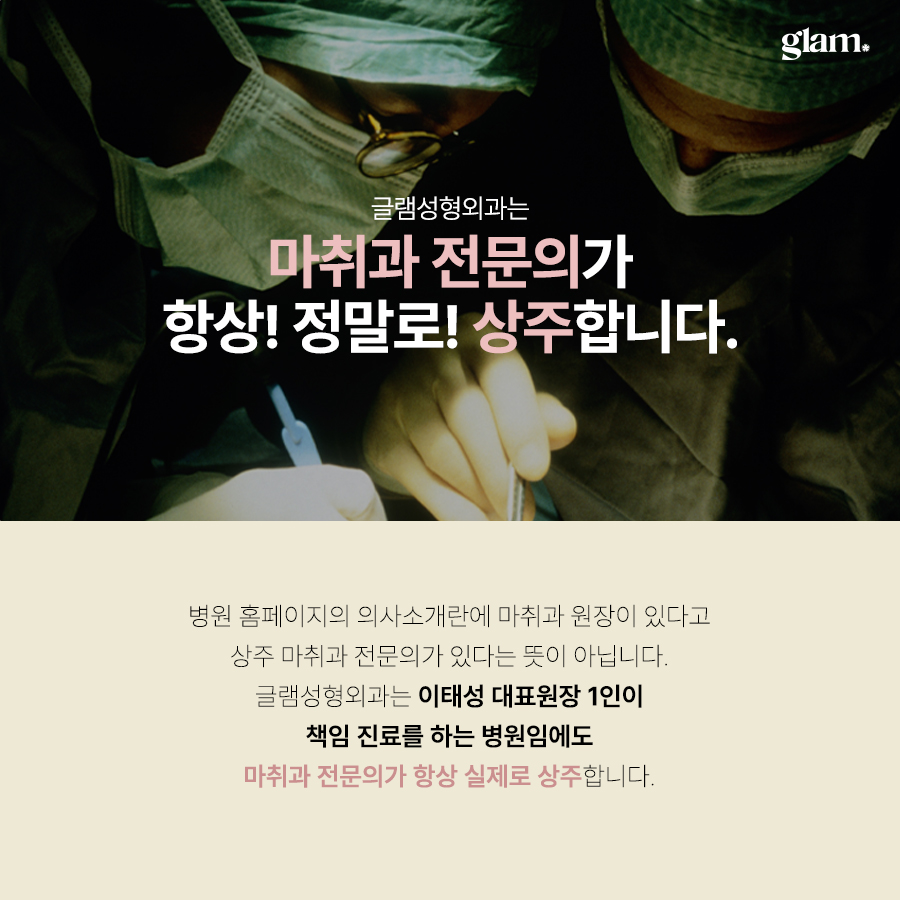
Surgery day: Hospital admission, operation, and immediate post‑operative monitoring.
First week after surgery: Frequent clinic visits for dressing changes, swelling checks, and basic care instructions.
Second to third week: Continued follow‑up, removal or adjustment of elastic bands if used, and start of more active swelling management programs.
Many overseas patients stay in Korea for about 3 to 4 weeks after surgery to ensure safe early recovery and follow‑up. The exact recommended stay depends on your health, the complexity of your case, and flight distance.
Aftercare and long‑term follow‑up
In‑clinic aftercare
Aftercare is a key part of the experience in Seoul clinics. In addition to medical check‑ups, you may be offered:
Regular swelling management sessions with LED or facial dome devices
Gentle massage or lymphatic drainage techniques when appropriate and approved by the surgeon
Skin care programs to help manage dryness, breakouts, or sensitivity after surgery
Home care instructions
You will receive detailed instructions on:
How to clean your mouth and incision areas safely
What to eat at each stage of recovery and how to maintain nutrition on a soft or liquid diet
How to sleep and move to reduce swelling
Warning signs that should prompt an urgent visit or call, such as fever, unusual bleeding, or sudden changes in sensation
Long‑term follow‑up can often be done through a mix of in‑person visits when you are in Korea and online check‑ins with photos and imaging from your local clinic.
FAQ
How painful is double jaw surgery really?
Most patients describe the experience as very uncomfortable but not unbearable. The first two to three days involve strong swelling, tightness, and pressure rather than sharp pain, and clinics use pain medication to keep this manageable. Breathing through the nose can feel difficult at first because of congestion, and speaking is awkward, but these symptoms gradually improve over the first week.

How long will my face look swollen after double jaw surgery?
Visible swelling usually peaks around days 2 to 3 and then slowly decreases. By two weeks, many patients feel comfortable going outside with a mask. At one month, swelling is still noticeable but much less dramatic. Around three months, most of the swelling has resolved, though subtle puffiness can remain for up to six to twelve months, especially in the lower face.
When can I return to work or school after double jaw surgery?
For desk work or study, many people return between two and four weeks after surgery, depending on how visible they are willing to be and how they feel physically. Jobs that require heavy physical activity, long speaking, or public appearances may require a longer break. Your surgeon can give a more specific estimate based on your health, job type, and surgery plan.
Can double jaw surgery fix both my appearance and my bite at the same time?
Double jaw surgery is designed to address both function and aesthetics by repositioning the upper and lower jaws. Many patients report improved facial balance and a more stable bite after full recovery. However, the exact degree of change depends on your initial anatomy, the surgical plan, and how your soft tissues adapt. A thorough consultation with imaging is necessary to set realistic expectations.
Soft call to action
If you are considering double jaw surgery in Seoul and want more than marketing phrases, use real reviews as a starting point and then move to direct consultation. An online pre‑consultation with a facial bone focused clinic near Sinsa Station can help you understand whether double jaw surgery, facial contouring, or a more conservative approach may be appropriate for you.
Prepare your questions, gather your photos, and discuss your concerns openly with a qualified specialist. With clear information about diagnosis, planning, surgery, and aftercare, you can make a safer and more confident decision about whether double jaw surgery is the right step for your face and your function.




- 공유 링크 만들기
- X
- 이메일
- 기타 앱


댓글
댓글 쓰기