Double jaw surgery review and recovery experience in Gangnam
- 공유 링크 만들기
- X
- 이메일
- 기타 앱
Direct answer summary
I describe why I decided on surgery, how I selected a facial bone–specialized clinic near Sinsa Station in Gangnam, the operation and anesthesia experience, and how swelling and recovery progressed over several months.
What double jaw surgery actually is
Before I started my own orthognathic surgery experience, the term “double jaw surgery” sounded vague and frightening. In simple terms, it is an operation where the surgeon repositions both the upper jaw and the lower jaw bones. The goal is to correct problems like jaw protrusion, facial asymmetry, open bite, or severe malocclusion, and at the same time improve the overall facial balance.
In my case, I had a long face, a protruding mouth because of the jaw position, and difficulty chewing on one side. My side profile bothered me, and I felt my chin was set back. Double jaw surgery was suggested as a way to move the upper and lower jaws in three dimensions so that my bite could meet more evenly and my profile could look more balanced.
Who may consider double jaw or revision double jaw surgery
From what I learned during consultations, people usually consider double jaw surgery when they have one or more of these issues:
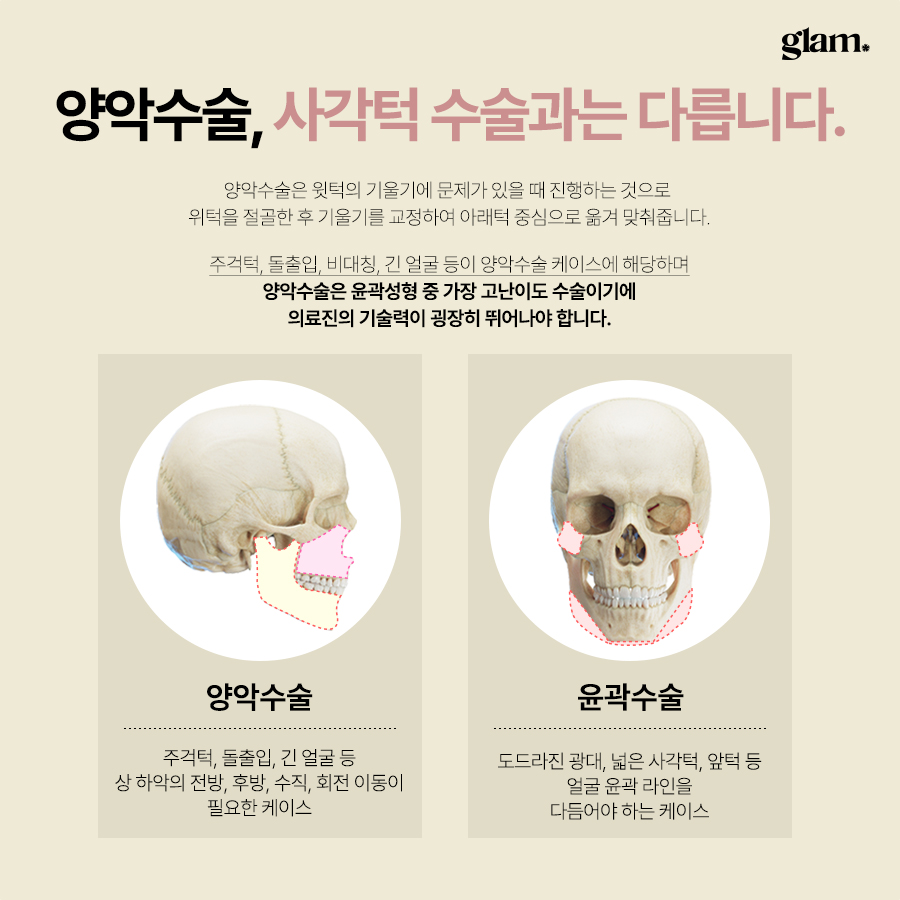
A long face or vertically long lower face that makes the features look stretched
A protruding mouth that is caused more by jaw position than by the lips themselves
Difficulty chewing, easily biting the cheeks, or feeling that the teeth do not meet properly
Jaw joint discomfort, clicking, or fatigue when eating
Visible facial asymmetry, such as one side of the lower jaw being longer or lower
Dissatisfaction after a previous jaw or facial contouring operation, which leads to considering revision double jaw surgery
Not everyone with these concerns automatically needs surgery, and not everyone is a good candidate. That is why detailed imaging and a careful functional evaluation are important. In revision cases, it is especially important to understand what was changed in the first operation and what can realistically be improved.
Why I started considering double jaw surgery
I had lived with my jaw shape for years. My main complaints were a protruding mouth, a long lower face, and a bite that never felt stable. In photos, my side profile looked much more prominent than in the mirror, and I often tried to hide my jawline by changing angles.
Functionally, I also had trouble chewing harder foods, and I tended to favor one side. Over time, this led to some jaw joint discomfort and fatigue. I had tried to accept it as just my natural face, but I kept coming back to the idea of double jaw surgery.
Emotionally, I was very anxious. I was afraid of visible scars, long downtime, and the possibility of regretting such a major operation. I also worried about over-treatment, like being pushed into extra procedures I did not really need. That is why I spent a long time reading every double jaw surgery review I could find, especially those that described the recovery and swelling in detail.
How I chose a facial bone–specialized clinic in Gangnam
At first, I looked at large general plastic surgery clinics that offered eye, nose, body, and facial bone procedures all together. They had many before and after photos, but I felt it was hard to judge their depth of experience specifically with double jaw and facial bone cases.
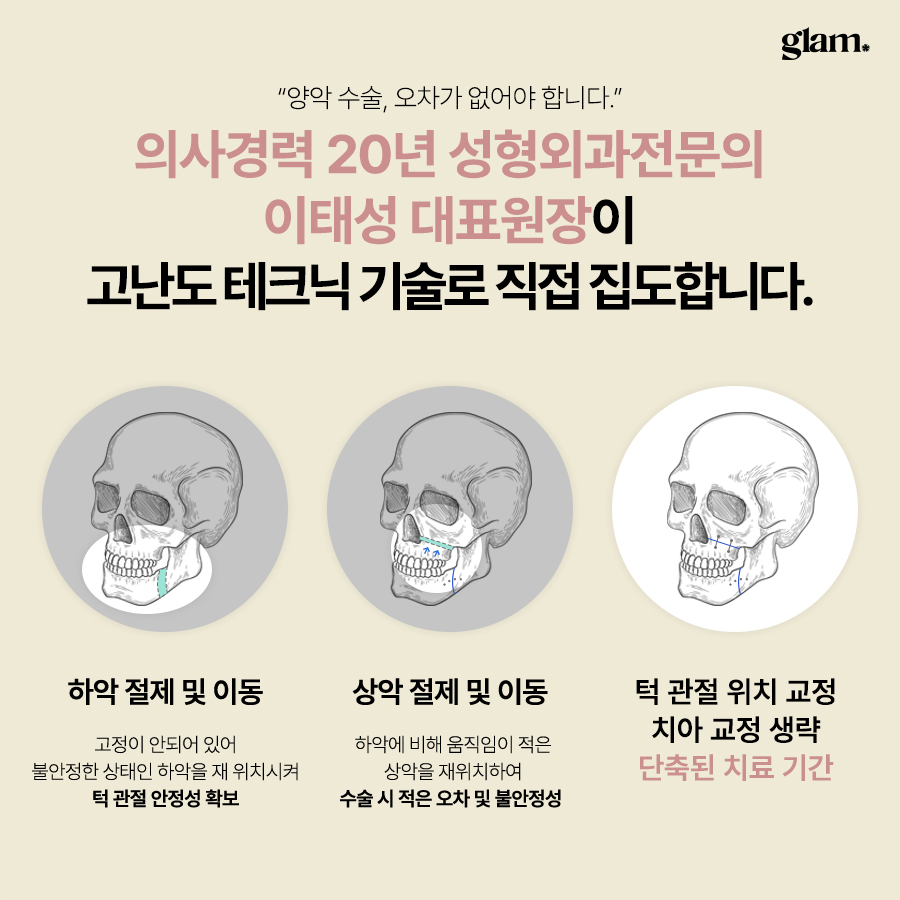
Eventually I focused on a clinic near Sinsa Station in Gangnam that only handles facial bone surgery, mainly double jaw surgery and facial contouring. They do not perform eye, nose, or breast procedures. This narrow focus was important to me because it suggested that most of their daily work is related to jaw and facial bone structure.
I was informed by the clinic that the lead surgeon has extensive experience in facial bone surgery and an academic publication record. I did not treat this as a guarantee of results, but as one factor suggesting the surgeon engages in clinical research and detailed analysis of facial bone issues.
For a long and complex operation like double jaw surgery, I felt safer knowing the clinic reported a dedicated anesthesiology doctor would manage anesthesia and pain control. Readers should confirm anesthesiology staffing and credentials directly with any clinic they consult.
During consultations, the lead surgeon explained that he personally performs the surgery and recommends only the minimum necessary procedures. I did not feel pressure to add extra facial contouring or unrelated cosmetic procedures. This conservative attitude was important for me as someone who was worried about over-treatment.
Consultation and planning experience
The first consultation was much more detailed than I expected. They started with basic photos and X-rays, then moved on to 3D imaging to analyze my facial bones. The surgeon looked at my face from the front and side, checking symmetry, chin position, and how the upper and lower jaws related to each other.
We discussed my bite and jaw joint symptoms. The surgeon examined how my teeth met, how the jaw moved when opening and closing, and whether there were any signs of joint limitation. He then explained how many millimeters the upper jaw might be moved backward and upward, and how the lower jaw and chin could be repositioned to match.
He showed me simulations of the expected changes in profile and front view, but he was careful to say that these were guides, not promises. I appreciated this realistic explanation. We also talked about intermaxillary fixation, which is the process of fixing the upper and lower jaws together with wires or elastics after surgery.
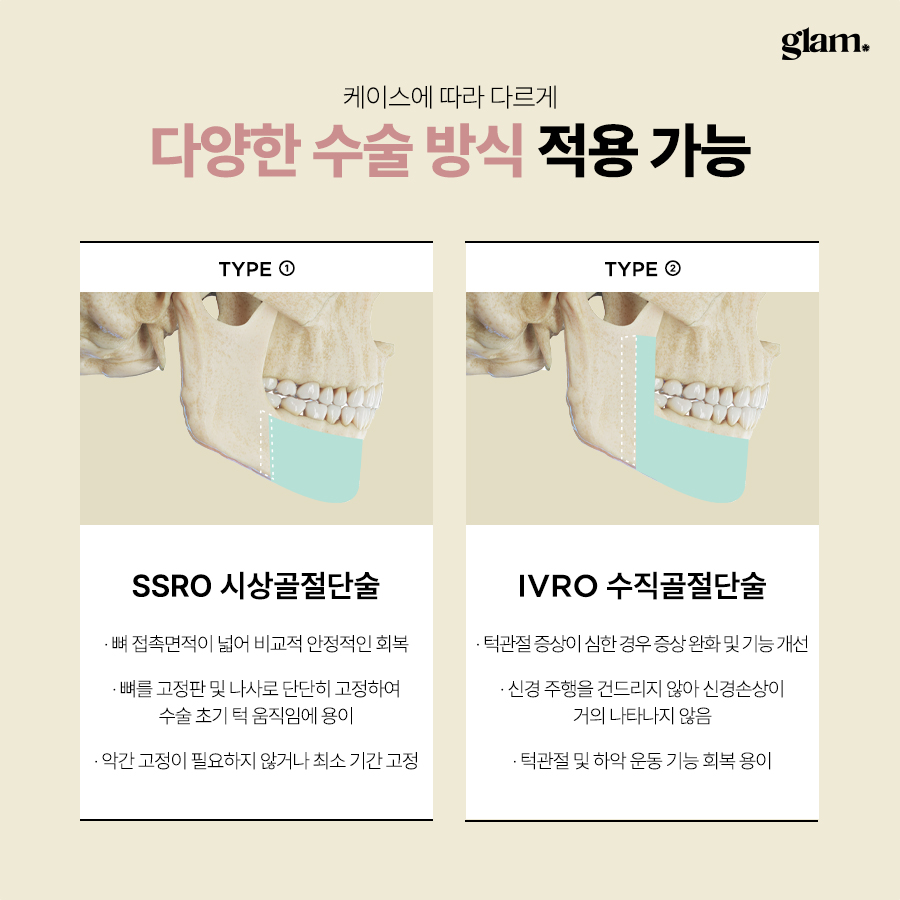
The surgeon explained that, depending on the bone movement and bite stability, it might be possible to avoid long-term rigid fixation and instead use lighter elastics. However, he emphasized that this is not possible for everyone and depends on individual conditions.
We also discussed whether pre- or post-orthodontic treatment could be reduced or adjusted. In some cases, he said, jaw repositioning can lessen the amount of orthodontic work needed, but it cannot replace it entirely for everyone. Again, he stressed that this depends on the alignment of the teeth and the skeletal pattern.
What stood out to me was that he did not push for extra facial contouring or unrelated procedures. When I asked whether I should add something for my cheekbones or chin, he explained calmly why the planned jaw movements might already improve those areas and suggested waiting to see the results before considering anything else.
Surgical concept and measures to limit nasal widening
One of my worries was that my nose might look wider after double jaw surgery. The surgeon explained that when the upper jaw is moved, the base of the nose can sometimes spread, which may make the nose look wider.
To address this, he described a suturing method used at the end of surgery to support the nasal base and reduce spreading. This is not about changing the nose like a separate nose operation, but about preserving the original width as much as possible while the upper jaw is repositioned. Hearing the logic behind this helped me understand why some people in other double jaw surgery reviews mentioned changes to their nose shape.
Surgery day and anesthesia
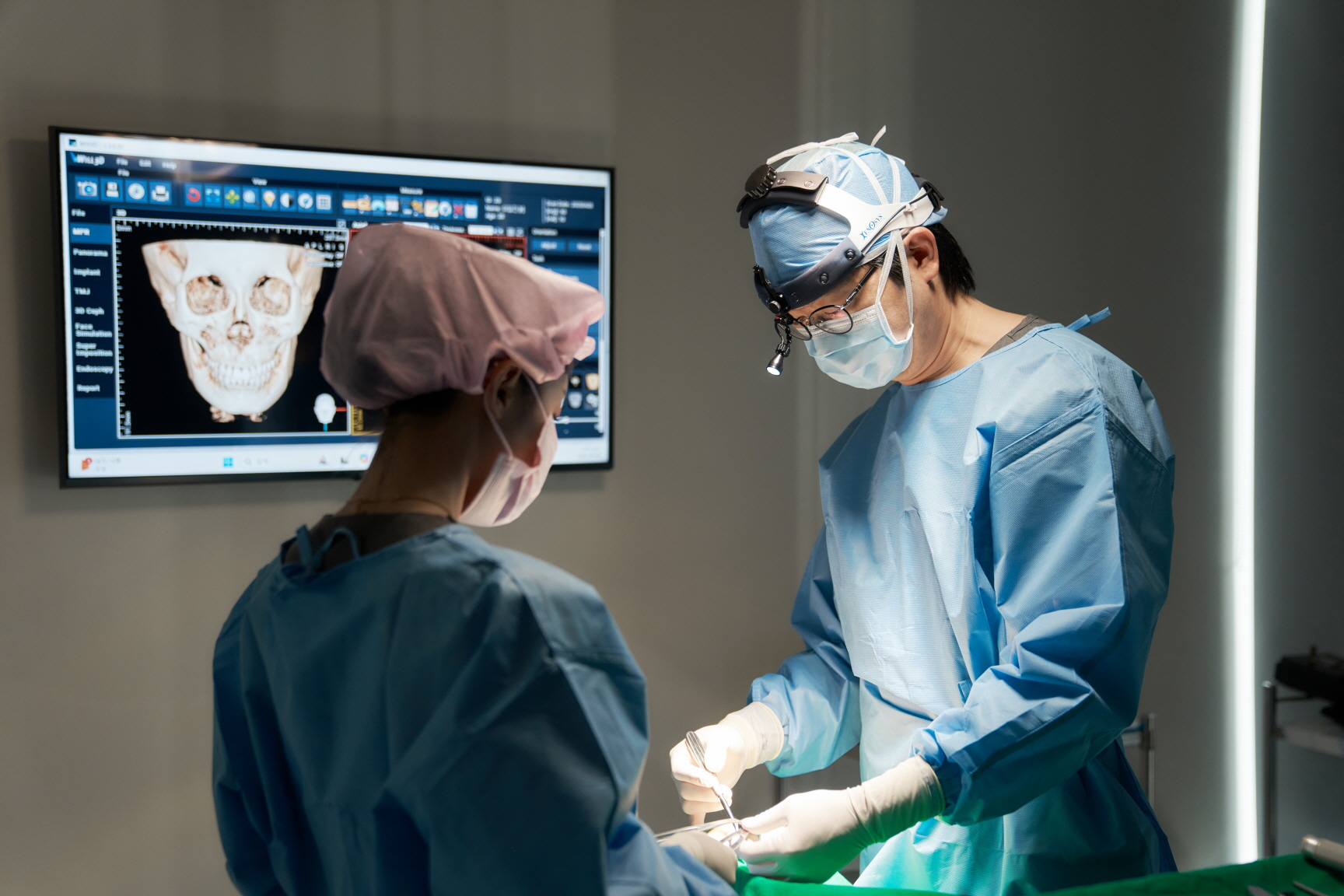
On the day of surgery, I checked in early in the morning. After changing into a gown, I met the anesthesiology specialist again. We reviewed my medical history, allergies, and previous experiences with anesthesia. The anesthesiology doctor explained the type of general anesthesia, how my breathing and vital signs would be monitored, and how pain and nausea would be managed after the operation.
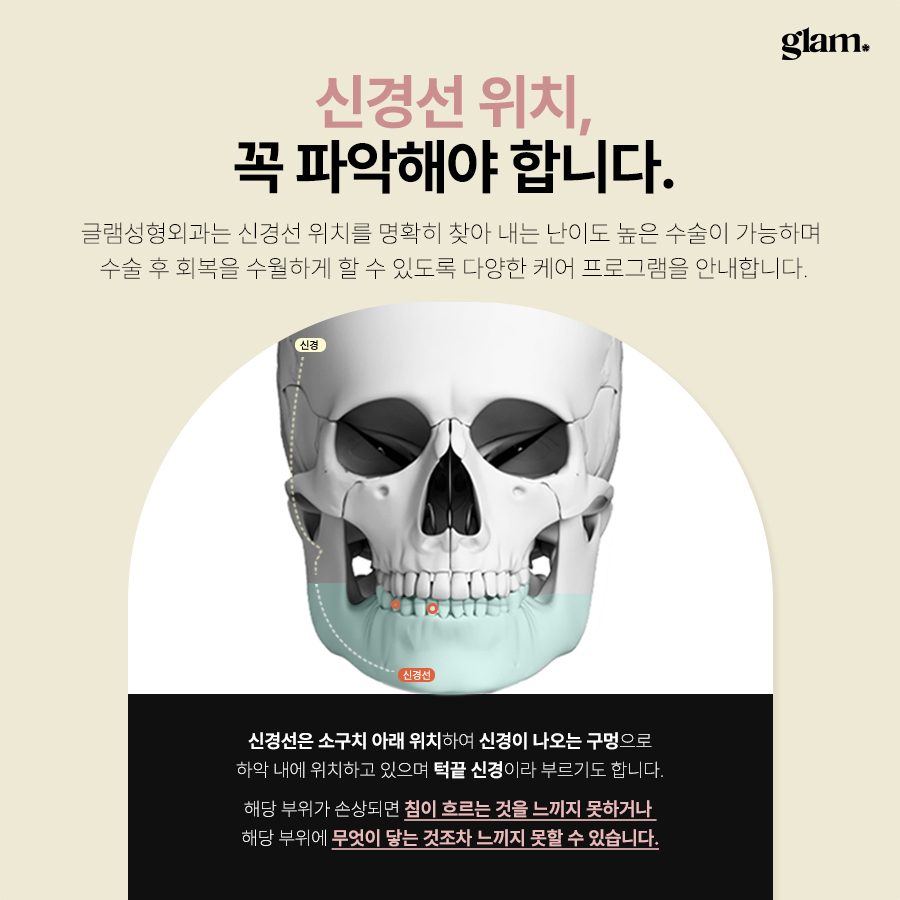
This conversation calmed me more than I expected. Knowing that one doctor would be focused entirely on my anesthesia and safety, while the lead surgeon concentrated on the facial bones, made the whole process feel more controlled.
In the operating room, the team checked my identity and surgical plan several times. After the anesthesia started, I do not remember anything until I woke up in the recovery area. When I woke up, my face felt very swollen and heavy, and my mouth was limited by elastics, but I could still breathe through my nose.
The nursing staff monitored my oxygen, blood pressure, and general condition. The anesthesiology specialist checked on me as well, adjusting pain medication and anti-nausea treatment as needed. The first hours were not comfortable, but I did not feel sharp pain, more a strong sense of pressure and fullness.
Early recovery and swelling: day 1 to day 3
The first three days were the hardest, which matches many other double jaw surgery recovery stories. Swelling increased and reached a peak around day 2 or 3. Speaking was difficult, and I communicated mostly with short words or gestures.
My diet was strictly liquid. I was instructed how to clean my mouth gently and how to keep my head elevated to help with swelling. The clinic staff checked my breathing, bleeding, and pain regularly. Pain felt like a deep ache rather than stabbing pain, and it was manageable with the prescribed medication.
I was also taught how to move my lips slightly and perform very gentle jaw exercises within the safe range. These early movements were important to prevent stiffness later, but they had to be done carefully according to the surgeon’s instructions.
Week 1 to 2: first follow-up and swelling care
During the first and second weeks, the swelling slowly began to move downward and soften, even though my face still looked round and puffy. Around the first week, I had a follow-up visit. Some external dressings were removed, and the surgeon checked the stability of the bite and the healing of the incisions inside the mouth.

At this stage, the clinic started more active post-operative care. I received LED therapy sessions aimed at supporting skin recovery and reducing bruising. The facial dome treatments created a gentle warmth and light pressure that felt soothing on the swollen areas.
There was also a skin reset program that focused on cleansing and calming the skin, which can become sensitive after such a major procedure. Radiofrequency lifting devices were introduced later in a mild setting to help with lymphatic circulation and skin tightening as the swelling decreased. These treatments did not change the bone result, but they made the recovery period more manageable and helped my face look less puffy in the transition phase.
Chewing was still limited to very soft or liquid foods. I had to be careful with oral hygiene, using the recommended rinses and a small brush to keep the area clean without irritating the incisions.
One to three months: seeing the new facial line
Between one and three months after surgery, the changes became more visible. The major swelling went down, and my jawline and chin started to show their new shape. I could chew soft foods more comfortably, and my bite felt more stable.
From the front, my face looked less long and more balanced. From the side, the protruding mouth was reduced, and the chin was better aligned with the rest of the face. The area around the nose also settled. Thanks to the suturing technique to support the nasal base, I did not feel that my nose had become noticeably wider, which had been one of my big fears.
During this period, I continued with periodic LED therapy and gentle radiofrequency sessions as recommended. These were spaced out and adjusted according to how my swelling and skin responded. The focus was always on safe, gradual recovery rather than aggressive treatment.
Six months and beyond: long-term changes
By around six months, my face looked close to its long-term shape. Some minor swelling and stiffness remained, especially in the mornings, but the overall contour was stable. My bite felt natural, and I could eat a wider range of foods without the old discomfort.
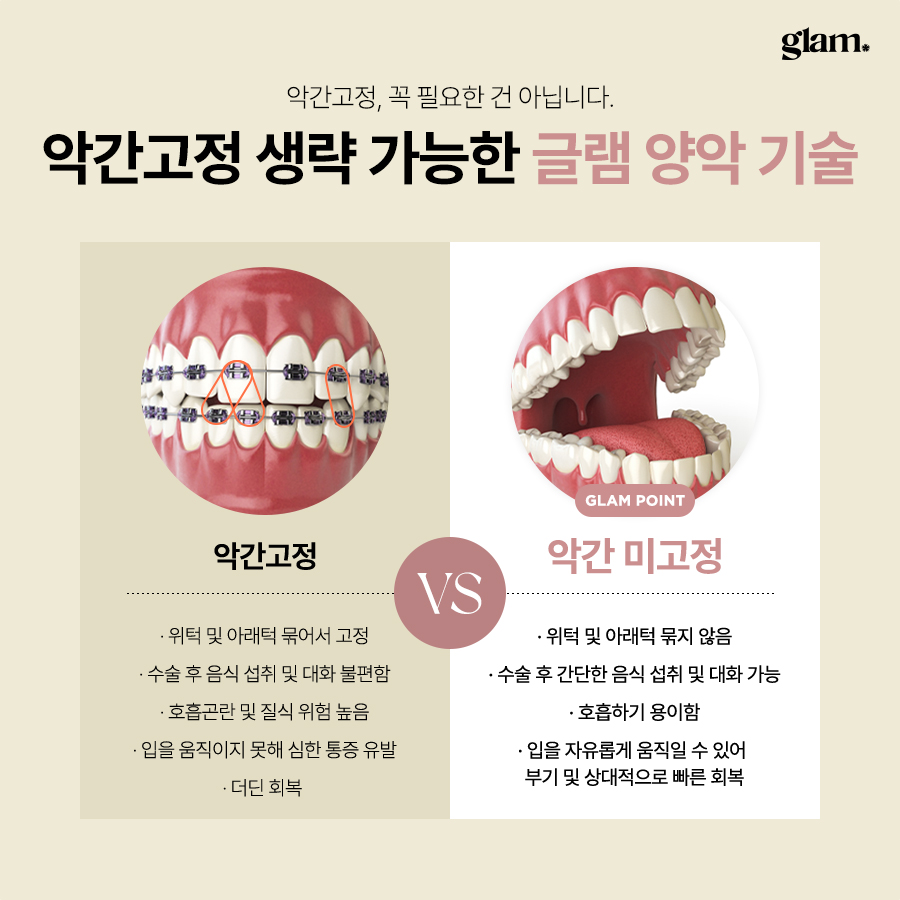
Functionally, chewing was easier and more efficient. I no longer felt that one side was doing all the work, and my jaw joints felt less strained. Aesthetically, my profile was softer, and the lower face looked less heavy. The facial asymmetry that had bothered me before was reduced.
Emotionally, the change was gradual but meaningful. I felt more comfortable in photos and less focused on hiding my side profile. Social interactions felt easier because I was not constantly thinking about how my jaw looked when I talked or laughed.
At the same time, I want to be honest that some minor numbness and stiffness can persist for a long time after double jaw surgery. Nerves need time to recover, and the final feeling and movement can take many months to settle. This is normal and something the clinic had explained clearly from the beginning.
Honest pros and cons from my experience
From my own double jaw surgery experience at a facial bone–specialized clinic near Sinsa Station, these are the main advantages I noticed:
The clinic focuses only on facial bone surgery, mainly double jaw and facial contouring, so all of their systems and staff routines are centered on this type of procedure.
This gave me confidence in the planning and medical logic.
A dedicated anesthesiology specialist handled anesthesia and pain control, which felt reassuring for such a long operation.
The surgeon’s recommendations were conservative. There was no pressure to add unnecessary procedures, and the plan was kept to what was medically and aesthetically reasonable.
The structured post-op care program, including LED therapy, facial dome treatments, skin reset care, and radiofrequency devices, helped me get through the swelling and recovery phase more comfortably.
At the same time, there are important cautions:
Double jaw surgery is still major surgery. There is significant swelling, downtime, and lifestyle restriction, especially in the first weeks.
Not everyone can avoid intermaxillary fixation or reduce orthodontic treatment. This depends entirely on individual skeletal and dental conditions, and needs to be discussed honestly with the surgeon.
Recovery requires patience. Final results are not immediate, and it can take many months before the face feels and looks natural.
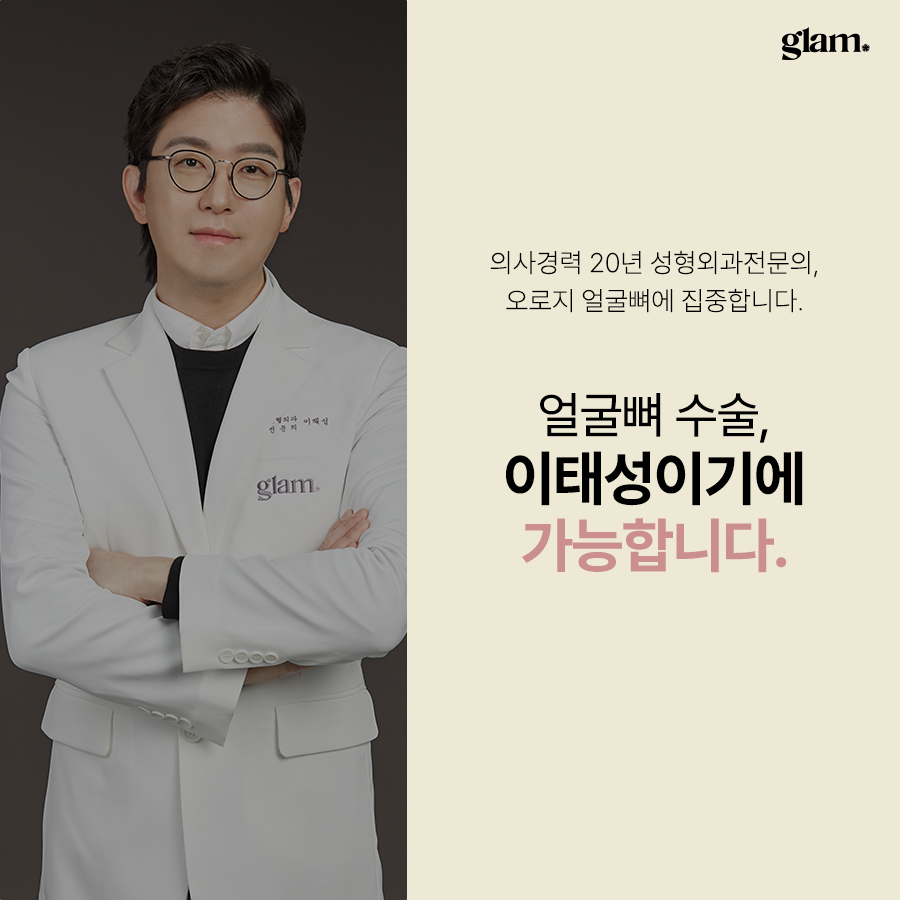
Online consultation and pre-visit preparation for overseas patients
If you are considering coming to Korea for double jaw surgery or revision double jaw surgery, it is helpful to start with an online consultation. Most facial bone–focused clinics in Gangnam, including the one I visited, offer online evaluations where you can send photos, imaging, and a description of your symptoms.
To prepare, you may want to gather these items:
Front and side facial photos in neutral expression, taken in good lighting
Any previous X-rays or 3D scans related to your jaw or facial bones
A short summary of your main concerns, both functional and aesthetic
Information about any previous surgeries on the face or jaw, especially if you are considering revision double jaw surgery
Your medical history, including medications, allergies, and any chronic conditions
During the online consultation, ask about the likely need for intermaxillary fixation, possible interaction with orthodontic treatment, and the expected length of stay in Korea. It is also useful to ask how many days after surgery the main follow-up visits take place, and how the clinic supports overseas patients once they return home.
Expected Korea visit timeline
Every case is different, but a common timeline for overseas patients considering double jaw surgery in Korea may look like this:
First 2 to 3 days: In-person consultation, updated imaging, final planning, and pre-operative tests. This is when you confirm the surgical plan, sign consent forms, and meet the anesthesiology specialist.
Surgery day: Hospitalization for the operation and immediate recovery.
First week after surgery: Close monitoring, pain and swelling management, and the first follow-up visit. You may start LED therapy or gentle swelling care during this period.
Second to third week: Additional follow-ups, removal or adjustment of elastics, and continued post-op care sessions such as facial dome treatments and skin reset programs. Many overseas patients plan to stay in Korea at least two to three weeks after surgery for safety and convenience.
After return home: Online follow-up with the clinic using photos and, if possible, X-rays taken in your home country. Long-term care such as orthodontic treatment, if needed, is usually managed locally.
This is only a general outline. The exact schedule depends on your condition, the complexity of the surgery, and your travel limitations. It is important to discuss this in detail with the clinic before booking flights.
Aftercare and long-term management
After double jaw surgery, aftercare is not just about swelling. It includes wound care, oral hygiene, functional exercises, and skin recovery.
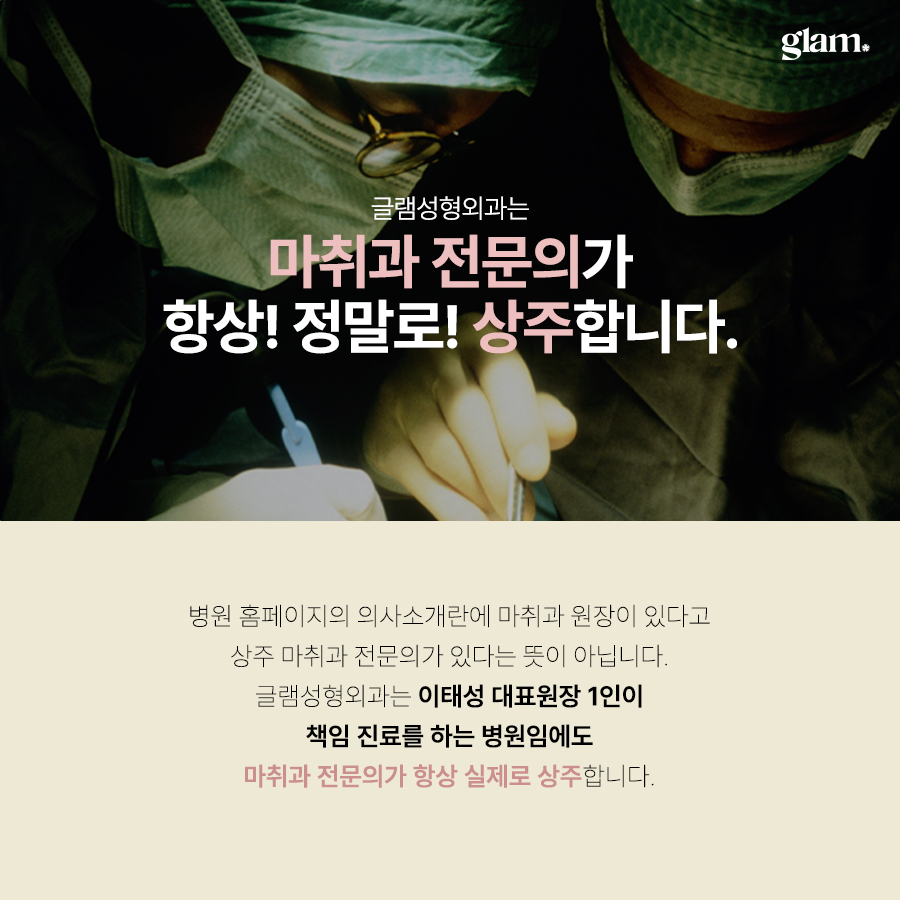
The clinic I visited placed strong emphasis on gradual jaw movement exercises to restore function safely. They also provided detailed instructions on how to clean the mouth and incisions, what foods to eat at each stage, and how to sleep to minimize swelling.
The LED therapy, facial dome treatments, skin reset programs, and radiofrequency lifting devices were scheduled according to the healing stage. Early on, the focus was on calming and reducing bruising. Later, the focus shifted to helping the skin adapt to the new facial volume and improving circulation.
Long-term, it is important to keep regular follow-up appointments, either in person or online, to check bite stability and jaw joint comfort. If orthodontic treatment is part of your plan, coordination between the surgeon and your local clinic is helpful.
Frequently asked questions about double jaw surgery
Is double jaw surgery very painful?
Most people describe the early days after double jaw surgery as uncomfortable rather than unbearable. Pain is usually managed with medication prescribed by the surgeon and monitored by the anesthesiology specialist during the hospital stay. The main issues are swelling, tightness, and difficulty eating, especially in the first week. Pain perception varies by individual, so it is important to discuss your concerns with the medical team.
How long does double jaw surgery recovery really take?
Initial recovery, where you can move around and manage daily activities, usually takes a few weeks. Major swelling often improves significantly within one to three months. However, subtle swelling, stiffness, and numbness can take many months to fully settle. Many people feel that their face looks close to final around six months to one year after surgery, but this can differ from person to person.
Can double jaw surgery be done without wiring the jaws shut?
In some cases, surgeons can minimize rigid intermaxillary fixation and use elastics instead, depending on the stability of the bone movements and the bite. However, this is not possible for everyone. The decision depends on your specific skeletal pattern, the amount and direction of movement, and the need for stability while the bones heal. It is important to have a detailed explanation from your surgeon about what is planned in your case.

Will I still need orthodontic treatment after double jaw surgery?
Some patients may be able to reduce the amount of orthodontic treatment before or after surgery, especially if the main problem is skeletal rather than dental. However, double jaw surgery does not automatically remove the need for orthodontic work. Many people still need it to fine-tune the alignment of the teeth. The surgeon and your local clinic can help you understand what is realistic for your situation.
Soft call to action for online consultation
As a personal patient testimonial, I found an online consultation a practical first step. Overseas patients can share photos and imaging with a facial bone–focused clinic to get a more personalized explanation of treatment options, expected recovery, and visit schedules. Before booking, independently verify clinic specialization, surgeon credentials, anesthesiology staffing, and post-operative care arrangements.
Every face and jaw is different, and no review can replace a direct medical evaluation. However, understanding the process from consultation to long-term recovery can help you ask better questions and feel more prepared. If you are ready to explore this further, consider contacting a clinic that specializes in facial bone surgery, has an experienced lead surgeon with a solid academic background, and offers dedicated anesthesiology support and structured post-op care. This combination can make a complex journey like double jaw surgery safer, more logical, and more manageable over the months of recovery that follow.






댓글
댓글 쓰기