Double jaw surgery pain and recovery: what international patients should know in Gangnam, Seoul
- 공유 링크 만들기
- X
- 이메일
- 기타 앱

Double jaw surgery pain in one glance
With modern general anesthesia, a structured pain‑control plan, and careful aftercare, the most intense discomfort often lasts only a few days and then gradually settles.
This guide is for international patients considering double jaw surgery in Korea, particularly those visiting the Sinsa Station area of Gangnam, Seoul. It outlines the types of pain you may experience, typical recovery timelines, and how a face‑bone–focused clinic and its care team can support you through recovery.
What is double jaw surgery and why is there pain
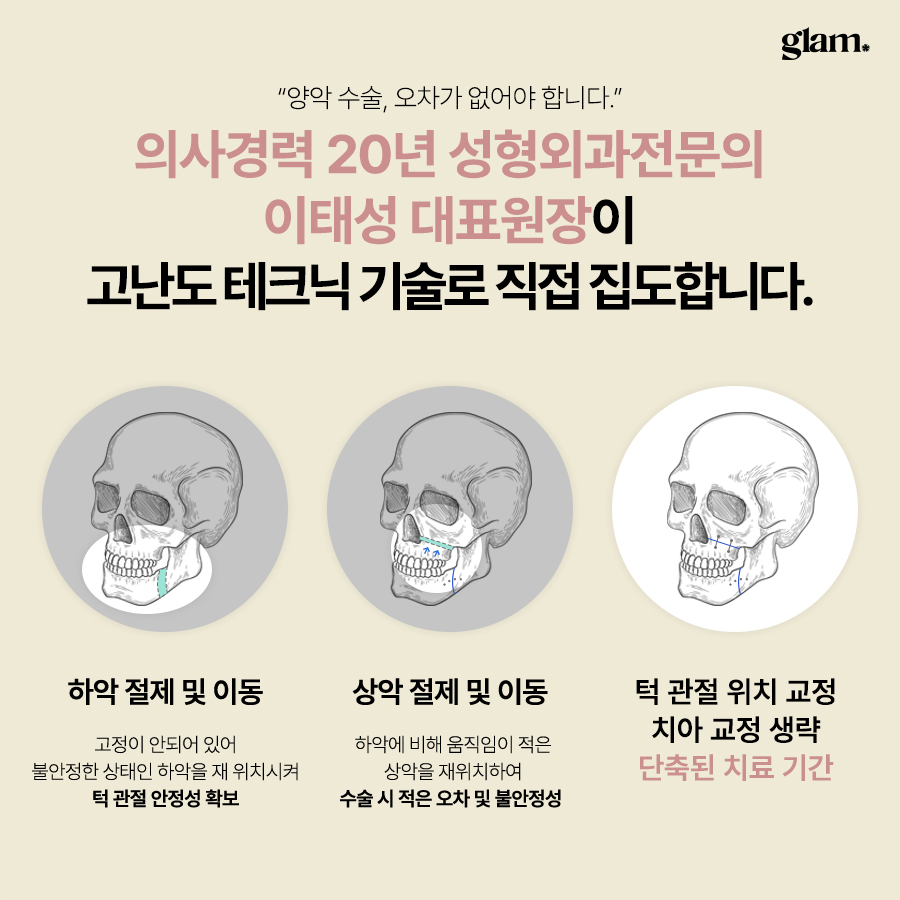
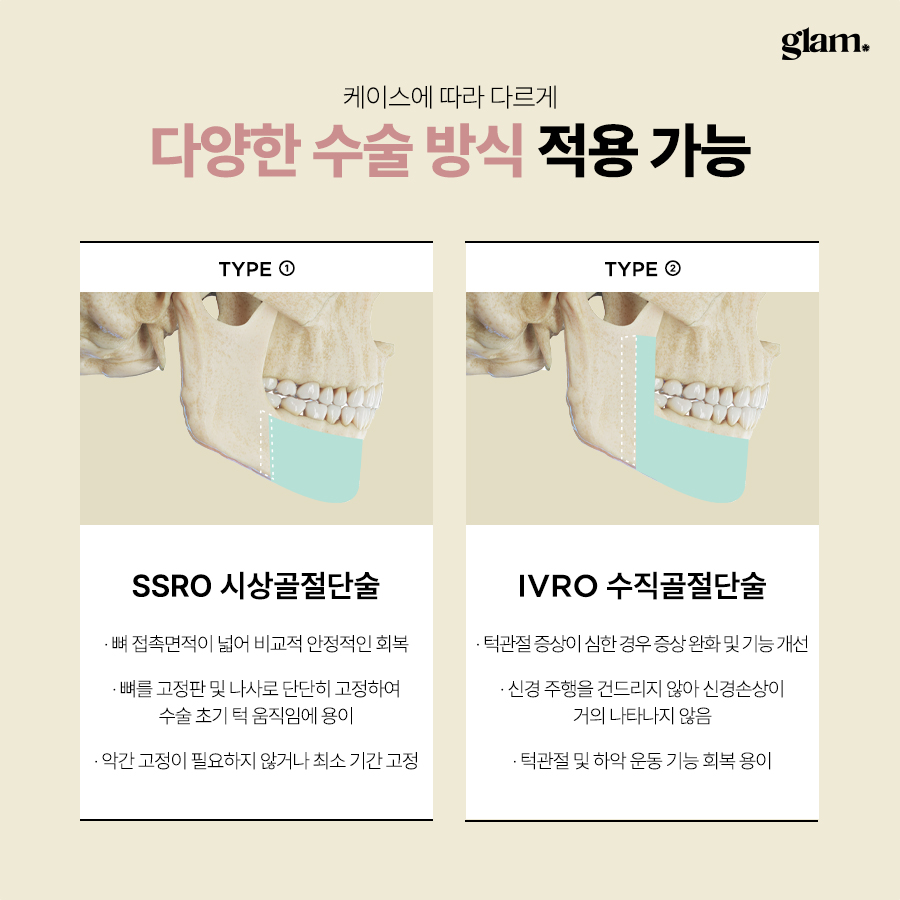
Double jaw surgery, also called orthognathic surgery, repositions both the upper and lower jaw bones to improve bite function, airway space, and facial balance. The surgeon cuts and moves the jaw bones, then fixes them in a new position with plates and screws.
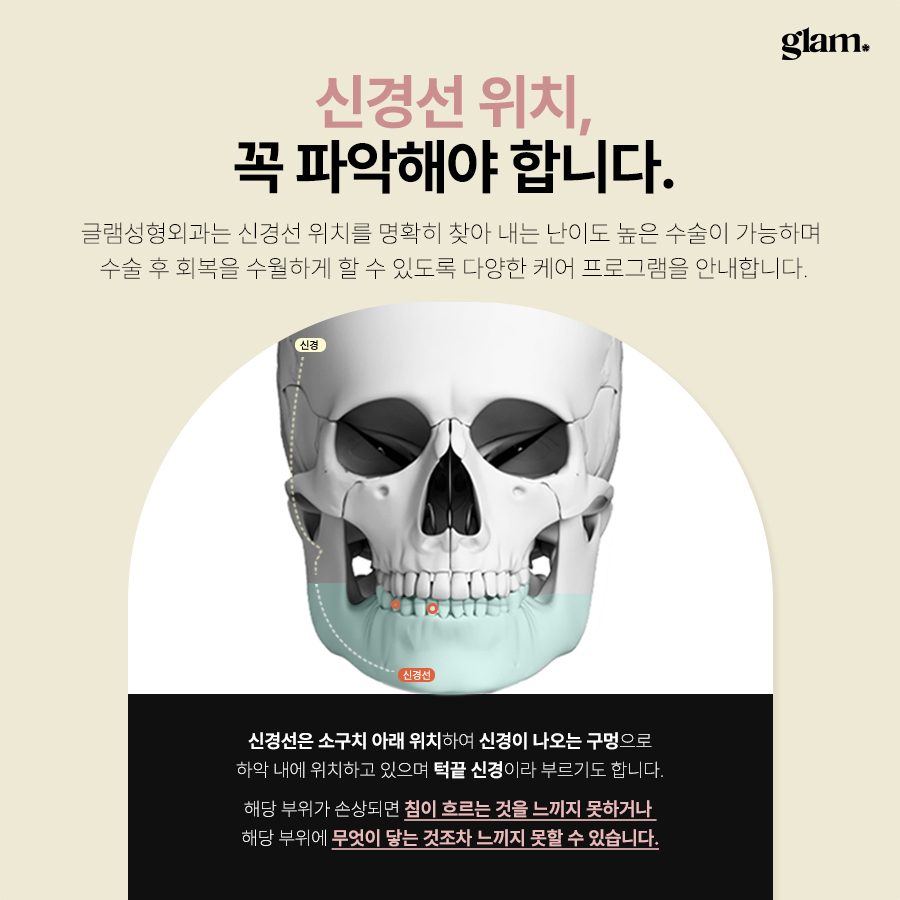
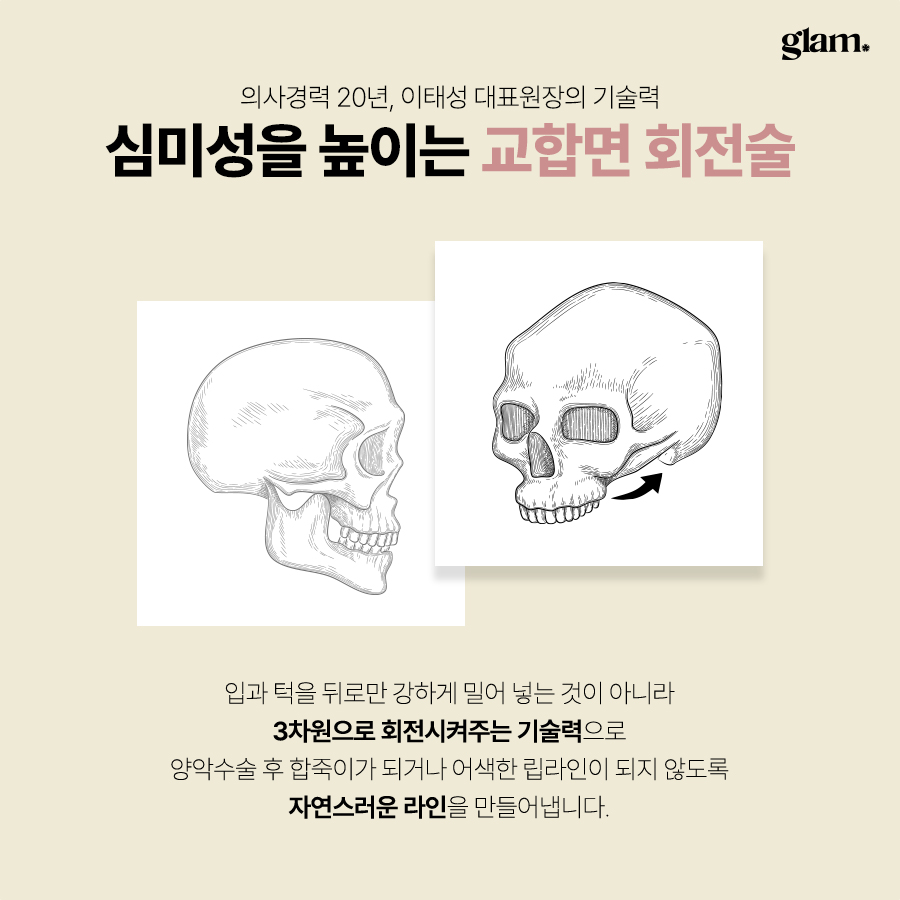
Because bone and surrounding tissues are cut and repositioned, your body responds with swelling and inflammation. This creates pain, pressure, and tightness. At the same time, some of the nerves that give feeling to the lips, chin, and cheeks are stretched or temporarily disturbed, which can cause numbness or tingling.
Instead, they remember the swelling, difficulty speaking, nasal congestion, and the frustration of limited eating and mouth movement. Your individual experience will depend on the surgical method, fixation method, operation time, your own pain sensitivity, and how systematically your medical team manages pain.
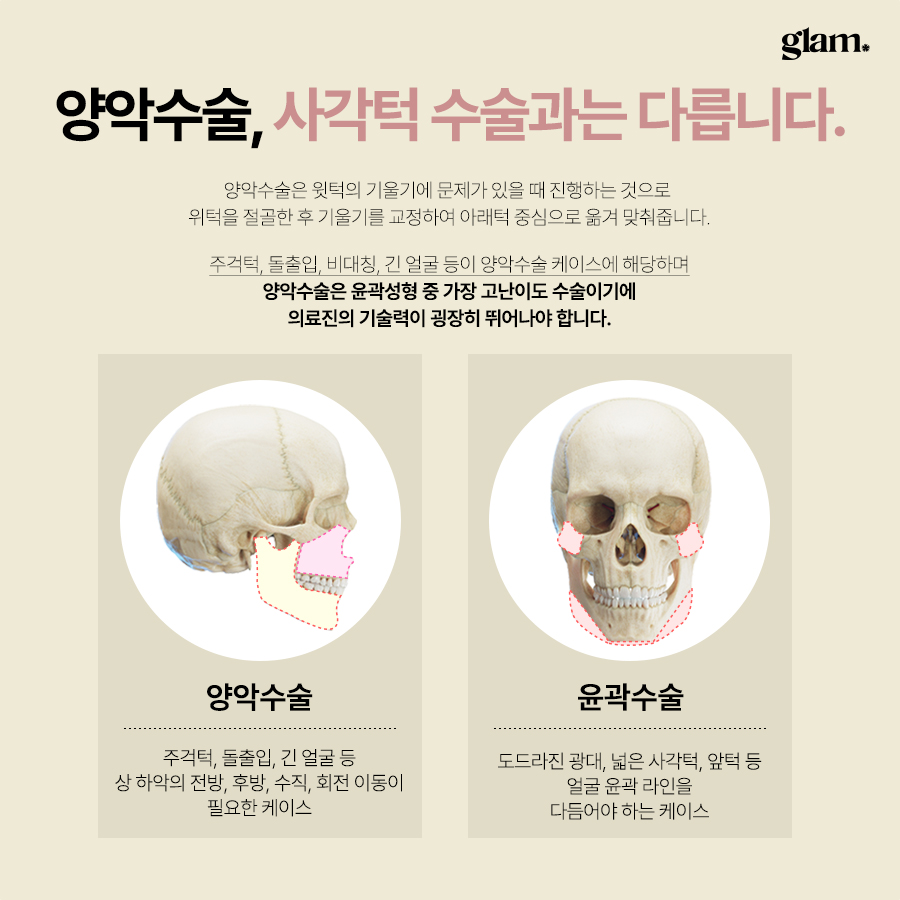
Phases of pain after double jaw surgery
Immediately after surgery: 0 to 24 hours
During the operation you are under general anesthesia, so you do not feel any pain.
When you first wake up in the recovery room, your face will feel heavy and tight. Many patients describe a dull, deep ache around the jaw and cheeks, plus strong pressure from swelling. You may also feel groggy, cold, or slightly nauseated from anesthesia.
In this phase, pain is usually controlled with intravenous pain medications. Nurses and doctors regularly ask about your pain level and can adjust the dose or type of medication if you are too uncomfortable. The goal is not to remove every sensation, but to keep pain at a level where you can rest and breathe comfortably.
Early recovery: days 1 to 7
During the first week, pain gradually changes from heavy, deep pressure to more localized aching and throbbing.
You may notice:
- Aching or throbbing around the upper and lower jaw and cheeks
- Pressure or discomfort around the nose and midface as swelling peaks
- A sore throat from the breathing tube used during anesthesia
- Tightness when trying to open your mouth or move your lips
- Discomfort when swallowing, especially if there are tight elastics or limited jaw movement
- Headache-like pressure from facial swelling and congestion
Most patients can move from IV pain medication to oral painkillers within the first couple of days. Pain is usually well controlled when medications are taken on schedule as instructed.
Subacute phase: weeks 2 to 6
From the second week onward, sharp pain usually decreases significantly. Many patients describe this period more as stiffness, pulling, and occasional twinges rather than true pain.
Common sensations include:
- Mild soreness when moving the jaw or trying to chew soft foods
- A pulling or stretching feeling in the cheeks and around the surgical sites
- Sensitivity in the teeth or gums when they touch or when you drink hot or cold liquids
- Numbness or tingling (pins-and-needles) around the lips, chin, or cheeks
Numbness and tingling are nerve-related symptoms. They are usually not painful but can feel strange and worrying. It helps to remember that nerve recovery is slow and can take several months.
Pain, swelling, and numbness: how to tell them apart
Pain is an unpleasant, often aching or throbbing sensation that usually improves with pain medication.
Swelling feels like tightness, fullness, or pressure in the face. It can make the skin feel stretched and heavy, especially when you bend forward or lie flat.
Numbness is a loss or change of sensation. The skin may feel thick, rubbery, or like it belongs to someone else. Tingling or electric-like feelings can appear as nerves wake up.
Understanding these differences can reduce anxiety. For example, strong swelling and numbness can feel alarming but are not signs that the surgery has failed. Your team will monitor you to distinguish normal healing from warning signs.
What influences how much double jaw surgery hurts
Surgical technique
The way the bones are cut, moved, and fixed affects how much surrounding tissue is disturbed. Precise cutting, careful handling of soft tissue, and methods that reduce unnecessary bleeding can help limit postoperative pain and swelling.
Fixation method
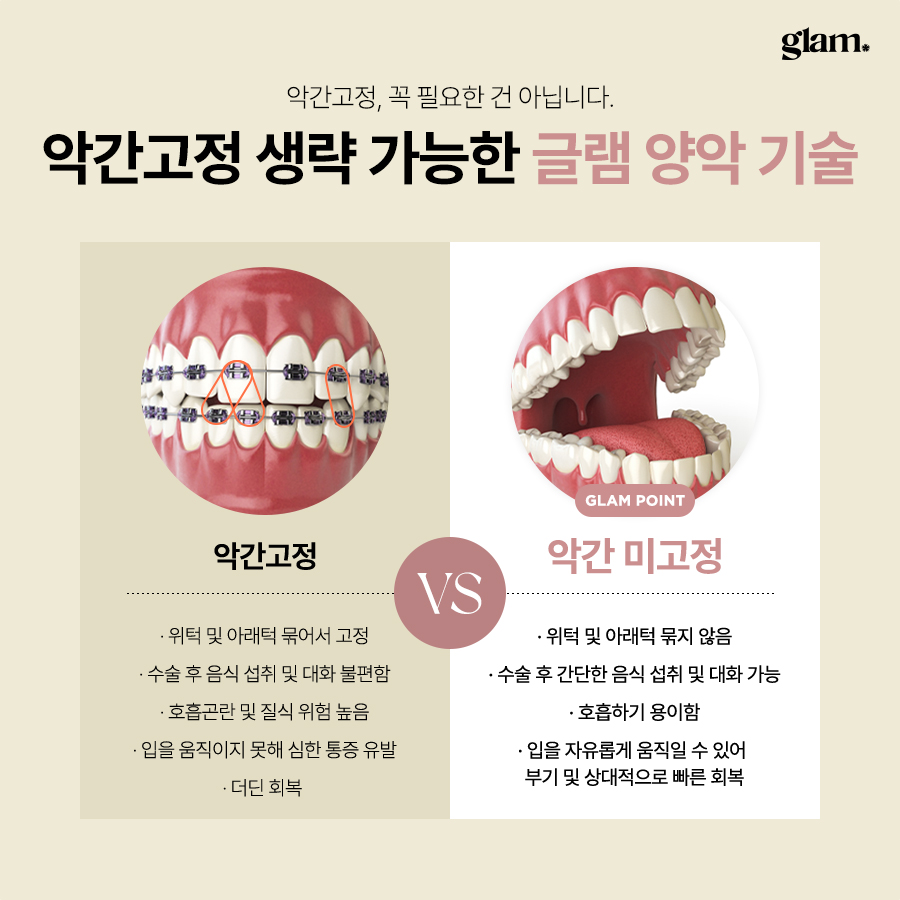
Traditionally, some patients have their upper and lower jaws held together with wires or very tight elastics after surgery. This is called intermaxillary fixation. It can make speaking, coughing, and oral hygiene more challenging, and some people feel anxious about breathing or vomiting.
In selected cases, it may be possible to perform double jaw surgery without rigid jaw fixation, using plates and screws for stability and lighter elastics for guidance. When appropriate, this approach can reduce some aspects of discomfort and anxiety, especially for patients who are nervous about being wired shut. Whether this is suitable depends on your bone quality, bite pattern, and planned movements.
Operation time and extent of correction
Longer operations and larger jaw movements generally produce more swelling and a longer recovery. If double jaw surgery is combined with other facial bone procedures, such as facial contouring, the overall burden on the body increases.
Individual factors
Everyone’s pain threshold is different. General health, sleep quality, stress level, smoking, and alcohol use all affect healing. Following aftercare instructions closely, especially regarding medication timing, oral hygiene, and activity level, can make a noticeable difference in comfort.
Pain control during and immediately after surgery
Role of the anesthesiologist
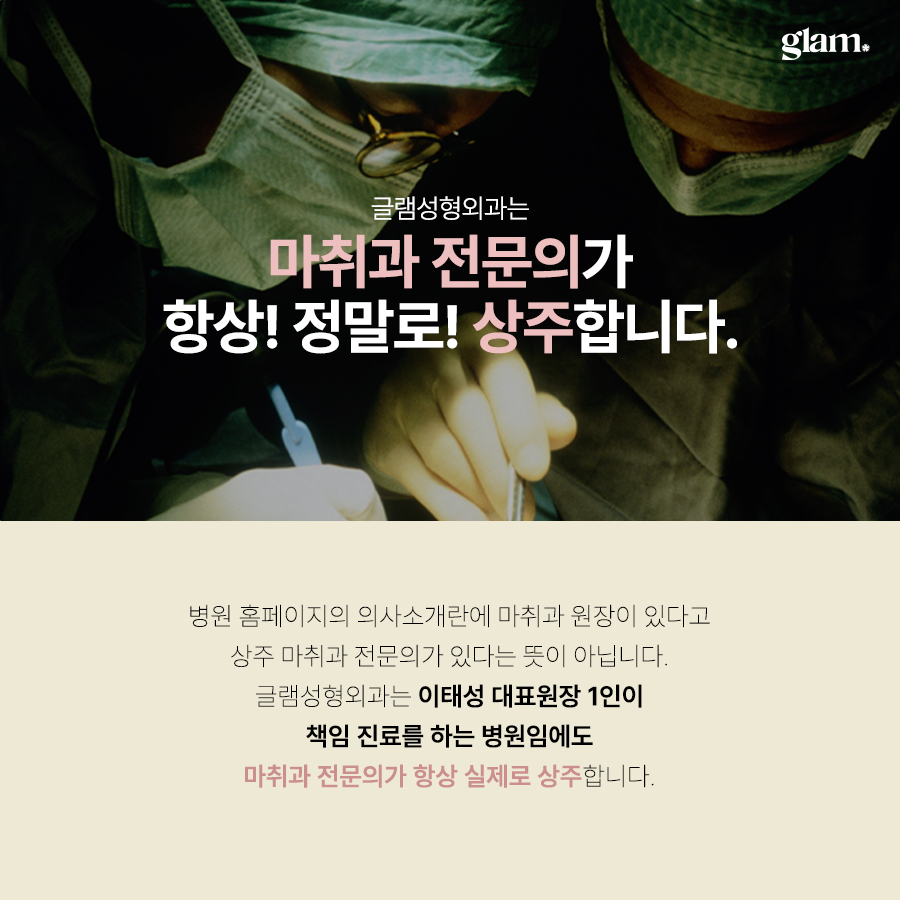
For long and complex bone surgeries, a dedicated board-certified anesthesiologist plays a central role in both safety and comfort. This specialist plans your anesthesia and pain control strategy from before the first incision until you are fully awake.
During surgery, the anesthesiologist:
- Monitors vital signs continuously
- Adjusts the depth of anesthesia so you remain fully asleep
- Administers pain-relieving medications during the operation
- Manages fluids, blood pressure, and body temperature
Intraoperative pain management
In addition to general anesthesia, surgeons often inject local anesthetic around the surgical area. This can reduce the intensity of pain in the first hours after you wake up. Some protocols also include long-acting pain medications given during the operation so that pain is already controlled when you open your eyes.
Immediate postoperative period
After surgery, you stay in a recovery area where nurses and doctors watch your breathing, oxygen level, blood pressure, and consciousness. Pain is treated with IV medications at first, then gradually shifted to oral tablets or syrups as you begin to drink.
If you report higher pain, the team can:
- Increase the dose within safe limits
- Change to a different class of pain medication
- Add anti-nausea drugs if painkillers cause stomach upset
They also monitor for dizziness, nausea, or breathing discomfort, especially if your nose is congested from swelling.
What the first week actually feels like
Day 0 to 1
Right after surgery, expect heavy facial pressure and difficulty speaking clearly. Your throat may be sore, and your lips can feel dry or cracked. You will likely feel drowsy and want to sleep.
Breathing is usually through the nose and mouth together, but nasal congestion from swelling may make it feel stuffy. The team will show you how to keep your airway comfortable and how to signal if you need suction or help.
Days 2 to 3
Swelling typically peaks around day 2 or 3. Your face may look very puffy, and the skin can feel tight. Pain is usually controlled with oral painkillers by this stage, but pressure and congestion can be annoying.
Many patients feel frustrated during this period because they cannot eat normally and may have trouble sleeping. Gentle reassurance, consistent medication, and simple routines such as short walks and head elevation are important.
Days 4 to 7
By the end of the first week, pain usually decreases, but stiffness and tightness become more noticeable. You may feel pulling around the cheeks and jaw when you try to move your lips or attempt small mouth openings.
Bruising may appear and then start to fade. Swelling begins to go down slowly, though your face will still look different from normal.
Eating and drinking in the first week
Most patients start with a liquid or very soft diet. Depending on your fixation method, you may need to take all nutrition through a syringe, cup, or straw-like device. Swallowing can be uncomfortable at first, especially if your throat is sore.
Tips that often help include:
- Taking small sips instead of large gulps
- Using slightly cooled liquids rather than very hot drinks
- Following your surgeon’s instructions on diet progression
- Keeping your head elevated while drinking to reduce pressure
Sleep and daily activities
Sleeping with your head elevated on extra pillows or in a reclining position helps reduce swelling and pressure. Lying flat usually makes your face feel more congested.
Short, gentle walks around the ward or your accommodation support circulation, reduce the risk of blood clots, and can improve mood. Avoid strenuous exercise, heavy lifting, or bending over until your surgeon clears you.
Medium- to long-term discomfort and nerve symptoms
Weeks 2 to 6
During this period, most patients can manage with minimal or no pain medication. You may still feel:
- Mild soreness when chewing soft foods or yawning
- Tightness when trying to open wider
- Occasional sharp twinges around the plates or screws when you move suddenly
These sensations are usually part of normal healing as tissues settle and nerves begin to recover.
Nerve-related symptoms
Numbness or tingling around the lips, chin, or cheeks is very common after double jaw surgery. It happens because nerves that run through the jaw are stretched or temporarily disturbed during bone cuts and repositioning.
Typical patterns include:
- Immediate numbness after surgery
- Gradual return of partial feeling over weeks to months
- Intermittent tingling or electric-like sensations as nerves heal
Most patients see steady improvement over several months, but the exact timeline varies. Your surgeon will explain your individual risk and monitor changes during follow-up visits.
When pain is a warning sign
While some discomfort is normal, certain patterns of pain require urgent attention. Contact the clinic promptly if you notice:
- Persistent or worsening sharp pain on one side only
- Pain that suddenly increases after a period of improvement
- Fever, foul odor, or unusual discharge from the incision or mouth
- Severe headache, vision changes, or difficulty breathing
These could indicate infection, sinus issues, or other complications that need medical assessment.
Strategies to reduce pain and swelling
Medical strategies
A structured pain control plan often works better than taking medication only when the pain becomes severe. Many clinics use a schedule that starts with IV medications, then transitions to oral painkillers and anti-inflammatory drugs.
In some cases, medications that reduce swelling or protect the stomach are also prescribed. Always follow the exact instructions given, and inform your team about any allergies or previous reactions to pain medications.
Physical and lifestyle strategies
In addition to medication, simple physical measures can make a big difference:
- Cold compresses around the cheeks and jaw in the first days, used exactly as instructed
- Keeping your head elevated, especially during sleep
- Gentle walking several times a day
- Avoiding hot baths, saunas, and intense exercise until cleared
It is very important not to smoke and not to drink alcohol during the healing period. Both slow down recovery and can increase the risk of infection and poor bone healing.
Postoperative care programs
Some face-bone–focused clinics offer non-invasive therapies after surgery to support recovery. These may include:
LED therapy to support skin condition and circulation
Facial dome treatments to help with congestion and swelling
Skin reset or radiofrequency lifting programs to improve skin tone as swelling subsides
These treatments are supportive options, not replacements for proper surgery, medication, and follow-up. Your surgeon will advise if and when such programs are appropriate for you.
How a face-bone–focused clinic in Gangnam approaches pain
Specialization in facial bone procedures
A clinic that focuses on facial bone procedures such as double jaw surgery and facial contouring can refine its techniques and aftercare protocols specifically for these patients. This narrow focus allows the team to build detailed experience in managing swelling, nerve symptoms, and functional recovery.
Experienced surgeon
That clinical experience supports an evidence‑based approach to planning and performing operations.
Dedicated anesthesiologist
Ideally, long bone surgeries are managed by a dedicated, board‑certified anesthesiologist with training in anesthesia and perioperative pain management. This specialist focuses on patient safety and comfort during anesthesia and the immediate postoperative period, tailoring the plan to individual health status and anxiety levels.
Surgical philosophy
In a face-bone–focused clinic, the operating surgeon performs the procedure personally rather than delegating key steps. The philosophy is to recommend only the minimum necessary surgery that meets your functional and aesthetic needs. Reducing unnecessary procedures can indirectly reduce surgical trauma, pain, and recovery time.
Technique-related comfort points
Depending on your case, the surgeon may discuss options such as:
Double jaw surgery without rigid jaw fixation when bone stability allows
Plans that do not require mandatory orthodontic treatment in selected situations
Suture techniques around the nose designed to reduce the risk of widening or flattening
These details are not only about appearance; they also influence comfort, breathing, and your emotional state during recovery.
Who may consider double jaw surgery
Double jaw surgery may be considered if you have:
A severe underbite or overbite that affects chewing and jaw joint health
A facial asymmetry where the lower face is noticeably shifted
Functional issues such as difficulty biting, chronic jaw strain, or airway problems
Because it is a major operation, it is not a first-line solution for mild cosmetic concerns. A thorough consultation, imaging, and bite analysis are needed to decide whether surgery is appropriate and how it should be planned.

Online consultation and pre-visit preparation
For overseas patients, the process usually begins with an online consultation. To make this efficient and accurate, prepare the following in advance:
- Clear front and side photos of your face in a natural position
- Information about your medical history, medications, and any previous facial procedures
- Details about your main concerns: function, appearance, or both
- Questions you want to ask about pain, swelling, and recovery
During online consultation, you can discuss:
- Expected pain course and how it will be managed
- Whether rigid jaw fixation is likely in your case
- Estimated length of stay in Korea
- Follow-up schedule and how to handle care once you return home
It is helpful to write down your questions beforehand, especially about pain tolerance, nerve risks, and when you can return to work or school.
Typical Korea visit timeline for double jaw surgery
While exact plans vary, a common structure for international patients is:
First 2 to 3 days: In-person consultation, 3D imaging, bite analysis, medical check-up, and final surgical planning.
Surgery day: Admission, operation under general anesthesia, and postoperative monitoring.
First week after surgery: Hospital stay or close outpatient follow-up for pain control, swelling management, and early wound care.
Second to third week: Continued follow-up visits for elastics adjustment, oral hygiene checks, and monitoring of swelling and nerve symptoms.
Most overseas patients stay in Korea for at least 2 to 3 weeks after double jaw surgery. Your surgeon will give a recommendation based on your case and travel distance.
Aftercare and returning home
Once you return home, you will still be in the healing phase. Important points include:
- Continuing the recommended diet progression
- Maintaining good oral hygiene within the limits set by your surgeon
- Avoiding trauma to the face and heavy exercise until cleared
- Monitoring for any warning signs such as increasing pain, fever, or unusual discharge
Your clinic should provide written instructions and, ideally, a way to contact them online if you have questions about pain or new symptoms.
Practical FAQs about double jaw surgery pain
How painful is double jaw surgery compared to wisdom tooth extraction
Many patients say that double jaw surgery feels different from a single tooth extraction. The pain is usually less sharp but more widespread, with much more swelling and tightness. Because you are under general anesthesia and have planned pain control, the experience is often described as intense pressure and discomfort rather than sudden, stabbing pain. However, it lasts longer and affects daily life more than a simple extraction.
How long does the worst pain last
The most intense discomfort is usually in the first 2 to 3 days, when swelling peaks. With proper medication, this period is generally manageable, though you may feel very tired and swollen. By the end of the first week, pain often decreases significantly, and stiffness becomes more noticeable than true pain. Mild soreness can continue for several weeks, especially with movement.
Can I avoid jaw wiring, and does that reduce discomfort
In some cases, it is possible to avoid rigid jaw wiring by using plates, screws, and lighter guiding elastics instead. This can make speaking, swallowing, and oral hygiene easier and may reduce anxiety. Whether this is suitable depends on your bone stability, bite pattern, and treatment goals. Your surgeon will explain the fixation plan during consultation and how it may affect your comfort.
How do you manage pain if I have a low pain tolerance
If you are especially sensitive to pain, inform the team during your online and in-person consultations. The anesthesiologist can plan stronger intraoperative pain control, and the surgeon can arrange a more proactive postoperative medication schedule. Non-medication strategies such as cold compresses, head elevation, and calm breathing techniques are also emphasized. Regular check-ins in the first days allow the team to adjust your plan if needed.
When can I return to work or school
This depends on your job and how visible swelling is acceptable in your environment. Many patients with desk-based work consider returning around 3 to 4 weeks after surgery, when swelling has decreased and pain is mild. Jobs that require heavy physical activity usually need a longer break. Your surgeon will give a personalized estimate based on your healing and travel schedule.
How long will numbness and strange sensations last
Numbness and tingling often begin to improve within a few weeks, but full nerve recovery can take several months. Some areas may recover faster than others. In many cases, sensation continues to refine up to a year after surgery. Your surgeon will monitor changes and explain what is typical for your specific nerve pattern.
What signs of pain or discomfort mean I should contact the clinic immediately
Contact the clinic promptly if you experience sudden worsening of pain after initial improvement, one-sided sharp pain with swelling, fever, foul odor, or unusual discharge from the surgical area. Also seek help for severe headache, vision changes, or difficulty breathing. These may signal complications that need quick evaluation.

Local context and access in Gangnam, Seoul
For international patients, location and clear communication are important. The face‑bone–focused clinic described here is in the Sinsa Station area of Gangnam, Seoul, and offers flexible scheduling to accommodate visitors who have limited time in Korea.
To help overseas visitors explain pain and symptoms accurately, This support can be especially reassuring when you need to describe subtle changes in pain, numbness, or breathing during recovery.
Soft call to action
If you are considering double jaw surgery and are worried about pain, an online consultation can help you understand what to expect in your specific case. You can share photos, medical history, and concerns, and receive a medically grounded explanation of the planned procedure, pain control strategy, and recovery timeline.
A structured plan, an experienced facial bone surgeon, and a dedicated anesthesiologist do not remove all discomfort, but they can make a major operation safer and more tolerable. Reaching out in advance allows you to prepare both physically and mentally for your treatment journey in Seoul.






댓글
댓글 쓰기