Double jaw surgery methods and modern options: techniques, fixation, and orthodontic strategies (양악수술방법)
- 공유 링크 만들기
- X
- 이메일
- 기타 앱

Direct answer summary
The exact surgical approach for your case depends on jaw shape, bite, airway, and lifestyle; a face-to-face consultation with imaging and bite analysis is essential.
What is double jaw surgery and who actually needs it?
Double jaw surgery, also called orthognathic surgery, is an operation that repositions both the upper and lower jaws. The main goal is to correct skeletal problems of the jaws and bite, not just to change the outer jawline shape.
Many people first hear about double jaw surgery through photos online and think of it only as a cosmetic procedure. In reality, it is major bone surgery that should first correct how the upper and lower jaws meet, how you chew, and how your airway and jaw joints work. Changes in facial appearance come together with these functional improvements.
Typical candidates include people with very protruded or retruded jaws, open bite where the front teeth do not meet, crossbite, or clear facial asymmetry where one side of the jaw is lower or more forward than the other. Some people have difficulty chewing properly, chronic jaw joint strain, or sleep-related breathing issues linked to jaw position.

It is important to understand the difference between double jaw surgery and simple facial contouring such as cheekbone or jaw angle shaving. Contouring usually changes the outer shape of the bone without changing how the upper and lower jaws meet. Double jaw surgery, on the other hand, moves the jaw bones themselves in three dimensions and changes the bite. Because of this, it must be planned with your bite, airway, and jaw joints as the top priority.
Core methods of double jaw surgery: how the bones are moved
In double jaw surgery, the upper jaw and lower jaw are each moved using specific techniques. These methods have been refined over many years to improve safety and stability.
For the upper jaw, surgeons commonly use a method called Le Fort I osteotomy. In simple terms, this means the upper jaw bone is carefully separated from the surrounding facial bones through incisions inside the mouth. The upper jaw can then be moved forward or backward, up or down, and rotated slightly to correct problems such as a long face, gummy smile, or open bite. By adjusting the upper jaw, surgeons can control how much tooth and gum show when you smile and how the midface looks from the side.
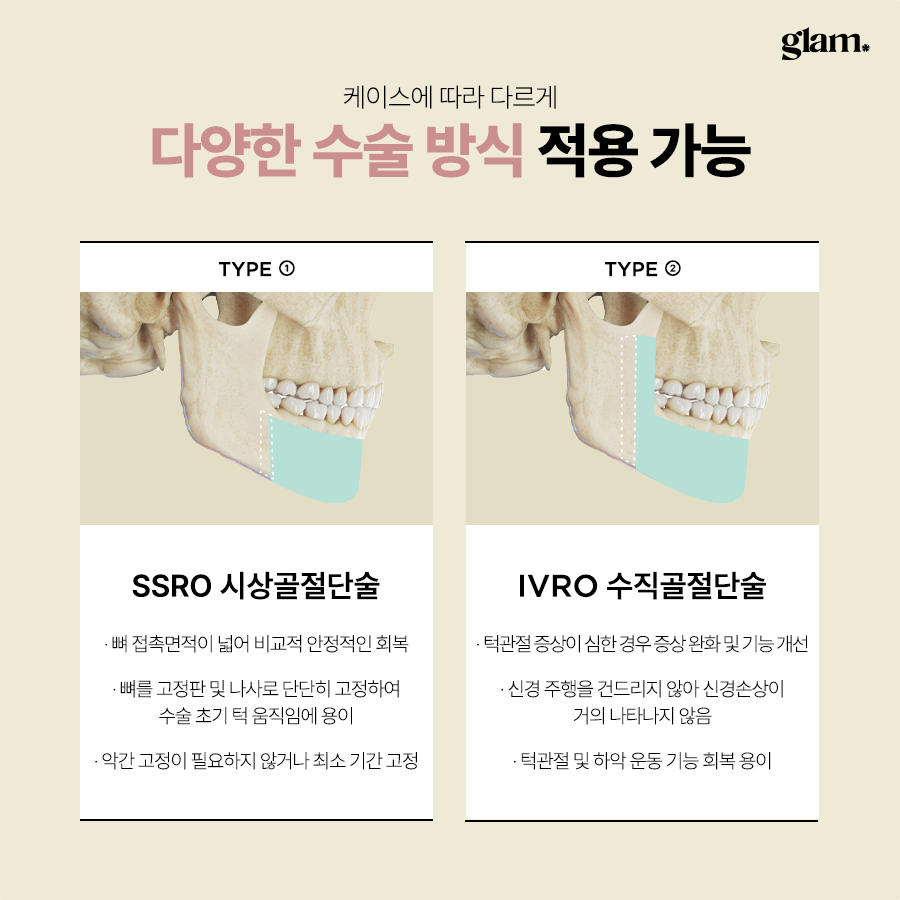
For the lower jaw, a widely used technique is the sagittal split ramus osteotomy, often shortened to SSRO. In this method, the back part of the lower jaw is split in a controlled way so that the front part carrying the teeth can slide forward or backward. This allows the lower jaw to be repositioned while keeping a broad contact area between bone segments, which helps stability.
Another method, called intraoral vertical ramus osteotomy (IVRO), can also move the lower jaw backward. It is used in more selected cases, for example in some patients with jaw joint issues, because it allows the joint to adapt in a slightly different way. However, it may require more intermaxillary fixation time than SSRO in some situations.
In most modern double jaw surgeries, both jaws are moved together in a planned three-dimensional relationship. The aim is to create a stable bite, improve facial balance from the front and side, and support a healthy airway. The exact direction and distance of movement, and whether to rotate the chewing plane, are customized for each person.
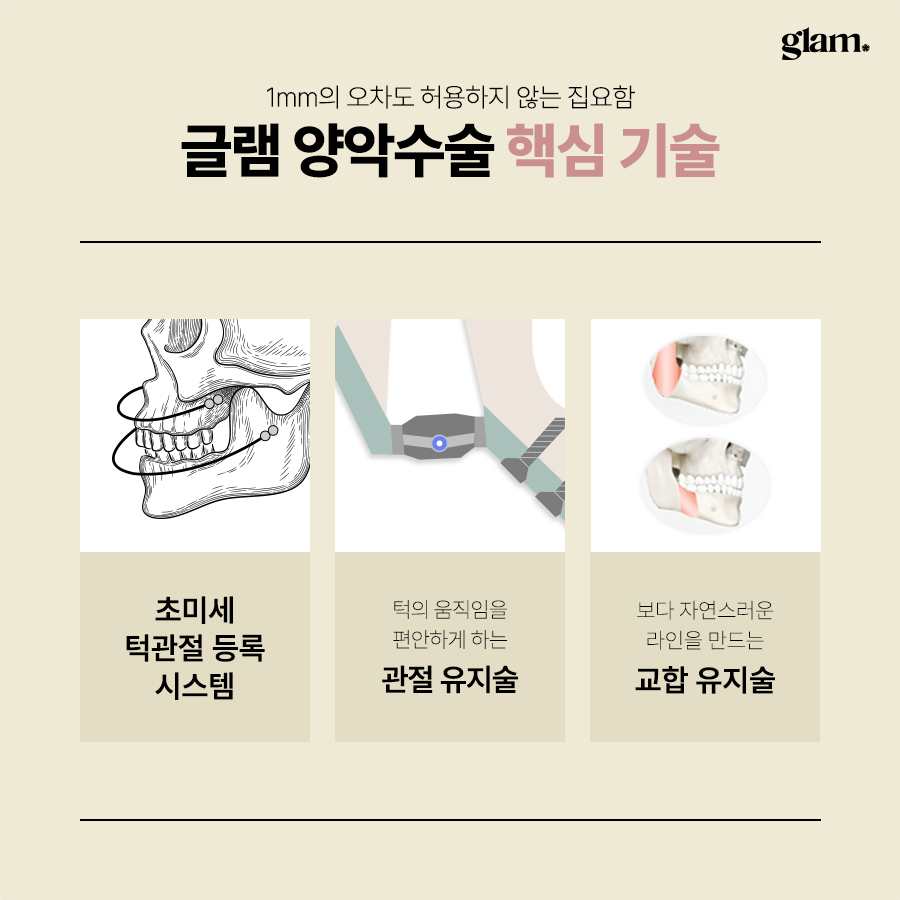
To design this, surgeons use cephalometric analysis, which means measuring angles and distances on special X-rays, together with 3D imaging such as CT scans. Many clinics now use virtual surgical planning software to simulate different jaw positions on a computer before the real surgery. This helps to predict both bite changes and facial appearance changes more precisely.
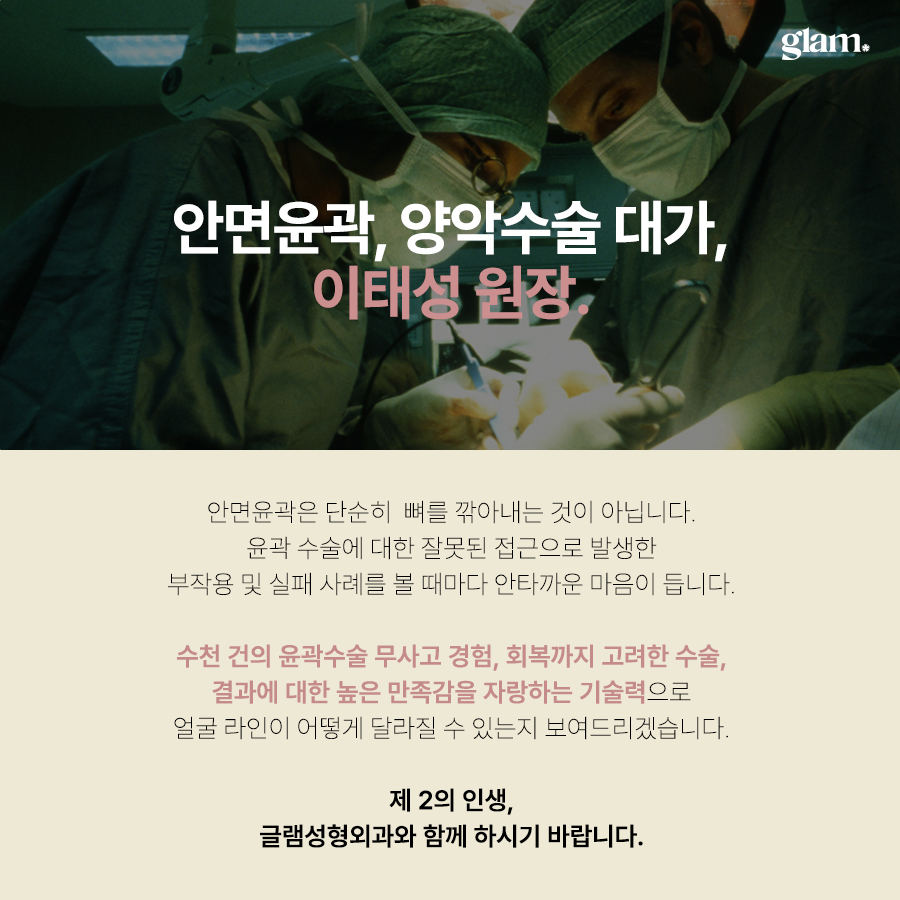
With or without intermaxillary fixation: how much will my jaws be wired?
One of the biggest worries for many patients is the idea of having their jaws wired shut for a long time. Understanding how intermaxillary fixation works can reduce this fear.
Intermaxillary fixation, often called IMF, means temporarily fixing the upper and lower jaws together using wires or elastic bands attached to small hooks or screws near the teeth. The purpose is to keep the new bite stable while the bones start to heal.
In traditional methods, patients sometimes had rigid IMF for several weeks, with the mouth almost completely closed. This made eating, speaking, and oral hygiene very difficult, and many people are still afraid because of these older stories.
Modern double jaw surgery usually uses rigid internal fixation with small plates and screws on the bones themselves. Because the bones are held firmly from inside, long-term rigid IMF can often be reduced or avoided. Instead, many patients use lighter guiding elastics for a shorter period. These elastics help the muscles and bite adapt to the new jaw position but still allow some mouth opening.
When people hear about double jaw surgery without long-term IMF, it usually means this modern approach: internal plates and screws provide the main stability, and elastics are used as guidance rather than as a tight lock. Patients can usually start gently opening their mouth earlier, which improves comfort, hygiene, and nutrition.
However, whether IMF can be minimized is not a cosmetic preference but a safety decision. It depends on factors such as bone quality, how far and in what direction the jaws are moved, the stability of the new bite, and the surgeon’s judgment. In some complex or high-movement cases, a period of stronger IMF may still be recommended to protect the result and reduce the risk of relapse.
Orthodontics and double jaw surgery: before, after, or sometimes skipped
Another common question is whether braces or aligners are always necessary with double jaw surgery, and if so, when.
The traditional sequence is three steps. First, pre-surgical orthodontic treatment aligns the teeth and removes compensation that has developed to hide the jaw problem. For example, upper front teeth may lean backward and lower teeth may lean forward to make an underbite look less severe. These compensations must often be corrected so that when the jaws are moved, the teeth can meet properly.
Second, double jaw surgery is performed with the teeth already aligned in each jaw. Third, post-surgical orthodontic treatment fine-tunes the bite, closes small gaps, and stabilizes the new jaw position.
Orthodontic treatment is usually recommended because double jaw surgery moves the bones, not the teeth themselves. If the teeth are not in the right position on each jaw, even a well-planned bone movement may not give a stable, comfortable bite.
In recent years, surgery-first or reduced-orthodontics protocols have become more common. In selected patients, surgery can be done first, followed by orthodontic treatment. This can shorten the overall treatment time and give earlier facial improvement. It may also reduce the period when the bite looks worse due to decompensation.
In a smaller number of carefully chosen cases, it may be possible to shorten or even omit orthodontic treatment. This is only realistic when tooth alignment and arch shape are already favorable and the skeletal problem can be corrected mainly by moving the jaws. Even then, small adjustments with aligners or light appliances may still be helpful.
Decisions about whether to follow a traditional or surgery-first sequence should be made together by the surgeon and the orthodontic specialist. They will consider your jaw pattern, existing tooth positions, the amount of dental compensation, and your priorities such as total treatment time, appearance during treatment, and functional goals. It is important to remember that trying to avoid orthodontic treatment at all costs can sometimes reduce the quality or stability of the final bite.
Protecting nasal shape and facial harmony during double jaw surgery
Because the upper jaw is closely connected to the nose and midface, moving it can change the nasal shape. Many patients worry about their nose becoming wider or more upturned after surgery.
When the upper jaw is moved forward or upward, the base of the nose can widen, and the tip can rotate slightly. Some people like this effect, while others feel it does not suit their face. Modern techniques include suturing methods, such as alar base cinch sutures, to help limit unwanted widening of the nostrils. Surgeons also control the amount and direction of upper jaw movement and rotation to balance function and appearance.

The vertical position of the upper jaw is another key factor. If it is set too low, the smile can show too much gum, leading to a gummy smile. If it is set too high, the upper lip may cover the teeth too much, which can create an aged or tired look. Careful planning aims to show an appropriate amount of teeth when the lips are at rest and when smiling.
The lower face also changes with double jaw surgery. When the jaws are moved, the chin and jawline can look different even without direct contouring. In some cases, a small chin procedure or limited contouring is combined to refine the profile and balance the lower face. This should only be done when it supports both functional and aesthetic goals, not as automatic over-treatment.
3D planning and simulation help surgeons predict how changes in jaw position will affect the nose, lips, chin, and overall facial harmony. During consultation, you can usually review simulated images or models that show possible outcomes, which can make decision-making clearer.
Safety, anesthesia, and recovery: what modern methods focus on
Double jaw surgery is performed under general anesthesia, so safety planning is essential. Before surgery, you can expect a detailed medical history review, blood tests, and imaging studies such as panoramic X-rays, cephalometric X-rays, and often 3D CT scans. Bite analysis and model surgery or virtual planning help define the target jaw positions.
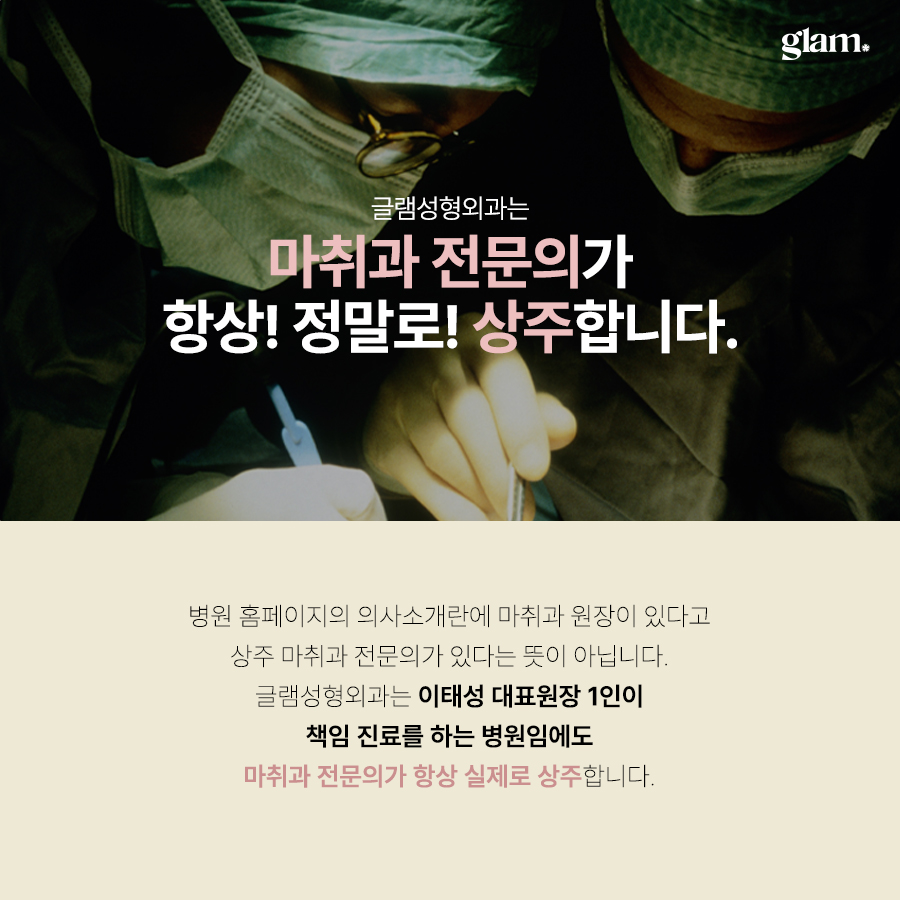
During the operation, a board-certified anesthesiologist plays a central role in managing the airway, monitoring vital signs, and controlling pain and anesthesia depth. This is particularly important for facial bone surgery, which can be longer than many other procedures.
Recovery usually includes a short hospital stay, often one to several days depending on the case and clinic policy. Swelling tends to peak around the second or third day after surgery and then gradually decreases over the next weeks. Most patients start with liquids and then move to a soft diet as they are able to open their mouth more comfortably.
Return to light daily activities is often possible within a couple of weeks, though this varies by individual and job type. Heavy exercise and impact sports are usually restricted for a longer period to protect bone healing. Full bone healing takes several months, even if you feel almost normal earlier.
Many clinics offer additional post-operative care to support comfort and appearance during recovery. This can include LED light therapy, gentle facial care to manage swelling and bruising, and guidance on mouth opening exercises. These methods aim to help swelling and soft tissue recovery; the actual bone healing still depends mainly on your body, stable fixation, and time.
With modern fixation and careful planning, many patients can return to social and work life faster than older experiences suggest. However, it is still important to plan enough time in your schedule for safe recovery and to follow all instructions about hygiene, diet, and follow-up visits.
How this clinic approaches double jaw surgery methods
GLAM Plastic Surgery is a facial bone focused clinic in Sinsa, Gangnam, Seoul, located near Sinsa Station Exit 1 on Dosan-daero. The clinic focuses on double jaw surgery and facial bone procedures rather than a wide range of general cosmetic operations.
Verify practitioner credentials and experience during your consultation.
The clinic reports it aims to perform only the minimum bone movements necessary for functional and anatomical needs and to individualize treatment plans. While this approach is intended to limit unnecessary intervention, outcomes and the need for measures such as intermaxillary fixation (IMF) or orthodontic treatment vary by patient. Decisions about IMF duration and orthodontic timing are made on a case-by-case basis during planning.
Techniques to help limit excessive nasal widening after upper jaw movement are also applied when appropriate. 3D imaging and planning are used to design a jaw position that supports a stable bite, airway, and balanced facial appearance.
For international patients, the clinic offers multilingual support including English, Japanese, and Thai. Weekday and Saturday hours without a separate lunch break make it easier to schedule consultations and follow-up visits during a short stay in Korea.
Who may consider double jaw surgery in Korea
Overseas patients often think about coming to Korea for double jaw surgery when they have a clear skeletal jaw problem, have already been advised to consider orthognathic surgery in their home country, or feel that local options are limited. Some have long-standing functional issues such as chewing difficulty or jaw pain, while others are mainly concerned about facial asymmetry or a severe underbite or overbite.
You may consider an evaluation if you notice that your lower face looks clearly unbalanced from the front or side, your bite does not feel stable, or you have been told that simple contouring alone will not solve your concerns. People with sleep-related breathing problems linked to jaw position may also be candidates, but this requires careful joint evaluation with sleep specialists.
Online consultation and pre-visit preparation
For international patients, an online consultation is usually the first step. To make this as productive as possible, it helps to prepare some information in advance.
You will typically be asked to send front and side photos of your face in a natural position, both at rest and while smiling. Photos that show your bite, including how your front and back teeth meet when you close, are also useful. If you have previous X-rays, CT scans, or reports from other clinics, sharing them can give the surgeon more background.
Before the consultation, it is helpful to list your main concerns in order of priority. For example, you might write whether your top priority is bite function, facial balance, jaw joint comfort, or appearance in photos. Also note any medical conditions, medications, allergies, and previous surgeries.
Many patients find it useful to prepare a few key questions, such as whether they are likely to need long-term IMF, what the expected treatment sequence with braces or aligners would be, and how long they would need to stay in Korea. Asking how the clinic plans to protect nasal shape and facial harmony can also clarify the aesthetic approach.
Expected Korea visit timeline for double jaw surgery
The exact schedule varies, but many overseas patients plan their Korea visit in stages.

First, an in-person consultation with full imaging and bite analysis is needed to confirm the online plan. This may be done a few days to a week before surgery. During this visit, you will usually have X-rays, 3D imaging, and physical examination, and you can review the surgical plan and sign consent forms.
Second, the surgery itself is performed under general anesthesia, followed by a hospital stay. Some patients stay in the hospital for one or more nights, depending on the clinic’s protocol and their condition.
Third, the early recovery period in Korea usually lasts at least two to three weeks after surgery. During this time, you will have follow-up visits for wound checks, elastic adjustment, and monitoring of swelling and healing. Some patients choose to stay longer, around four to six weeks, especially if they want more time before flying long distances.
When planning your trip, consider the time needed for pre-operative tests, surgery, early recovery, and at least a few follow-up visits. You should also plan for someone to accompany you, especially in the first days after discharge, and arrange accommodation close to the clinic for convenience.
Aftercare and long-term follow-up
After returning home, you will continue to heal over several months. The clinic will usually provide written instructions and, if needed, coordinate with your local orthodontic or medical team.
Key aftercare points include maintaining good oral hygiene with gentle rinsing and brushing as allowed, following the recommended diet progression from liquids to soft foods, and avoiding strong chewing or hard foods until your surgeon confirms it is safe. You may be given exercises to improve mouth opening and jaw movement.
Swelling and numbness gradually improve, but some residual numbness around the lips or chin can last for months and may not fully disappear in all cases. Regular online follow-up using photos and, if possible, updated X-rays can help the surgeon monitor your progress.
If you are also having braces or aligners, your orthodontic care will continue for some time after surgery to refine and stabilize the bite. It is important to attend these appointments and wear any prescribed elastics or retainers as instructed.
How to choose the right double jaw surgery method and clinic
Choosing a clinic and method for double jaw surgery is a major decision. It is helpful to look beyond photos and focus on objective signs of expertise and safety.
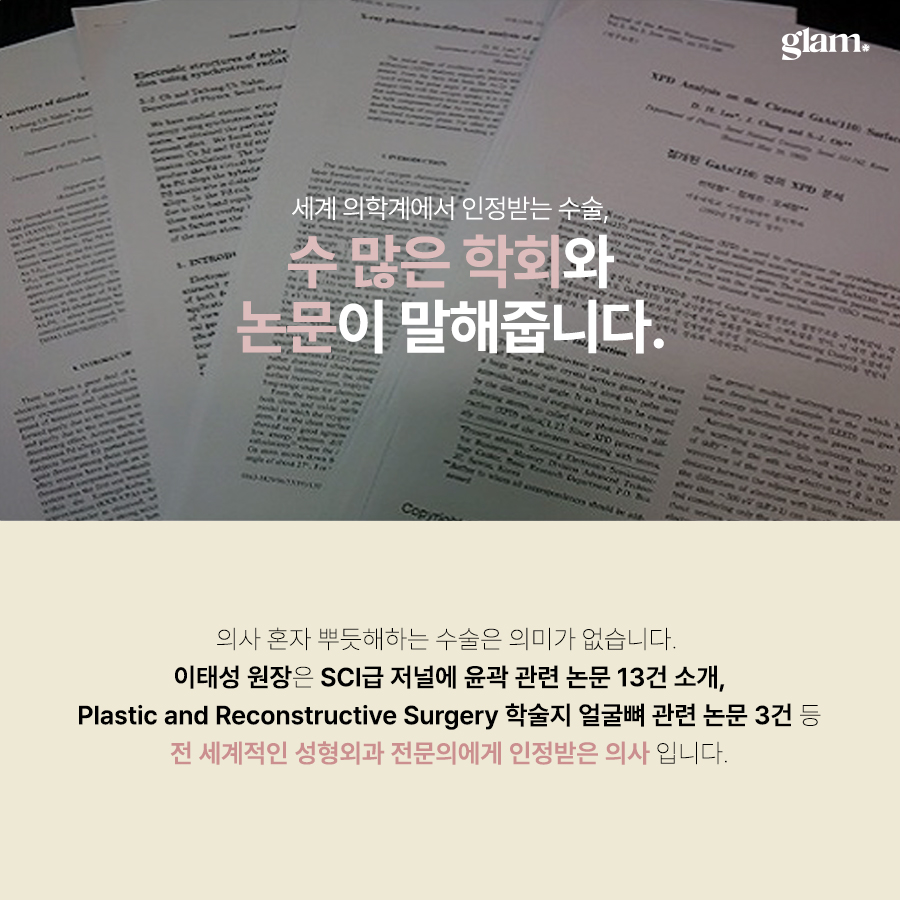
You can start by checking whether the surgeon focuses on facial bone surgery and has a consistent track record in this field, including academic presentations or publications. Confirm that the surgeon is board-certified in a relevant specialty such as plastic surgery or oral and maxillofacial surgery, and that a board-certified anesthesiologist will manage general anesthesia.
During consultation, ask specific questions rather than only general ones. For example, ask whether your case will likely require long-term IMF or whether modern internal fixation and short-term elastics are planned. Ask about the expected orthodontic sequence, whether surgery-first is an option, and what would be the estimated total treatment time.
You can also ask how the clinic plans to manage nasal shape and facial balance, what imaging and 3D planning tools will be used, and what the main risks and possible side effects are in your particular case. A clinic that explains both benefits and limitations clearly is often more trustworthy than one that only emphasizes positive points.
There is no single best method that fits everyone. The most suitable plan is one that balances function, aesthetics, safety, and your lifestyle and recovery needs. A face-to-face consultation with full imaging and bite analysis is essential to determine whether double jaw surgery is truly necessary for you and, if so, which method is most appropriate.
FAQ about double jaw surgery methods
Can double jaw surgery be done without wiring the jaws shut?
In many modern cases, long-term rigid wiring of the jaws can be avoided by using internal plates and screws to stabilize the bones. Instead, lighter elastics are used to guide the bite, and patients can usually open their mouth earlier. However, in some complex or high-movement cases, stronger fixation may still be needed for a period, so the final decision is based on safety rather than preference.
Is it possible to have double jaw surgery without braces or aligners?
In a limited number of well-selected cases, double jaw surgery can be planned with little or no orthodontic treatment, especially if the teeth are already well aligned and the main problem is skeletal. However, most patients benefit from at least some orthodontic treatment to achieve a stable, comfortable bite. Trying to avoid braces or aligners completely can sometimes compromise the final result.

How long do I need to stay in Korea for double jaw surgery?
Many overseas patients plan to stay at least two to three weeks after surgery for early recovery and follow-up visits. Some choose to stay four to six weeks for additional safety and comfort before flying home. You will also need time before surgery for consultation and tests, so the total stay is often around three to five weeks, depending on your case and travel schedule.
Will double jaw surgery change my nose shape?
Moving the upper jaw can affect the nose, sometimes widening the base or slightly lifting the tip. Surgeons can use techniques such as alar base cinch sutures and careful control of jaw movement to reduce unwanted changes. During planning, you should discuss how much nasal change is expected and what steps will be taken to protect overall facial harmony.
Soft call to action
If you are considering double jaw surgery in Korea and want to understand which method would suit your jaw structure, bite, and lifestyle, an online consultation can be a useful first step. By sharing your photos, previous records, and questions in advance, you can receive a more personalized explanation of possible treatment sequences, fixation methods, and expected recovery. From there, you can decide calmly whether to schedule an in-person visit to this clinic in Sinsa, Gangnam, for detailed imaging and final planning.




참고 및 출처
위 기관의 공개 정보는 일반적인 확인 경로이며, 본문의 개별 판단은 현재 상태와 공식 안내를 함께 확인해야 합니다.
본 글은 일반적인 정보 제공을 목적으로 작성되었으며, 의학적 진단이나 치료 권고가 아닙니다. 개인의 의료 상태, 병력, 복용 약물에 따라 적합한 시술과 주의사항은 달라질 수 있으므로 시술 여부는 반드시 의료진과 상담해 결정해야 합니다.


댓글
댓글 쓰기