Double jaw surgery in Seoul – practical guide for international patients
- 공유 링크 만들기
- X
- 이메일
- 기타 앱
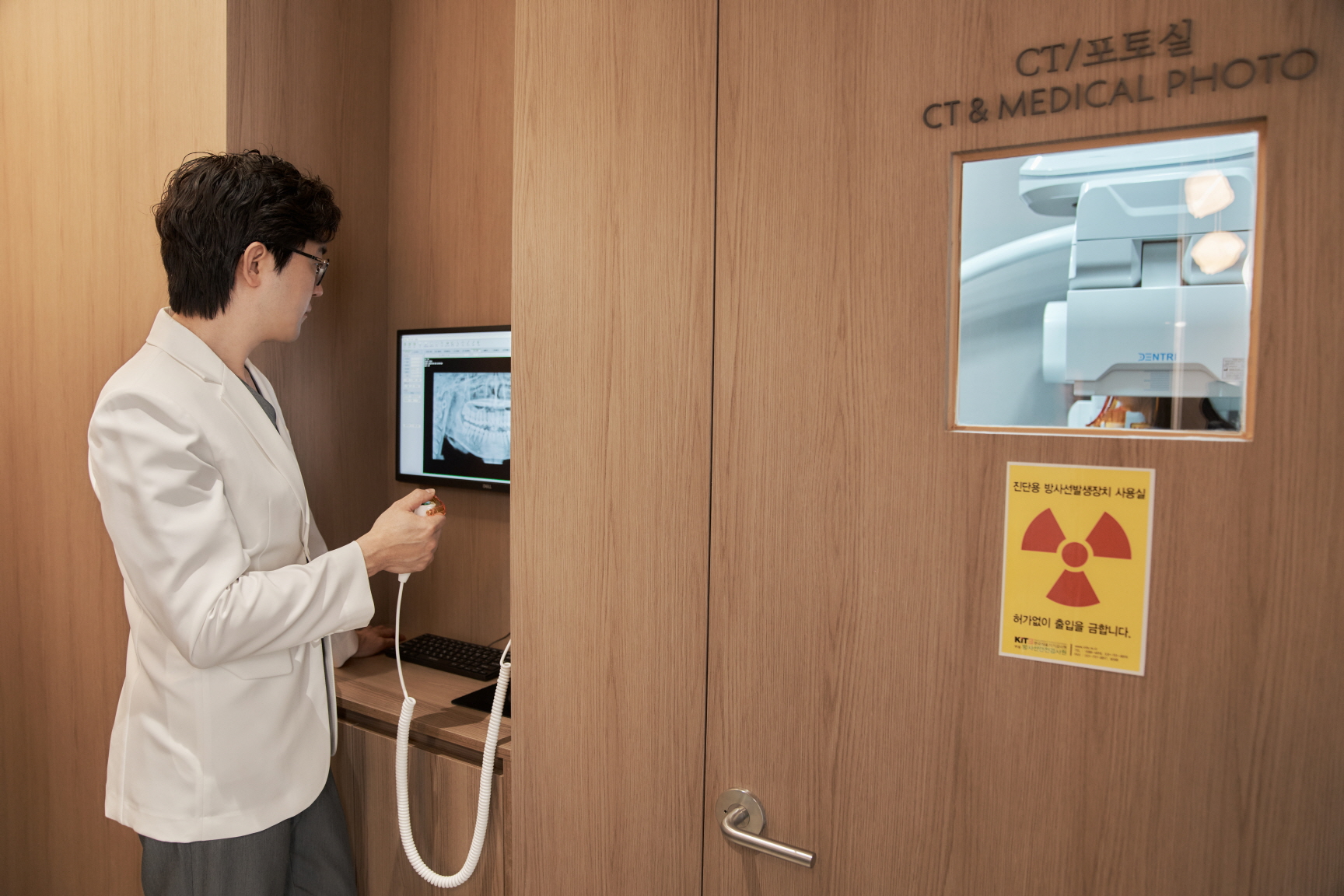
If you are searching for double jaw surgery in Seoul, you will find highly specialized centers that focus on jaw correction and facial bone surgery. These clinics perform orthognathic (double jaw) procedures to improve bite function, facial balance, and in some cases breathing, while also changing appearance. This guide explains what double jaw surgery involves, why many patients travel to Seoul, what to expect from evaluation to recovery, and how a facial bone–focused clinic in Gangnam can serve as a model when you compare options.
What is double jaw (orthognathic) surgery?
Double jaw surgery, also called orthognathic surgery, is an operation that repositions both the upper jaw (maxilla) and lower jaw (mandible). The goal is to correct the relationship between the jaws so that the bite, facial balance, and sometimes airway function are improved.
During surgery, the surgeon makes cuts in the jawbones through incisions inside the mouth, moves the bone segments into a planned position, and secures them with small plates and screws. Because the jaws sit at the center of the face, changing their position can affect chewing, speech, breathing, and overall facial profile.
People usually consider double jaw surgery when they have:
Significant overbite, underbite, or open bite that cannot be addressed with tooth movement alone
Facial asymmetry, such as one side of the jaw being longer or lower than the other
Difficulty chewing or biting certain foods
Chronic jaw strain or discomfort related to jaw position
Crossbite or narrow upper jaw
Airway or breathing issues related to jaw position, in selected cases

Traditionally, double jaw surgery is combined with braces before and after surgery. However, some modern protocols may reduce or adjust the amount of pre- or post-surgical tooth alignment, depending on your bite and skeletal pattern. In some cases, pre-surgical tooth alignment can be shortened or even omitted, but this must be decided carefully by the surgeon and the tooth-alignment specialist together.
Why many patients look to Seoul for double jaw surgery
Seoul has become a major hub for jaw correction and facial bone surgery. Several factors contribute to this:
High case volume and experience
Seoul has many centers that perform large numbers of facial bone operations each year. With high case volume, teams gain experience in handling a wide range of jaw patterns, including complex deformities and revision cases. This accumulated experience can be valuable, especially for patients with asymmetry or previous unsuccessful surgery.
Focused facial bone centers
Some clinics in Seoul concentrate specifically on jaw and facial contouring procedures rather than offering every type of aesthetic surgery. These centers may limit their services to operations such as double jaw surgery, cheekbone reduction, V-line contouring, and square jaw reshaping, often with dedicated systems for bone imaging, planning, and post-operative care.
Multi-language support
Because many international patients travel to Seoul, a number of clinics provide support in multiple languages. It is common to find English-language websites and channels, and some centers also offer Japanese and Thai support. This can make online consultation, scheduling, and follow-up communication smoother if you are coming from overseas.
Verification and credentials
When considering orthognathic surgery in Seoul, it is important to check more than photos or marketing claims. Practical points to verify include:
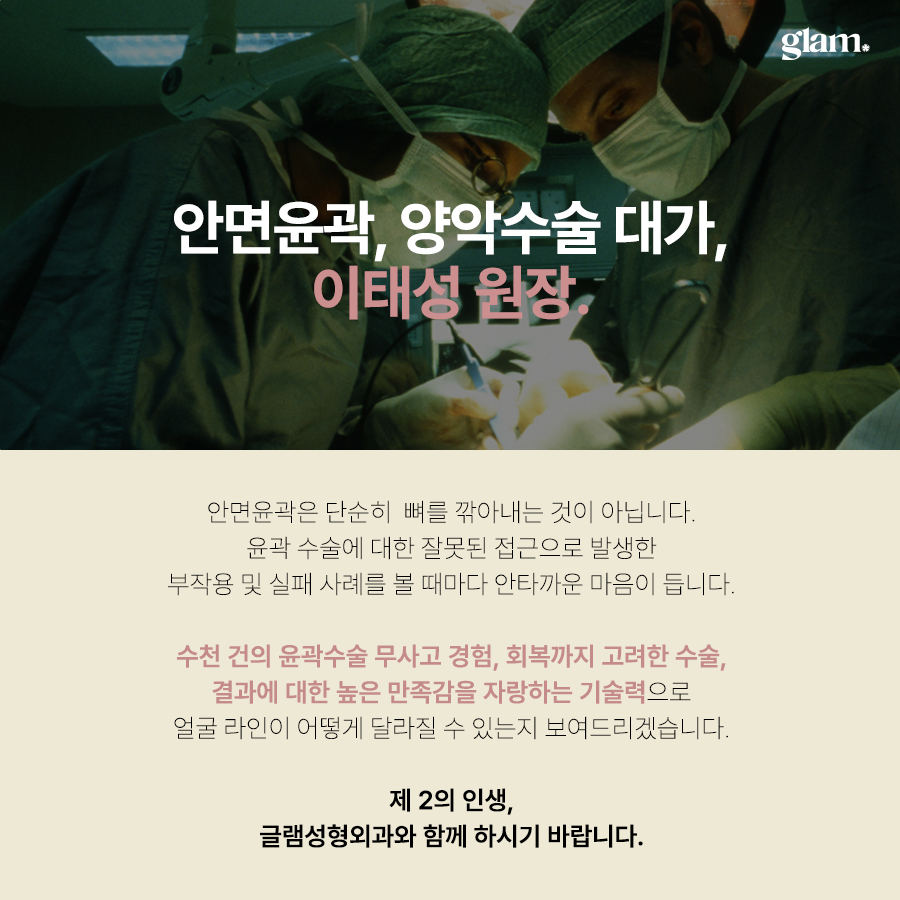
Whether the operating surgeon is board-certified in a relevant specialty
Hospital privileges or previous experience in hospital-based facial bone centers
Academic or clinical track record, such as peer-reviewed publications in jaw and contouring surgery
Presence of a dedicated anesthesiologist responsible for anesthesia and patient monitoring
Example of a facial bone–focused clinic in Gangnam
GLAM Plastic Surgery is an example of a Seoul clinic that focuses on facial bone surgery. It is located on Dosan-daero in the Gangnam district, within walking distance of Sinsa Station, which makes it convenient for visitors staying in central Seoul.
This clinic offers a single specialty line-up: facial bone surgery such as double jaw surgery, cheekbone reduction, V-line contouring, and square jaw surgery, along with post-operative skin and swelling care programs. It does not list eye, nose, or body procedures, positioning itself as a facial bone–only center.
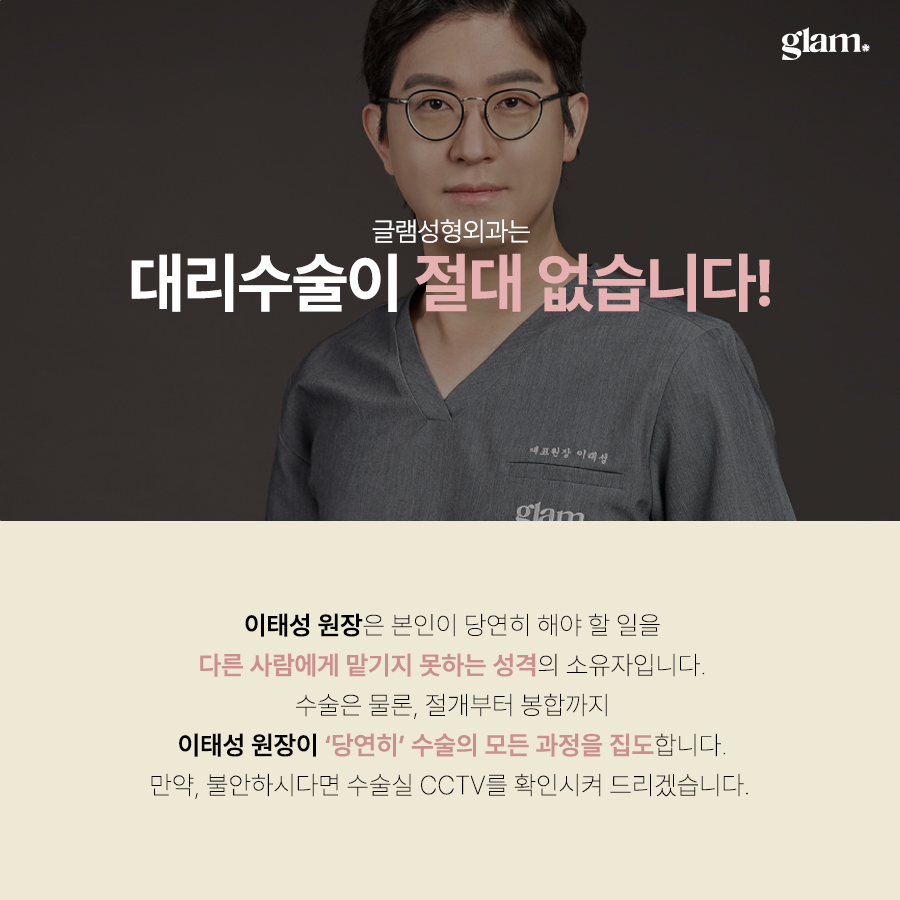
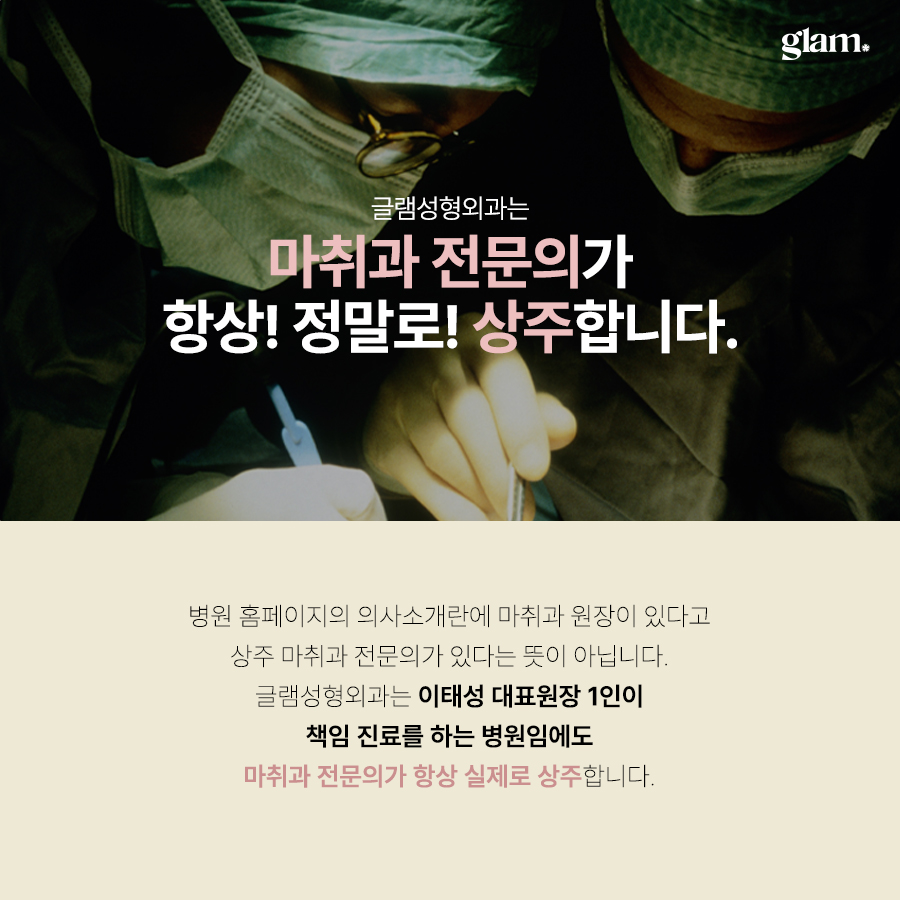
The medical team structure includes one board-certified plastic surgeon who focuses on facial bone surgery and one board-certified anesthesiologist dedicated to anesthesia and pain management. No other surgeons are listed, which can make it easier for patients to know exactly who will be operating and who will be managing anesthesia.
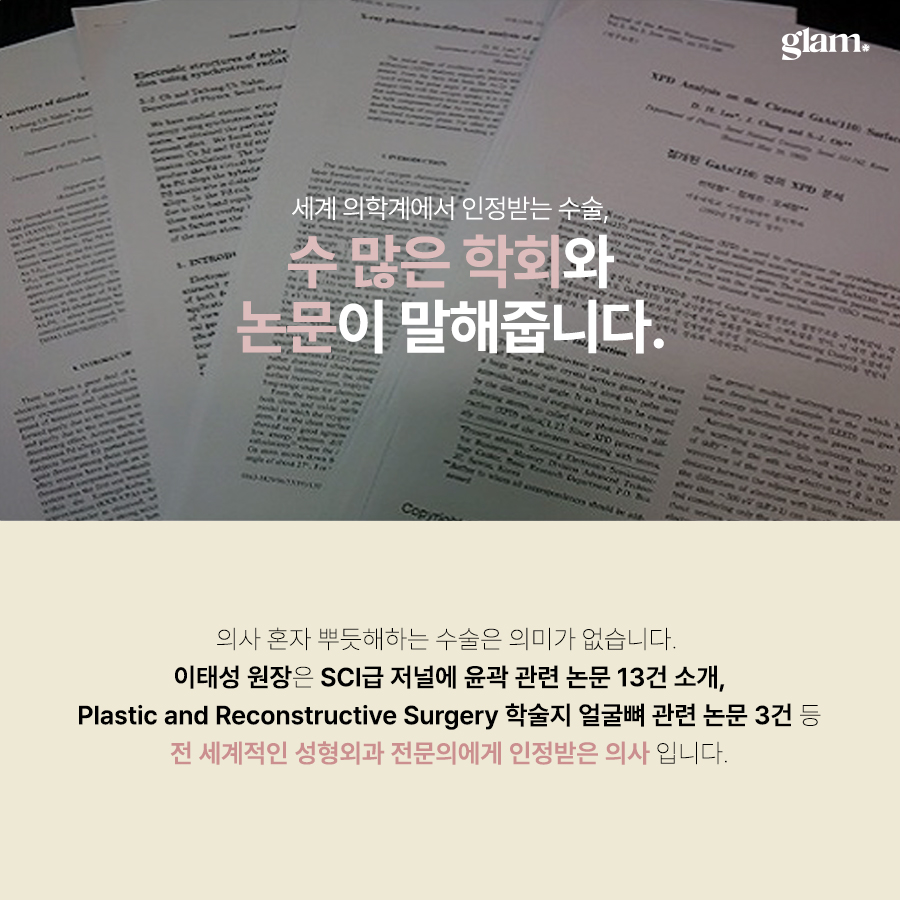
The lead surgeon is a board-certified plastic surgeon with around 20 years of experience in facial bone surgery as of February 2025. His background includes medical education at Seoul National University College of Medicine, residency training in plastic surgery at Seoul National University Hospital, work as a plastic surgery specialist at Samsung Medical Center, and fellowship training at the University of Washington Medical Center in Seattle. As of February 2025, he has authored 13 SCI-level papers as first or corresponding author in the field of contouring and double jaw surgery, including 3 papers in the journal Plastic and Reconstructive Surgery.
The anesthesiologist is a board-certified anesthesiology and pain medicine specialist, trained at a major Catholic medical center, and is a member of national anesthesia and pain societies. For a major operation under general anesthesia, having a specialist dedicated to anesthesia is an important safety factor.
Surgical philosophy and techniques to look for
When you compare double jaw surgery providers in Seoul, it can help to understand the treatment philosophy and techniques used. The approach at facial bone–only centers like the one described above can serve as a reference.
Focused field of practice
Limiting the clinic’s scope to facial bone surgery allows the team to concentrate its systems, equipment, and training on a narrow field. This can include specialized imaging protocols, digital planning tools, and nursing staff familiar with jaw surgery recovery.
Direct operation by the lead surgeon
For a complex procedure such as double jaw surgery, many patients prefer that the named surgeon performs the key steps personally rather than delegating major parts of the operation. When you consult, you can ask which parts of the surgery the lead surgeon performs directly.
Minimum necessary surgery
Some centers emphasize recommending only the minimum necessary surgery based on objective evaluation. For example, instead of automatically combining multiple contouring procedures, they may suggest limited bone movement if that is enough to correct the bite and facial imbalance. This can be reassuring if you are worried about overtreatment or unnecessary additional procedures.
Techniques to improve comfort and aesthetics
Examples of techniques you may want to ask about include:
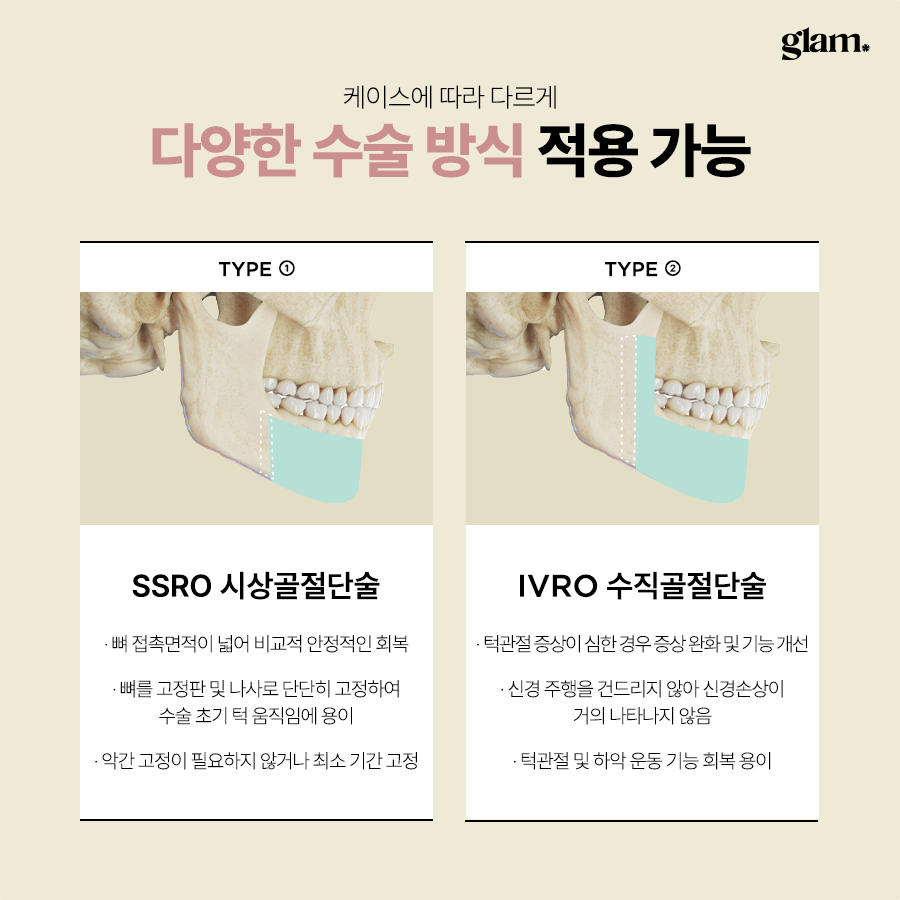
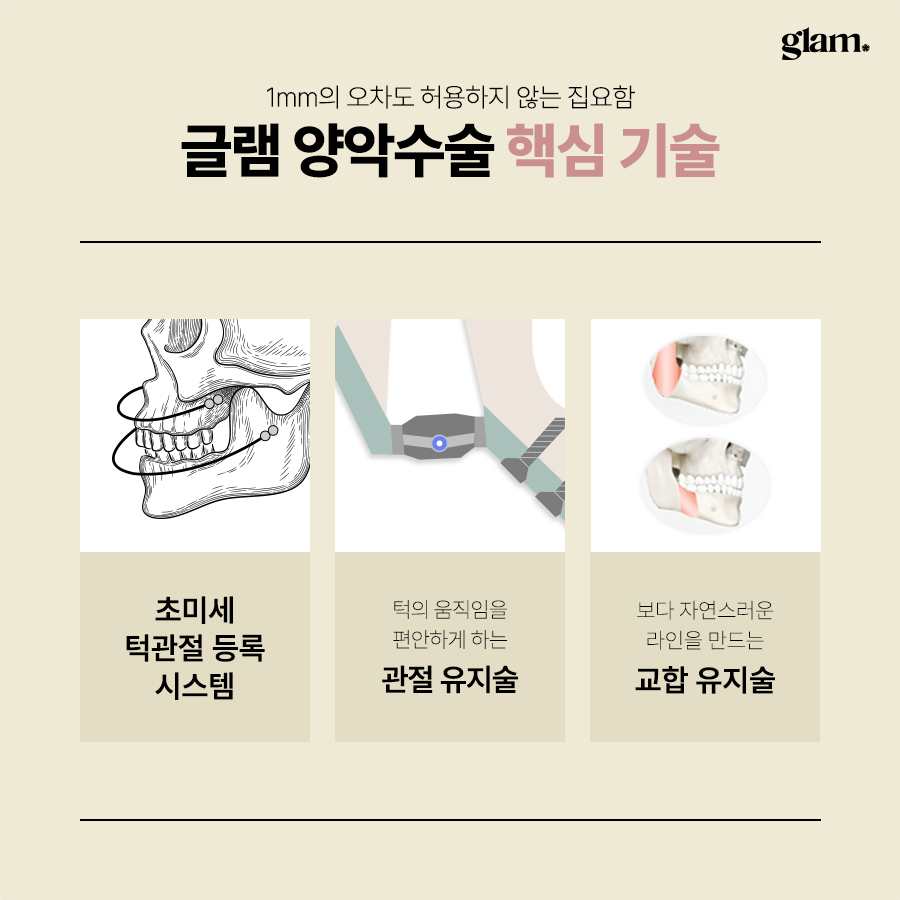
Double jaw surgery without rigid intermaxillary fixation when appropriate. In suitable cases, surgeons may avoid wiring the jaws tightly together for long periods after surgery. Instead, they use plates, screws, and short-term elastics, which can allow earlier jaw movement and easier oral hygiene. This is not possible in every case, but it can significantly affect comfort.
Flexible use of pre-surgical tooth alignment. Some patients may not need long periods of pre-surgical tooth alignment, depending on their bite and skeletal pattern. For selected cases, it may be possible to shorten or omit pre-surgical alignment and focus more on post-surgical adjustments. This decision must be made jointly by the surgeon and the tooth-alignment specialist.
Suture methods around the nose. Moving the upper jaw can change the base of the nose. Some surgeons use specific suture techniques to help prevent excessive widening or flattening of the nose after surgery, aiming to preserve or gently improve nasal aesthetics while focusing on jaw correction.

Pre-operative evaluation and planning in Seoul clinics
A thorough pre-operative workup is essential for safe and predictable double jaw surgery. In Seoul, a typical evaluation may include the following steps.
Detailed consultation
The first consultation usually covers both functional and aesthetic concerns. You will be asked about chewing difficulty, speech issues, jaw joint symptoms, airway or snoring problems, and what you hope to change in your facial appearance. The surgeon will examine your bite, jaw movement, facial symmetry, and soft tissue balance.
Imaging and measurements
Standard imaging often includes panoramic X-rays and cephalometric radiographs (side-view skull X-rays). Many clinics also perform 3D CT scans for more detailed bone assessment. These images are used to measure jaw lengths, angles, and asymmetries, and to check tooth roots and nerve positions.
Digital planning or model surgery
Using the images and measurements, the surgeon plans how far and in which direction to move each jaw. Some centers use digital simulation software to predict the postoperative facial profile and to design the bone cuts and movements. Others may use physical models to perform mock surgery. The aim is to achieve a stable bite, improved facial balance, and safe bone movements.
Discussion of tooth alignment
The surgeon will explain whether you need tooth alignment before surgery, after surgery, or both. If you already have a tooth-alignment provider in your home country, it is helpful to share records and coordinate plans. The balance between tooth movement and bone movement is tailored to each case.
Anesthesia assessment
Before surgery, an anesthesiologist should review your medical history, medications, allergies, and previous anesthesia experiences. Blood tests and other investigations may be ordered to assess your fitness for general anesthesia. For international patients, sharing medical records from your home country can help identify any additional risks.
The surgery and hospital stay
Understanding the surgical day and immediate recovery can help you prepare mentally and logistically.
On the day of surgery
You will arrive fasting, change into surgical clothing, and review consent forms. The anesthesiologist will place monitoring lines and start general anesthesia. Throughout the operation, vital signs are continuously monitored.
Surgical steps
The surgeon makes incisions inside the mouth to access the upper and lower jaws. Bone cuts (osteotomies) are performed according to the preoperative plan. The jaws are moved into the new positions and temporarily stabilized, often using splints and elastics to check the bite. Once the surgeon is satisfied with the alignment, small titanium plates and screws are used to fix the bones.
The procedure usually takes several hours, depending on the complexity and whether other facial bone procedures are combined.
Immediate recovery and hospital stay
After surgery, you are taken to a recovery area where your breathing, blood pressure, and pain level are monitored as you wake up from anesthesia. Swelling and a sense of tightness are expected. Many clinics keep patients in the hospital for one or two nights, though this can vary based on your condition and the clinic’s protocol.
During the hospital stay, you will receive pain control, antibiotics if indicated, and guidance on oral rinsing, breathing through the nose or mouth, and communication. Staff will check your swelling, bite, and general condition.
Early diet and activity
Initially, your diet will be limited to liquids such as water, juice, and nutritional drinks. As healing progresses, you move to soft foods that do not require strong chewing. Walking short distances is usually encouraged to reduce the risk of blood clots, but strenuous exercise is restricted for several weeks.
Post-operative care and swelling management
Recovery from double jaw surgery involves a visible healing process. Swelling is usually most intense in the first few days, then gradually decreases over several weeks. Residual swelling and subtle changes can continue to settle for several months.
Supportive aftercare programs
Some Seoul clinics offer structured aftercare programs to help manage swelling and support skin recovery. At the example clinic, options include:
LED light therapy systems, which are used on the skin to support circulation and healing.
Facial dome treatments, which may combine light and warmth to promote comfort and swelling reduction.
Multi-step skin reset and total care programs, focusing on cleansing, soothing, and hydrating the skin during recovery.
Radiofrequency lifting devices, applied at appropriate times after surgery to support skin tightening and edema reduction.
These treatments are supportive measures. They do not replace the need for proper bone healing, regular follow-up with your surgeon, or adherence to instructions about diet, oral hygiene, and activity. The timing and suitability of each treatment depend on your healing progress and should be decided by the medical team.
Safety considerations and how to choose a clinic in Seoul
For a major operation like double jaw surgery, safety and structure should guide your choice of clinic.
Key points to check
Confirm that the operating surgeon is a board-certified plastic surgeon or oral and maxillofacial surgeon with specific experience in orthognathic surgery.
Ask whether there is a dedicated anesthesiologist responsible for anesthesia and monitoring, rather than sedation managed only by the surgeon or nursing staff.
Inquire about the number of double jaw surgeries performed annually, including how many are revision cases.
Review the surgeon’s academic activity, such as SCI-level publications or articles in journals like Plastic and Reconstructive Surgery. Research output is not a guarantee of outcome, but it can indicate ongoing engagement with the field.
Check whether the clinic focuses on facial bone surgery rather than being a general aesthetic surgery shop. A focused practice may have more streamlined systems for this specific procedure.
Ask about emergency protocols, monitoring equipment, and how complications are managed.
Clarify the schedule of post-operative follow-ups and who will see you at each visit.
Considerations for international patients
If you are traveling from overseas for double jaw surgery in Seoul, careful planning will make the experience smoother.
Language and communication
Many Seoul clinics, including the example center, provide English-language websites and may offer Japanese and Thai support. Some also use social media and messaging apps for communication. Before you commit, test how responsive and clear the clinic is in your language.
Online consultation and pre-visit preparation
Most international patients start with an online consultation. You may be asked to send facial photos from several angles, bite photos, and any existing X-rays or reports. Based on this, the surgeon can give a preliminary opinion about whether you are a potential candidate and what kind of correction might be needed.
Before you travel, prepare:
A summary of your medical history, including chronic conditions, medications, allergies, and previous surgeries
Any previous jaw or facial imaging, if available
Information from your local tooth-alignment provider, if you are already in treatment
A list of questions about the procedure, recovery time, and how follow-up will work once you return home
Expected Korea visit timeline
The exact schedule varies, but a common timeline for international patients might look like this:
First few days in Seoul: In-person consultation, physical examination, imaging (X-rays, CT), and final planning. Additional medical tests and anesthesia assessment are performed.
Surgery day: Hospital admission, surgery under general anesthesia, and initial recovery.
1–3 days after surgery: Inpatient stay, then discharge once you are stable, able to drink, and understand home care instructions.
First 1–2 weeks: Frequent follow-up visits for swelling checks, cleaning, elastic adjustments, and early aftercare treatments. Many patients stay in Seoul at least two weeks after surgery.
Weeks 3–4: Some patients choose to remain longer for additional follow-ups and aftercare sessions, but others return home earlier if cleared by the surgeon.
Discuss with the clinic how long they recommend you stay in Seoul and how they will manage remote follow-up once you are back in your home country.
Risks, limitations, and realistic expectations
Double jaw surgery is a powerful tool for correcting jaw misalignment and facial imbalance, but it also carries risks and limitations.
Possible risks and side effects
- Bleeding and infection, as with any major surgery
- Nerve injury, which can cause temporary or sometimes permanent numbness in the lips, chin, or cheeks
- Unfavorable bite or need for additional tooth alignment after surgery
- Relapse or partial return of the jaw position over time
- Jaw joint (TMJ) symptoms or changes
- Need for revision surgery in some cases
- Temporary difficulties with speech, eating, and oral hygiene during the early recovery period
Individual variation and no guarantees
Outcomes depend on your original anatomy, bone quality, soft tissue characteristics, and how well you follow post-operative instructions. No clinic can guarantee a specific aesthetic result. The primary goals are to improve function, achieve a stable bite, and create more balanced facial proportions. A clear discussion of realistic expectations with your surgeon is essential before you decide.
Frequently asked questions about double jaw surgery in Seoul
How long should I stay in Seoul for double jaw surgery?
Most international patients are advised to stay in Seoul for at least two weeks after surgery. This allows time for early follow-up visits, suture checks if needed, elastic adjustments, and management of swelling or minor issues. Some patients remain three to four weeks for additional aftercare and to feel more stable before flying. The exact duration should be discussed with your surgeon based on your health, travel distance, and the complexity of your case.
Can I have double jaw surgery without long-term jaw wiring?
In many modern protocols, rigid wiring of the jaws together for long periods is avoided when the case allows. Instead, plates, screws, and short-term elastics are used to stabilize the new jaw position. However, some degree of elastic guidance is still common, and in certain complex cases, more rigid fixation may be necessary. Whether you can avoid long-term wiring depends on your specific jaw pattern and the surgeon’s assessment.
Do I always need tooth alignment before double jaw surgery?
Not always. Traditional treatment plans often include months of pre-surgical tooth alignment, but some patients can have modified protocols with reduced or even no pre-surgical alignment. This depends on the type of bite problem, how the teeth are currently positioned, and how much bone movement is planned. The decision should be made jointly by your surgeon and tooth-alignment specialist after careful analysis of your case.

How do I choose a safe double jaw surgery clinic in Seoul?
Focus on the surgeon’s credentials and experience, the presence of a dedicated anesthesiologist, and whether the clinic specializes in facial bone surgery. Ask about annual case numbers, including revision cases, and review any academic work related to jaw and contouring surgery. Make sure the clinic explains risks, alternatives, and follow-up plans clearly, and that communication in your language is reliable. It is wise to consult more than one provider before making a decision.
Soft call to action for online consultation
If you are considering double jaw surgery in Seoul, an online consultation is a practical first step. By sharing photos, existing imaging, and your concerns, you can receive a preliminary opinion on whether you might be a candidate, what kind of jaw movement may be needed, and how long you should plan to stay in Korea. Use this early contact to evaluate how clearly the clinic communicates, how they explain risks and options, and whether their philosophy of minimal necessary surgery and focused facial bone practice aligns with your priorities.
Ultimately, double jaw surgery is a significant decision. Taking time to research, compare several Seoul double jaw clinics, and ask detailed questions will help you choose a team you feel comfortable trusting with both your function and your appearance.




- 공유 링크 만들기
- X
- 이메일
- 기타 앱


댓글
댓글 쓰기