Double Jaw Surgery in Seoul: Practical Guide for International Patients
- 공유 링크 만들기
- X
- 이메일
- 기타 앱
Direct answer summary
If you are considering double jaw surgery in Seoul, you will find specialized facial bone centers in areas like Gangnam that treat both primary and revision procedures. Focused centers typically use detailed 3D surgical planning, perioperative imaging and medical review, structured anesthesia care, and organized postoperative programs to support both function and appearance. Because double jaw surgery is major skeletal surgery rather than a simple cosmetic treatment, prioritize clinics that can demonstrate specific preoperative protocols (for example, imaging and medical evaluation), clear anesthesia and pain-management plans, and structured follow‑up rather than relying on marketing claims.
This guide explains who may benefit from double jaw surgery, how specialized centers in Seoul work, what to ask during consultation, what your travel timeline might look like, and how aftercare is usually organized.
Overview of double jaw surgery in Seoul
Double jaw surgery, also called orthognathic surgery, is an operation that repositions both the upper jaw and lower jaw. The goal is to improve the bite, facial balance, and in some cases breathing or jaw joint strain. By moving the jaw bones in three dimensions, surgeons can correct structural problems that cannot be solved with teeth movement alone.
Seoul, and especially the Gangnam district around Dosan-daero and Sinsa Station, has become a global hub for facial bone surgery. Many centers here handle a high volume of double jaw cases, including complex revision surgeries. This experience, combined with advanced imaging and planning tools, attracts patients from Asia, the Middle East, Europe, and North America.
It is important to remember that double jaw surgery is major skeletal surgery performed under general anesthesia. It affects your bones, muscles, nerves, and bite. It should never be approached as a quick cosmetic procedure. Careful evaluation, clear communication, and a safety-focused team are essential.

Who may consider double jaw surgery
People usually consider double jaw surgery when there is a significant mismatch between the upper and lower jaws, or when jaw position affects daily function.
Typical reasons include:
Severe malocclusion where the upper and lower teeth do not meet properly
Open bite where the front teeth do not touch even when you close your mouth
Protruding or recessed jaw that makes the profile look very forward or very set back
Facial asymmetry where one side of the jaw is lower, higher, or more prominent
Long face or very short chin related to how the jaws are positioned
Functional issues such as difficulty chewing, unclear speech related to jaw position, or jaw joint strain and discomfort
In some people, only teeth alignment treatment is enough to improve the bite. In others, the underlying bone structure is the main problem. When the jaw bones themselves are too long, too short, or misaligned, jaw surgery is usually considered.
Final candidacy for double jaw surgery is always decided after a detailed clinical examination, photographs, and imaging such as X-rays or 3D scans. Not everyone with aesthetic concerns is a good candidate. For example, mild asymmetry or a small profile concern may be better addressed with less invasive procedures. A responsible surgeon will explain when surgery is truly indicated and when it is not.
What to look for in a double jaw surgery clinic in Seoul
When you search for double jaw surgery in Seoul, you will see many options. The key is to understand what makes a specialized facial bone center different from a general cosmetic clinic.
Points to pay attention to include:
Surgeon’s background and focus
Look for a board-certified plastic surgeon or maxillofacial surgeon with a long track record specifically in facial bone surgery. Years of experience in double jaw and facial contouring, and a history of handling both primary and revision cases, are important signals.
It is often safer to choose a clinic that focuses on facial bone surgery rather than one that tries to cover every possible cosmetic procedure. A center that concentrates on double jaw and facial contouring tends to invest more deeply in planning systems, instruments, and protocols tailored to bone surgery.
Anesthesia and safety system
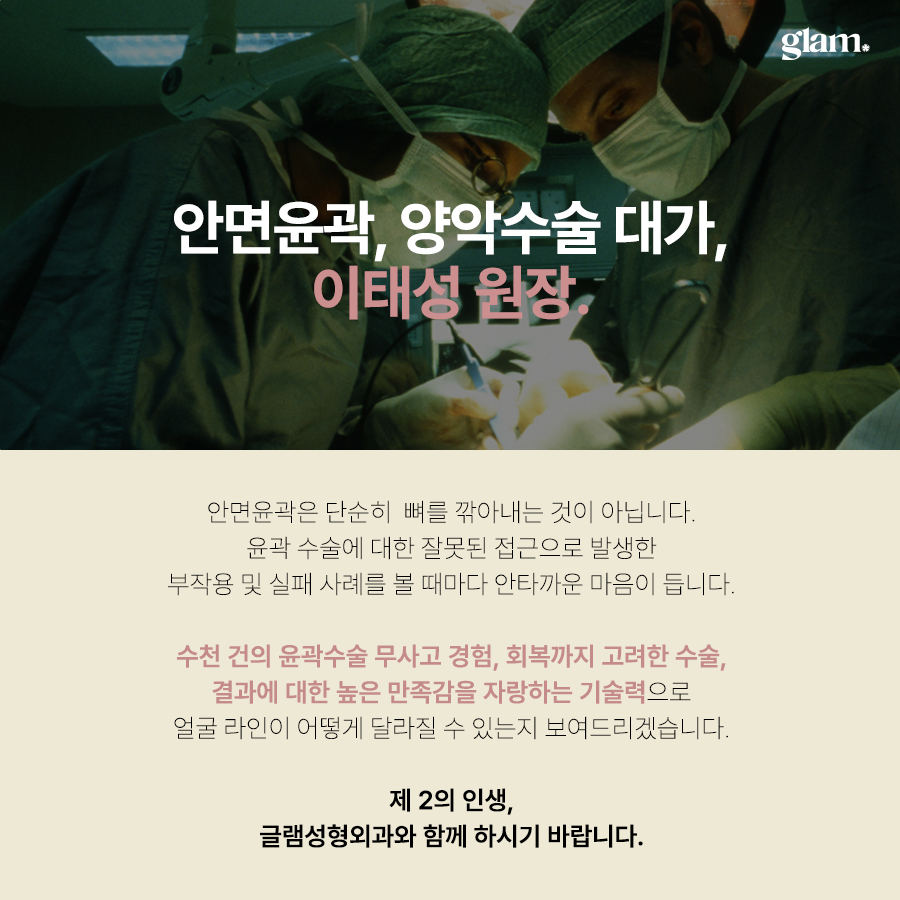
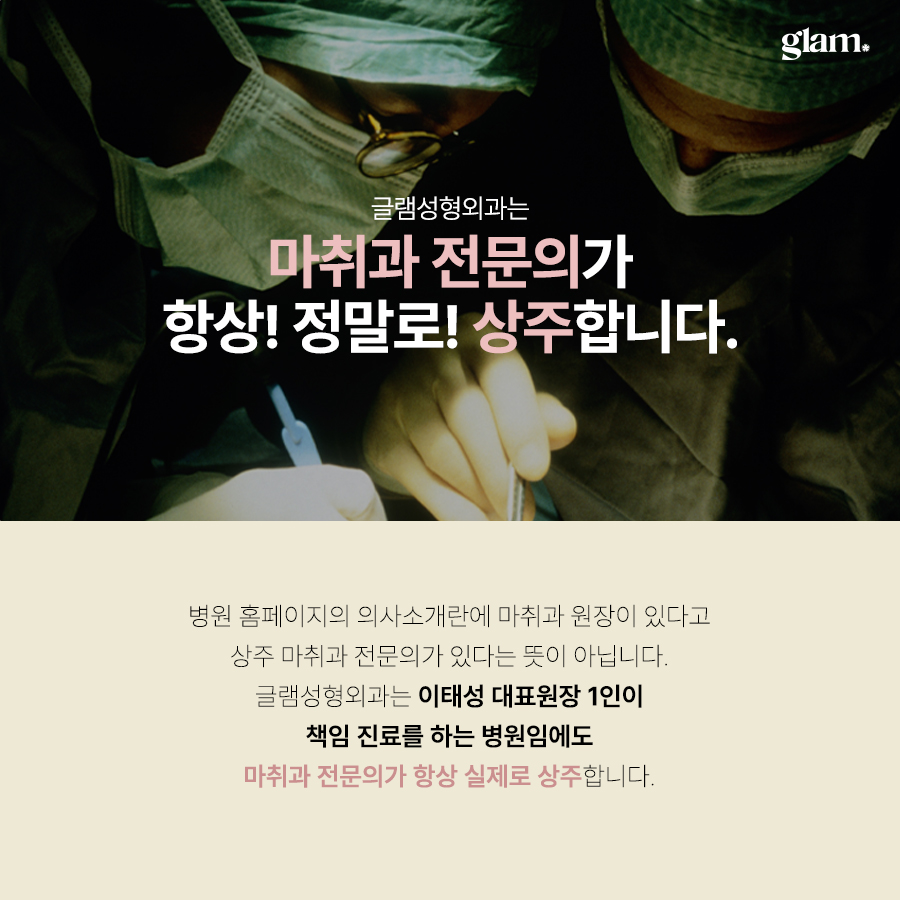
Double jaw surgery is a long and complex operation under general anesthesia. The presence of an in-house board-certified anesthesiologist who manages anesthesia from start to finish is a strong safety feature. This allows continuous monitoring, rapid response to any changes, and better control of pain and recovery.
Preoperative planning
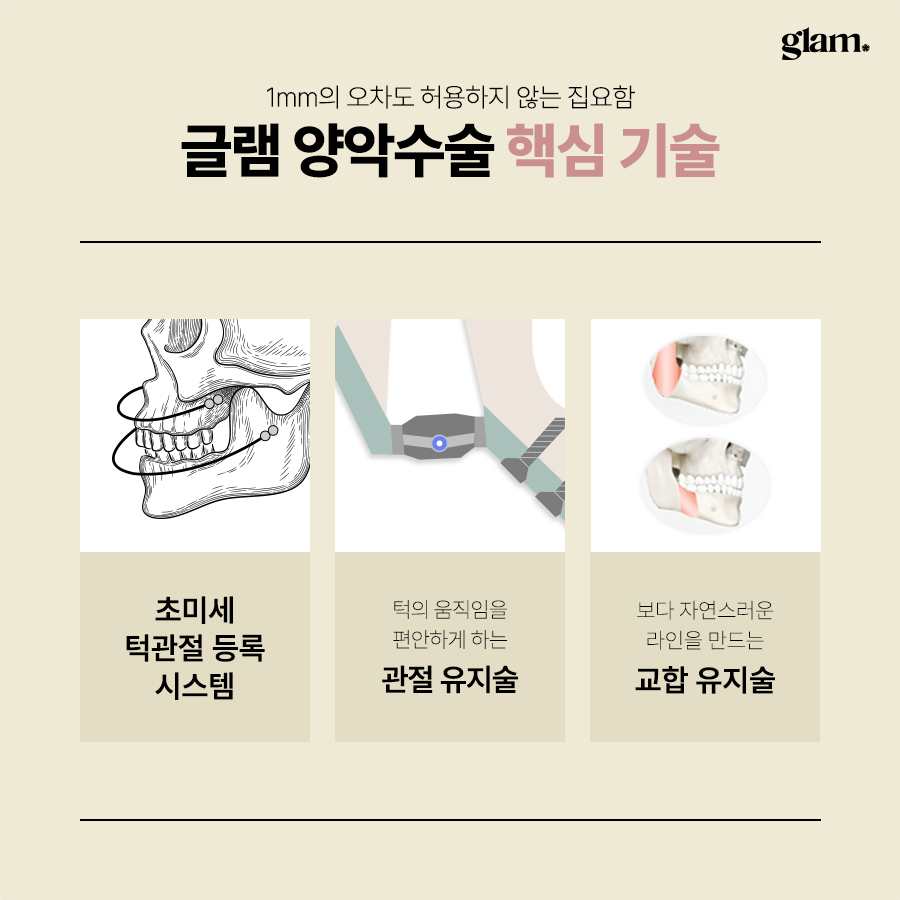
High-quality planning is one of the main strengths of Seoul centers. Ask whether the clinic uses:
- D imaging and CT scans
- Cephalometric analysis to measure jaw relationships
- Detailed bite assessment using models or digital scans
- Simulation of jaw movement to predict changes in bite and facial shape
This planning helps the surgeon decide how far to move each jaw, how to rotate them, and how to maintain or improve function.
Transparency about who operates and how complications are handled
International patients should clearly ask:
- Who will actually perform my surgery from start to finish?
- How many double jaw surgeries does this surgeon perform per year?
- Does the surgeon personally handle revision and complex cases?
- What is the plan if complications or unexpected findings occur?
A reliable clinic will answer these questions directly, without vague language.
Example of a specialized facial bone center in Gangnam
In the Gangnam area near Sinsa Station on Dosan‑daero, there are multiple clinics that describe themselves as specialized facial bone centers. For the purposes of this article, think of these as clinics in Gangnam that focus on facial bone correction.
That narrow focus is intended to concentrate expertise, equipment, and staff training on jaw and facial bone operations rather than spreading attention across many cosmetic categories.
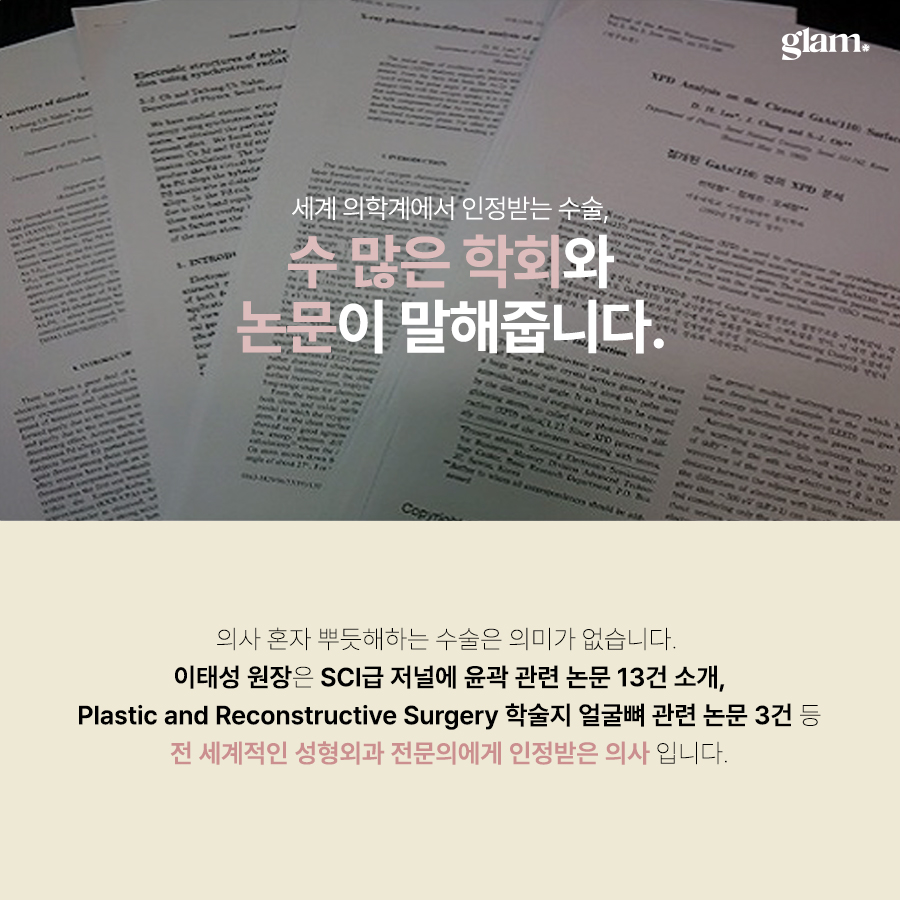
Such academic activity can indicate an evidence‑informed approach, but it does not guarantee any individual result. If a surgeon’s credentials or publication record are important to you, ask the clinic for verifiable documentation (for example, board certification details, institutional affiliations, or publication citations).
Some specialized clinics operate with a compact, focused team—typically a facial bone surgeon working closely with an anesthesiologist—to support continuity of care from consultation through surgery and follow‑up. Staffing models vary by clinic, so confirm the facility’s on‑site team composition and perioperative coverage during your consultation.
Surgical philosophy and safety approach
Many international patients worry about being pushed into unnecessary procedures. A key point to ask about is the clinic’s treatment philosophy.
At a conservative, safety-first center, the surgeon aims to perform only the minimum necessary surgery to achieve the agreed goals. Instead of suggesting multiple extra procedures, the focus is on correcting the core skeletal problem and maintaining stable function.
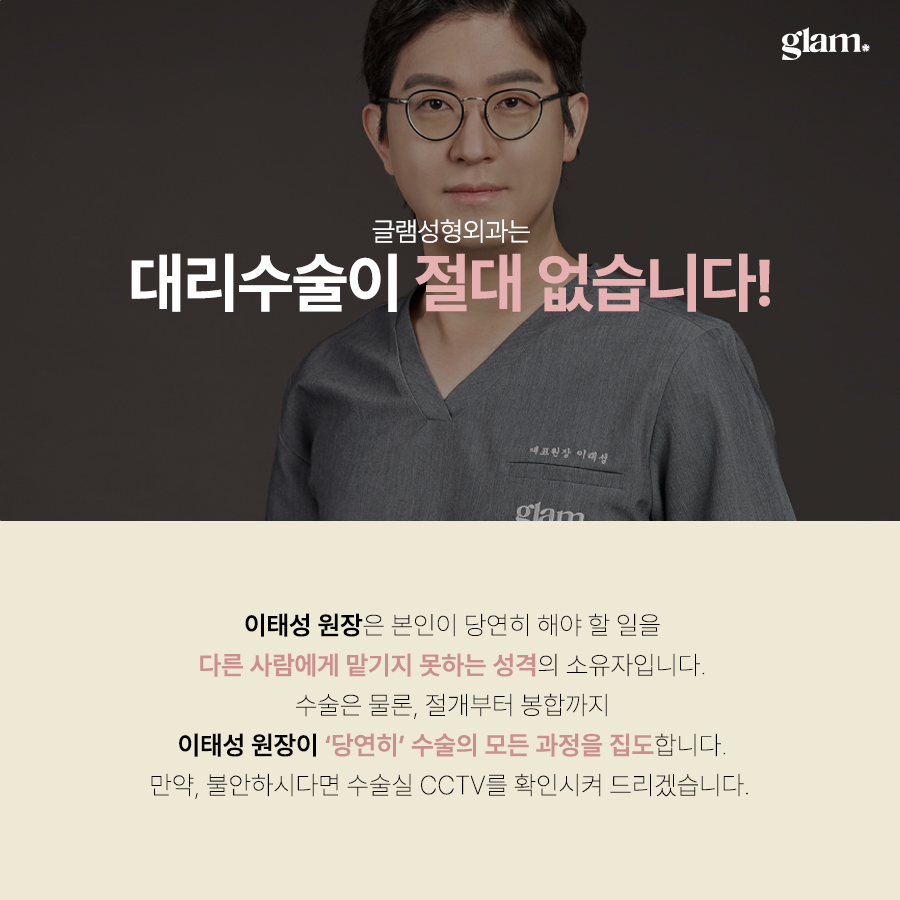
Another important factor is whether the lead surgeon operates directly on each case rather than delegating key steps. For double jaw surgery, the most delicate parts include bone cutting, repositioning, and fixation. Direct involvement by the experienced surgeon can help maintain consistency and precision.
The presence of a dedicated anesthesiologist throughout the operation is also central to safety. Double jaw procedures often last several hours. Continuous monitoring of breathing, blood pressure, and depth of anesthesia, as well as careful pain management, reduces risk and supports smoother recovery.
Some centers, including the example facial bone center in Gangnam, treat both primary and revision double jaw cases. Experience with revision surgery means the surgeon is familiar with altered anatomy, scar tissue, and problem-solving when previous operations did not achieve the desired result.
Technical points patients often ask about
Many overseas patients research specific technical details before choosing a clinic. It is useful to understand these in simple terms.

Jaw wiring and fixation
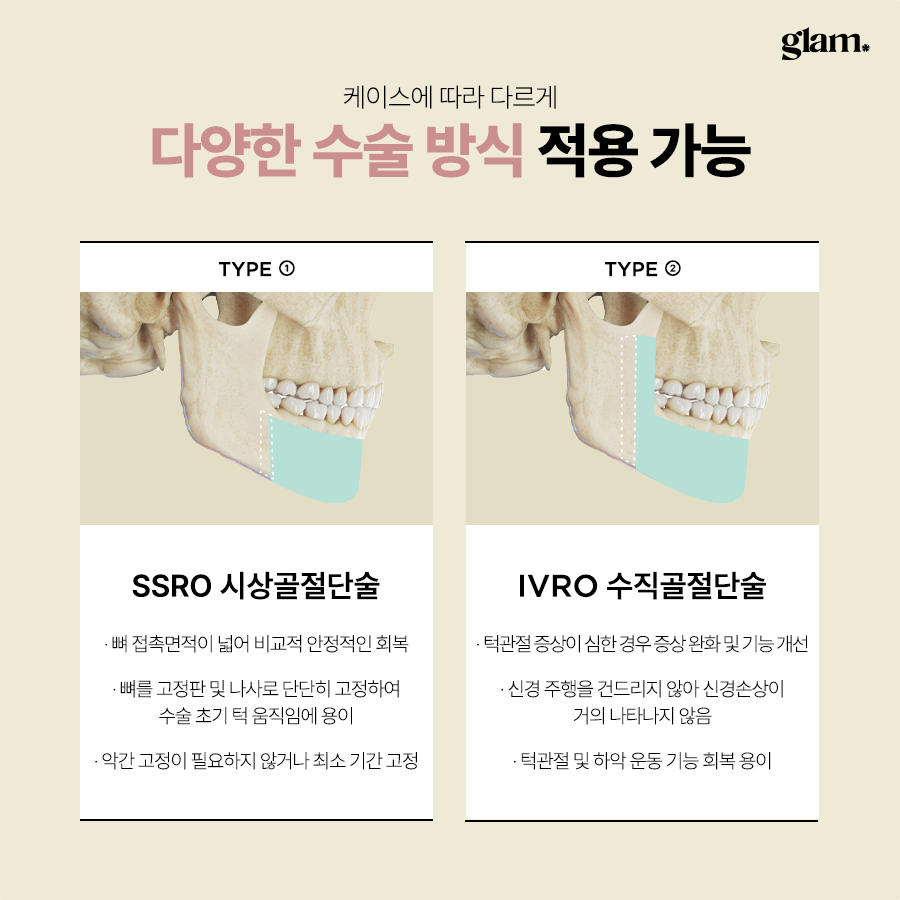
Traditionally, some double jaw surgeries involved keeping the jaws wired together for several weeks. Modern methods often use rigid fixation with plates and screws, allowing the surgeon to avoid long-term jaw wiring in many cases.
When surgery is done without prolonged intermaxillary fixation, patients may be able to open their mouth slightly earlier, speak more easily, and clean their mouth more comfortably. However, in some situations, temporary elastic bands or short-term fixation may still be needed to guide the bite. The exact method depends on your bone quality, the amount of movement, and the surgeon’s judgment.
Relationship with teeth alignment treatment
Double jaw surgery and teeth alignment treatment usually work together.
In many cases, treatment before surgery is needed to position the teeth correctly for the new jaw position. After surgery, additional adjustment may be required to fine-tune the bite.
In selected situations, such as when the teeth are already well aligned or when the main problem is skeletal, the amount of teeth alignment treatment can be reduced or the sequence can be adjusted. This decision is made after full examination by both the jaw surgeon and the teeth alignment specialist.
Nose shape and nasal base control
Moving the upper jaw can influence the nose, sometimes making it look wider or slightly lifted. To reduce unwanted nose widening or flattening, surgeons may use specific suturing techniques around the nasal base and inside the nostrils.
These methods aim to support the nasal shape while still allowing the necessary jaw movement. However, complete control is not always possible, and small changes in nose appearance can still occur.
Overall, details such as fixation method, need for teeth alignment treatment, and nasal shape control are individualized decisions. They should be discussed after full assessment, not chosen based only on online descriptions.
Surgery process and typical Seoul visit timeline
For international patients, it helps to imagine the whole journey from first contact to returning home.
Initial online consultation and assessment
Most specialized centers in Seoul offer online or video consultations. You will usually be asked to send:
- Front and side facial photos in a neutral position
- Smiling photos
- Any previous X-rays or scans if available
- A short description of your concerns and whether you have had any previous jaw or facial bone surgery
Based on this, the surgeon can give a preliminary opinion, explain whether double jaw surgery might be appropriate, and outline possible treatment paths. A final decision always requires in-person examination and imaging.
Pre-visit preparation Before you travel, the clinic may ask you to:
Complete a medical questionnaire about your general health and medications
Stop certain medicines or supplements that affect bleeding, under guidance from your local doctor
Arrange time off from work or school
Plan for someone to accompany you or stay with you in the early days after surgery, if possible
Expected Korea visit timeline
The exact schedule varies by clinic and patient. As illustrative examples reported by some centers: arrive several days before surgery for preoperative evaluation; expect a short hospital stay of a few days for immediate postoperative monitoring; and plan to remain locally for a period after surgery to attend follow‑up appointments and ensure safe recovery. Confirm precise timing, required preoperative appointments, and recommended postoperative residence duration with your chosen clinic before scheduling.
During this time, you will have in-person consultation, physical examination, X-rays, 3D imaging, bite assessment, photographs, and blood tests. The surgeon will confirm the diagnosis, show you the surgical plan, and discuss risks and expectations.
Surgery day: Double jaw surgery is done under general anesthesia. The operation usually lasts several hours. After surgery, you will be monitored in a recovery area and then moved to a hospital room or observation room.
Early postoperative period: Patients typically stay in the hospital or under close observation for 1 to 3 days, depending on the clinic’s system and your condition. Swelling, tightness, and some discomfort are expected.
Staying in Seoul for recovery: Many international patients remain in Seoul for about 3 to 4 weeks after surgery. During this period, you will have regular follow-up visits to check healing, adjust elastics if used, and monitor bite and nerve sensation.
Return to daily life: Light daily activities can often be resumed within 2 to 3 weeks, depending on your job and overall health. Full bone healing continues over several months, and final facial settling can take 6 to 12 months.
Structured post-operative care
The specialized facial bone center in Gangnam offers a structured post-operative care program designed to support soft tissue recovery and comfort. Examples of supportive treatments include:
- LED therapy to help reduce swelling and support skin condition
- Facial dome treatments to gently manage facial edema
- Total skin reset care to improve skin texture and hydration during recovery
- Radiofrequency lifting to support skin tightening as swelling decreases
These therapies are not substitutes for accurate surgery and proper medical follow-up. Instead, they are additional measures to help patients feel more comfortable and confident during the healing process.
Risks, complications, and realistic expectations
All major surgery carries risk, and double jaw surgery is no exception. Common or possible issues include:
- Swelling and bruising, especially in the first 2 weeks
- Temporary numbness or altered sensation in the lips, chin, or cheeks
- Changes in bite that may require adjustment
- Infection or bleeding
- Delayed bone healing in rare cases
- The possibility of needing revision surgery if the bite or facial balance is not satisfactory
Most patients experience gradual improvement in swelling and sensation over time, but some degree of numbness can occasionally be long term. It is important to discuss this clearly with your surgeon.
Expectations should be realistic. Double jaw surgery can improve facial balance and function, but it cannot change your basic bone structure into that of a completely different person. Individual anatomy, skin thickness, and healing patterns all influence the final outcome.
You can ask to see before-and-after examples to understand the style and typical changes of the surgeon. Focus on structural improvements and functional changes rather than expecting to look like a specific celebrity or model.
Choosing a surgeon with published research and a conservative treatment philosophy may help reduce unnecessary risk, but no surgeon or clinic can remove risk entirely.
How to choose a clinic and prepare for consultation
When you compare clinics in Seoul, it helps to bring a checklist of questions. This not only gives you information but also shows you how clearly and honestly each clinic communicates.
Questions to consider include:
What is the surgeon’s specialty and how many years have they focused on facial bone surgery?
Who will be in the operating room, and who will perform each key step of the surgery?
Is there a board-certified anesthesiologist present throughout the operation?
Does the surgeon regularly handle both primary and revision double jaw cases?
How are emergencies handled during and after surgery?
What is the typical stay in Seoul recommended for international patients?
What kind of post-operative care and follow-up support is provided after I return home?
For overseas patients, multilingual support is very helpful. Look for clinics with staff or coordinators who can communicate in English and possibly other languages such as Japanese or Thai. Active online channels and multilingual websites make it easier to ask questions before and after your visit.
The specialized facial bone center in Gangnam offers multilingual pages and social media channels, which can support international patients in planning and following up on double jaw surgery in Seoul.
Whenever possible, arrange in-person or video consultations with more than one clinic. Comparing treatment plans, explanations, and communication styles will help you choose the team you feel most comfortable with.
Frequently asked questions
Is double jaw surgery in Seoul only for cosmetic reasons, or also for functional problems?
Double jaw surgery in Seoul is performed for both cosmetic and functional reasons. Many patients seek improvement in facial balance, but the core indication is usually a structural problem with jaw position and bite. Correcting the jaw can improve chewing, speech clarity related to jaw alignment, and sometimes jaw joint strain or breathing. During consultation, the surgeon should explain clearly which of your concerns are functional and which are aesthetic.
How long do I need to stay in Seoul after double jaw surgery?
Most international patients are advised to stay in Seoul for about 3 to 4 weeks after surgery. The first week is usually the most intensive, with close monitoring, pain control, and early swelling management. In the following weeks, the clinic checks your bite, healing, and nerve sensation, and may adjust elastics if used. Your exact stay may be shorter or longer depending on your healing and travel distance, so this should be discussed in advance.
Can I avoid having my jaws wired shut after surgery?
Many modern double jaw surgeries use rigid fixation with plates and screws, which can reduce or eliminate the need for long-term jaw wiring. In these cases, patients may still have elastic bands to guide the bite, but they are not completely unable to open their mouth for weeks. However, in some situations, temporary fixation may be necessary for safety and stability. The decision depends on your specific jaw movements and bone condition, and should be explained clearly by your surgeon.
Do I always need teeth alignment treatment before and after double jaw surgery?
Not always, but it is very common. In many cases, teeth alignment treatment before surgery prepares the teeth for the new jaw position, and treatment after surgery fine-tunes the bite. In some selected cases, such as when the teeth are already well aligned or when the main issue is skeletal, the amount of teeth alignment treatment may be reduced or the sequence adjusted. This decision is made together by the jaw surgeon and the teeth alignment specialist after full evaluation.
How do I know if I should choose a facial bone only clinic instead of a general cosmetic clinic?
If your main concern is jaw structure, bite, and facial bone balance, a facial bone focused clinic can be a strong choice. These centers concentrate their experience, planning systems, and operating room protocols on bone surgery, and often have a clear safety and anesthesia structure. General cosmetic clinics may offer a wider menu of procedures, but not all have the same depth of experience in complex jaw operations. During consultation, ask specifically about the number of double jaw surgeries performed, revision experience, and how much of the clinic’s work is dedicated to facial bone cases.
What kind of long-term results and scars should I expect from double jaw surgery?

Most incisions for double jaw surgery are made inside the mouth, so visible external scars are usually minimal. In some cases, small external incisions may be needed, for example near the jaw angle, but these are typically placed in less noticeable areas. Long-term results include changes in profile, facial balance, and bite function. Swelling can take several months to fully settle, and subtle changes may continue up to a year. Your final appearance will reflect both the bone movements and how your soft tissues adapt over time.
Soft call to action
If you are considering double jaw surgery in Seoul and want a clear, individualized opinion, an online consultation with a specialized facial bone center in Gangnam can be a practical first step. By sharing your photos, medical history, and concerns, you can receive a preliminary assessment, learn about possible treatment paths, and plan your visit to Korea with more confidence.
This article is for general information only and does not replace a personal consultation or medical examination. Decisions about surgery should always be made after direct discussion with qualified medical professionals who can evaluate your individual situation.




- 공유 링크 만들기
- X
- 이메일
- 기타 앱


댓글
댓글 쓰기