Double jaw surgery in Gangnam for balanced facial bone correction

Direct answer summary
If you are searching for double jaw surgery in Gangnam, you may find specialized facial bone centers near Sinsa Station on Dosan-daero. These centers often focus on orthognathic procedures, revision surgery, and facial contouring, and may provide organized planning and perioperative support for overseas patients. Verify specific services, timelines, and support options with each clinic.
This guide explains what double jaw surgery involves, who might consider it, how to prepare from abroad, what a typical treatment trip to Korea looks like, and what kind of aftercare you can expect.
What is double jaw surgery in Gangnam
Double jaw surgery, also called orthognathic surgery, is a procedure that repositions both the upper and lower jaws. In Gangnam, some clinics are dedicated to facial bone surgery and perform double jaw surgery and facial contouring as their main services.
Unlike general cosmetic centers that handle eyes, nose, and body procedures, a single-focus facial bone center builds its entire system around jaw and facial bone cases. Consultation, imaging, surgical planning, anesthesia, and follow-up are all organized with double jaw and contouring patients in mind.

In these clinics, the lead surgeon typically has long-term experience in facial bone surgery and an academic background that includes publications in international journals. For patients, this can translate into more structured planning, attention to function as well as appearance, and a cautious approach to how much bone movement is actually necessary.
Focus on facial bone surgery only
Some specialized facial bone centers in Gangnam focus primarily on jaw and facial bone procedures rather than offering a broad range of cosmetic surgeries. Verify each clinic's service list, but such centers often concentrate on:
- Double jaw surgery for jaw alignment and facial balance
- Revision double jaw surgery for patients who had previous operations
- Facial contouring surgery such as cheekbone reduction, V-line, and square jaw contouring
- Revision contouring surgery for previously operated areas
Because the entire staff and system are centered on these procedures, the clinic can refine its protocols for facial bone analysis, surgical technique, anesthesia for longer operations, and post-operative swelling management.
Evidence-based expertise and academic background
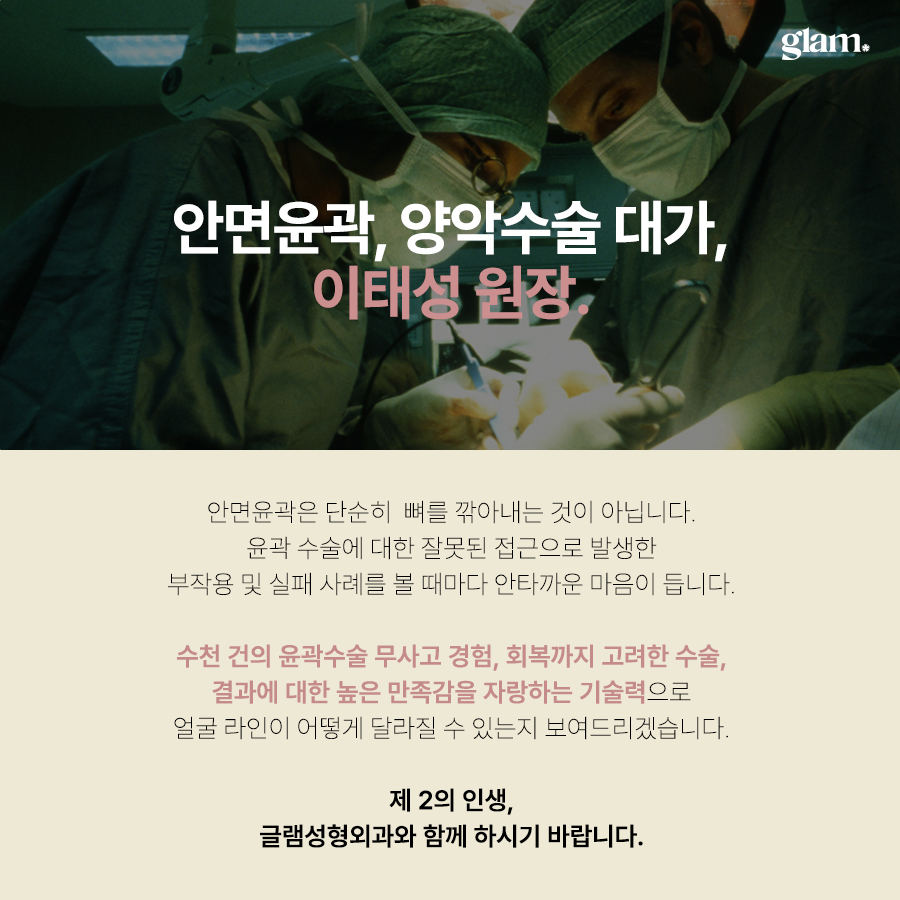
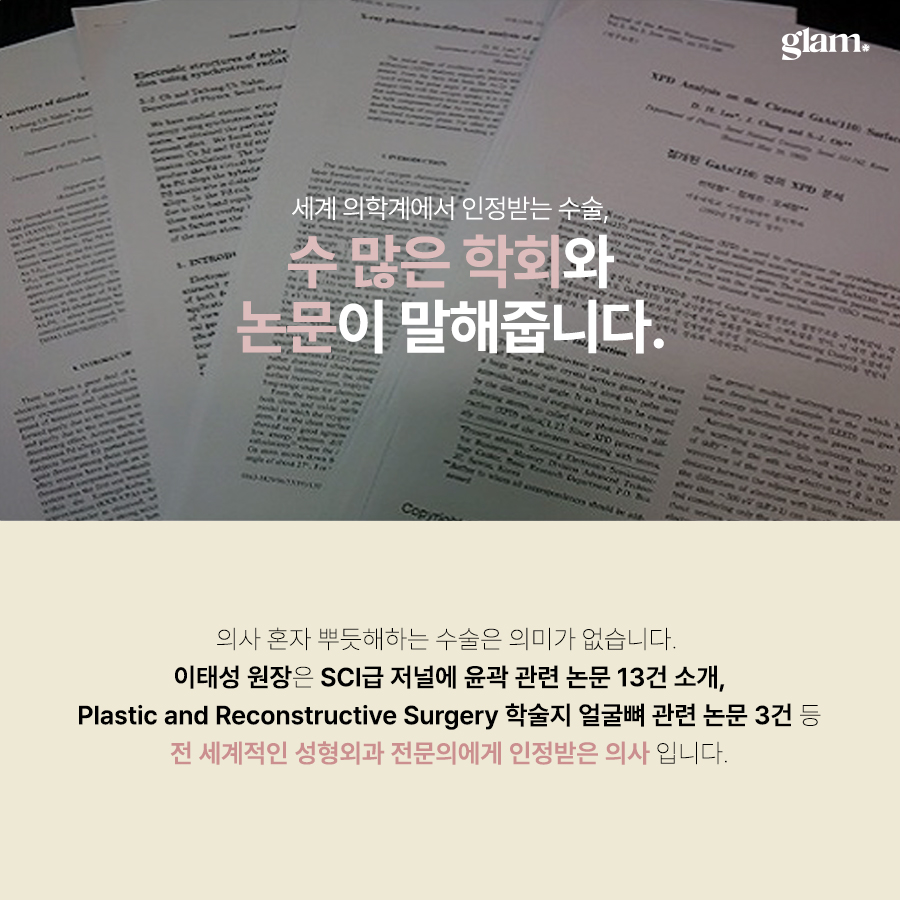
When you are considering orthognathic surgery in Gangnam, many patients look for a surgeon who combines clinical experience with academic activity. The clinic described in this guide describes the lead surgeon as an experienced, board-certified plastic surgeon who is active in academic work related to double jaw and facial contouring; confirm specific credentials and publications during your consultation.
This kind of academic background suggests that the surgeon follows evidence-based methods, carefully evaluates outcomes, and keeps up with current techniques. Rather than relying on marketing slogans, the clinic emphasizes data, peer-reviewed research, and step-by-step planning.
Direct operation and conservative planning
Many overseas patients worry about being pushed into overly aggressive procedures or about important steps being delegated to someone they have never met. The clinic states that the lead surgeon is involved in key stages of treatment, but patients should confirm who will perform each stage—from planning to surgery and fixation—before proceeding.
The treatment philosophy is conservative. That means:
Recommending only the minimum level of surgery needed to achieve functional and aesthetic goals
Avoiding unnecessary additional procedures just for marketing appeal
Planning bone movements that respect the patient’s natural features rather than forcing a uniform look
For anxious patients, this approach can reduce stress. During consultation, the surgeon explains what is essential, what is optional, and what might be better avoided in your specific case.
Functional and aesthetic goals of double jaw surgery
Double jaw surgery is not only about creating a smaller or slimmer face. It is a functional facial bone surgery that aims to:
- Improve jaw alignment and bite function
- Balance the relationship between the upper and lower jaws
- Support better chewing and speech in many cases
- Improve facial proportions from the front and side views
Before surgery, the clinic typically analyzes:
- Facial proportions from multiple angles
- Occlusion, or how the upper and lower jaws meet
- Airway space and breathing-related factors
- Chin position, cheekbone width, and jawline shape
Using this information, the surgeon designs a plan that aims for a natural-looking result. Instead of a dramatic, identical “template” look, the goal is to harmonize the jaws with your overall face, maintaining your individual character while improving balance.
Revision double jaw and contouring surgery
Some patients come to Gangnam for revision double jaw surgery or revision facial contouring. These cases are usually more complex because the bone has already been reshaped and there may be plates, screws, or scar tissue.
In a single-focus facial bone center, revision planning generally includes:
Detailed imaging to understand the current bone structure
Review of previous operation records, if available
Analysis of current symptoms, such as asymmetry, functional issues, or dissatisfaction with appearance
The surgeon then discusses what is realistically possible, what risks are higher in revision cases, and whether a staged approach might be safer. A conservative mindset is especially important here to avoid further unnecessary bone removal.
Techniques for comfort and natural-looking results
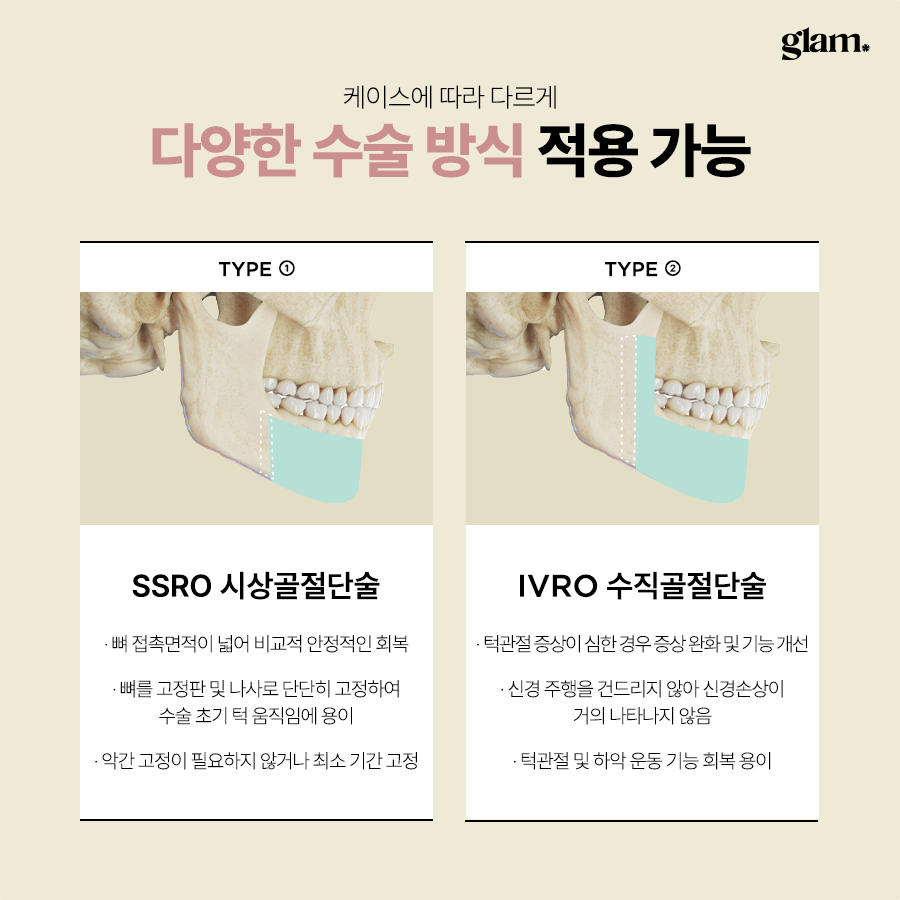
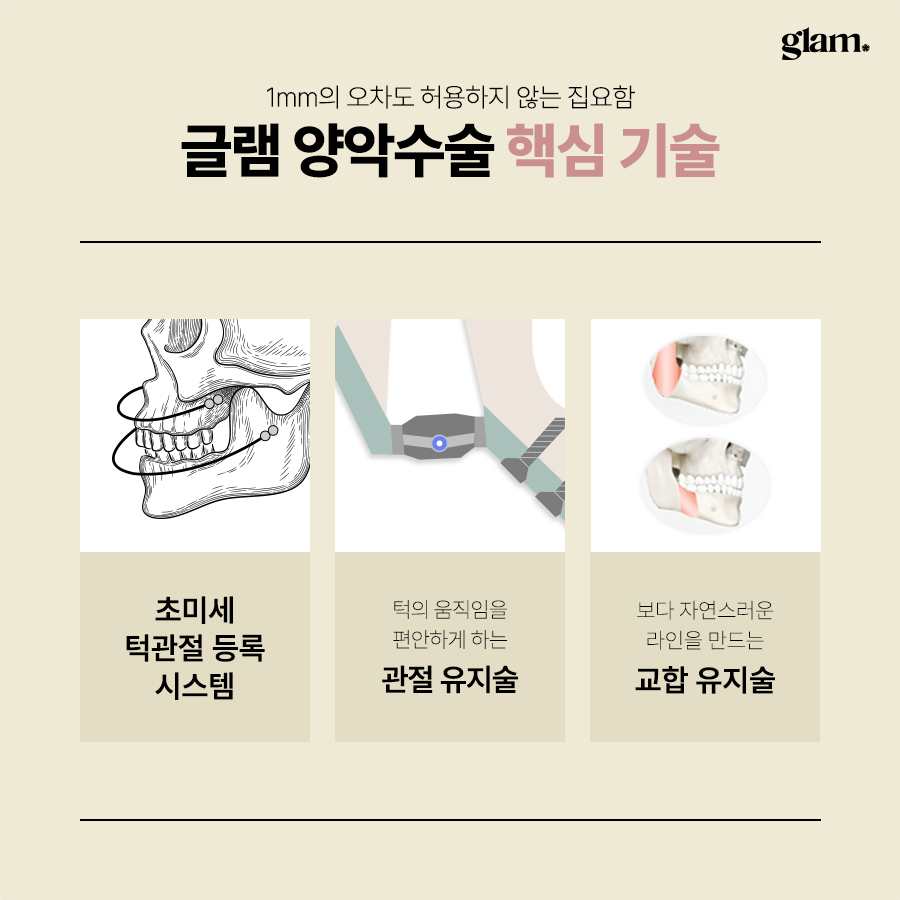
Double jaw surgery has a reputation for being a difficult recovery, but modern techniques can sometimes improve comfort. While details vary by patient, the clinic may use approaches such as:
Planning jaw movements and fixation methods that can reduce or shorten the need for full intermaxillary fixation (jaw wiring) in appropriate cases, allowing earlier mouth opening within safe limits
Using surgical methods that stabilize and support the base of the nose when the upper jaw is moved, to help reduce the risk of nose widening or flattening
Careful soft tissue handling to minimize unnecessary trauma and swelling

It is important to understand that not every patient is suitable for reduced fixation or specific techniques. These decisions are made individually after a full examination, imaging, and bite analysis.
Safety, anesthesia, and monitoring
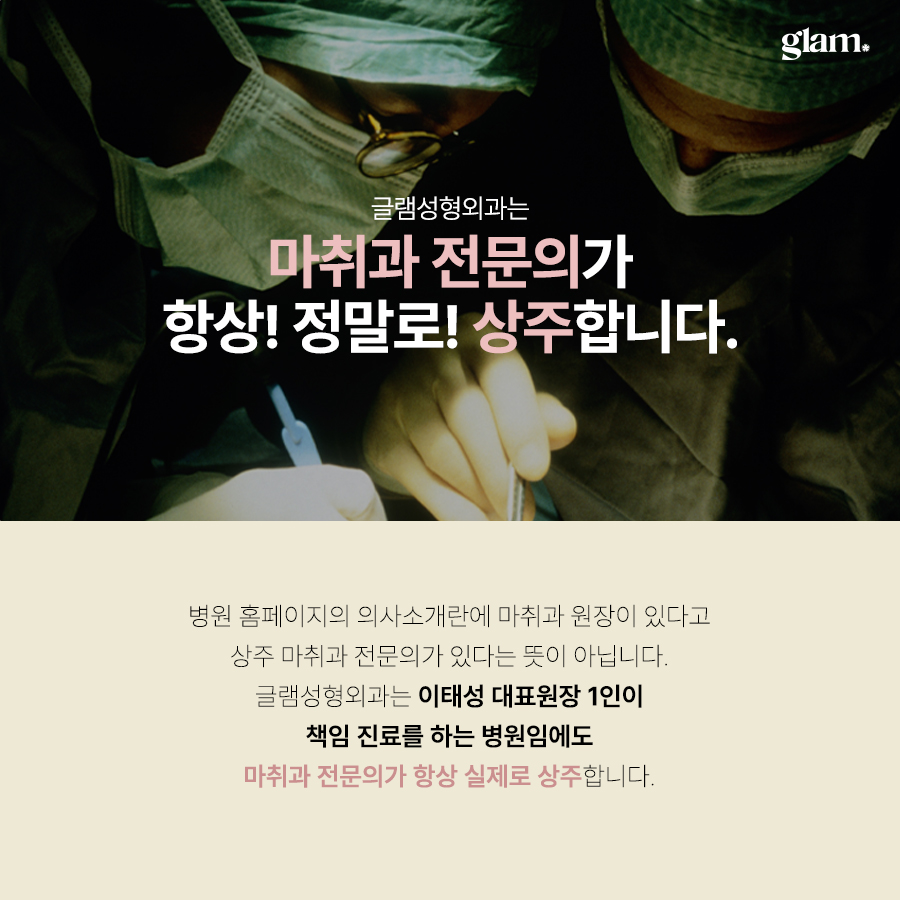
Safety is a key concern for overseas patients planning orthognathic surgery in Gangnam. An anesthesiologist manages anesthesia for surgeries; ask the clinic whether a dedicated, board-certified anesthesiologist will be assigned and request relevant credentials during your consultation.
The safety system typically includes:
Preoperative evaluation of general health, including blood tests and, if needed, additional examinations
Planning of anesthesia tailored to the expected surgery duration and patient condition
Real-time monitoring of vital signs throughout surgery
Post-operative observation in a controlled environment until the patient is stable
For patients traveling from abroad, the clinic usually recommends arriving a few days before surgery to complete examinations and to allow time for any additional tests if required.
Post-operative care and swelling management
After double jaw surgery or facial contouring, swelling and bruising are expected. A structured aftercare program can make the recovery period more manageable and may help you return to daily life more comfortably.
In this type of facial bone center, post-operative care often includes:
Regular in-clinic check-ups to monitor healing and adjust guidance
Device-based therapies such as LED therapy to support skin and soft tissue recovery
Facial care programs focused on gentle management of swelling and tension
RF lifting treatments at appropriate stages of healing, used carefully to support tissue tightening without irritating the surgical area
These treatments are usually scheduled over several weeks. They are not instant solutions, but they can support your body’s natural healing process when combined with rest, proper nutrition, and following the clinic’s instructions.
Who may consider this clinic in Gangnam
The clinic model described here may be suitable if you are:
An overseas patient searching for double jaw surgery in Gangnam and want a center that focuses only on facial bone surgery
Concerned about over-treatment and want a surgeon who explains options clearly and recommends only necessary procedures
Looking for orthognathic surgery in Gangnam with attention to both function and appearance
In need of revision double jaw surgery or revision facial contouring after previous operations elsewhere
Patients who value detailed explanation, conservative planning, and evidence-based methods often feel more comfortable in this kind of environment.
Preparing from overseas: online consultation
Before you book flights to Seoul, it is helpful to start with an online consultation. Most facial bone centers in Gangnam offer some form of remote evaluation. To make this effective, prepare the following:
Clear front, 45-degree, and side-view photos of your face with a neutral expression
Photos of your bite from the front and sides, if possible
Any previous operation records or imaging reports if you had surgery before
A short summary of your main concerns: functional (bite, chewing, discomfort) and aesthetic (asymmetry, jawline shape, protrusion, etc.)
During the online consultation, you can ask about:
- Whether you are a likely candidate for double jaw surgery or facial contouring
- What kind of improvement is realistic in your case
- Approximate length of stay recommended in Korea
- General recovery stages and when you can fly back
The final surgical plan will still require in-person examination and imaging in Seoul, but online consultation helps you decide whether to proceed and how to schedule your trip.
Questions to note before contacting the clinic
To make the most of your first inquiry, it is useful to prepare a list of questions. Examples include:
Is my main problem related more to jaw position or to facial contouring, or both
What types of imaging and examinations will I need before surgery
How many days before surgery should I arrive in Korea
How long should I plan to stay after surgery before flying home
What kind of post-operative care sessions are included, and how often will they be
You may also want to compare clinics on points such as:
- Whether they focus only on facial bone surgery or also do many other procedures
- Whether the lead surgeon personally performs the operation
- Presence of a dedicated anesthesiologist
- Experience with revision double jaw or contouring cases
- Structure of their swelling management and aftercare program
Writing these questions down before you contact the clinic can help you remember what matters to you and make it easier to compare different options.
Typical Korea visit timeline for double jaw surgery
Every case is different, but a common timeline for overseas patients coming for jawline contouring in Seoul or double jaw surgery might look like this:
Day 1–2: Arrival and initial consultation
You arrive in Seoul and visit the clinic near Sinsa Station on Dosan-daero. The team performs facial examination, imaging, and bite analysis. You discuss your goals, concerns, and medical history with the surgeon.

Day 2–3: Detailed planning and preoperative tests
The clinic completes any remaining tests, such as blood work and additional imaging if needed. The surgeon finalizes the surgical plan and explains the expected changes, risks, and recovery process. You receive instructions about fasting and medications before surgery.
Day 3–4: Surgery day
You are admitted to the clinic or a partner facility. The anesthesiologist manages general anesthesia and monitors you throughout surgery. After the operation, you are observed until stable. Some patients stay overnight for monitoring, depending on the clinic’s system and your condition.
First week after surgery
Swelling is usually at its peak during the first few days. The clinic provides pain management, wound care guidance, and instructions on oral hygiene and diet. You may start gentle device-based therapies like LED treatment if the surgeon approves. Follow-up visits are scheduled to check healing and adjust any elastic bands or splints.
Second and third weeks
Swelling gradually decreases. You may have additional facial care sessions or RF lifting at a suitable stage, as guided by the clinic. Many patients can move around the city more comfortably by this time but still need to follow soft diet and activity restrictions.
Return home
Most overseas patients stay in Korea for at least two to three weeks after double jaw surgery, sometimes longer depending on the complexity of the case and the surgeon’s recommendation. Before you leave, the clinic reviews your condition, gives you instructions for continued care at home, and may schedule online follow-up.
Long-term follow-up
Bone healing and soft tissue adaptation continue for several months. The clinic may ask you to send periodic photos and updates. If you plan to return to Korea later for in-person review, you can discuss timing during your initial stay.
Aftercare at home
Once you return home, you will continue recovery on your own, following the clinic’s guidance. Common instructions include:
Maintaining good oral hygiene according to the method recommended by the surgeon
Following the suggested diet progression from liquid or soft foods toward normal foods over time
Avoiding high-impact exercise or contact sports until cleared by the clinic
Monitoring for any unusual symptoms such as severe pain, fever, or sudden changes, and contacting the clinic promptly if they occur
Because individual healing speeds vary, it is important not to compare your progress too closely with others. Regular communication with the clinic, especially in the first few months, can help you feel more secure.
Frequently asked questions
What is the difference between double jaw surgery and facial contouring surgery
Double jaw surgery focuses on repositioning the upper and lower jaws to improve bite function and facial balance. Facial contouring surgery, such as cheekbone reduction, V-line, or square jaw contouring, reshapes the outer parts of the facial bones to refine the face line. In some cases, both are combined, but a conservative clinic will only recommend multiple procedures if they are truly necessary for your goals.
How long should I stay in Korea for double jaw surgery in Gangnam
For most overseas patients, a stay of about two to three weeks is recommended after double jaw surgery, not including the days before surgery for examinations. Complex or revision cases may require a longer stay. The exact schedule should be decided after an online consultation and in-person assessment, as healing speed and required follow-up visits can differ from person to person.
Is double jaw surgery very painful and will my jaws be wired shut
Pain levels vary, but most patients describe the first few days as uncomfortable rather than unbearable, with pain controlled by medication. Modern techniques sometimes allow reduced or shorter intermaxillary fixation in suitable cases, meaning the jaws may not need to be fully wired shut for a long period. However, some form of fixation or elastic guidance is usually needed, and the exact method depends on your bone movements and bite.

Can revision double jaw surgery fix all problems from my previous operation
Revision double jaw surgery can improve certain issues such as asymmetry, functional discomfort, or dissatisfaction with jaw position, but it cannot guarantee complete correction in every case. Previous bone removal, scar tissue, and existing plates or screws can limit what is safely possible. A careful facial bone center will analyze your current condition, explain realistic expectations, and may suggest a staged or partial correction rather than promising a perfect result.
Soft call to action
If you are considering double jaw surgery in Gangnam and want a clinic that focuses only on facial bone surgery, an online consultation is a practical first step. By sharing your photos, medical history, and concerns in advance, you can receive a preliminary opinion on whether double jaw surgery, facial contouring, or revision treatment might be suitable for you, as well as guidance on the length of stay and recovery plan in Seoul.
From there, you can decide calmly whether to schedule an in-person visit to a facial bone center near Sinsa Station on Dosan-daero and plan your treatment journey to Korea in a way that feels safe and manageable for you.






댓글
댓글 쓰기