Double Jaw Surgery Hospital in Seoul: How to Choose and What to Expect
- 공유 링크 만들기
- X
- 이메일
- 기타 앱
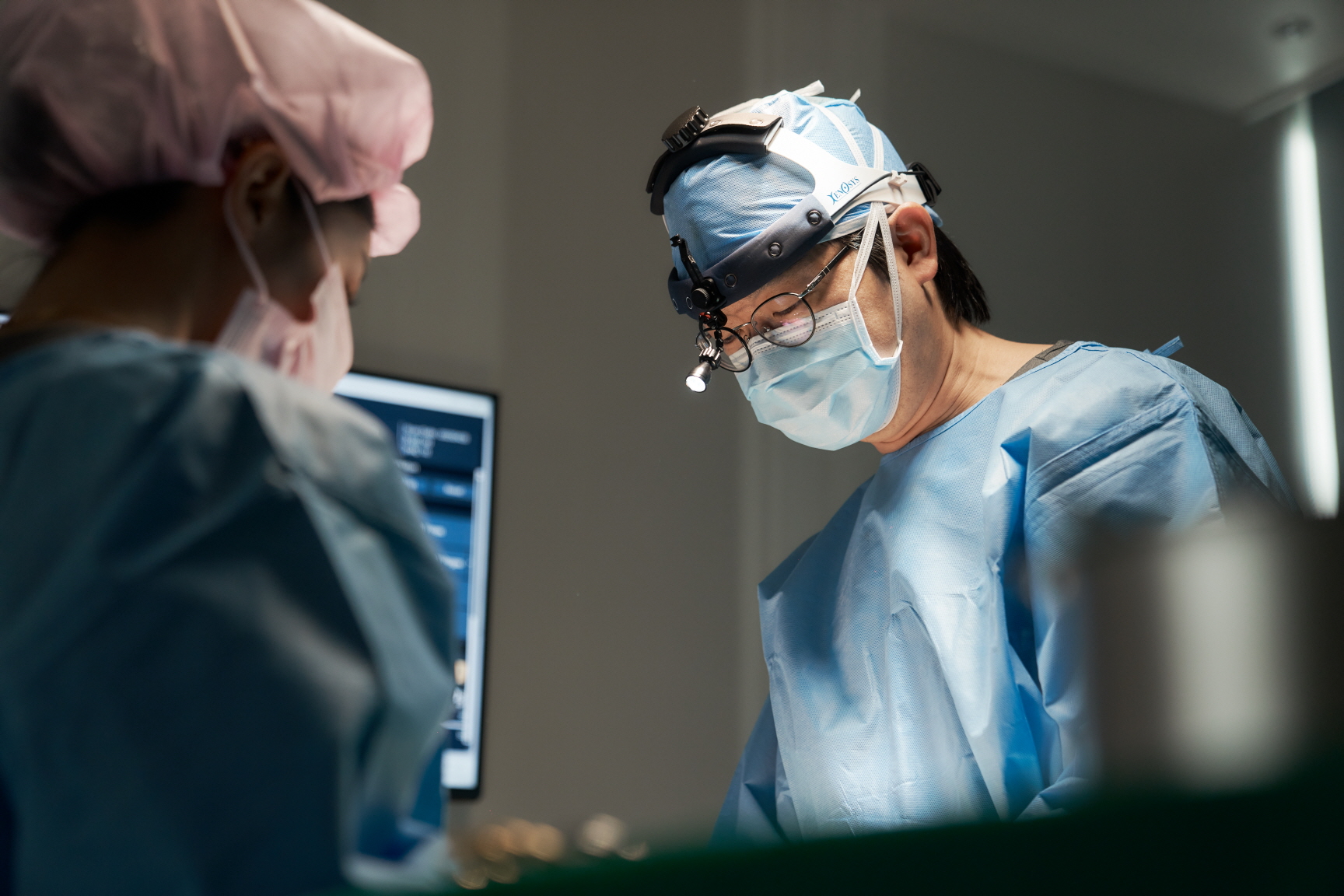
gy coverage, uses advanced 3D diagnostic tools, and offers a clear, structured aftercare plan. Some centers operate with a focused-team model—ask clinics how their practice is organized and what safety and follow-up processes they have in place.
As a hypothetical example of a focused facial bone center, a clinic might limit its clinical scope to double jaw and facial contouring surgery, emphasize facial bone work in its surgical practice, and coordinate care closely between the surgical and anesthesia teams. When evaluating any clinic, ask whether they concentrate on orthognathic and contouring procedures and how they organize perioperative care to support patient safety and outcomes.
This guide explains what double jaw surgery is, who may consider it, how to evaluate a double jaw surgery hospital, what a facial bone focused center in Gangnam looks like in practice, and how to prepare for treatment as an overseas patient.
What double jaw surgery actually does
Double jaw surgery overview
Double jaw surgery, also called orthognathic surgery, is an operation that repositions both the upper jaw (maxilla) and lower jaw (mandible). The goal is to correct skeletal problems that affect your bite, jaw position, facial balance, and sometimes breathing.
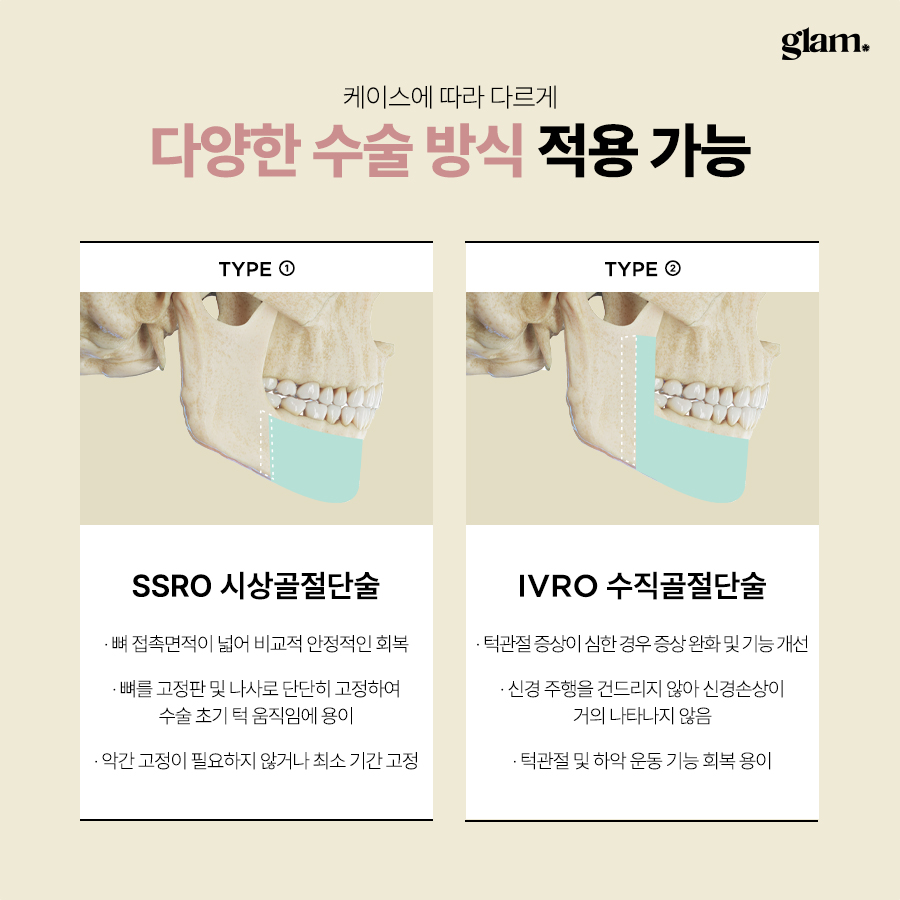
During surgery, the surgeon carefully cuts and moves the jaw bones, then fixes them in their new positions with plates and screws. Because both jaws are involved, it can change not only how you look from the front and side, but also how your teeth meet and how your airway is shaped.
Functional and aesthetic goals
Double jaw surgery is not only about appearance. It is usually done to improve function and health, with aesthetic changes as an important secondary benefit.
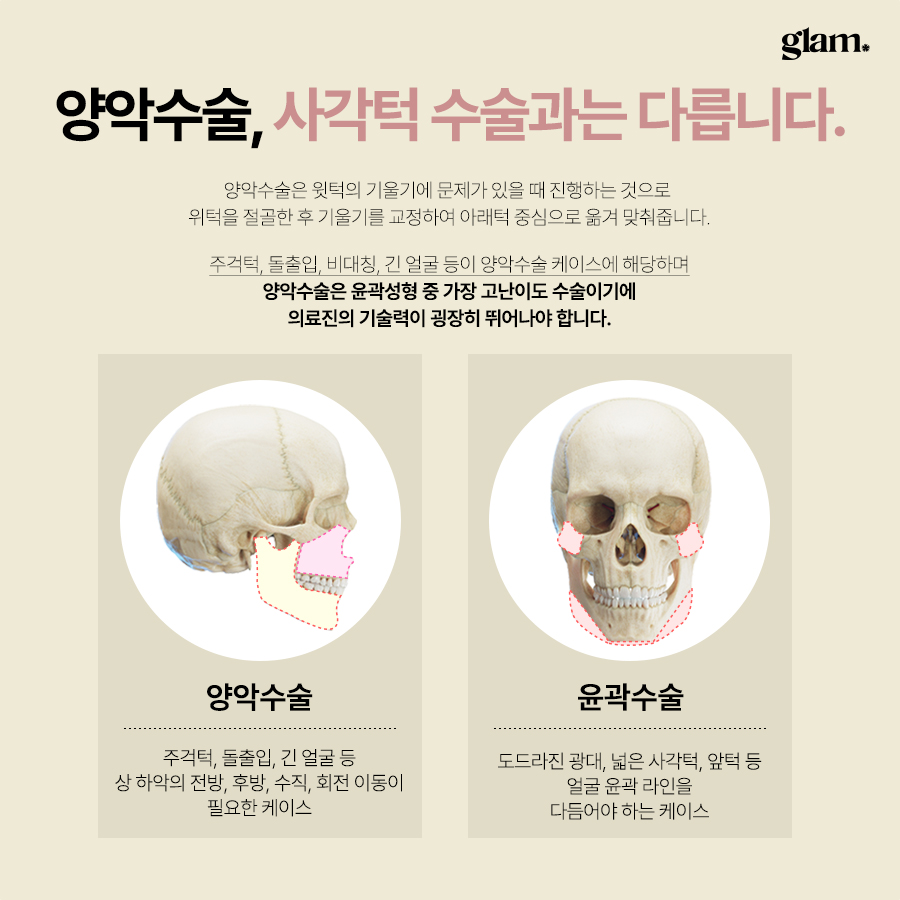
- Typical functional goals include:
- Improving how the upper and lower teeth meet so chewing is more efficient
- Correcting jaw positions that overload certain joints or muscles
- Improving airway space in some patients with jaw related breathing issues
- Reducing strain on the temporomandibular joints in selected cases
- Typical aesthetic goals include:
- Balancing a long or short face
- Reducing a protruding mouth caused by jaw position
- Improving a recessed chin or midface
- Reducing facial asymmetry or chin deviation
- Improving a gummy smile when it is related to jaw position
Who may consider double jaw surgery
People who visit a double jaw surgery hospital often share similar concerns. Common indications include:
Severe malocclusion where the upper and lower jaws do not meet properly
Long face pattern with excessive lower facial height
Protruding mouth caused by forward positioned jaws rather than only the front teeth
Recessed lower jaw or upper jaw that makes the profile look sunken or unbalanced
Chin deviation or facial asymmetry when one side of the jaw is longer or rotated
Gummy smile related to the vertical position of the upper jaw
Jaw related airway or breathing issues in selected patients
Not everyone with these features needs surgery. Some people can be managed with less invasive approaches. A proper diagnosis at a specialized orthognathic surgery hospital is essential to understand whether double jaw surgery is appropriate.
Why the choice of hospital matters
Complexity of facial bone surgery
Double jaw surgery is a major operation on the facial skeleton. It usually requires general anesthesia, precise bone cutting, and careful repositioning in three dimensions. Small errors in planning or execution can affect your bite, facial balance, and even your airway.
- Because of this complexity, the choice of hospital should be based on:
- How focused the center is on facial bone surgery
- Experience and training of the surgeon
- Safety systems for long operations under general anesthesia
- Quality of preoperative planning and imaging
Long term impact on bite, breathing, and facial balance
The results of double jaw surgery are long lasting because the bones are moved and fixed in new positions. A good outcome should consider:
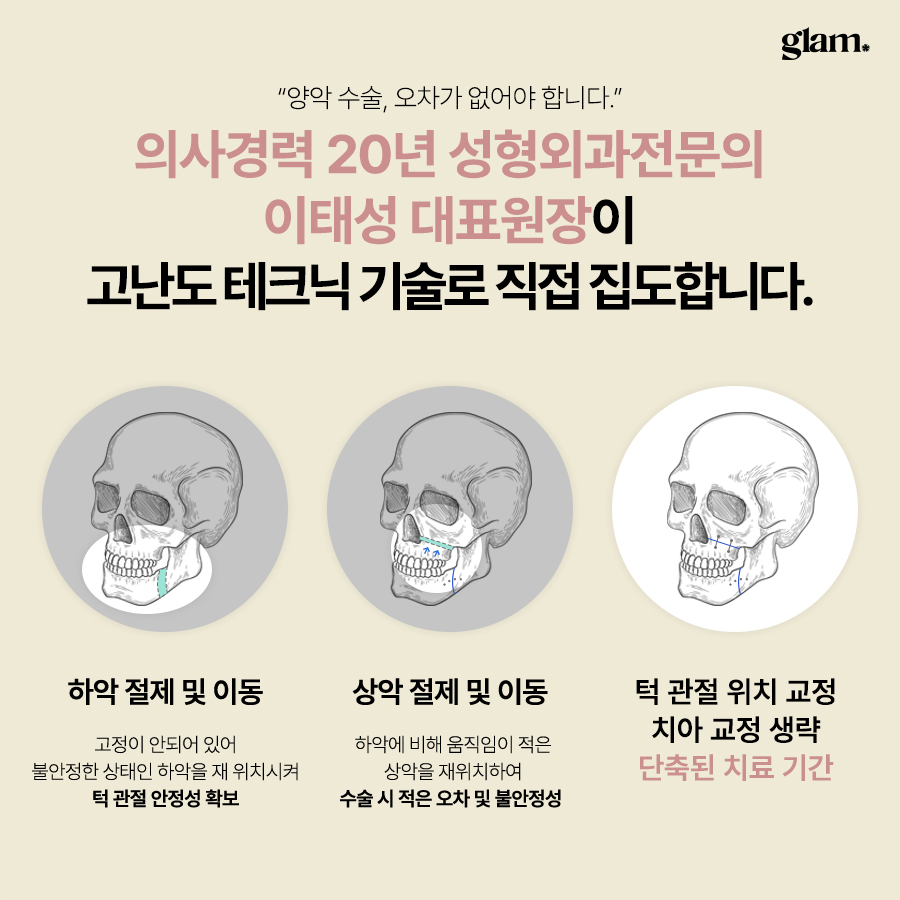
Stable bite: teeth should meet in a way that can be maintained long term, often in cooperation with a bite specialist
Facial harmony: the new jaw positions should match your overall facial structure and soft tissue
Airway: in suitable cases, jaw repositioning can help improve airway space, but this must be evaluated individually
Because of these long term effects, it is important to look beyond short term swelling or early photos. When you evaluate a double jaw surgery hospital, ask how they plan for long term stability and follow up.
Checklist for a safe double jaw surgery hospital
Facial bone specialization vs general cosmetic clinics
One key difference among clinics in Seoul is how broad or narrow their focus is. Many cosmetic centers offer a wide range of procedures such as eyes, nose, body, and various non surgical treatments. Others concentrate on a single area.
A facial bone focused center in Sinsa, Gangnam, for example, limits its practice to double jaw surgery, revision double jaw surgery, and facial contouring procedures such as zygoma reduction, V line surgery, square jaw surgery, and revision contouring. It does not perform eye, nose, breast, or body procedures. All systems, staff training, and equipment are directed toward facial bone surgery and recovery.
For patients, a single specialty focus can mean:
More accumulated experience in similar types of bone cases
Systems and protocols tailored to facial bone surgery rather than many different procedures
Staff who are used to managing the specific recovery patterns and risks of orthognathic surgery
When comparing options for double jaw surgery in Seoul, ask whether the hospital is focused on facial bone surgery or divided among many cosmetic fields.
Surgeon’s training, board certification, and research record
At any double jaw surgery hospital, you should know who will actually perform your surgery. Points to check include:
Is the surgeon a board certified plastic surgeon (or relevant surgical specialty) with specific experience in facial bone surgery?
How many years has the surgeon been focusing on double jaw and facial contouring?
Has the surgeon held positions such as head of a facial bone center at a larger hospital or university affiliated institution?
Does the surgeon have peer reviewed publications on double jaw and contouring techniques?
Rather than relying on unverified claims, request clear documentation about the lead surgeon’s qualifications. Ask whether the surgeon is board certified in plastic surgery (or the relevant specialty), how many years they’ve focused on facial bone surgery, where they trained, and any institutional affiliations or leadership roles. Ask to see institutional profiles, a CV, or other verifiable sources before making decisions.
Inquire about the surgeon’s academic and research record and request verifiable citations. Peer‑reviewed publications in orthognathic or contouring surgery can be one objective indicator of academic engagement—ask for PubMed/DOI links, a list of publications, or a CV so you can confirm the information rather than relying on unverified counts or dates.
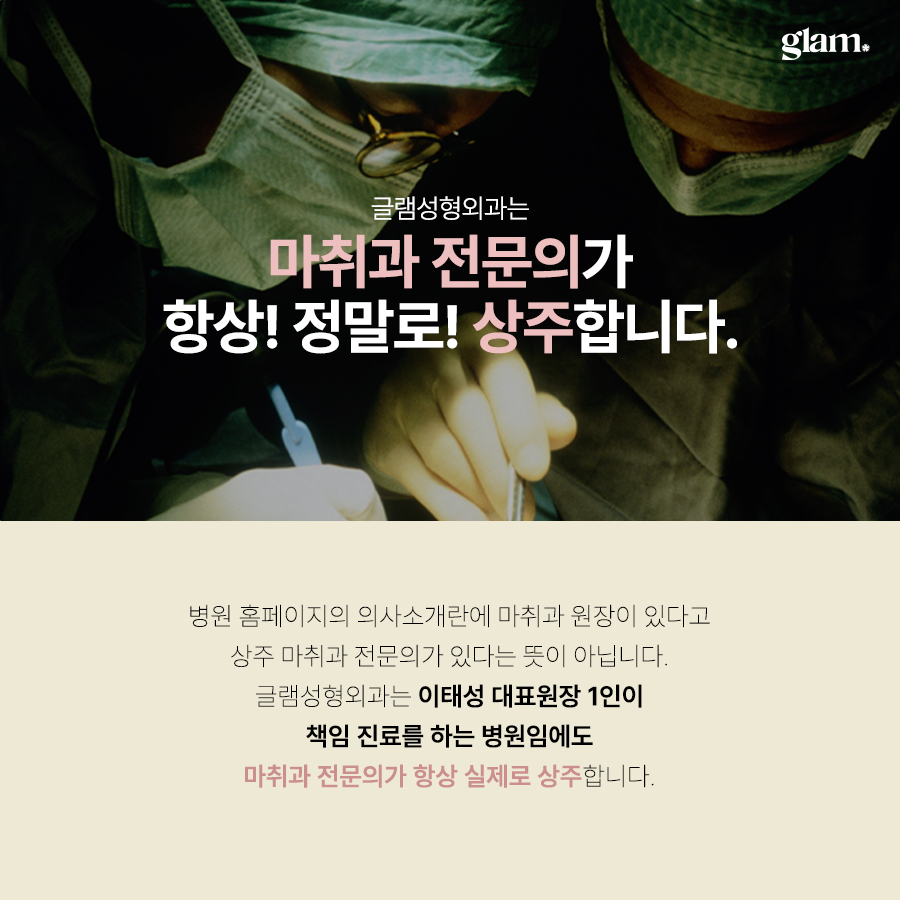
Presence of a full time anesthesiologist
Double jaw surgery is performed under general anesthesia and often takes several hours. Safety during this time depends heavily on anesthesia management, not only on the surgical technique.
When choosing a double jaw surgery hospital, ask:
Is there a full time board certified anesthesiologist on staff, or is anesthesia provided by visiting doctors?
Who monitors you continuously during surgery and in the immediate recovery period?
What systems are in place for managing emergencies during long operations?
Confirm the clinic’s anesthesiology arrangements and verify credentials. Specifically, ask whether a full‑time anesthesiologist or a dedicated anesthesia director is present for facial bone cases, what their board certification and training background are, and whether they hold relevant society memberships. Request an anesthesiologist’s professional profile or documentation; do not assume staffing details without confirmation. A clinic may operate as a two‑specialist system (surgeon plus anesthesiologist), but verify how responsibilities and intraoperative monitoring are managed in practice.
For overseas patients, this kind of stable team structure can provide clarity about who is responsible for each part of your care.
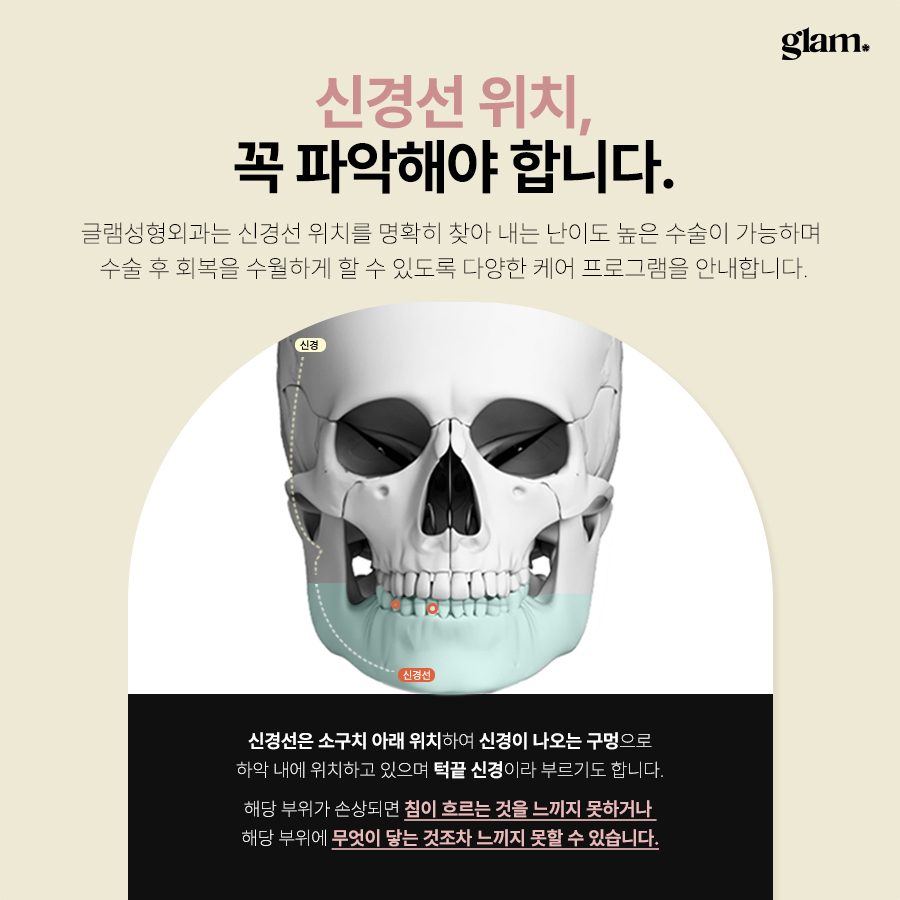
Diagnostic tools and planning process
Accurate planning is crucial in orthognathic surgery. A well prepared double jaw surgery hospital typically offers:
- D imaging such as CT scans to visualize the facial skeleton
- Cephalometric analysis to measure jaw relationships and angles
- Bite and occlusion assessment, often in collaboration with a bite specialist
- Simulation of jaw movements and bone cutting lines
- Discussion of how jaw changes may affect the nose, lips, and chin
During consultation, you can ask to see how your case will be analyzed. Some centers may show 3D models or simulations to explain the planned movements. While simulations are not guarantees, they can help you understand the direction of change.
Surgical philosophy: minimum necessary surgery
Different hospitals may have different philosophies. Some may suggest very extensive changes, while others prefer the minimum necessary surgery to achieve functional and aesthetic goals.
The Sinsa facial bone center, for example, emphasizes a conservative approach: proposing only the necessary procedures rather than adding multiple extra surgeries. For patients worried about over treatment, this can be reassuring.
When you consult any Gangnam double jaw surgery hospital, consider asking:
What is the minimum surgery needed to address my main functional and aesthetic issues?
Are additional procedures really necessary, or are they optional?
How do you balance functional correction with appearance changes?
Postoperative care and follow up
Recovery support is a key part of the double jaw surgery journey. A good orthognathic surgery hospital should:
- Provide a clear schedule for follow up visits
- Offer swelling control and pain management protocols
- Guide you on diet progression and jaw movement
- Monitor healing of bones and plates with imaging when needed
Some clinics offer adjunctive postoperative therapies—such as LED therapy, specialized facial skin treatments, or radiofrequency procedures—intended to support swelling reduction and soft‑tissue recovery. The evidence for these modalities varies, and they should be considered supportive rather than essential. Ask the clinic for any clinical evidence, expected benefits, possible risks, and whether such services are included or optional in postoperative care.
Example of a facial bone focused center in Gangnam
Single specialty lineup: double jaw and facial contouring only
Its treatment lineup includes:
- Primary double jaw surgery
- Revision double jaw surgery
- Zygoma reduction
- V line and square jaw surgery
- Revision facial contouring

There are no services for eyes, nose, breast, or body. This narrow focus illustrates what a single specialty facial bone surgery hospital looks like in practice.
Two specialist system: plastic surgeon and anesthesiologist
Instead of a large rotating team, this center uses a two specialist system:
For patients, this can mean:
Clear responsibility: you know exactly who is operating and who is handling anesthesia
Continuity of care: the same specialists see you from consultation through surgery and follow up
Stable communication: fewer handovers between different doctors
Academic background and SCI level publications
As mentioned earlier, While academic publications do not guarantee individual results, they show that the surgeon’s techniques and outcomes have been presented to and reviewed by the wider medical community.
When you evaluate any double jaw surgery hospital in Seoul, you can ask whether the surgeon has published research on orthognathic surgery, presented at conferences, or contributed to textbooks. This is one way to distinguish surgeons who are actively engaged in developing and refining techniques.
Post surgery recovery programs for swelling and healing
The Sinsa center offers structured recovery support after facial bone surgery, including:
- LED therapy to support skin and soft tissue healing
- Facial dome care to assist with swelling control
- Total skin reset care to help the skin adapt to new facial contours
- Radiofrequency lifting in the later stages of recovery to support tightening and contour definition
These programs are supplementary and do not replace proper medical follow up, but they can make the recovery period more comfortable and may help patients feel more confident as swelling gradually subsides.
What to ask during your double jaw consultation
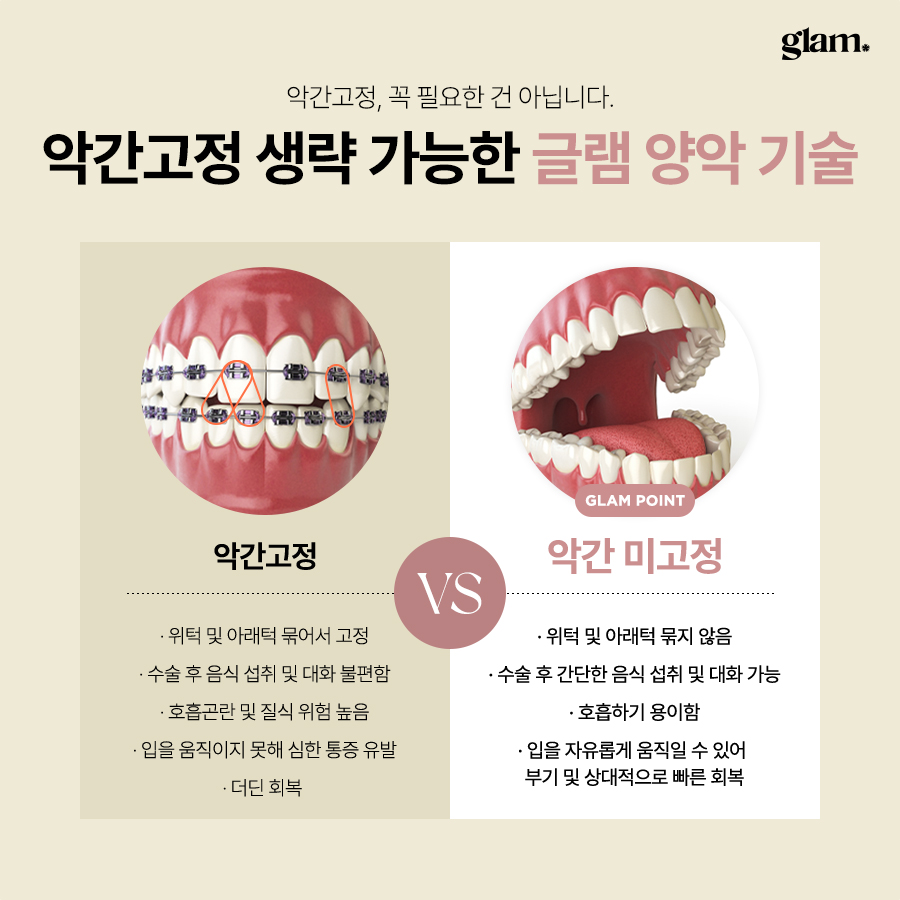
Is intermaxillary fixation always necessary?
Traditional double jaw surgery often involved wiring the jaws together for several weeks, known as intermaxillary fixation. Some modern techniques aim to reduce or avoid long term wiring by using rigid fixation and stable bone movements.
During consultation, ask:
- Do you routinely use intermaxillary fixation after double jaw surgery?
- In what cases can jaw wiring be minimized or avoided?
- How long will elastic bands or other supports be needed in my case?
Whether you can avoid long term fixation depends on your specific bone movements, bite stability, and healing. It is not possible to guarantee this for every patient.
Do I need bite treatment before or after surgery?
Some patients need bite treatment before and after surgery, while others may have simplified or modified plans depending on their skeletal pattern and bite.
Questions to consider:
- In my case, is pre treatment required, or can it be shortened or omitted?
- What kind of bite adjustment will I need after surgery?
- How will you coordinate with a bite specialist if needed?
Your plan should be individualized. Avoid assuming that what worked for another person online will be suitable for you.
How do you prevent nose widening or unwanted changes?
Moving the upper jaw can influence the nose and upper lip. Some patients worry about the nose becoming wider after surgery.
Ask the surgeon:
What techniques do you use to control changes around the nose when the upper jaw is moved?
Do you use specific suturing methods to reduce nose widening?
How do you plan for soft tissue changes when repositioning the jaws?
Again, not all changes can be completely controlled, but an experienced surgeon will have strategies to manage them and will explain realistic expectations.

Who will actually perform my surgery and manage anesthesia?
This is one of the most important questions for any double jaw surgery hospital:
- Will the named lead surgeon perform my surgery from start to finish?
- Is there any chance another doctor will take over part of the operation?
- Who will be in charge of anesthesia, and are they full time at this hospital?
At the Sinsa facial bone center, the lead surgeon operates directly, and the full time anesthesiologist manages anesthesia. When you consult other hospitals, look for similarly clear answers.
Recovery, aftercare, and long term follow up
Typical recovery timeline and swelling pattern
Recovery after double jaw surgery is gradual. Individual experiences vary, but a general pattern is:
First week: significant swelling, tightness, and difficulty eating. You will usually stay in Korea during this period for close monitoring.
Two to four weeks: swelling begins to decrease, but the face still looks puffy. Soft diet continues.
One to three months: most visible swelling improves, and you start to see the new facial shape more clearly.
Six to twelve months: fine details settle, and bone and soft tissues continue to adapt.
Your hospital should explain when you can fly home, when to return to work or school, and what signs mean you should contact the clinic urgently.
Role of skin and soft tissue care after bone surgery
Even though double jaw surgery focuses on bones, the final appearance depends heavily on how the skin and soft tissues drape over the new structure.
Postoperative care programs such as LED therapy, facial dome care, skin reset treatments, and radiofrequency lifting can support circulation, reduce stiffness, and help the skin adapt. These are usually introduced step by step as healing progresses.
When to contact the hospital after surgery
Your double jaw surgery hospital should give you clear instructions about:
Normal symptoms: swelling, mild bruising, tightness, temporary numbness
Warning signs: sudden increase in pain, difficulty breathing, uncontrolled bleeding, fever, or asymmetry that worsens rapidly
How to contact the clinic: emergency phone, messaging apps, or international contact channels
The Sinsa facial bone center offers multilingual channels such as Japanese, English, and Thai support, and uses online platforms and social media to stay in touch with overseas patients. Ask any hospital you are considering how they handle communication once you return home.
Online consultation and pre visit preparation for overseas patients
Before traveling to Seoul for double jaw surgery, it is helpful to:
- Prepare recent facial photos from front, side, and three quarter views
- Write down your main concerns: function, appearance, or both
- List any previous facial bone or jaw surgeries
- Summarize your medical history and current medications
- Prepare questions about hospital systems, anesthesia, and aftercare
Many double jaw surgery hospitals in Seoul, including the Sinsa facial bone center, offer online consultations. You can send images and medical information in advance, receive a preliminary opinion, and plan your travel schedule more efficiently. Final eligibility and surgical planning will still require in person examination and imaging.
Expected Korea visit timeline
A typical overseas patient schedule for double jaw surgery in Seoul might look like this, though exact timing varies:
Day 1–2: In person consultation, imaging (CT, X rays), bite assessment, and final surgical planning
Day 3–4: Preoperative tests and preparation, admission instructions
Day 4–5: Surgery day and one or more nights of close monitoring
First 7–10 days: Frequent follow up visits for dressing changes, swelling checks, and early recovery support
Two to three weeks: Additional follow up visits, removal of certain supports if needed, and review of diet progression
Three to four weeks: If recovery is stable, many overseas patients can fly home with remote follow up arranged
Your actual stay may be longer or shorter depending on your health, the complexity of your surgery, and your home country’s distance.
FAQ about choosing a double jaw surgery hospital in Seoul
Is double jaw surgery only for appearance?
No. Double jaw surgery is primarily designed to correct skeletal problems that affect bite, jaw function, and sometimes breathing. Aesthetic improvement is an important benefit, but reputable hospitals will evaluate your functional needs first. In consultation, expect a discussion about your bite, jaw position, and airway, not only facial photos.

How do I know if a hospital is really specialized in facial bone surgery?
Look at the range of procedures they offer. A facial bone specialist center will focus on double jaw and facial contouring, rather than offering a long list of unrelated procedures. Check whether the lead surgeon’s experience, publications, and previous positions are mainly about facial bone surgery. Ask directly what percentage of their cases are double jaw and contouring.
Is revision double jaw surgery possible in Seoul?
Yes, some centers in Seoul, including the Sinsa facial bone clinic, accept revision double jaw surgery cases. However, revision surgery is more complex and requires careful evaluation of previous operations, current bone position, and scar tissue. Not every case is suitable for revision, and risks may be higher, so a detailed in person consultation is essential.
How can overseas patients get support after going back home?
Many double jaw surgery hospitals in Seoul offer online follow up using email, messaging apps, or video calls. The Sinsa facial bone center, for example, provides multilingual support in languages such as English, Japanese, and Thai. Before surgery, ask how long they will follow you remotely, what kind of photos or scans you may need to send, and what to do if you have urgent concerns once you are back in your country.
Soft call to action
If you are considering double jaw surgery in Seoul and want to compare different hospitals, start by arranging online consultations with a few facial bone focused centers. Prepare your medical history, photos, and questions about specialization, anesthesia, planning methods, and aftercare. A clinic such as the facial bone focused center near Sinsa Station in Gangnam can serve as a concrete example of a two specialist, single specialty system. Use these consultations to find a double jaw surgery hospital where you clearly understand who will operate on you, how your surgery will be planned, and how your recovery will be supported.




- 공유 링크 만들기
- X
- 이메일
- 기타 앱


댓글
댓글 쓰기