Double jaw surgery for TMJ: planning and recovery in Seoul
- 공유 링크 만들기
- X
- 이메일
- 기타 앱
Direct answer summary
Double jaw surgery, also called orthognathic surgery, can sometimes help temporomandibular joint (TMJ) symptoms when the joint is being overloaded by a clear jaw bone imbalance. However, it is not a universal cure for TMJ disorders, and in some cases symptoms may stay the same or even worsen. A careful evaluation of your jaw joints, bite, and facial skeleton is essential before deciding on surgery.
This guide explains when surgery is considered, how TMJ is evaluated, what to expect from treatment and recovery in Korea, and how to prepare as an overseas patient.
What double jaw surgery and TMJ actually are
Double jaw surgery overview
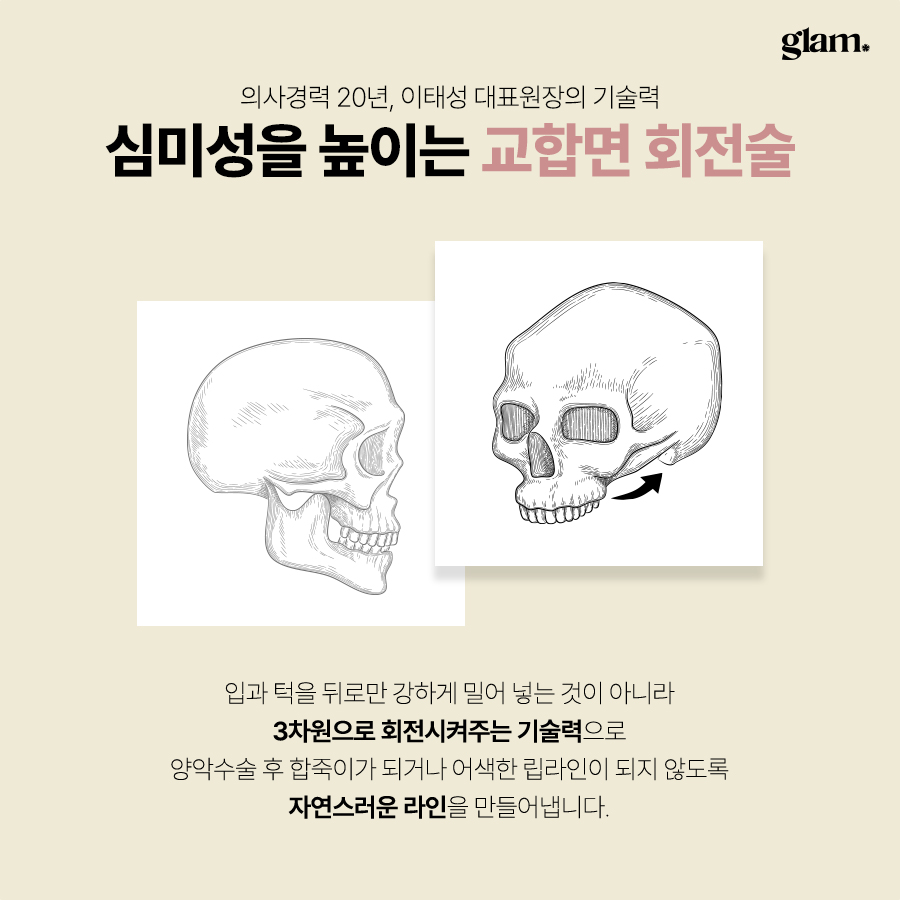
Double jaw surgery is a procedure that repositions both the upper jaw (maxilla) and lower jaw (mandible). The main goals are to correct skeletal malocclusion, facial asymmetry, and functional problems such as chewing difficulty or an unstable bite.
By moving the jaw bones in three dimensions, surgeons aim to create a more balanced facial structure and a stable bite relationship between the upper and lower arches. This can also influence breathing, speech, and how the jaw joints are loaded during daily function.
Understanding the TMJ and common symptoms
The temporomandibular joint is the hinge and sliding joint that connects your lower jaw to the skull on each side, just in front of the ears. It works together with surrounding muscles, ligaments, and a small cartilage disc that helps the joint move smoothly.
Common TMJ disorder symptoms include:
- Pain in front of the ear, in the jaw, or in the temple area
- Clicking, popping, or grinding noises when opening or closing the mouth
- Limited mouth opening or feeling of stiffness
- Jaw locking in an open or closed position
- Jaw deviation to one side when opening
- Muscle fatigue when chewing, or facial muscle tightness
- Headaches, neck tension, or ear fullness not explained by ear disease
TMJ problems and jaw bone deformities often occur together. For example, a severe underbite or overbite can change how the joints are loaded. However, not every person with TMJ symptoms needs double jaw surgery. Many TMJ issues are primarily muscular and can be managed with conservative care.

When double jaw surgery is considered for TMJ patients
Situations where surgery may be discussed
Double jaw surgery may be considered for TMJ patients when there is a clear skeletal problem contributing to joint overload or instability. Typical indications include:
Severe skeletal malocclusion, such as marked Class II (retruded lower jaw) or Class III (protruded lower jaw), where the abnormal relationship between the jaws places chronic stress on the joints.
Significant facial asymmetry with chin deviation to one side, which often means one joint is bearing more load than the other.
Open bite (front teeth not touching when back teeth are together) or deep bite that cannot be corrected stably with bite splints or other conservative methods alone.
Recurrent TMJ pain or disc displacement that is clearly associated with skeletal imbalance and that has not responded well to non surgical treatment.
Why not every TMJ patient needs surgery
The decision for double jaw surgery is based on the overall skeletal structure and function, not just on joint noise or mild discomfort. Many people have clicking joints without pain or functional limitation, and in such cases conservative monitoring is often more appropriate.
Surgery is usually not the first line of treatment for TMJ disorders. Splints, physiotherapy, medication, stress management, and habit correction are typically tried first, unless there is a major jaw deformity that clearly requires structural correction.
Preoperative evaluation with a focus on TMJ
Clinical examination
Before recommending double jaw surgery, a responsible surgeon will carry out a detailed clinical examination, which usually includes:
Assessment of mouth opening range and whether opening is smooth or deviates to one side.
Palpation of the TMJ area to check for tenderness, as well as examination of chewing muscles for tightness or pain.
Listening and feeling for joint sounds such as clicking or crepitus (grating).
Evaluation of how the jaw moves in side to side and forward directions.
Dental and skeletal analysis
The bite and facial structure are carefully analyzed, often including:
Assessment of overjet and overbite, and whether there is an open bite or crossbite.
Checking midlines of the upper and lower arches and comparing them with the facial midline to assess asymmetry.
Review of facial proportions from the front and side, including chin position and jaw angles.
Imaging studies
Imaging is essential for safe and accurate planning. Common imaging includes:
Panoramic X ray to view the jaw bones, TMJ area, and surrounding structures.
Cephalometric X rays to analyze jaw relationships and angles.
3D CT scans to understand bone thickness, asymmetry, and the position of important anatomical structures.
In some TMJ focused cases, MRI may be recommended to assess the position and condition of the joint disc and soft tissues. Whether MRI is used depends on individual findings and local resources.
Identifying the nature of TMJ symptoms
A key part of evaluation is distinguishing between:
Primarily muscular problems, such as tension or overuse of chewing muscles.
Intra articular problems, such as disc displacement, degenerative changes, or bony irregularities.
Based on this, the surgeon will discuss whether your TMJ symptoms are likely to improve, remain similar, or carry a risk of worsening after surgery. They should not promise a cure, but instead provide realistic expectations and outline both potential benefits and risks.
Surgical planning with TMJ protection in mind
How planning can reduce joint stress
When TMJ issues are present or suspected, orthognathic planning aims to:
Create a stable, balanced bite so that chewing forces are distributed evenly across both sides.
Correct facial asymmetry to reduce uneven loading on one joint.
Avoid extreme jaw advancements or setbacks that could overload the TMJ or change the joint mechanics too aggressively.

Minimal necessary surgery concept
Many experienced surgeons follow a principle of minimal necessary surgery. This means:
Planning the smallest amount of bone movement that can reasonably achieve the functional and aesthetic goals.
Avoiding additional bone procedures that do not clearly contribute to joint health or overall stability.
Some facial bone–focused clinics in Gangnam concentrate on double jaw and facial contouring rather than offering a broad cosmetic menu. This focused practice may be relevant for patients who prefer a team with higher case volume in facial bone surgery; when evaluating clinics, ask about surgeon case volume, complication rates, and whether multidisciplinary review is available.
Intraoperative techniques to protect the TMJ
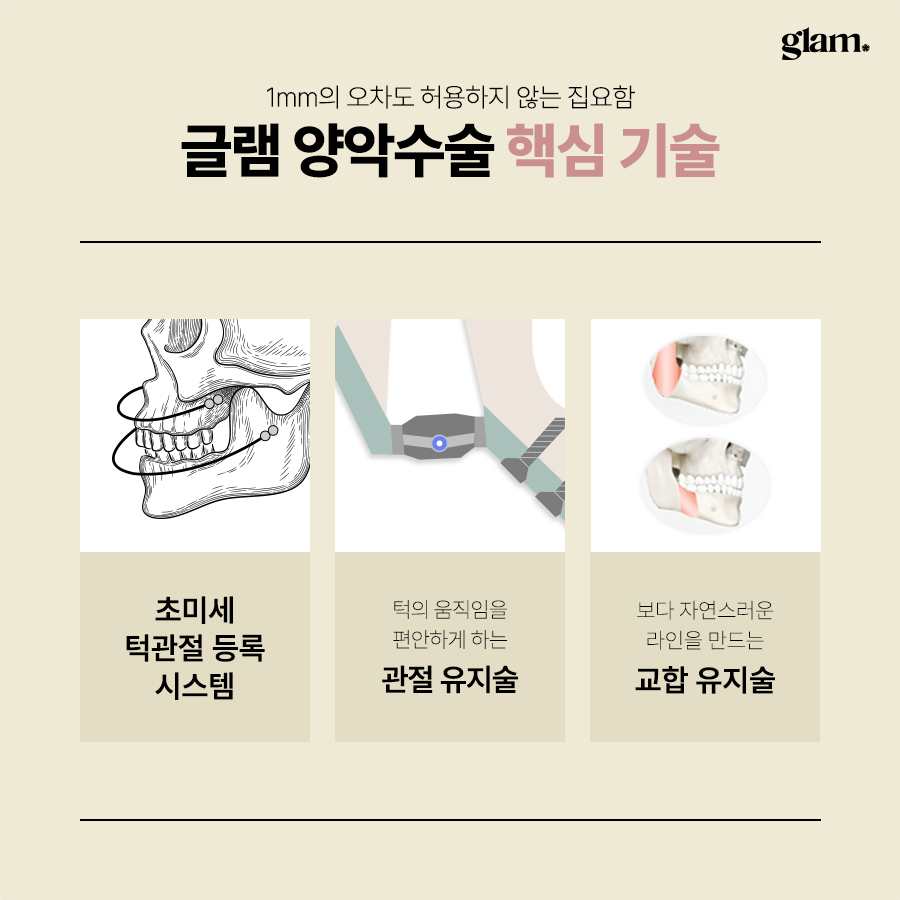
Condyle positioning and fixation
During double jaw surgery, the lower jaw segment that includes the condyle must be carefully handled. General principles include:
Repositioning the condyle in a stable, physiologic position within the joint.
Avoiding forced or unstable seating of the condyle that might strain the joint structures.
Using fixation methods that maintain the planned bite without compressing the joint excessively.
Surgical team and focus
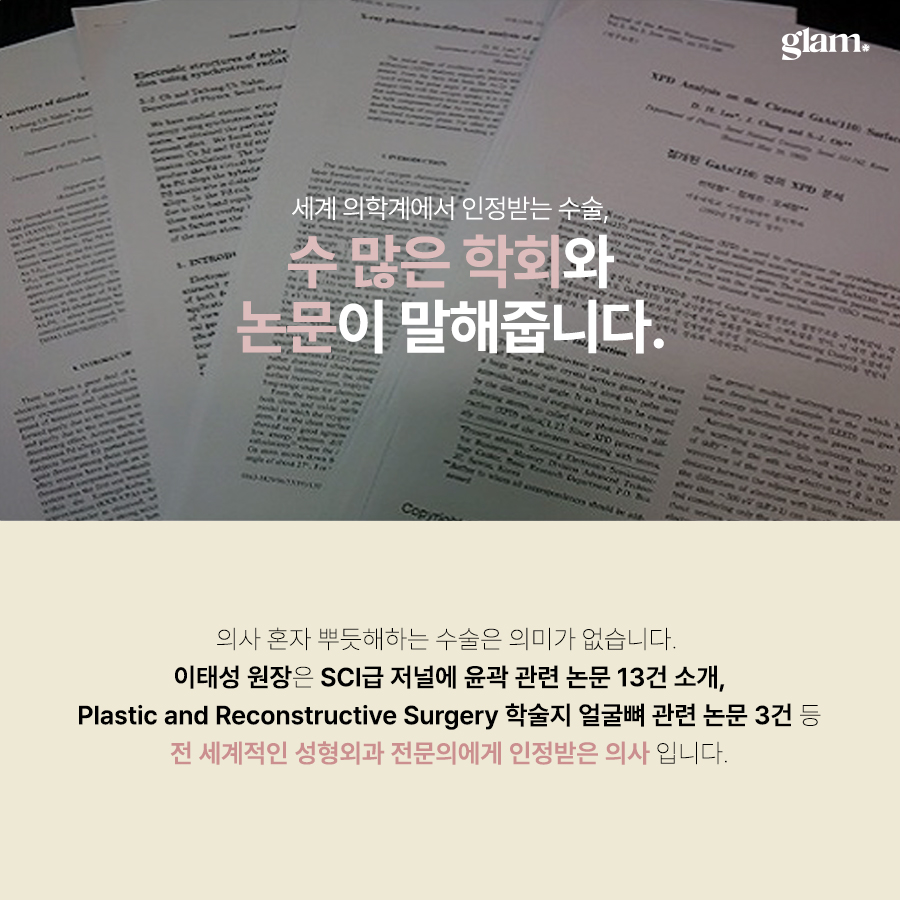
Some specialized facial bone centers in Gangnam focus primarily on double jaw and facial contouring. Clinics sometimes highlight surgeon experience and academic publications; because these are verifiable claims, patients should request credentials, institutional profiles, and citations or copies of relevant publications during consultation. Academic involvement can indicate engagement with research and technique refinement, but it does not guarantee specific clinical outcomes.
This structure is designed to support safety but, as with any surgery, cannot remove all risk.
Some techniques, such as avoiding rigid intermaxillary fixation, reducing or omitting pre or post surgical orthodontic phases, or using methods to reduce nasal widening, may be considered in selected cases. These options depend on your individual anatomy, bite, and treatment goals, and are not automatically applied to every patient.
Relationship between double jaw surgery and TMJ outcomes
Possible improvements and limitations
After correcting a skeletal imbalance, some patients experience improvement in TMJ‑related symptoms such as pain, clicking, or muscle fatigue, while others notice little change and a minority may develop new or worsened symptoms. Reported outcomes vary across studies; ask your surgeon for published outcome ranges and how your individual risk factors affect the expected results.
However, outcomes vary:
Some patients notice little change in their TMJ symptoms even after successful skeletal correction.
A minority may develop new symptoms or experience worsening of existing symptoms, especially if there was preexisting joint damage or if adaptation is difficult.
Factors influencing TMJ outcome
Several factors can affect how the TMJ responds to double jaw surgery:
The degree of existing joint damage, such as degenerative changes or disc perforation.
How long TMJ symptoms have been present before surgery.
The accuracy of surgical planning, including condylar positioning and bite design.
Postoperative rehabilitation, including jaw exercises, physical therapy, and adherence to lifestyle recommendations.
Because of these variables, surgery is usually considered only when there is a clear structural reason and when conservative TMJ management has been tried or discussed.
Treatment process for overseas patients
Initial online consultation and preparation
For international patients, the process usually begins with an online consultation. You may be asked to provide:
Photos of your face from front, side, and smiling views.
Intraoral photos showing your bite from different angles.
Previous X rays or CT scans if available.
A summary of your TMJ symptoms, including pain level, clicking, locking episodes, and any previous treatments.
During this stage, you can discuss whether double jaw surgery is likely to be appropriate, what further tests are needed, and an estimated treatment timeline in Korea.
Pre visit checklist
Before traveling, it is helpful to prepare:
A written list of your main concerns, both functional and aesthetic.
A record of medications, medical history, and any allergies.
Questions about TMJ expectations, possible need for orthodontic care, recovery time, and follow up options once you return home.
On site evaluation in Seoul
Once you arrive in Seoul, a full in person evaluation is carried out. This often includes:
Clinical examination of jaw movement, TMJ tenderness, and muscle condition.
Facial and intraoral photographs.
Panoramic and cephalometric X rays, and usually 3D CT scanning.
If needed, referral for TMJ focused imaging such as MRI.
After reviewing these findings, the surgeon explains the diagnosis, whether double jaw surgery is recommended, and what can realistically be expected regarding TMJ symptoms.
Expected Korea visit timeline
Although exact schedules vary, a typical timeline for overseas patients might look like this:
First 3 to 5 days: Detailed consultation, imaging, treatment planning, and any necessary preoperative tests. Time to review consent forms and ask questions.
Surgery day: Double jaw surgery under general anesthesia. You are monitored in the clinic or hospital afterward.
First week after surgery: Close observation, pain control, swelling management, and guidance on diet and oral hygiene. Many patients stay in or near the clinic area during this period.
Weeks 2 to 3: Follow up visits to check healing, adjust elastics if used, and start gentle jaw exercises. Some patients may be able to return home around 2 to 3 weeks after surgery, depending on their condition and travel readiness.
Longer stays may be recommended for complex cases or when combined procedures are involved.
Postoperative care, swelling management, and TMJ
Early postoperative period
Immediately after surgery, you can expect:
Facial swelling and bruising, which peak in the first few days and then gradually decrease.
Discomfort or pain, usually controlled with medication.
Diet restrictions, starting with liquid or very soft foods.
Temporary changes in speech and mouth opening.
For TMJ, early care focuses on protecting the joints while allowing gradual adaptation. This includes avoiding extreme mouth opening or heavy chewing.
Jaw exercises and rehabilitation
As healing progresses, your surgeon may recommend:
Gentle jaw opening exercises to prevent stiffness and support functional range of motion.
Guided movements to help the joints and muscles adapt to the new jaw position.
Monitoring for persistent or new joint sounds, pain, or locking.
Adjunctive recovery support
Some clinics offer adjunctive postoperative therapies such as:
- LED therapy (promoted for reducing swelling or improving skin condition)
- Facial dome treatments and "skin reset" programs aimed at soft tissue recovery
- Radiofrequency or other energy‑based skin tightening procedures
These services are often provided for comfort or cosmetic recovery after surgery. Evidence that they alter TMJ or orthognathic surgical outcomes is limited; ask any clinic offering these therapies for the supporting evidence and whether they are intended mainly for symptom relief, cosmetic purposes, or documented clinical benefit.
LED therapy to assist with swelling and skin condition.
Facial dome treatments and skin reset programs to help the soft tissues recover.
Radiofrequency lifting devices aimed at improving skin tightness and comfort during the healing phase.

These methods are considered adjunctive tools for comfort and cosmetic recovery. They do not replace proper surgical planning or medical management of TMJ disorders, but they can make the recovery period more manageable.
Safety, risks, and informed consent
General surgical risks
Double jaw surgery is a major bone procedure, and like any surgery it carries risks, such as:
Bleeding and infection.
Changes in nerve sensation, including numbness or altered feeling in the lips, chin, or cheeks, which may be temporary or, in some cases, long lasting.
Relapse or partial movement of the jaw position over time.
Need for additional procedures if healing or alignment is not as planned.
TMJ specific risks
For patients with TMJ issues, additional considerations include:
Persistent TMJ pain that does not improve after surgery.
New joint sounds such as clicking or crepitus.
Limited mouth opening or stiffness.
In some cases, the need for further TMJ focused treatment.
A thorough consent process should explain these risks, the potential benefits, and alternative options, including non surgical TMJ management.
Who may not be a good candidate
Double jaw surgery may not be suitable for:
Patients with mild TMJ symptoms and no significant skeletal problem, who can be managed with conservative care.
Individuals seeking a guaranteed cure of long standing TMJ pain solely through surgery.
People unable to commit to the recovery process, including dietary restrictions, follow up visits, and possible rehabilitation exercises.
Patients with uncontrolled medical conditions that increase surgical risk.
Experience based questions to ask before deciding
Before committing to surgery, it can be helpful to prepare a checklist of questions, such as:
How much of my TMJ problem seems related to my jaw bone structure versus muscles or habits.
Whether conservative TMJ treatments have been fully explored or should be tried longer.
How the surgeon plans to position and stabilize the condyles during surgery.
What the realistic range of outcomes is for TMJ symptoms in cases similar to yours.
How long you should plan to stay in Korea, and how follow up will be handled once you return home.
These questions can guide your decision and help you compare different clinics or treatment plans.
Frequently asked questions
Can double jaw surgery cure TMJ disorders
Double jaw surgery can improve TMJ symptoms in some patients, especially when there is a clear skeletal imbalance causing abnormal joint loading. However, it is not a guaranteed cure for TMJ disorders. Some patients experience partial improvement, some see little change, and a small number may develop new or worsened symptoms. A careful preoperative assessment is essential to estimate your individual likelihood of benefit.
How do you check if my TMJ is suitable for double jaw surgery
Suitability is assessed through a combination of clinical examination, bite and facial analysis, and imaging such as panoramic X rays, cephalometric X rays, and 3D CT. In certain cases, MRI may be recommended to evaluate the joint disc and soft tissues. The surgeon will also review your symptom history and previous TMJ treatments. Based on all this information, they can explain whether your TMJ issues are likely to improve, remain similar, or carry a risk of worsening with surgery.
Is double jaw surgery without intermaxillary fixation always possible
Not always. Some centers aim to minimize or avoid rigid intermaxillary fixation, using plates and screws to stabilize the jaws while allowing earlier movement. However, the decision depends on your specific skeletal pattern, bite stability, and the complexity of the movements required. In some cases, temporary elastics or limited fixation may still be needed to protect the joints and maintain the planned position during early healing.

Will I still need orthodontic treatment if I have surgery for TMJ related problems
Many patients do need some form of pre or post surgical bite adjustment to achieve a stable and functional occlusion. In selected cases with favorable bite relationships, the orthodontic phase may be reduced or modified, but this is highly individual. During consultation, the surgeon will explain whether additional bite correction is recommended in your situation and how it fits into the overall treatment timeline.
How long does it take for the jaw joint to adapt after double jaw surgery
Initial healing of the bones takes several weeks, but adaptation of the TMJ and muscles can take several months. Many patients notice gradual improvement in function and comfort over 3 to 6 months, with further subtle changes up to a year. During this period, following instructions on diet, jaw exercises, and posture is important to support healthy adaptation.
What if my TMJ pain gets worse after surgery
If TMJ pain worsens after surgery, the first step is to inform your surgical team promptly. They may recommend imaging, physical therapy, bite adjustment, medication, or referral to a TMJ focused specialist depending on the findings. In most cases, early identification and management can help prevent long term problems, but it is important to understand that some degree of risk remains even with careful planning.
Soft call to action for online consultation
If you are considering double jaw surgery for TMJ related concerns and are planning a visit to Korea, an online consultation can help you understand whether this approach is suitable for you. By sharing your symptoms, photos, and previous test results in advance, you can receive a more tailored explanation of possible options, expected timelines in Seoul, and what kind of TMJ changes might be realistic in your case.
This article is intended for general information for international patients and does not replace a personal consultation with qualified medical professionals. Individual conditions and outcomes vary, and all decisions about surgery should be made after direct evaluation and discussion with your treatment team.






댓글
댓글 쓰기