Double jaw surgery cost in Seoul: what really affects the price
- 공유 링크 만들기
- X
- 이메일
- 기타 앱
Direct answer: How is the cost of double jaw surgery determined in Seoul?
g, whether it is a first or revision surgery, how long the operation and anesthesia will take, and the level of safety and aftercare the clinic provides.
At a facial bone–specialized plastic surgery clinic in Sinsa, Gangnam, the fee is calculated after detailed analysis of your bone structure and functional problems, not by a simple menu price. The representative plastic surgeon focuses on recommending only the minimum surgery needed to correct your jaw position and facial balance.
What is double jaw surgery?
Double jaw surgery, also called orthognathic surgery, is a procedure that repositions the upper jaw, lower jaw, or both. It is usually done to correct skeletal problems such as severe malocclusion, a protruding mouth, facial asymmetry, open bite, crossbite, or functional issues like chewing difficulty, jaw joint discomfort, snoring, or airway narrowing.
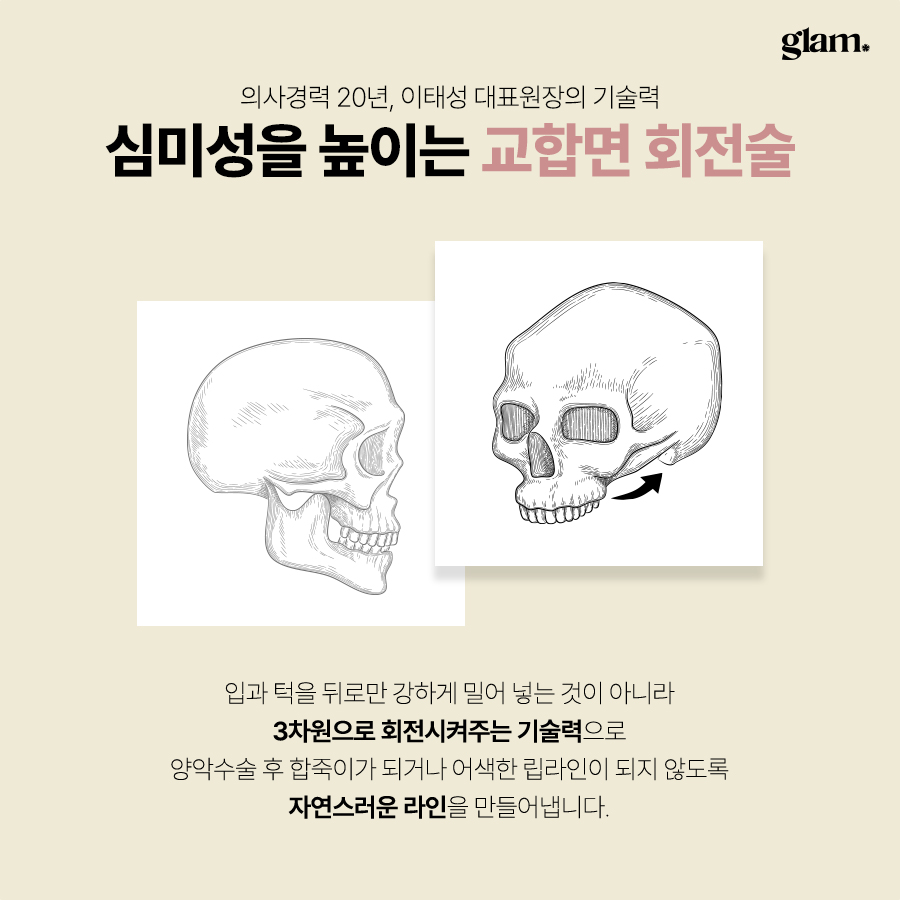
Unlike simple jawline contouring that shaves the outer angle of the jaw for shape only, double jaw surgery moves the base position of the jaws in three dimensions. It changes how the upper and lower teeth meet, how the lips close, and how the jaw supports the nose and chin. Because of this, it is planned using precise measurements and imaging. It is not a quick cosmetic procedure but a bone operation that requires careful preparation and a stable surgical and anesthesia team.

Who may consider double jaw surgery in Korea
Patients who usually explore double jaw surgery in Seoul include those with:
- Noticeable facial asymmetry when looking in the mirror or at photos
- A very protruding or very recessed lower jaw
- Difficulty chewing or biting certain foods because the teeth do not meet well
- Chronic mouth breathing, snoring, or suspected airway narrowing linked to jaw position
- Previous jaw surgery with unsatisfactory function or facial balance
Some patients come mainly for aesthetic concerns, such as a long face or protruding mouth, but during evaluation, functional bite issues are also discovered. Others are referred after being told that jaw position is the main reason their bite cannot be corrected by simple measures alone.
A facial bone–only center in Sinsa, Gangnam
The clinic described here is located in Sinsa, Gangnam, about 200 meters from Sinsa Station Exit 1. It is organized as a facial bone–only center, focusing on double jaw surgery and facial contouring surgery rather than a wide mix of procedures.
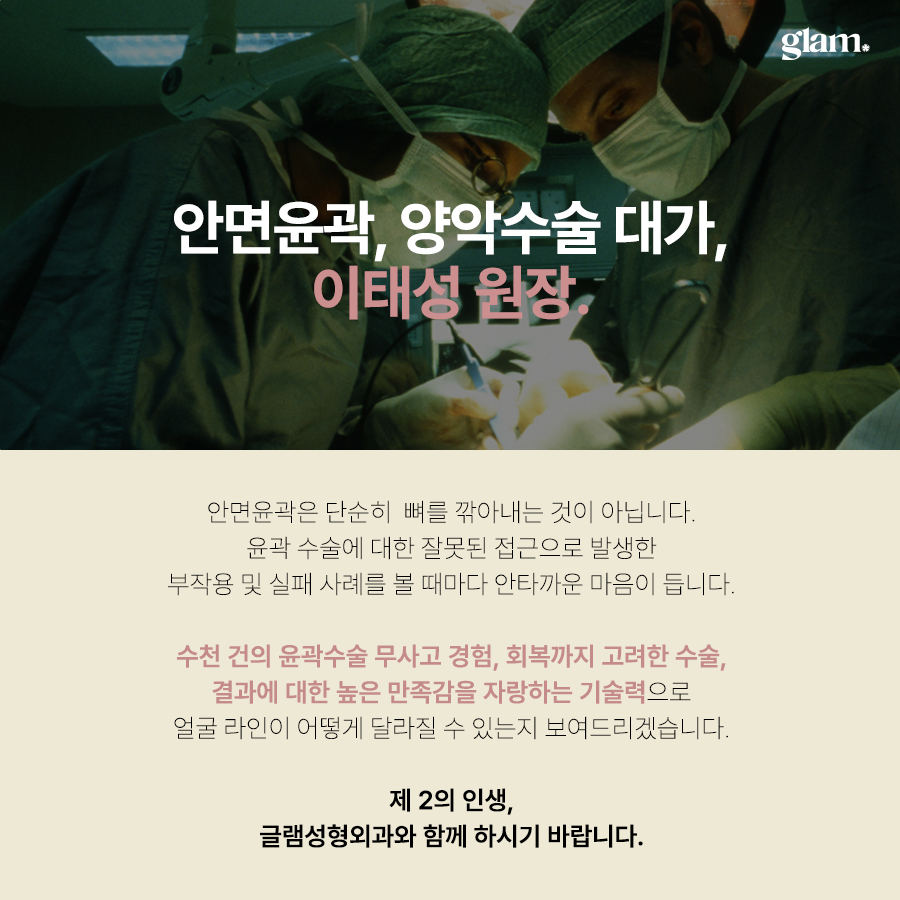
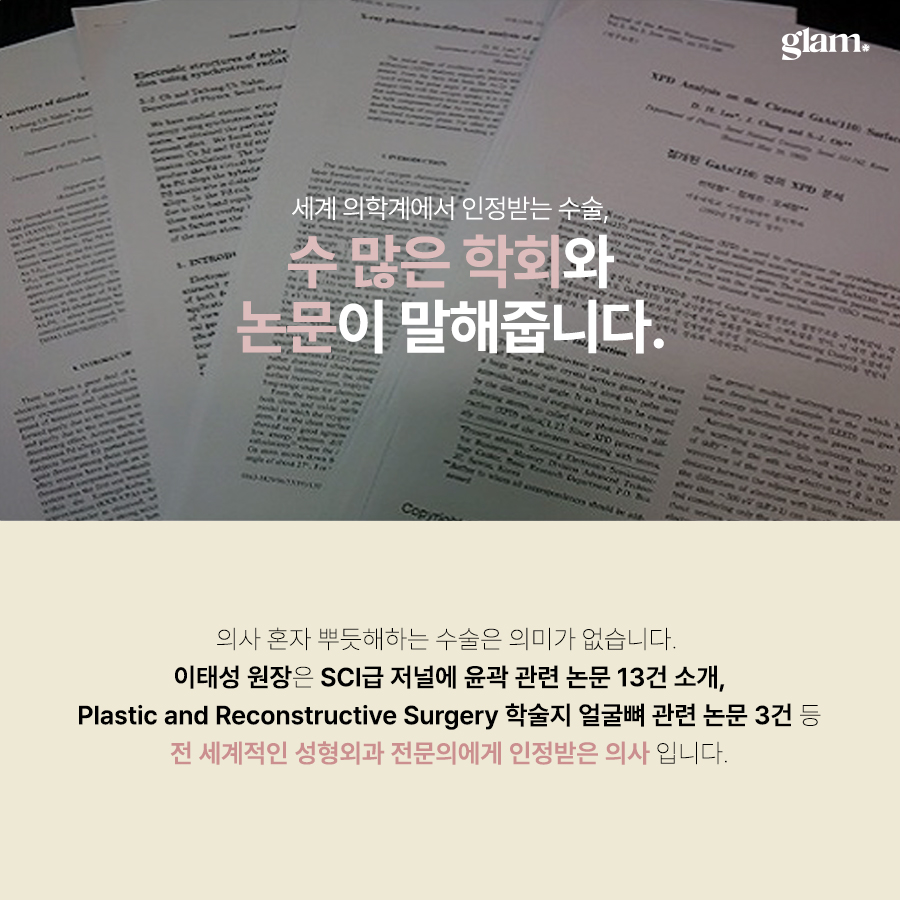
The representative surgeon has around 20 years of experience in facial bone surgery and has published 13 SCI-level papers, including three in the journal Plastic and Reconstructive Surgery, as of February 2025. These academic achievements are an objective sign that the surgeon has studied and reported on facial bone techniques in detail.
At this clinic, the representative surgeon performs the operations personally and aims to recommend only the minimum necessary procedures instead of combining many surgeries without clear indication. This focused approach can influence cost by concentrating equipment, protocols, and staff training on bone surgery alone.
How the cost of double jaw surgery is structured
When you receive a cost estimate for double jaw surgery in Korea, several components are usually included:
Preoperative imaging and analysis
Before surgery, you will typically have X-rays, CT scans, and sometimes 3D facial scans. Cephalometric analysis is done, which means measuring angles and distances of your facial bones and teeth on the images. These tests and the time spent analyzing them are part of the cost.
Surgical planning
The surgeon plans how far and in which direction to move each jaw, how to rotate them, and how to fix them with plates and screws. Simulation of jaw movement and bite changes may be performed. More complex deformities require more planning time and sometimes additional imaging.
Operating room and anesthesia
Double jaw surgery is a long operation under general anesthesia. The cost includes the operating room, surgical instruments and plates, sterile supplies, and the anesthesiologist’s work and monitoring. Longer surgeries with higher anesthesia risk will naturally cost more.
Hospitalization or recovery room use
Some patients stay overnight for monitoring, while others may use a dedicated recovery room for several hours after surgery. The length and level of monitoring affect the final bill.
Postoperative care and swelling management
After bone surgery, structured care helps control swelling and supports healing. Programs may include LED therapy, facial dome treatments, skin reset care, and radiofrequency lifting for swelling reduction and skin tightening. Some clinics include a basic package in the surgery fee and offer extra sessions as optional add-ons.
Additional procedures
If you combine double jaw surgery with other facial bone procedures such as cheekbone reduction or jaw angle contouring, each adds surgical time, materials, and aftercare. This is a major reason why quotes can differ widely.
Possible orthodontic treatment
In many cases, treatment before or after surgery is needed to fine-tune how the upper and lower teeth meet. In other cases, depending on the skeletal condition, it may be possible to reduce or omit this step. Whether such treatment is needed will significantly influence the total cost and the overall treatment schedule.
Key factors that change the price
Several medical and anatomical factors have a strong impact on double jaw surgery cost in Seoul.
Complexity of skeletal deformity
Simple forward or backward movement of one jaw is usually less complex than multi-plane deformities where the jaw must be moved in several directions and rotated. Cases with severe open bite, crossbite, or large asymmetry require more detailed analysis, longer surgery time, and more careful fixation, all of which increase cost.
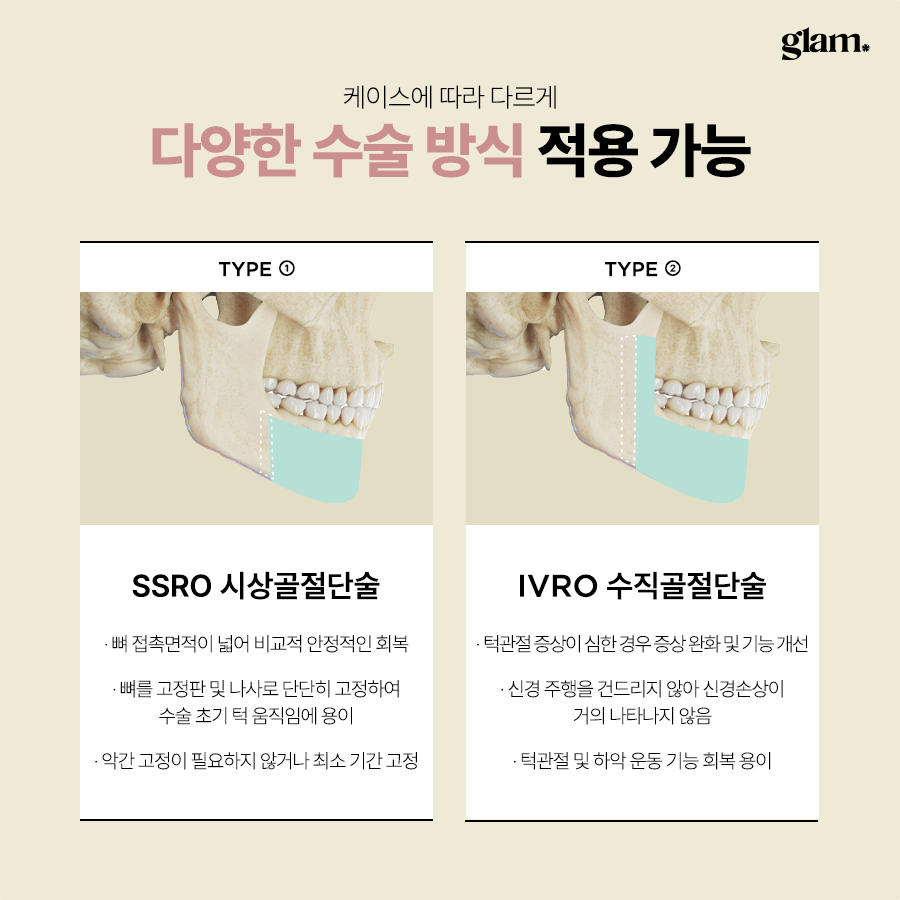
One jaw or both jaws
Operating on both jaws typically takes longer and uses more materials than operating on only the upper or lower jaw. However, in some cases, moving both jaws in a balanced way can achieve a more stable and harmonious result than moving only one, so the decision is based on function and facial balance, not only on price.
Simultaneous facial contouring
Some patients choose to have cheekbone reduction, V-line contouring, or square jaw angle surgery at the same time as double jaw surgery. Combining procedures can reduce total anesthesia sessions and overall recovery time, but it adds to the length of the operation and the complexity of planning, which raises the cost.
Primary versus revision surgery
Revision double jaw surgery is usually more expensive because it is more difficult. Scar tissue, altered anatomy, and existing plates or screws from previous operations must be managed carefully. The surgeon may need extra imaging and planning to understand the previous bone cuts and current bone stability.
Need for orthodontic treatment or possibility to omit it
If your bite can be corrected mainly by skeletal repositioning and your dental alignment is already relatively good, there are cases where pre- or post-operative treatment can be reduced or omitted. This can lower the total treatment cost and shorten the overall timeline. However, this decision must be based on detailed analysis of your bite and bone structure.
Length of surgery and anesthesia risk profile
Patients with complex deformities, previous surgeries, or certain health conditions may require longer operations and more careful anesthesia management. Longer anesthesia and more intensive monitoring increase cost. At the same time, cutting corners on anesthesia safety to reduce price is not advisable.
Level of monitoring and safety systems
A clinic that invests in a full-time anesthesiologist, advanced monitoring equipment, and emergency systems will have higher operating costs, which are reflected in the surgery fee. However, for long bone operations like double jaw surgery, this level of safety is an important part of value, not an optional luxury.
Insurance and medical necessity
In some countries and insurance systems, part of the cost of double jaw surgery may be covered when there is clear medical necessity. Examples include severe malocclusion that affects chewing, jaw joint problems linked to skeletal misalignment, or airway issues such as obstructive sleep-related breathing problems.
When the main goal is cosmetic improvement without significant functional impairment, surgery is usually self-pay. Because rules differ widely between countries and insurers, it is important to:
Check your own insurance policy or national health system rules
Bring any previous records, such as bite analysis reports or opinions from other doctors
Ask whether your case might qualify as medically necessary in your home system
If you plan to have surgery in Korea but claim partial coverage at home, having detailed medical documentation and imaging can be helpful.
Safety and anesthesia for double jaw surgery
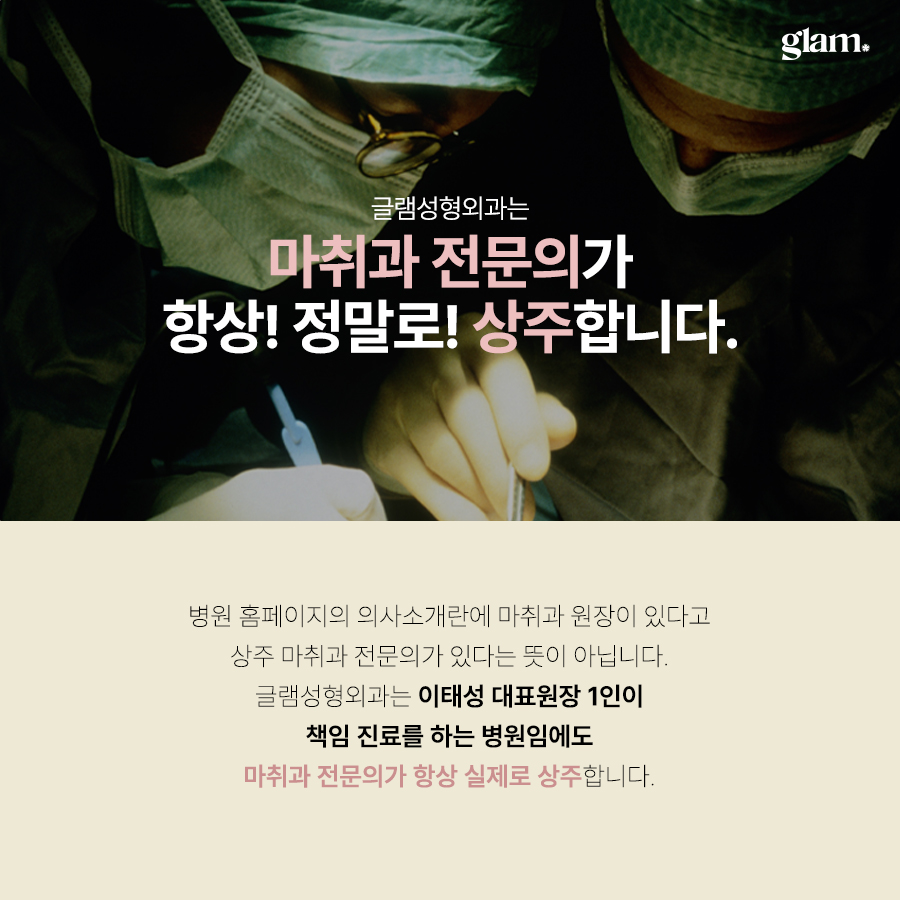
Double jaw surgery is a long procedure performed under general anesthesia, so the anesthesia team is as important as the surgical team. At the Sinsa facial bone clinic, a board-certified specialist in anesthesiology and pain medicine works full-time in the clinic and is responsible for monitoring throughout the operation.
Having a dedicated anesthesiologist increases cost compared to minimal anesthesia coverage, but it is a major safety factor. It allows continuous monitoring of blood pressure, heart rate, oxygen levels, and airway status, and rapid response if anything changes.
When comparing clinics, it is wise to ask:
- Who will be in charge of anesthesia during my surgery?
- Will there be a full-time anesthesiologist present the whole time?
- What monitoring equipment is used?
- What emergency protocols and equipment are available on site?
These questions help you understand what you are paying for beyond the visible aspects of surgery.
Surgical approach, fixation, and impact on cost and recovery
Traditional double jaw surgery often involved wiring the jaws together after surgery, known as intermaxillary fixation. Today, in many cases, stable fixation can be achieved with plates and screws, allowing surgery without long-term wired-shut jaws. This can make eating and speaking easier during early recovery and may reduce some indirect costs, such as time away from work.
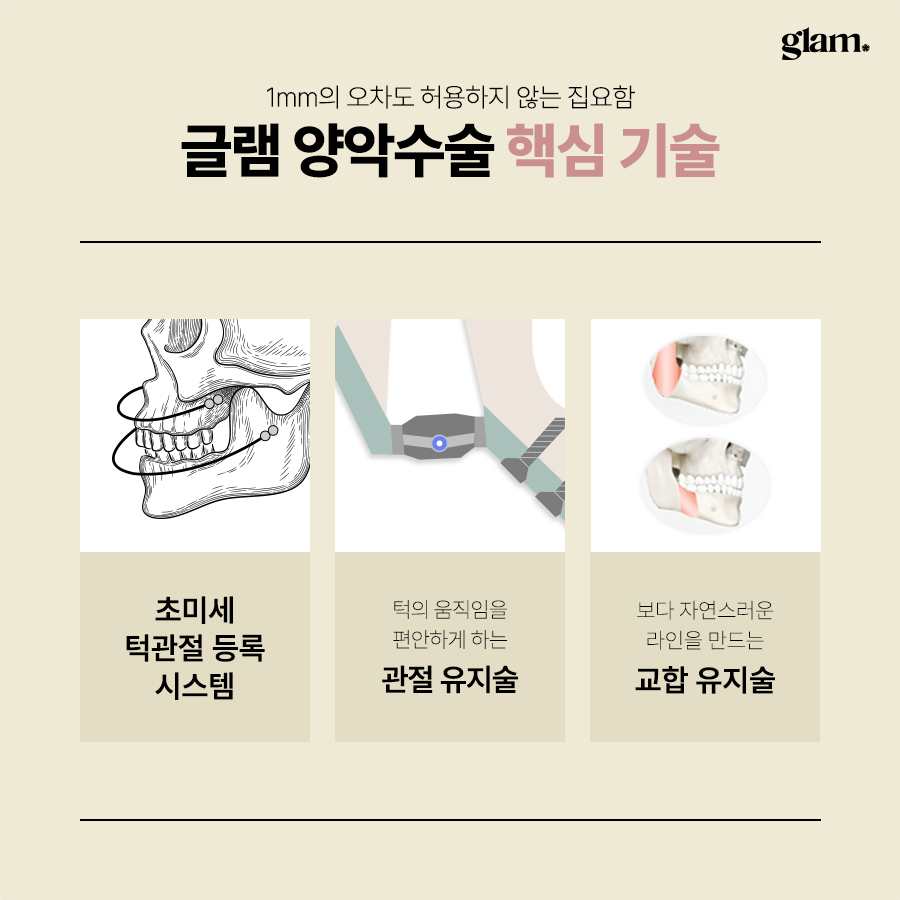
Whether intermaxillary fixation can be avoided or shortened depends on your bone quality, the amount of movement, and the stability of the new jaw position. It is not a simple preference but a medical decision.
The need for pre- or post-operative treatment is another factor. In selected cases with favorable skeletal and dental conditions, the amount of this treatment can be reduced, which lowers total cost and shortens the overall treatment period. However, skipping necessary steps to save money can lead to bite problems later, so decisions must be individualized.
Aesthetic planning is also part of the surgical approach. For example, techniques to prevent nose widening after upper jaw movement, such as specific suturing methods, are planned together with the bone movements. These are not usually separate cost items but are included in the surgeon’s planning and operating time.
Preoperative evaluation and planning
A thorough evaluation before double jaw surgery usually includes:
- Detailed consultation about your concerns and goals
- Clinical examination of your face, jaw movement, and bite
- Imaging such as X-rays, CT, and 3D facial scans
- Bite analysis and, when needed, collaboration with other specialists
- Simulation of jaw movements and expected changes in facial profile
This level of planning adds to the upfront cost but helps reduce the risk of postoperative asymmetry, relapse of the jaw position, or functional problems with chewing and speaking. When comparing quotes, it is sensible to value the quality of planning and communication more than small price differences.
Revision double jaw surgery considerations
Revision double jaw surgery is more complex than primary surgery. Scar tissue can make dissection more difficult, previous bone cuts may have changed the original anatomy, and existing plates and screws must be evaluated and sometimes removed or replaced.
Additional imaging, such as high-resolution CT, is often needed to understand the current bone structure and the position of previous hardware. Planning must consider both functional correction and the limitations of the altered anatomy.
Because of this, revision surgery usually costs more and requires a surgeon with extensive experience in facial bone operations. Patients seeking revision should be especially careful to review the surgeon’s background, ask detailed questions about the plan, and understand that the range of achievable changes may be different from a first-time surgery.
Postoperative care, recovery, and hidden costs
After double jaw surgery, most patients experience:
- Marked swelling during the first week, gradually decreasing over several weeks
- A period of soft or liquid diet while the jaws heal
- Temporary changes in sensation around the lips, chin, or cheeks
- Gradual return to work or study, depending on job type, often after a few weeks
Postoperative care programs at the Sinsa clinic are designed to support swelling reduction and skin condition after bone surgery. These may include LED therapy, facial dome treatments, skin reset care, and radiofrequency lifting to help with swelling and skin tightening.
Some clinics include a set number of aftercare sessions in the surgery package, while others charge separately. When you receive a quote, it is important to ask:
Which follow-up visits are included?
Are imaging checks after surgery part of the package?
How many swelling care or skin care sessions are included, and what are optional add-ons?
Considering these details helps you avoid unexpected expenses later.
Online consultation and pre-visit preparation for overseas patients
For international patients, an online consultation is usually the first step. The Sinsa facial bone clinic offers multilingual support in Japanese, English, and Thai, and uses online channels to review cases from overseas.
To make your online consultation more accurate and efficient, prepare the following:

- Clear front and side photos of your face in a natural position
- Any previous X-rays, CT scans, or reports
- Records from previous operations if you had jaw or facial bone surgery before
- A brief description of your main concerns: functional (chewing, breathing, jaw pain) and aesthetic (profile, asymmetry, protrusion)
- A list of questions about surgery options, recovery time, and cost range
During the online consultation, the surgeon can explain whether you are a likely candidate, which type of surgery might be needed, whether additional facial contouring is relevant, and what kind of visit schedule to expect in Korea.
Expected Korea visit timeline
The exact schedule depends on your case and travel plans, but many overseas patients follow a structure similar to this:
First 1 to 2 days: In-person consultation, physical examination, imaging, and final surgical planning. At this stage you receive a confirmed treatment plan and detailed cost estimate.
Surgery day: Admission to the clinic, operation under general anesthesia, and immediate postoperative monitoring in the recovery area or hospital room.
First week after surgery: Intensive swelling control, pain management, and bite checks. You may have several aftercare sessions such as LED or dome treatments. Soft or liquid diet is usually needed.
Second to third week: Continued recovery, reduction in swelling, adjustment to daily activities. Some patients can return home during this period if their condition is stable and they have clear instructions.
Follow-up after returning home: Online check-ins using photos and, if needed, imaging from local providers. If you plan to have follow-up treatment in your home country, coordination between teams can be helpful.
How to compare double jaw surgery quotes between clinics
When you receive estimates from different clinics in Korea, it is helpful to look beyond the total number and compare the content.
Key points to check include:
Is the surgeon a board-certified plastic surgeon or maxillofacial surgeon with a clear track record in double jaw and facial bone surgery?
Is there a full-time anesthesiologist responsible for your anesthesia and monitoring during the entire operation?
Is the clinic focused on facial bone surgery, or is double jaw surgery only a small part of a general cosmetic menu?
What exactly is included in the quoted price: preoperative tests, imaging, hospitalization or recovery room, postoperative care sessions, and follow-up imaging?
How are complications handled, and what additional costs might arise if extra care or revision is needed?
Before contacting clinics, it can be helpful to write down your own checklist and questions. This might include your maximum travel time, how long you can stay in Korea, whether you prefer surgery without long-term intermaxillary fixation if medically possible, and whether you are open to combining facial contouring procedures or prefer to focus only on the jaws.
Frequently asked questions
What is usually included in double jaw surgery cost in Korea?
Most quotes include the surgeon’s fee, operating room and anesthesia, basic preoperative imaging and tests, the plates and screws used for fixation, and a certain number of postoperative visits. Some clinics also include standard swelling care sessions and one or more follow-up imaging studies. However, optional treatments, extended hospitalization, or additional facial contouring are often charged separately, so you should always ask for a detailed breakdown.
Why do double jaw surgery prices differ so much between patients?
Prices vary because each patient’s jaw shape, bite problem, and medical condition are different. Complex asymmetry, revision cases, or combined procedures require more planning and longer surgery time. The level of safety systems, the presence of a full-time anesthesiologist, and the scope of aftercare programs also influence the fee. Two patients may receive very different quotes even at the same clinic if their needs are not the same.
Can I have double jaw surgery without long-term wired-shut jaws?
In many modern cases, stable fixation with plates and screws allows surgery without keeping the jaws wired shut for a long period. Short-term elastic bands may still be used to guide the bite. Whether this is possible for you depends on the amount of jaw movement, bone quality, and the stability of the planned position. This decision should be made after detailed analysis and discussion with your surgeon.
Do I always need additional treatment with double jaw surgery?
Not always. Some patients do need treatment before or after surgery to fine-tune how the upper and lower teeth meet. Others, especially those whose teeth are already well aligned but whose jaw position is off, may be able to reduce or omit this step. This choice affects both cost and treatment time, so it is important to have your bite and bone structure carefully evaluated.

Soft call to action
If you are considering double jaw surgery in Korea and want to understand what your personal cost and treatment plan might look like, the next step is an in-person or online consultation. By sharing your photos, previous imaging, and a clear list of concerns, you allow the facial bone–specialized team in Sinsa, Gangnam to analyze your case and explain which procedures are truly necessary.
With a focused facial bone center, a representative surgeon who operates directly, and a full-time anesthesiologist, you can discuss not only the fee but also the safety systems and aftercare that stand behind it. For overseas patients, multilingual support in Japanese, English, and Thai and online channels make it easier to prepare before traveling.
This article is for general information only and does not replace a personal consultation or medical examination. Individual suitability, risks, and detailed costs should always be discussed directly with qualified medical staff based on your own health status and imaging.




- 공유 링크 만들기
- X
- 이메일
- 기타 앱


댓글
댓글 쓰기