Double jaw surgery before and after changes explained for overseas patients

Direct answer summary
When people search for double jaw surgery before and after, they usually want to know how much their face and bite can change, how long recovery takes, and how to tell if results are medically sound rather than only dramatic. Double jaw (orthognathic) surgery repositions the upper and lower jaws to improve function and facial balance. Expected changes can include a more stable bite, easier chewing, possible improvement in breathing, and a more harmonious profile and frontal appearance.
This guide is written for international patients considering treatment in Korea, especially in Gangnam, and explains what to expect before and after surgery, how to read real result photos, and how a focused facial bone clinic in Sinsa can support you from online consultation to follow-up.
What double jaw surgery is
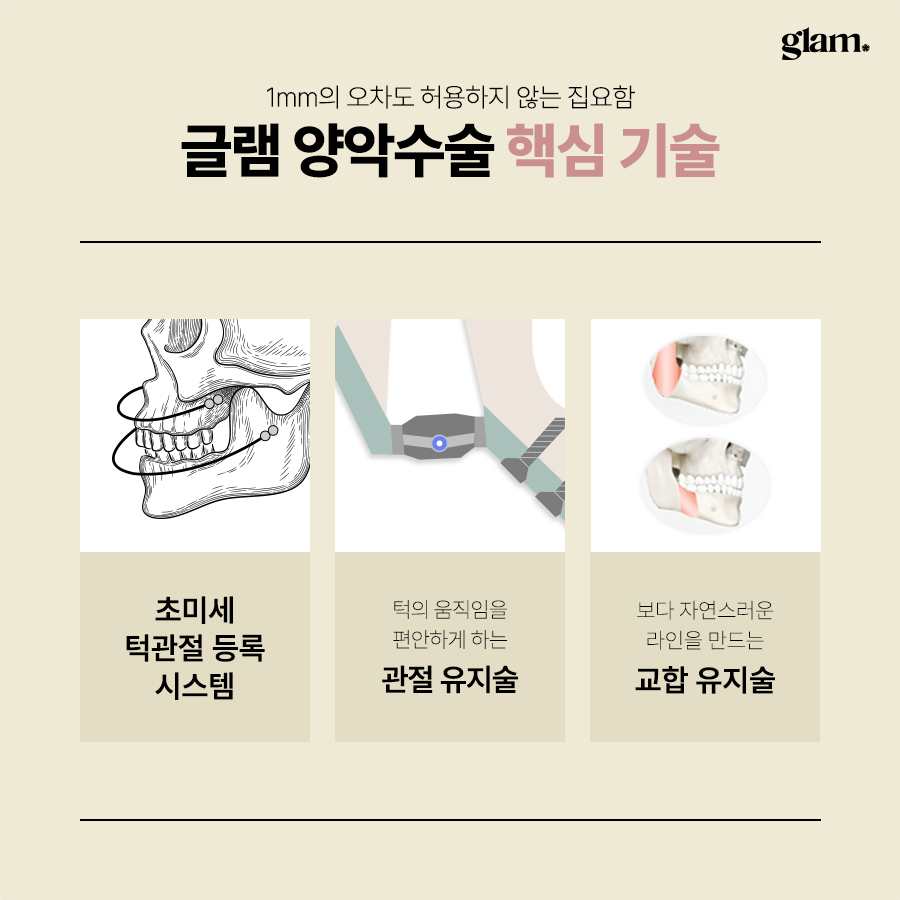
Double jaw surgery, also called orthognathic surgery, is an operation that repositions both the upper jaw and the lower jaw. The goal is to correct skeletal discrepancies, create a more stable bite, and bring the facial profile into better harmony.
Unlike simple jaw shaving of the outer bone surface, double jaw surgery involves cutting the jaw bones in controlled patterns, moving them to a planned position, and fixing them with plates and screws. It is usually performed under general anesthesia and requires detailed preoperative analysis.

Typical reasons to consider double jaw surgery include skeletal underbite or overbite, open bite that does not close properly, facial asymmetry, a long or vertically excessive lower face, a protruding mouth related to jaw position, and functional problems such as difficulty chewing or excessive load on the jaw joints.
Some patients need primary double jaw surgery for the first time. Others seek revision double jaw surgery when they have persistent functional problems, asymmetry, or dissatisfaction after previous jaw surgery. In both cases, careful evaluation and conservative indication are essential.
What actually changes before and after
Functional changes
The most important changes after double jaw surgery are functional.
Bite and chewing can improve when the upper and lower jaws are repositioned into a more ideal relationship. The teeth can meet more evenly, which helps distribute chewing forces across the mouth instead of overloading a few areas. Many patients find that eating becomes more efficient and comfortable once healing is complete.
Jaw joints and chewing muscles may also benefit. When the skeletal base is better aligned, the temporomandibular joints and surrounding muscles can work in a more balanced way. This may reduce strain, fatigue, or certain types of discomfort related to abnormal jaw position. However, it is important to understand that not every joint symptom disappears, and some patients may still need additional management.
Breathing and the airway can change in selected cases. Moving the jaws forward or adjusting their position can increase space in the upper airway. For some patients with structural narrowing, this may help improve snoring or mild sleep-disordered breathing. This type of indication needs careful evaluation with appropriate specialists and should not be assumed for every case.
Aesthetic changes
Before and after photos often focus on appearance, but it is important to understand what is realistically expected.
From the side profile, repositioning the jaws can improve the relationship between nose, lips, and chin. A retruded lower jaw can be brought forward, or an excessively protruding lower jaw can be set back. A long or overly prominent lower face can be softened. The aim is not an artificial look, but a profile where the facial features are in better proportion.
From the front, double jaw surgery can improve facial symmetry and midline alignment. The upper and lower midlines can be brought closer to the facial midline, and the balance between the upper, middle, and lower thirds of the face can be refined. For patients with asymmetry, the jaw angles and chin position may look more even.
The lower face contour often changes as well. When the jaw bones are repositioned, the width of the jawline, the angle near the ears, and the transition from cheek to chin can appear different. In some cases, this can make the face look less heavy or more defined, depending on the initial structure and the surgical plan.
The smile line and tooth show are also affected. After surgery, the amount of tooth visible when smiling or at rest can change, as can the amount of gum exposure. A well-planned operation aims for a natural smile that does not show too much gum and allows comfortable lip closure.
Psychological and quality-of-life aspects
Many patients report that improved function and a more harmonious face help their self-confidence and daily comfort. Eating in public, speaking, and taking photos can feel easier when the bite is stable and the jaw position feels natural.
At the same time, double jaw surgery is not a solution for every psychological concern. It cannot guarantee happiness or solve unrelated emotional issues. This is why realistic expectations, mental readiness, and honest discussion during consultation are just as important as the surgical plan.
How to interpret double jaw surgery before and after photos
When you look at before and after photos online, it is easy to focus only on dramatic cosmetic change. For a major facial bone operation, it is safer to look for signs of balanced, medically sound results.
Important points to check include alignment of the facial midline with the upper and lower midlines, balance of the three facial thirds, and a profile where the nose, lips, and chin are in harmony rather than pushed to extremes. The results should look consistent from the front, three-quarter, and side views, not only from one flattering angle.

Smile photos are very important. Try to find cases that show both resting and smiling expressions. A natural, relaxed smile with appropriate tooth show is often a sign that the functional and aesthetic planning were integrated.
Red flags include photos taken only from extreme angles, heavy makeup or filters that hide the real contour, and galleries that talk only about looking smaller or more dramatic without any mention of bite, chewing, or stability. Overly radical changes in jaw position may look impressive at first but can be harder to maintain comfortably over the long term.
In many cases, subtle, natural-looking changes are medically preferable. They respect the joints, muscles, and soft tissues and support long-term stability. When you compare before and after images, try to imagine whether the result would still look and feel comfortable ten years later.
Planning stage: what happens before surgery
Comprehensive evaluation
Before double jaw surgery, a thorough assessment is essential. This usually includes a detailed medical history, facial and skeletal analysis, imaging such as X-rays or 3D scans, and careful evaluation of the bite relationship.
During consultation, both functional issues and appearance concerns should be discussed. These may include chewing difficulty, speech concerns, jaw joint discomfort, and also how you feel about your profile, facial symmetry, and smile.
Individualized surgical plan
Based on this information, the surgical team decides whether both jaws truly need to be operated on, or whether a more limited procedure could be enough. Some patients benefit from double jaw surgery, while others may be better served by single jaw adjustment or different facial procedures.
Another key point is whether tooth alignment treatment is needed before or after surgery. In some cases, the plan may aim to reduce or even avoid extensive pre- or post-surgical tooth alignment when the skeletal and bite conditions allow. This must be decided individually, not applied as a shortcut in every case.
Honest indication setting
Not everyone who dislikes their profile is a candidate for double jaw surgery. For some people, less invasive approaches may be more suitable. A responsible clinic will recommend only the minimum necessary bone procedures and will explain clearly why surgery is or is not indicated.

For overseas patients, this honesty is especially important, because travel and recovery are demanding. A clear explanation of the goals, limits, and alternatives helps you decide whether to proceed.
Surgical approach and safety considerations
Double jaw surgery is a major operation. When you compare clinics, safety systems and focused expertise should be at the top of your checklist.
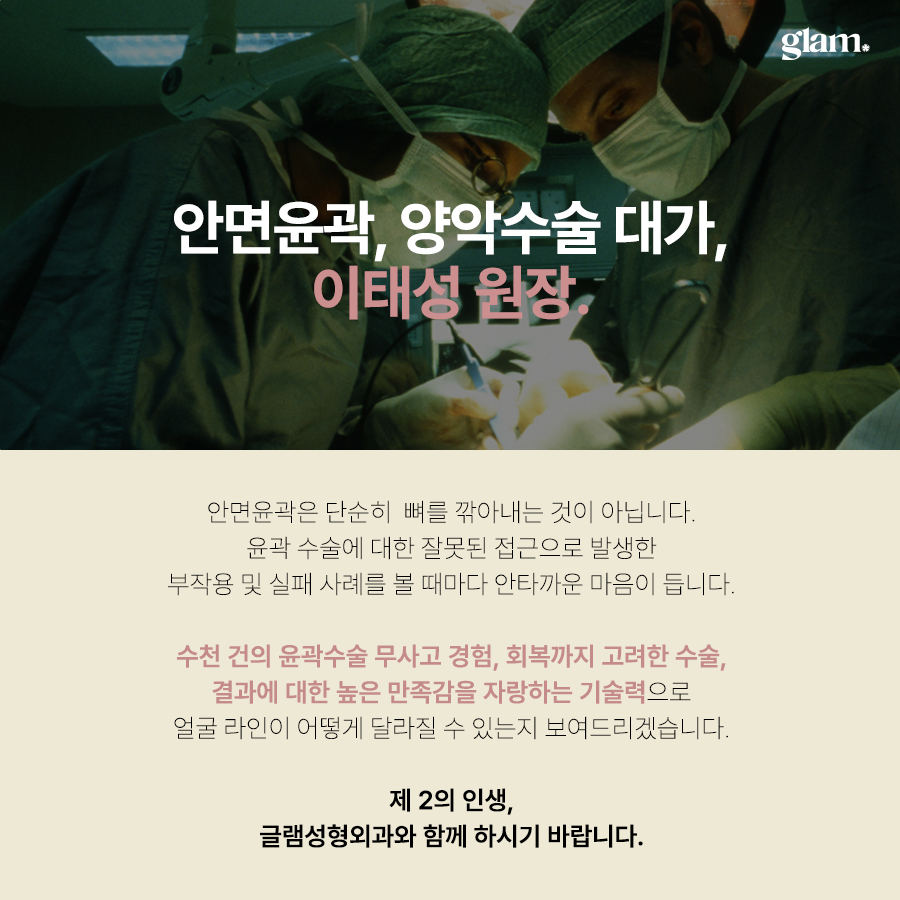
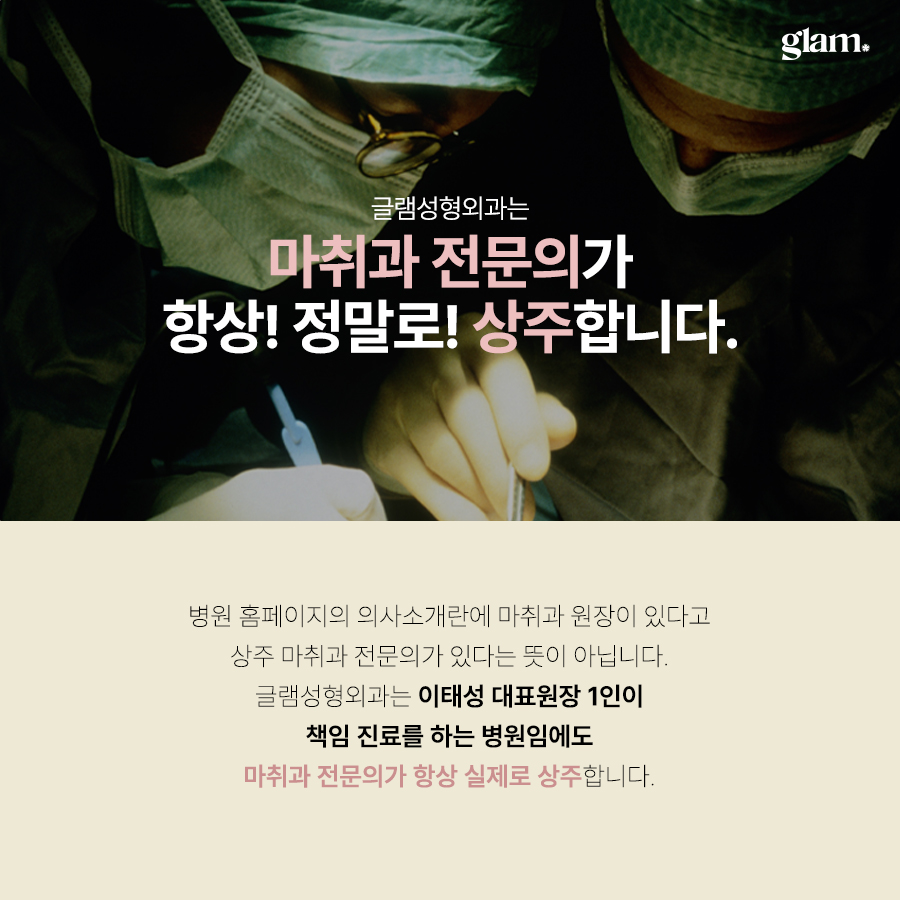
Many patients prefer a setting where a plastic surgeon with focused experience in facial bone surgery performs the operation and a dedicated anesthesiology specialist manages general anesthesia and monitoring. This division of roles helps maintain attention on both the surgical field and your overall safety.
Clinics that concentrate on facial bone procedures such as double jaw and facial contouring often have accumulated experience, protocols, and equipment tailored to bone surgery. This can support more consistent planning and aftercare.
Some surgeons also publish their techniques and outcomes in peer-reviewed scientific journals. For patients, such academic and clinical engagement can be one factor to consider when evaluating a clinic.
around the nose designed to help reduce the risk of nasal widening after jaw movement. These are not guarantees, but they show attention to both function and appearance.
Recovery and the after timeline
Immediate postoperative period: first 1 to 2 weeks
In the very early phase, most patients look and feel worse than their final result. Swelling is usually significant, bruising is common, and speaking and eating are difficult. You may have elastic bands or other support between the jaws, and your diet will be liquid or very soft.
During this time, it is normal to feel puffy, numb, and tired. Before and after photos taken at this stage are not representative of the final outcome.
Early recovery: about 1 to 3 months
Over the next few weeks, major swelling gradually decreases. The facial outline becomes clearer, and you can start to recognize changes in your profile and lower face. Eating slowly progresses from liquid to soft and then to more textured foods, according to your surgeon’s advice.
Many patients return to daily activities during this period, but some residual swelling and stiffness remain, especially at the end of the day or in cold weather. Before and after comparisons at this stage show a good idea of direction, but not the final refinement.
Mid to long term: 6 to 12 months and beyond
From 6 months onward, most of the visible swelling has resolved. Soft tissues continue to adapt to the new bone position, and the final contour, smile line, and expression become more natural.
Numbness, if present, may slowly improve over many months, although some residual changes can remain. The bite should feel more stable, and chewing and speaking should be comfortable in most everyday situations.
Supportive postoperative care
Some clinics in Gangnam may advertise structured postoperative care options to support recovery. Examples that clinics sometimes mention include LED therapy for skin comfort, facial dome treatments intended to provide gentle pressure and circulation, "total skin reset" style programs for skin barrier care during recovery, and radiofrequency-based treatments aimed at supporting tissue tone and reducing swelling over time. Availability and the evidence for benefit vary—confirm specific services and expected outcomes directly with any clinic.
These treatments are supportive, not a replacement for proper surgical technique and medical follow-up. They are usually scheduled in stages after surgery and can be adjusted for overseas patients with limited time in Korea.
Who may consider double jaw surgery
Double jaw surgery may be considered if you have a skeletal underbite or overbite that affects your bite, an open bite that does not close properly, noticeable facial asymmetry related to jaw position, a long or vertically excessive lower face, or a protruding mouth that is mainly due to jaw position.
People who experience difficulty chewing, jaw fatigue, or certain types of joint overload related to jaw position may also be candidates. Revision surgery may be considered if previous jaw surgery did not resolve functional issues or created new asymmetry.
On the other hand, if your concerns are mild and mainly cosmetic, or if they can be addressed with less invasive methods, a responsible clinic will explain these options. A full in-person or detailed online consultation is needed to decide.
Online consultation and pre-visit preparation for overseas patients
For international patients, the first step is usually an online consultation. Clinics in Sinsa, Gangnam often provide multilingual channels, including English, to review your case.
To prepare, it is helpful to collect clear front, side, and three-quarter photos of your face in natural light, both at rest and smiling. If you have previous imaging or reports, you can also send these. A description of your main concerns, any jaw joint symptoms, and your medical history will help the team understand your situation.
Before your visit, you can ask about the expected length of stay in Korea, how many in-person consultations and imaging sessions are needed, and how long you should remain in Seoul after surgery before flying home. It is also wise to clarify what kind of support is available in English during hospitalization and follow-up.
When comparing clinics, do not focus only on cost. Ask who will actually perform the surgery, how anesthesia is managed, how many double jaw cases the team handles, and what their philosophy is regarding conservative indications and minimal necessary procedures. You can also ask to see before and after cases that are similar to your own condition, with explanations of both functional and aesthetic changes.
Expected Korea visit timeline
A typical visit for double jaw surgery in Seoul may follow this general pattern, although details vary by clinic and individual case.

First 1 to 3 days: in-person consultation, imaging, and final planning. This may include 3D scans, bite analysis, and discussion of the surgical plan, risks, and expected course.
Surgery day: admission, anesthesia, operation, and early recovery in the clinic or partner facility.
First week after surgery: close monitoring, wound care, and guidance on hygiene, diet, and swelling management. Supportive treatments such as gentle LED therapy may begin according to the clinic’s protocol.
Second to third week: removal of certain sutures if needed, adjustment of elastic supports, and gradual increase in activity. Some overseas patients may be able to fly home around 2 to 3 weeks after surgery, depending on their condition and the surgeon’s advice.
Beyond three weeks: continued recovery at home, with online follow-up consultations and periodic check-ins. If you plan a second visit to Korea for long-term review or additional supportive care, this can be scheduled several months later.
Managing expectations and risks
Double jaw surgery is major surgery. Possible risks include infection, bleeding, nerve changes such as numbness, relapse or movement of the jaw position over time, joint discomfort, residual asymmetry, or dissatisfaction with the aesthetic outcome.
To reduce these risks, it is important to have a thorough consultation, clear communication of your goals, and a realistic understanding that perfect symmetry does not exist. The aim is improvement, stability, and harmony, not a completely new face.
Following postoperative instructions is essential. This includes diet progression, oral hygiene, medication, avoiding certain activities, and attending follow-up visits. For overseas patients, this also means keeping in touch with the clinic through online channels and seeking local medical help if any urgent issues arise.
Why choose a focused facial bone clinic in Sinsa, Gangnam
Sinsa in Gangnam, located along Dosan-daero near Sinsa Station Exit 1, is a well-known area for medical and aesthetic services in Seoul. For double jaw surgery, a focused facial bone clinic in this district offers several advantages.
also indicates that surgical procedures are carried out by its surgical team and that anesthesia and patient monitoring are overseen by anesthesia specialists; patients should confirm staffing and protocols directly with the clinic.
The clinic’s philosophy emphasizes recommending only the minimum necessary surgery and planning each case with both function and appearance in mind. For patients who are anxious about major bone surgery, this conservative, medically grounded approach can be reassuring.
For overseas patients, the clinic can adapt the schedule to the length of stay and provide guidance for continued care after returning home.
Frequently asked questions
How much does the face really change after double jaw surgery?
The degree of change depends on your starting structure and the surgical plan. Some patients experience noticeable improvement in profile, facial symmetry, and lower face contour, while others have more subtle refinement. A well-planned surgery aims for natural harmony and functional stability rather than extreme transformation. During consultation, your surgeon can show you similar cases and explain what is realistic for your situation.
How long does swelling last and when do before and after photos look final?
Most visible swelling improves significantly within 1 to 3 months, but subtle swelling can persist for 6 to 12 months or longer. Many clinics take intermediate photos around 3 months to show the general direction of change, and more final photos around 1 year when the soft tissues have settled. When you look at online before and after images, check how many months after surgery the after photo was taken.
Can double jaw surgery improve breathing or snoring?
In some cases, repositioning the jaws can increase airway space and may help certain breathing or snoring issues. However, this is not guaranteed and should not be assumed for every patient. If airway improvement is one of your goals, it is important to discuss this clearly and, when appropriate, involve related specialists and proper testing. The main indication for double jaw surgery remains correction of skeletal bite problems and facial balance.

Is it safe to have double jaw surgery as an overseas patient in Korea?
Many international patients travel to Seoul for double jaw surgery each year. Safety depends on careful clinic selection, thorough preoperative evaluation, clear communication, and appropriate timing of your stay. Choosing a focused facial bone clinic with experienced surgeons, a dedicated anesthesiology system, and structured postoperative care can support a safer experience. You should also plan enough time in Korea for early recovery and arrange reliable follow-up communication after you return home.
Soft call to action
If you are comparing double jaw surgery before and after cases and wondering what they would mean for your own face and bite, an individualized consultation is the next step. A focused facial bone clinic in Sinsa, Gangnam can review your photos and imaging, explain functional and aesthetic goals, and discuss whether double jaw surgery, a more limited procedure, or a non-surgical approach is most appropriate.
Overseas patients can use the clinic’s online and multilingual channels to ask questions, share concerns, and plan a visit to Seoul. Taking time to understand realistic before and after expectations will help you make a calm, informed decision about your treatment path.






댓글
댓글 쓰기