Contouring Double Jaw Surgery Guide for International Patients in Seoul
- 공유 링크 만들기
- X
- 이메일
- 기타 앱

Direct answer summary
Contouring double jaw surgery is a planned combination of double jaw surgery and facial contouring that aims to improve both bite function and facial balance at the same time. Instead of simply correcting the upper and lower jaws and then shaving bone here and there, the facial skeleton is designed as one structure from the beginning. For suitable patients, this approach can address issues such as a long face, protruding mouth, asymmetric jaw, wide or square jawline, and prominent cheekbones in a single integrated plan.
This guide explains what contouring double jaw surgery is, who may consider it, how evaluation and planning work, what to expect during a treatment trip to Korea, and how recovery and aftercare are usually managed at a specialized facial bone center in Gangnam, near Sinsa Station.
Treatment overview: what is contouring double jaw surgery?
Contouring double jaw surgery means repositioning both the upper and lower jaws while at the same time planning the jawline, chin, and cheekbones as part of one overall design. The goal is not only to correct how the teeth meet and how the jaws move, but also to create a slimmer, more harmonious facial line that suits the patient’s natural features.
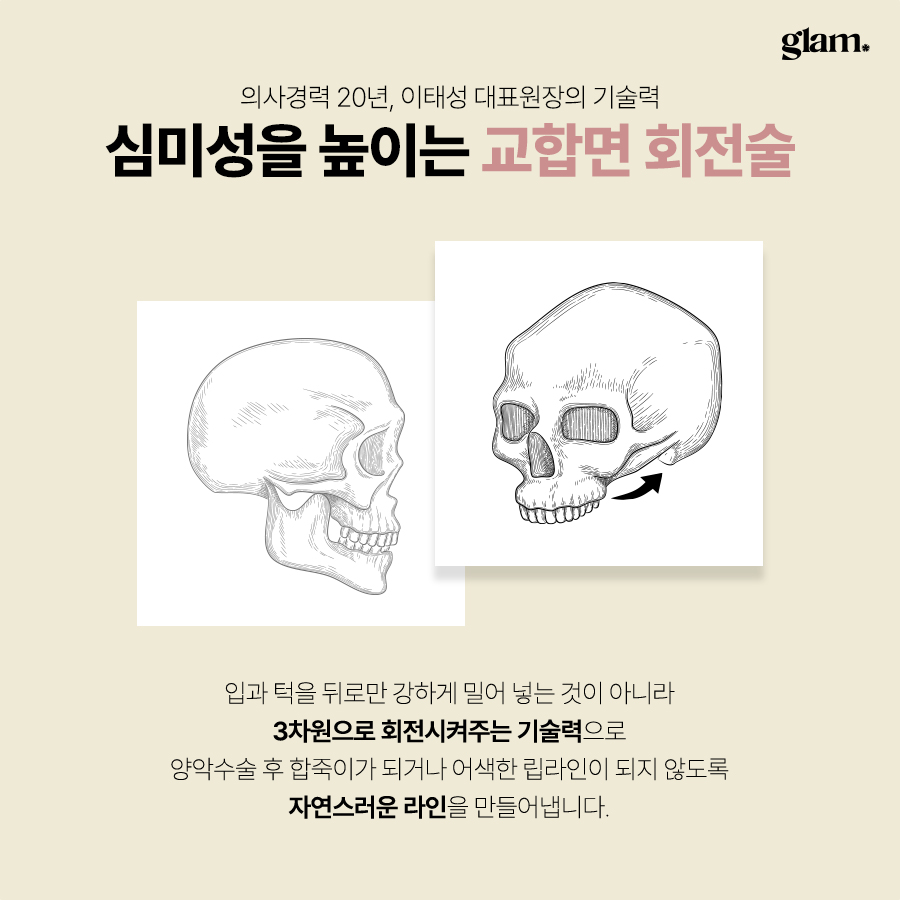
In a standard double jaw operation, the upper and lower jaws are moved to correct skeletal malocclusion and improve chewing, speech, and facial balance. Contouring double jaw surgery goes one step further by including facial contouring goals in the initial plan. The surgeon evaluates the jaw angles, chin length and width, and cheekbone projection together with the jaw position so that the midface, lower face, and bite are aligned in a coordinated way.

This differs from staged approaches where contouring is performed separately; integrated planning aims to coordinate skeletal changes and contouring goals from the outset. When the face is planned as a single three-dimensional structure, the amount of bone movement and bone reduction can be kept conservative, focusing on safety and natural proportions rather than aggressive bone shaving.
Typical concerns that may be addressed in an integrated plan include a long or elongated face, a protruding mouth, an asymmetric lower jaw, a wide or square jawline, and prominent cheekbones that make the face look broad from the front or side. When medically appropriate, these can be improved together through a carefully designed combination of double jaw repositioning and limited contouring.
Who may consider contouring double jaw surgery
Contouring double jaw surgery is usually considered for people who have both functional and aesthetic concerns.
Common indications include:
- Long face, recessed chin, or protruding mouth where jaw position is the main cause
- Skeletal malocclusion that cannot be corrected with tooth movement alone
- Facial asymmetry where one side of the jaw is lower, shorter, or more protruded
- Wide or square lower jawline combined with bite issues
- Prominent cheekbones that create a harsh or unbalanced facial outline
In these situations, simply reshaping the jaw angle or cheekbone without correcting the jaw position may not be enough. In some cases, contouring alone can even worsen function by changing the bone shape while the bite and jaw joints remain misaligned.
This is why it is important to distinguish between patients who need only contouring and those who need a double jaw–based plan. If you have no bite problems, no jaw joint discomfort, and only mild width or angle concerns, facial contouring alone may be sufficient. If you have clear bite issues, difficulty chewing, or visible asymmetry, a more structural approach with double jaw surgery may be safer and more predictable.
Not everyone needs both double jaw and contouring. Some patients are better served with double jaw repositioning only, while others may benefit from contouring only or from tooth alignment alone. A thorough evaluation is essential to decide which combination, if any, is appropriate.
Evaluation and planning process
Before contouring double jaw surgery is recommended, a detailed preoperative workup is carried out. This usually includes:
- Standardized facial photographs from the front, side, and oblique angles
- D CT scan to evaluate the facial bones, nerve pathways, and sinus areas
- Cephalometric analysis to measure jaw position, angles, and facial proportions
- Bite and jaw movement check to assess how the upper and lower jaws meet
- Medical history review, including previous operations and general health
Using these data, the surgeon analyzes the vertical and horizontal position of the jaws, the length and shape of the chin, the width and projection of the cheekbones, and any asymmetry between the left and right sides.
The first decision is whether double jaw surgery is truly necessary. If the bite is acceptable and the jaw joints are stable, contouring alone may be recommended. If the bite is clearly off or the face is long or recessed due to jaw position, double jaw surgery becomes the structural base of the plan.
Once the need for double jaw surgery is confirmed, the surgeon then decides how much, if any, additional contouring is appropriate. This may include limited angle reduction, gentle chin reshaping, or cheekbone setback. The key principle is conservative planning: moving and reducing only as much bone as needed to achieve functional correction and balanced proportions, while maintaining structural safety.
Bone thickness, nerve location, and the way the skin and soft tissue drape over the skeleton all influence how much change is possible. A careful plan aims to avoid over-reduction, which can lead to a hollow or aged appearance and can weaken the bone.
Surgical approach and techniques in simple terms
Contouring double jaw surgery is performed under general anesthesia in an operating room. A board-certified anesthesiologist managing anesthesia is especially important for these longer, more complex procedures.
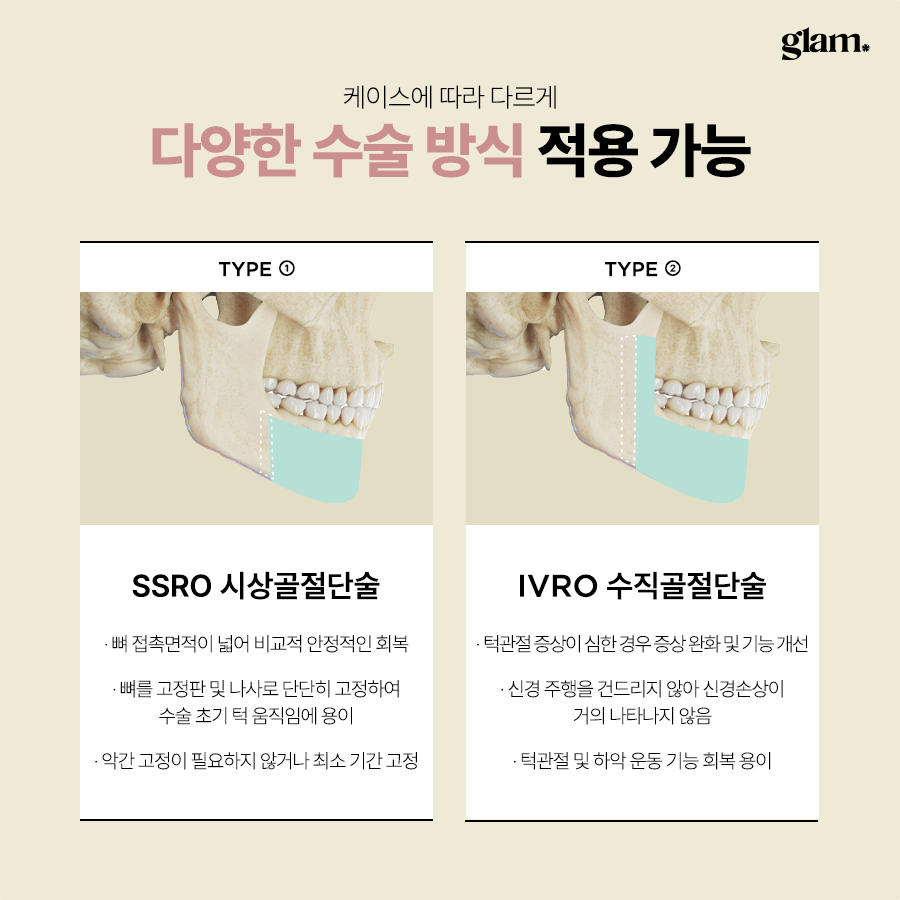
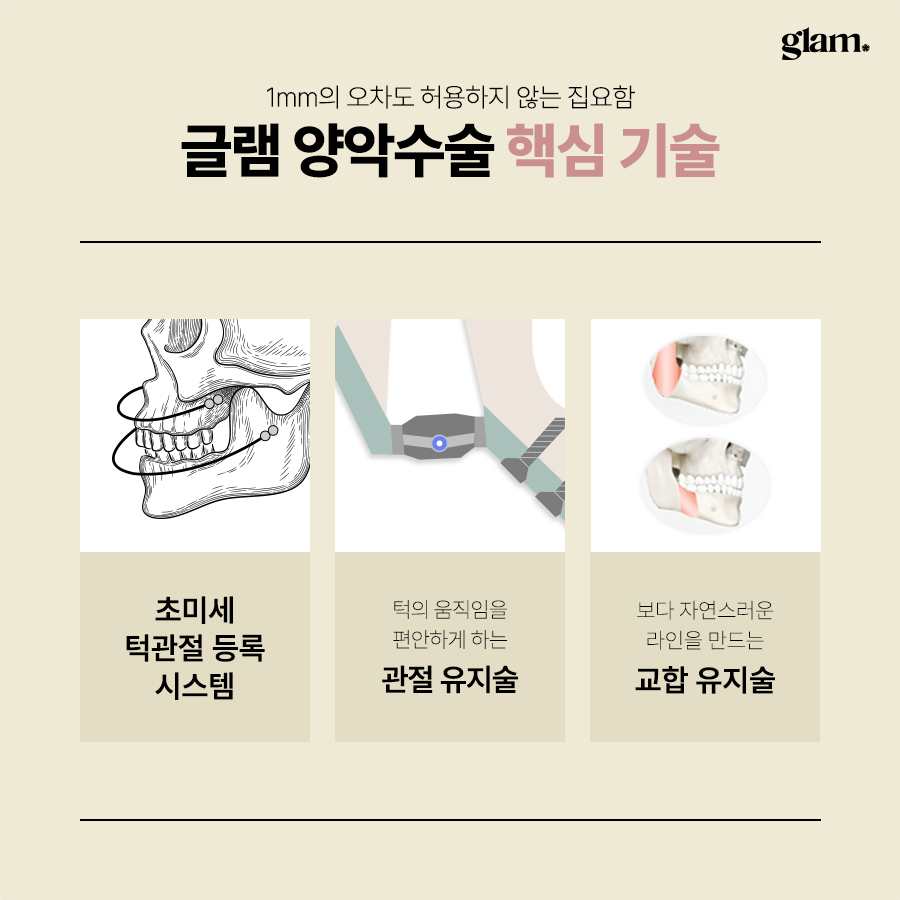
In a typical double jaw operation, incisions are made inside the mouth, so there are no visible scars on the skin. The upper jaw is carefully cut, repositioned, and fixed with small plates and screws. The lower jaw is then adjusted in a similar way. The new positions are planned in advance based on measurements and simulations.
When contouring is added, it is integrated into this sequence. For example, the surgeon may gently reduce the lower jaw angle to soften a square jawline, reshape or slightly advance or set back the chin for better profile balance, or move the cheekbones inward and backward to reduce excessive width. Depending on the case, these steps can be done in the same operation or staged in separate procedures for safety and to manage operation time and swelling.
Modern fixation techniques often allow the jaws to be stabilized with plates and screws so that long periods of complete jaw wiring can be avoided. Some temporary elastic bands may still be used to guide the new bite, but many patients can start opening the mouth gradually earlier than in the past. The exact protocol depends on the surgical plan and the stability of the new jaw positions.
In certain situations, structural changes alone can bring the bite into an acceptable range, which may shorten or reduce the need for tooth alignment before or after surgery. However, this decision must be made together with tooth alignment specialists and depends on the initial condition and the desired outcome.
Safety, specialization, and clinic positioning
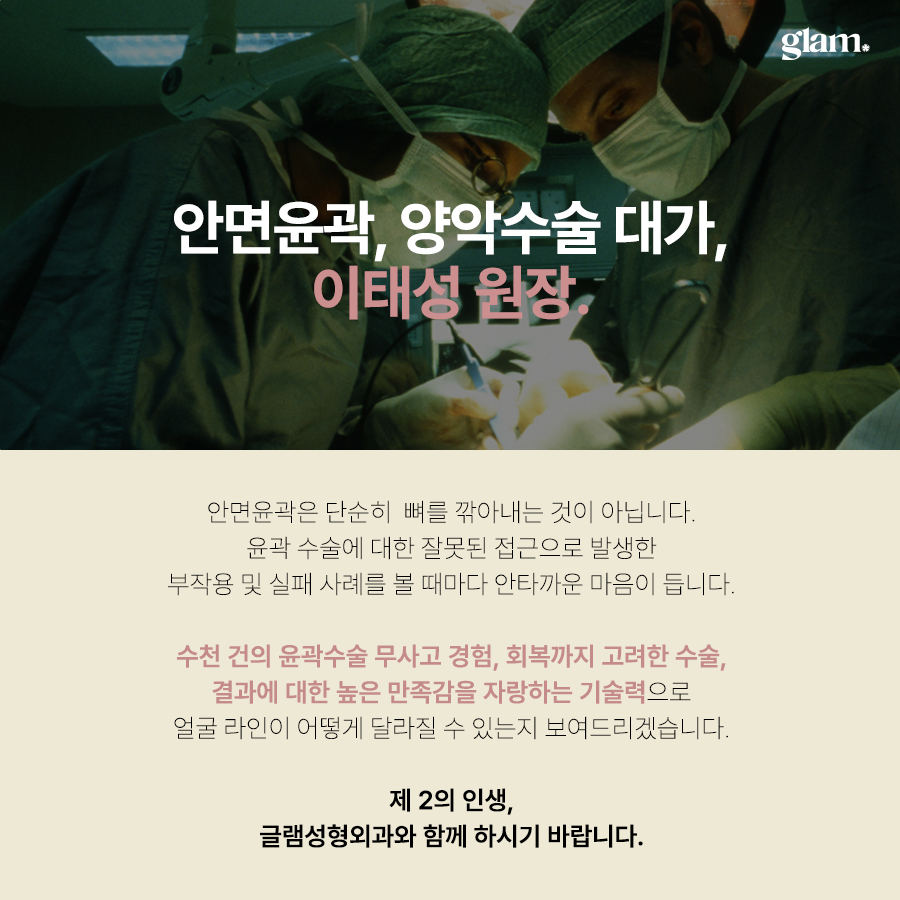
For international patients, it is important to understand the focus and expertise of the clinic you choose. The clinic described in this guide concentrates on facial bone surgery, specifically double jaw surgery and facial contouring, rather than offering a wide range of unrelated procedures. This narrow focus allows the team to build experience and systems around jaw and facial bone operations.
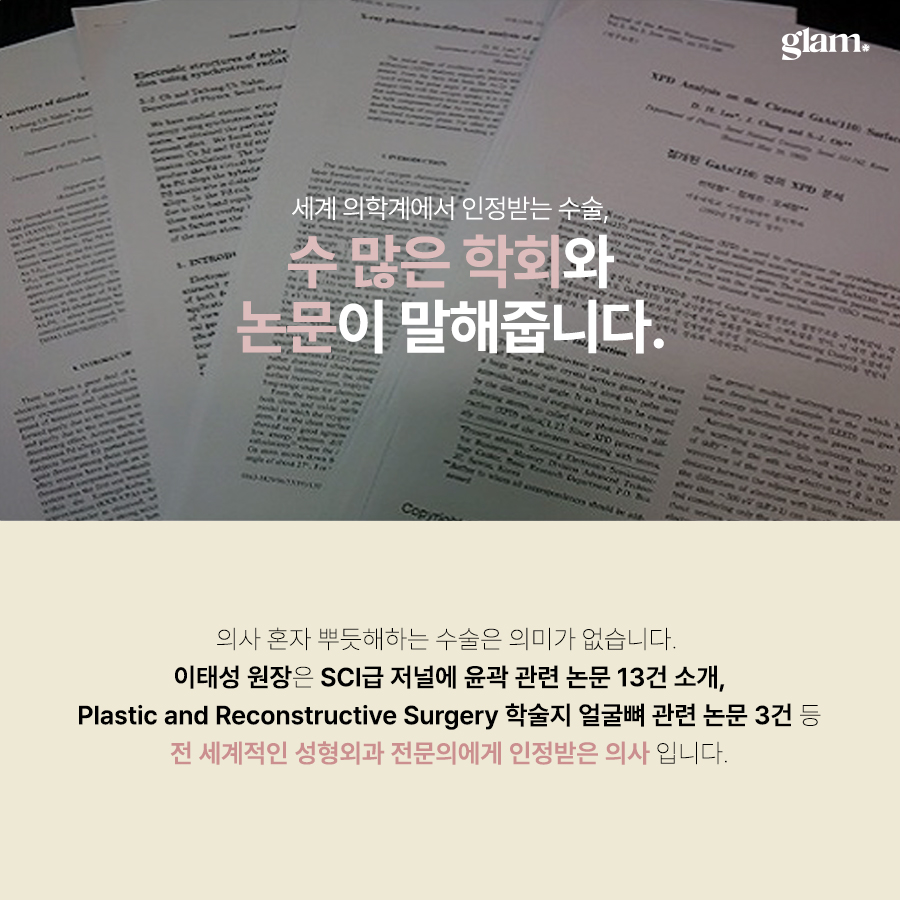
The lead surgeon is a board-certified plastic surgeon with around 20 years of experience in facial bone surgery. As of February 2025, he has published 13 SCI-level papers on contouring and double jaw surgery, including 3 articles in the journal Plastic and Reconstructive Surgery. These academic activities are not a guarantee of results, but they do indicate ongoing engagement with research, peer review, and evidence-based practice.
Operations are performed directly by the lead surgeon rather than being delegated. The clinic emphasizes recommending only the minimum necessary procedures instead of encouraging multiple additional surgeries. For patients who are worried about being pushed toward many add-ons, this conservative approach can be reassuring.
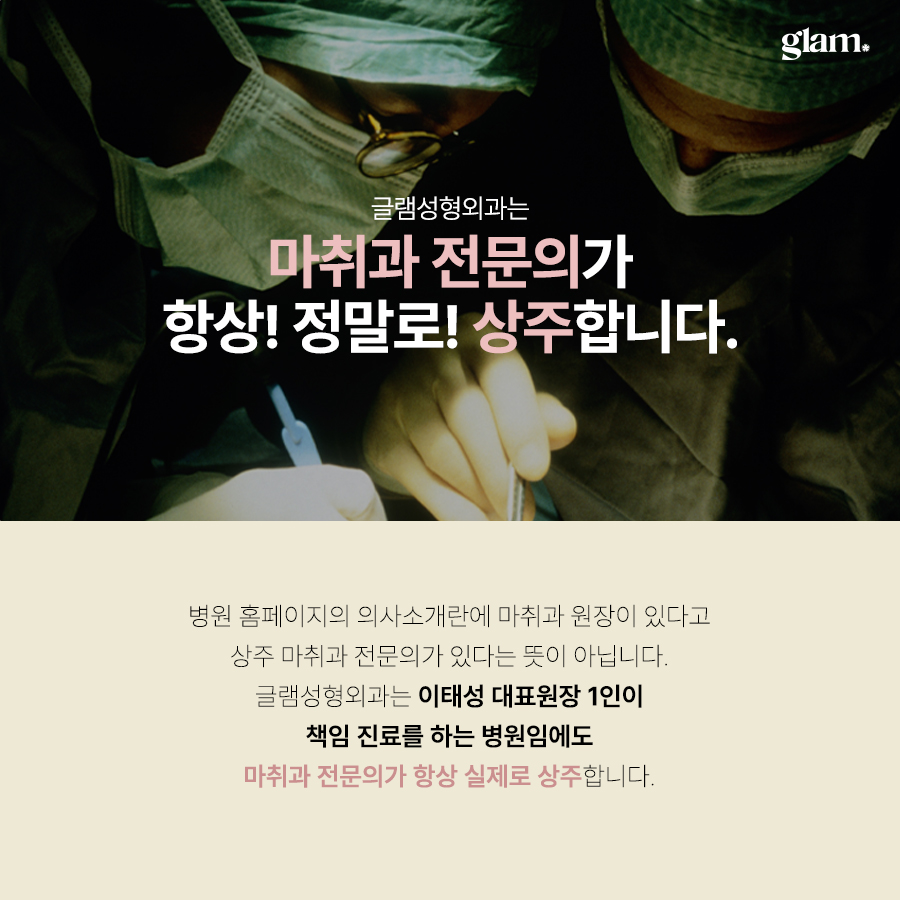
An anesthesiology and pain medicine specialist is responsible for anesthesia management. This is particularly important for contouring double jaw surgery, where the procedure time is longer and the airway and jaw structures are involved. Continuous monitoring and experienced anesthesia care contribute to overall safety.
Recovery timeline and post-op care
Recovery after contouring double jaw surgery happens in stages.
During the first 1 to 2 weeks, swelling and bruising are usually most noticeable. The face may feel tight and heavy, and speaking clearly can be difficult. Many patients follow a liquid or very soft diet during this period. Numbness or altered sensation around the lips, chin, and cheeks is common and often improves gradually over weeks to months.
From 3 to 6 weeks, swelling typically decreases step by step. You may start to see the new facial line, but it will still look somewhat puffy, especially in the morning or after long days. Diet can often be advanced from liquids to soft foods and then to more normal textures, based on the surgeon’s instructions and bite stability.
Over 3 to 6 months, the facial line continues to settle as the soft tissues adapt to the new bone structure. Subtle changes in contour, especially along the jawline and cheeks, become more visible as residual swelling resolves.
To support this process, the clinic offers post-operative care programs aimed at reducing swelling and helping the skin recover after bone surgery. These may include LED light therapy, facial dome care, skin reset programs, and radiofrequency lifting. These are used as supportive treatments for healing and swelling control, not as separate cosmetic procedures. The exact schedule and combination are adjusted to the individual’s condition and healing speed.
Aesthetic expectations and limitations
A key principle of contouring double jaw surgery is to aim for natural, structurally safe changes rather than extreme transformations. Very sharp V-lines or overly narrow faces may look unnatural and can compromise bone strength and soft tissue support.
The amount of bone that can be safely moved or reduced is limited by several factors:
- Bone thickness and quality
- The position of important nerves
- The way muscles and soft tissue attach to the bone
- The need to maintain a stable bite and jaw joint function
Because of these limits, not every reference photo or celebrity face shape can be reproduced. The realistic goal is a more balanced, softer, and proportionate face that still looks like you, just with improved harmony between the midface and lower face.
During consultation, it is helpful to discuss what you like and dislike about your current face, and what kind of change feels comfortable for you. The surgeon can then explain which aspects are structurally possible and which are not advisable.
Risks and precautions
Like any major operation, contouring double jaw surgery carries risks. These can include:
- Bleeding and swelling
- Infection
- Temporary or, less commonly, long-term changes in sensation around the lips, chin, or cheeks
- Asymmetry or irregular contour
- Bite problems or jaw joint discomfort
- The possibility of needing revision surgery in the future
To reduce risks, thorough preoperative consultation and honest sharing of your medical history are essential. This includes information about medications, allergies, previous surgeries, and any chronic conditions.
Before surgery, you will receive instructions about fasting, stopping certain medications or supplements, and lifestyle adjustments such as avoiding smoking and alcohol. Following these guidelines helps lower the chance of complications.
After surgery, careful oral hygiene, including mouth rinses and gentle cleaning, is important to reduce infection risk. Diet progression should follow the surgeon’s plan, starting with liquids and moving to soft foods as allowed. Avoiding smoking and alcohol in the early healing period supports bone and soft tissue recovery. Attending all scheduled follow-up visits allows the team to monitor healing, adjust elastics if used, and respond early to any concerns.
Online consultation and pre-visit preparation
For overseas patients, the process usually begins with an online consultation. To make this as accurate as possible, it is helpful to prepare the following:
Clear front, side, and 45-degree angle photos of your face, taken in good lighting without filters
Any previous imaging or reports you may have, if available
A short description of your main concerns: for example, long face, protruding mouth, jaw asymmetry, wide jawline, or prominent cheekbones
Information about your bite, such as difficulty chewing or jaw joint noises or discomfort
Your medical history, including medications and any previous operations
During the online consultation, the clinic can give you a preliminary opinion about whether contouring double jaw surgery, double jaw alone, or contouring alone might be considered. Final decisions, however, require in-person examination, imaging, and measurements in Seoul.
It is also useful to prepare a list of questions. For example:
- Is double jaw surgery truly necessary in my case, or could contouring alone be enough?
- How do you decide the limits of bone reduction to avoid over-reduction?
- What is the expected length of stay in Korea for my situation?
- What is your approach if my expectations are not realistic?
Expected Korea visit timeline for surgery
Although details vary by individual, a typical visit schedule for international patients might look like this:

Day 1–2: In-person consultation, facial photographs, 3D CT, cephalometric analysis, and bite check. Discussion of the final plan, risks, and consent. Preoperative tests such as blood work and general health assessment.
Day 3–4: Surgery day, followed by one or more nights of close monitoring, depending on the clinic’s protocol and your condition.
First 7–10 days: Early recovery in Korea. Follow-up visits to check swelling, wound healing, and bite. Adjustments to elastics if used. You will usually remain on a liquid or very soft diet and may receive early post-op care such as LED or gentle swelling management.
Around 10–14 days: Removal of some stitches if needed, further check of healing, and review of instructions for returning home. Many patients can fly back after this period, though some prefer to stay longer for additional follow-up and care.
First 1–3 months after returning home: Online follow-up consultations using photos and, if possible, local imaging. You will continue to follow diet and activity guidelines and may coordinate with local clinicians if additional bite adjustment is needed.
These timelines are general and may be adjusted based on your health, the complexity of the surgery, and any combined procedures.
Aftercare and support programs
After you return home, continued care is still important. The clinic usually provides:
- Detailed written instructions on diet, oral hygiene, and activity
- Guidance on when you can resume work, exercise, and travel
- Online follow-up appointments to review progress and answer questions
If you are able to stay longer in Korea, additional in-clinic care such as LED therapy, facial dome care, skin reset programs, and radiofrequency lifting may be scheduled to support swelling reduction and skin adaptation to the new bone structure.
These programs are designed to complement, not replace, the main surgical treatment. Their role is to help you feel more comfortable during the healing period and to support a smoother transition as swelling subsides.
FAQ about contouring double jaw surgery
Is contouring double jaw surgery only for people who want a smaller face?
No. The primary purpose of contouring double jaw surgery is to correct structural problems such as skeletal malocclusion, long face, or jaw asymmetry, while at the same time improving facial balance. Face size or width is only one part of the overall design. In many cases, the focus is on harmony and function rather than simply making everything smaller.
How do I know if I really need double jaw surgery and not just contouring?
If you have bite problems, difficulty chewing, jaw joint discomfort, or clear facial asymmetry, there is a higher chance that jaw position is involved. In such cases, contouring alone may not solve the underlying issue. A full evaluation with photos, 3D CT, and bite analysis is needed to determine whether double jaw surgery is necessary. If your bite is stable and your concerns are mainly about mild width or angles, contouring alone may be considered.
Will my face look very different after contouring double jaw surgery?
Most patients notice a clear change in profile and facial balance, but the goal is to keep the result natural and in line with your original features. The aim is not to turn you into a different person, but to adjust the structure so that the midface and lower face are more harmonious. How dramatic the change appears depends on the amount of movement needed for function and balance, and this is discussed in advance during planning.
How long should I plan to stay in Korea for this surgery?
Many international patients stay about 2 weeks in Korea for contouring double jaw surgery, including preoperative tests, the operation, and early follow-up. Some choose to stay longer for additional post-op care and monitoring. The exact recommended stay depends on your health, the complexity of your case, and your travel schedule, and is usually discussed during the online consultation.

Soft call to action for online consultation
If you are considering contouring double jaw surgery in Korea and want both functional correction and a more balanced facial line, an online consultation can be a practical first step. By sharing clear photos, your concerns, and your medical background, you can receive a personalized assessment of whether double jaw, contouring, or a combination might be suitable.
The clinic is located in Gangnam, Seoul, close to Sinsa Station, with weekday and Saturday hours and no lunch break, making it easier to schedule visits during your stay. Multilingual support in English, Japanese, and Thai is available to help you understand each stage of the process.
This article is intended as general information for international patients and does not replace an in-person consultation or individualized medical advice. Decisions about surgery should always be made after direct evaluation and discussion with qualified medical professionals.




- 공유 링크 만들기
- X
- 이메일
- 기타 앱


댓글
댓글 쓰기