Chin augmentation surgery in Gangnam for a more balanced jawline
Direct answer summary
Chin augmentation for a receding chin is a bone procedure that advances and reshapes the chin to improve facial proportion and jawline definition. In the Sinsa Station area of Gangnam, several clinics focus on facial bone surgery, including chin reshaping, double jaw surgery, and mandibular contouring. These centers plan chin augmentation with consideration of the entire facial skeleton, led by plastic surgeons experienced in facial bone procedures. An anesthesiologist typically manages anesthesia. For international patients, online consultation, structured preoperative planning, and organized postoperative care can help make a visit for chin surgery more predictable; patients should confirm staff credentials and care protocols during consultation.
Treatment overview: what is chin augmentation for a receding chin
A receding chin means the chin is set back compared with the lips, nose, and jawline. From the side, the lower face can look weak or “pushed backward.” From the front, the lower face may appear short, round, or undefined, with a less distinct jawline.
In many people, this is not only a soft-tissue issue. The underlying bone of the chin and lower jaw is often positioned backward or shaped in a way that does not match the upper and mid-face. When this is the case, simple volume fillers may not be enough to create a stable and natural-looking improvement.
Chin augmentation surgery for a receding chin focuses on the bone. Techniques such as sliding genioplasty and mandibular contouring adjust the actual chin bone and lower jaw. The aim is to move the chin forward, adjust its height and width, and harmonize it with the lips, nose, and jaw angle.
Typical concerns that lead people to consider chin augmentation include:
- A short or small chin that disappears in profile photos
- A double chin that looks worse because the chin is set back
- An unclear jawline and round, undefined lower face
- A feeling that the upper and mid-face are too prominent compared with the lower face
For mild cases, minor volume enhancement with an implant or limited augmentation may be discussed. For more structural problems, bone-based chin reshaping is usually considered for a more stable and three-dimensional correction.
Type of clinic and medical team
The clinic is a facial/plastic surgery clinic in Gangnam that focuses on facial bone procedures such as double jaw surgery and facial contouring. Rather than offering a broad range of body procedures, the practice concentrates on jaw and lower facial structure. This focus is directly relevant to receding chin correction because the chin is part of the lower jaw and must be evaluated in the context of the facial skeleton.
Within this system, chin augmentation is handled by a board-certified plastic surgeon who specializes in facial bone surgery. The surgeon has a background in major university hospitals and long experience with facial bone procedures, including double jaw surgery and various contouring operations of the jaw and chin.
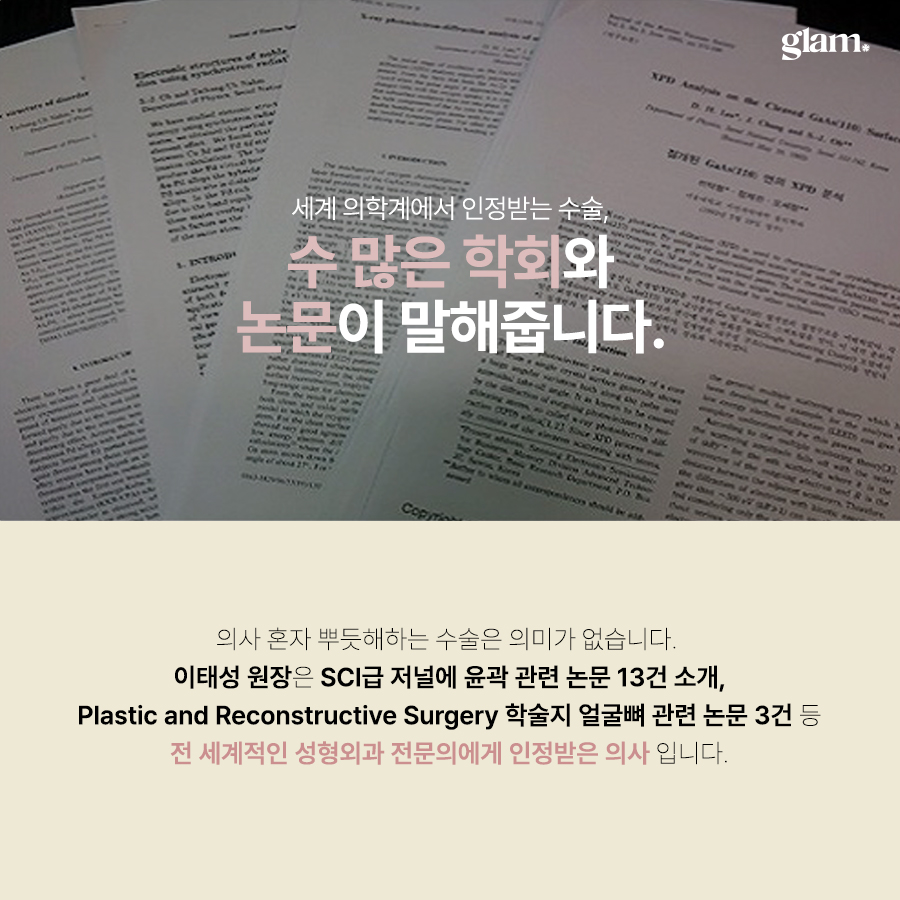
According to the clinic's available information, the surgeon reports having multiple peer-reviewed publications related to facial contouring and double jaw surgery. Patients may consider published work as one factor when evaluating a surgeon, and should request original publications or a CV to verify specific records and journal details.
An anesthesiologist manages anesthesia and intraoperative monitoring during facial bone procedures. Patients should confirm the anesthesiologist's qualifications and the clinic's monitoring procedures during consultation.
Surgical approach to correcting a receding chin
Chin augmentation for a receding chin can be performed in several ways, depending on the patient’s bone structure and facial balance.
Sliding genioplasty
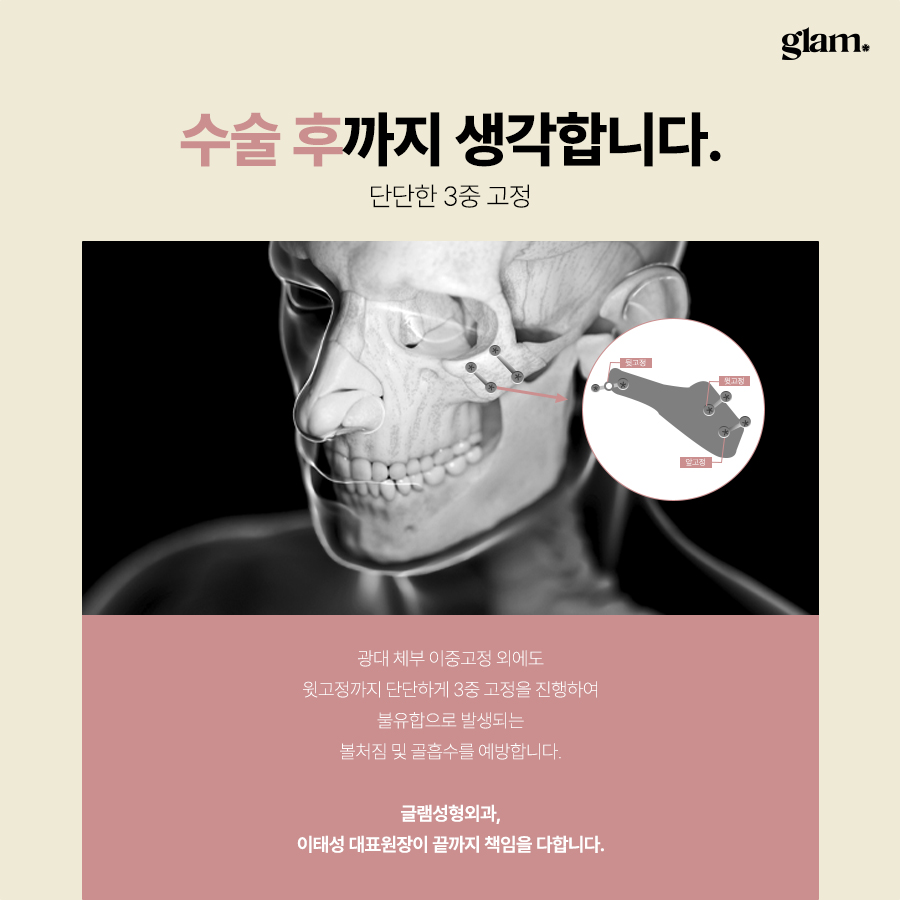
In sliding genioplasty, the surgeon cuts the front part of the chin bone through an incision usually hidden inside the mouth. This bone segment is then moved forward, and sometimes slightly up or down, to improve both projection and vertical height. The segment is fixed in its new position with plates and screws.
This method allows fine control of how far the chin moves forward, how tall it appears from the front, and how it lines up with the lips and nose. It can also be combined with narrowing or widening of the chin to adjust its width.
Mandibular contouring
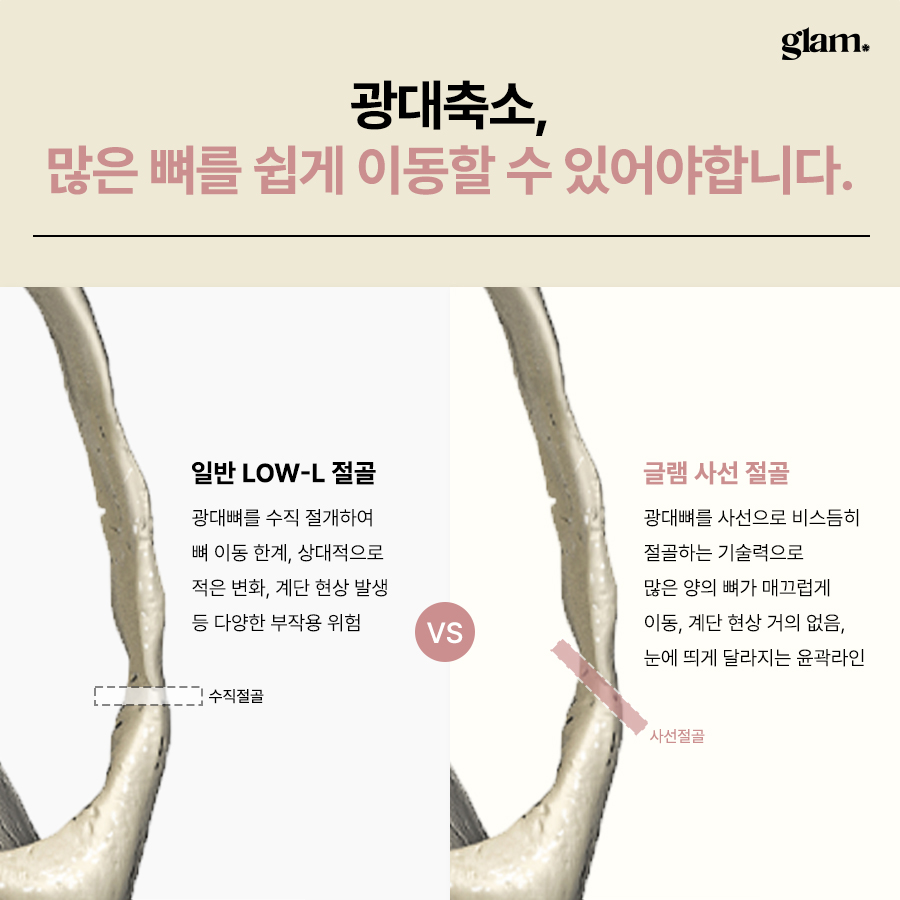
In some patients, the issue is not only the front chin point but also the overall shape of the lower jaw. Mandibular contouring involves reshaping parts of the jawbone to create a smoother, more defined jawline and better transition from the chin to the jaw angle.
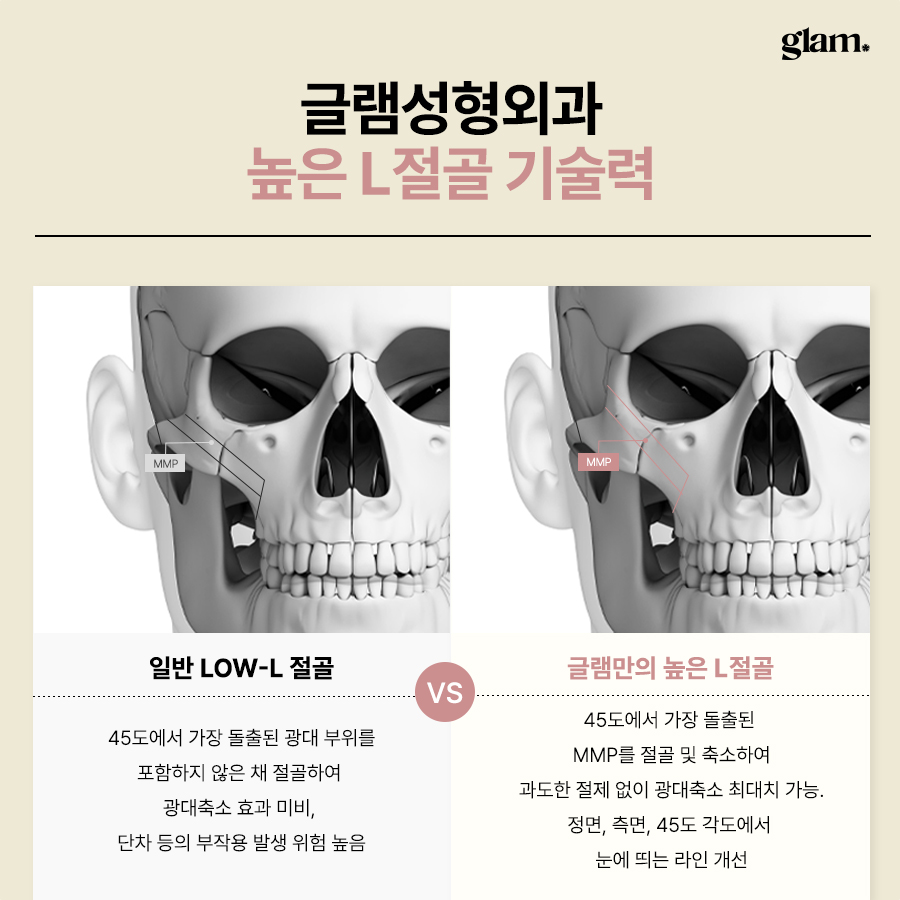
This can include reducing overly wide or square angles, smoothing irregularities, or subtly reshaping the lower border of the jaw. When combined with chin advancement, the result can be a more continuous and balanced lower facial line.
Implant or minor augmentation
For patients with only mild recession and good overall jaw structure, a small implant or limited augmentation might be considered. However, when the core problem is bone position, bone-based surgery such as sliding genioplasty tends to offer more precise structural correction.
Whole-face planning
Because the clinic focuses on facial bone surgery, chin reshaping is not planned as an isolated procedure. The surgeon analyzes how the chin relates to the upper and mid-face, the nose, the lips, and the jaw angle. The goals include:
- Bringing the chin forward to match the lips and nose
- Adjusting vertical height if the lower face is too short or too long
- Refining width so the chin is not too wide or too narrow
- Harmonizing the chin with the jawline and overall facial proportions
The clinic’s philosophy is to propose only the minimum necessary surgery based on objective analysis. For example, if a patient can achieve good balance with chin advancement alone, the surgeon may not recommend additional jaw contouring. This can be reassuring for people worried about over-treatment or unnecessary combined procedures.
Diagnosis, planning, and consultation
Before surgery, a structured diagnostic and planning process is essential. For international patients, this often starts with an online consultation, followed by in-person evaluation when they arrive in Korea.
Typical preoperative steps include:
Facial analysis from multiple angles: The surgeon looks at front, three-quarter, and side views to understand how the chin affects overall facial balance.
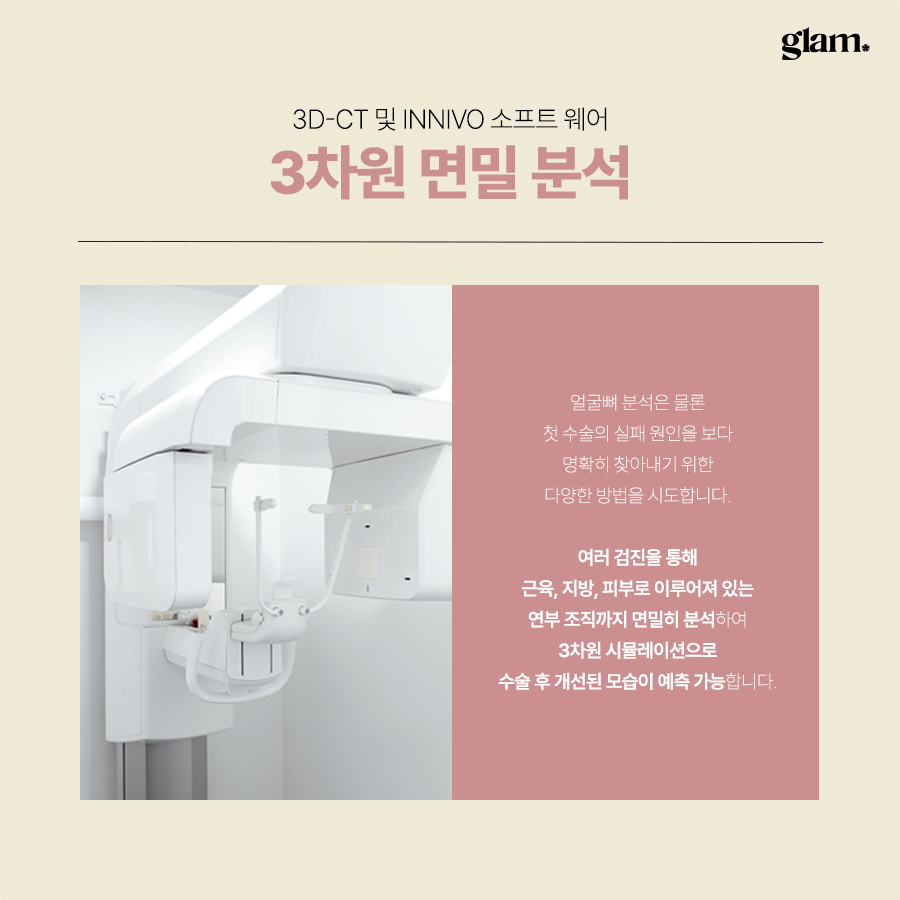
Imaging of the jaw and chin: X-rays or 3D imaging are used to evaluate bone structure, thickness, and the relationship between the chin, lower jaw, and other facial bones.
Evaluation of bite and jaw relationship: When relevant, the surgeon checks how the upper and lower jaws meet, and whether there are functional issues that might influence the surgical plan.
Based on this information, the surgeon calculates how far the chin should be advanced or reshaped. The goal is not to create a dramatic or artificial look, but to bring the lower face into harmony with the rest of the features.
The clinic’s philosophy is to recommend only what is needed. If additional procedures do not add meaningful benefit or would create an unbalanced appearance, they are not encouraged. During consultation, patients are usually guided through:
- Expected changes in profile and front view
- Possible surgical options and their pros and cons
- Recovery timeline and potential risks
For overseas patients, sharing clear photos and any previous imaging in advance can help the surgeon prepare a more accurate preliminary plan before the in-person visit.
Anesthesia and safety system
Facial bone surgery such as sliding genioplasty and mandibular contouring is more invasive and time-consuming than simple vision consultation injections or minor soft-tissue procedures. For this reason, anesthesia and safety systems are crucial.
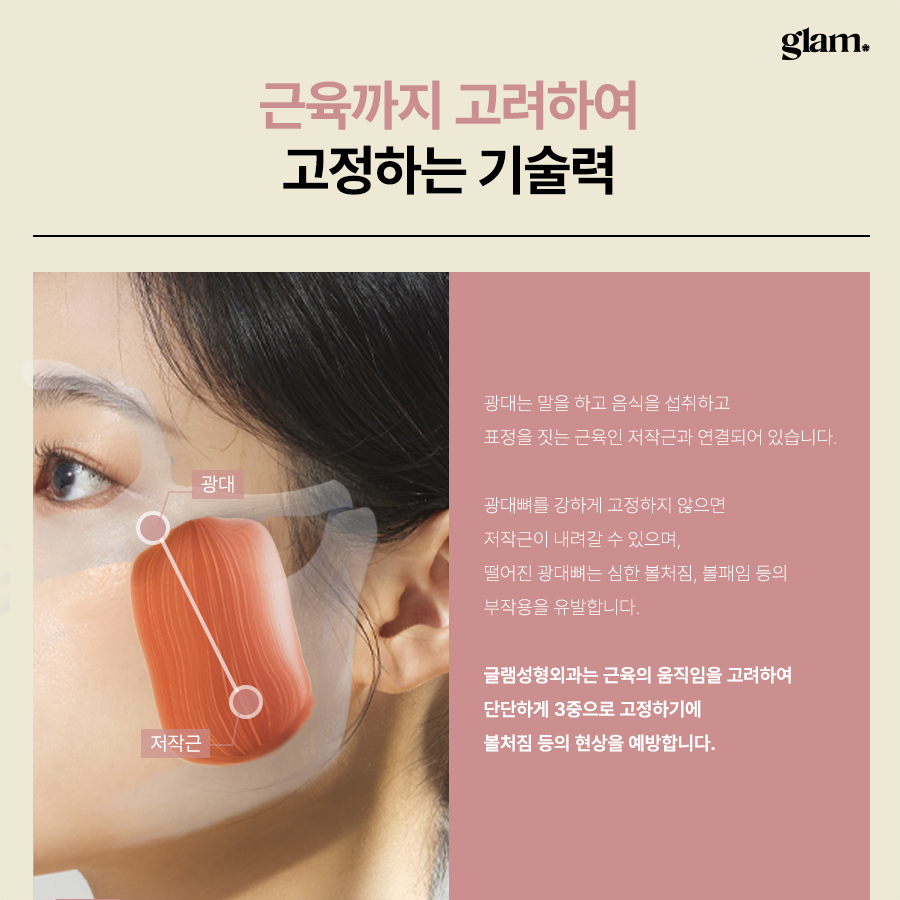
At this clinic, a board-certified anesthesiologist is responsible for anesthesia and continuous monitoring during surgery. This includes:
Selecting an appropriate anesthesia method based on the patient’s health status and the complexity of the procedure
Monitoring vital signs such as heart rate, blood pressure, oxygen levels, and breathing throughout the operation
Adjusting anesthesia levels in real time to maintain stability and comfort
The clinic states that it uses preoperative health checks, medication review, and fasting instructions as part of surgical preparation. International patients should share accurate medical history, current medications, and any previous anesthesia experiences before traveling, and confirm the clinic's preoperative and emergency protocols during consultation.
Postoperative care and recovery
After chin bone surgery, the clinic provides structured postoperative care programs tailored to facial bone patients. These may include:
LED therapy: Light-based treatments used to support skin condition and help with recovery.
Facial dome care: Gentle care around the surgical area to support circulation and comfort.
Total skin reset care: Programs aimed at improving skin condition, which can be helpful as swelling decreases and the new contour becomes visible.
Radiofrequency lifting devices: Non-invasive treatments used in the later stages of recovery to support skin tightening and contour definition.
General recovery expectations for chin bone surgery include:
First week: Swelling, tightness, and some discomfort are common. Bruising may appear around the chin and lower face. Soft foods and careful mouth hygiene are usually recommended.
Two to four weeks: Swelling gradually decreases. Many patients feel more comfortable returning to light daily activities and social situations, although some residual swelling may remain.
Several months: The final contour becomes clearer as deep swelling resolves. Subtle changes in the way light and shadow fall on the lower face become more noticeable.
Individual recovery varies depending on the extent of surgery, personal healing capacity, and how closely postoperative instructions are followed. The clinic typically schedules follow-up visits to monitor healing, adjust care, and answer questions.
Natural results and function
The aim of chin augmentation for a receding chin is not to create an exaggerated or overly sharp chin. Instead, the target is a balanced profile and a more defined lower face that still looks like the patient.
During planning, the surgeon considers:
- How the chin lines up with the lips and nose in profile
- How the lower face length compares with the upper and mid-face
- How the chin width fits with the jawline and cheekbones
Functional aspects are also important. Jaw movement and bite are considered, especially when chin surgery is combined with other jaw procedures. The goal is to maintain or improve comfort in everyday activities such as speaking and chewing, while enhancing facial harmony.
Clinic environment and accessibility
The clinic is located near Sinsa Station in Gangnam, within a short walking distance from exit 1. This makes it convenient for both local and international visitors who may be staying in nearby hotels or serviced apartments.
The clinic operates on weekdays and Saturdays without a separate lunch break, which can make scheduling easier for patients with limited time in Korea.
For overseas patients, multilingual support is available in languages such as English, Japanese, and Thai. The clinic also provides information and preliminary consultation through online channels, including Instagram, YouTube, and a messaging channel. These platforms can be useful for:
- Checking educational content about chin and jaw surgery
- Reviewing explanations of procedures and recovery
- Sending initial questions and photos for pre-visit evaluation
Who may consider chin augmentation surgery
Chin augmentation may be worth considering if you recognize one or more of the following:
Your chin appears noticeably behind your lips and nose in profile photos.
You feel your lower face is too short or round compared with your upper face.
You have a double chin that seems worse because the chin is set back.
Your jawline lacks definition, even at a healthy body weight.
You want a more balanced, defined side profile without changing your other features dramatically.
However, not everyone with a receding chin needs bone surgery. Some people may benefit from minor augmentation or non-surgical options. A thorough consultation with a surgeon experienced in facial bone surgery is essential to determine the most appropriate approach for your anatomy and goals.
Online consultation and pre-visit preparation for overseas patients
If you are considering traveling to Korea for chin augmentation, organizing your consultation and visit in advance can make the process smoother.
Steps you can take before your trip include:
1. Initial online inquiry: Contact the clinic through its website, messaging channel, or email. Briefly describe your concerns and what you hope to improve.
2. Photo submission: Provide clear photos of your face from the front, both sides, and three-quarter angles. Good lighting and a neutral expression help the surgeon evaluate your chin and jawline.
3. Medical information: Share your age, general health status, past surgeries, current medications, and any known allergies. Mention any previous anesthesia experiences.
4. Preliminary plan and schedule: The clinic can usually offer a preliminary opinion and suggest a rough treatment plan, including an estimated stay in Korea and timing for surgery and follow-up visits.
5. Travel planning: Once you decide to proceed, you can arrange flights and accommodation near Sinsa Station. Many patients choose to stay within easy walking or short taxi distance from the clinic.
Expected Korea visit timeline for chin augmentation
Every case is different, but a common timeline for international patients undergoing chin bone surgery might look like this:
Day 1–2: In-person consultation and imaging
You meet the surgeon, undergo detailed facial analysis and imaging, and discuss the final plan. The surgeon explains the procedure, expected changes, risks, and recovery. You sign consent forms and complete preoperative tests.

Day 3–4: Surgery day
You arrive at the clinic at the scheduled time. After preoperative checks, the anesthesiologist administers anesthesia and monitors you throughout the procedure. After surgery, you stay in the recovery area until you are stable and ready to return to your accommodation.
First week: Early recovery and clinic visits
You may visit the clinic for dressing checks, cleaning, and early postoperative care. Swelling and discomfort are usually most noticeable during this period. The clinic may start gentle care such as LED therapy as appropriate.
Second to third week: Continued recovery
Swelling begins to decrease, and you may feel more comfortable going outside. Follow-up visits focus on monitoring healing and adjusting care. Some patients feel ready to return home during this period, depending on the surgeon’s advice.
One to three months: Remote follow-up
After returning home, you can stay in contact with the clinic through online channels, sharing photos and asking questions. The final contour continues to refine over several months.
Your exact schedule may differ based on your health, the complexity of surgery, and your travel constraints. Discuss your timing clearly with the clinic during the planning stage.
Aftercare and long-term considerations
After you return home, maintaining good oral hygiene, following dietary guidance, and avoiding strong impacts to the chin area are important. The clinic will usually provide written instructions and may recommend:
- Rinsing the mouth carefully if incisions are inside the mouth
- Avoiding hard or chewy foods for a certain period
- Sleeping with the head elevated in the early phase to help with swelling
- Avoiding intense exercise until you receive clearance
Long-term, most patients can return to normal activities, including exercise and travel. Regular communication with the clinic and periodic photo updates can help ensure your healing is on track.

How to choose a clinic for receding chin surgery
Choosing where to have chin augmentation is a major decision, especially if you are traveling from overseas. When comparing clinics, you may want to check the following points:
Surgeon’s focus: Look for a surgeon who concentrates on facial bone surgery, including chin and jaw procedures, rather than a clinic that only offers soft-tissue treatments.
Clear planning: Ask how the clinic analyzes facial proportions and plans chin movement. You should receive a logical explanation of why a certain amount of advancement or reshaping is recommended.
Safety system: Confirm that a board-certified anesthesiologist is responsible for anesthesia and monitoring, and ask about preoperative tests and emergency protocols.
Realistic guidance: Pay attention to whether the clinic explains both benefits and risks, and whether they discourage unnecessary add-on procedures.
Structured aftercare: Ask what postoperative care is provided, such as follow-up visits, LED therapy, or other support for swelling and skin condition.
When preparing for consultation, it can help to write down questions such as:
- How will my profile and front view change with this surgery?
- Is bone-based chin surgery necessary in my case, or could a smaller procedure be enough?
- What is the expected recovery timeline for someone visiting from overseas?
- What are the main risks, and how are complications handled?
Focusing on safety, long-term facial harmony, and clear communication will usually serve you better than chasing aggressive or trendy procedures.
FAQ
What is the difference between chin fillers and bone-based chin surgery?
Chin fillers add volume to the soft tissue in front of the bone, which can slightly improve projection in mild cases. However, they do not change the position or shape of the bone itself. Bone-based chin surgery, such as sliding genioplasty, repositions the chin bone and can adjust projection, height, and width in a more structural way. For a significantly receding chin caused by bone position, surgery is often considered when a more stable and three-dimensional change is desired.

How long does swelling last after chin augmentation surgery?
Most swelling is noticeable during the first one to two weeks after surgery. It then gradually decreases over the next several weeks. Many patients feel comfortable with their appearance in everyday situations after about three to six weeks, although subtle swelling can persist for a few months. The final contour usually becomes clear several months after surgery, once deep tissues have fully settled.
Is chin augmentation surgery painful?
During surgery, you are under anesthesia managed by a board-certified anesthesiologist, so you do not feel pain. After surgery, it is normal to experience some discomfort, tightness, and pressure in the chin and lower face. Pain is usually manageable with prescribed medication and tends to improve significantly over the first week. Sensations such as mild numbness or stiffness can last longer but often improve as healing progresses.
How long should I stay in Korea for chin bone surgery?
The recommended stay can vary, but many international patients plan for about two to three weeks in Korea for chin bone surgery. This allows time for in-person consultation and imaging, the operation itself, early postoperative checks, and initial recovery. Your exact schedule should be discussed with the clinic in advance, taking into account your health, the complexity of your surgery, and your travel plans.
Soft call to action
If you are concerned about a weak or receding chin and are considering treatment in Korea, an online consultation can be a practical first step. By sharing photos and your goals in advance, you can receive a preliminary opinion on whether bone-based chin augmentation may be appropriate, what kind of changes are realistic, and how to plan your visit to Gangnam. From there, you can decide at your own pace whether this approach aligns with your expectations for a more balanced profile and clearer jawline.






댓글
댓글 쓰기