Cheekbone Reduction Surgery Guide for Facial Contouring in Korea
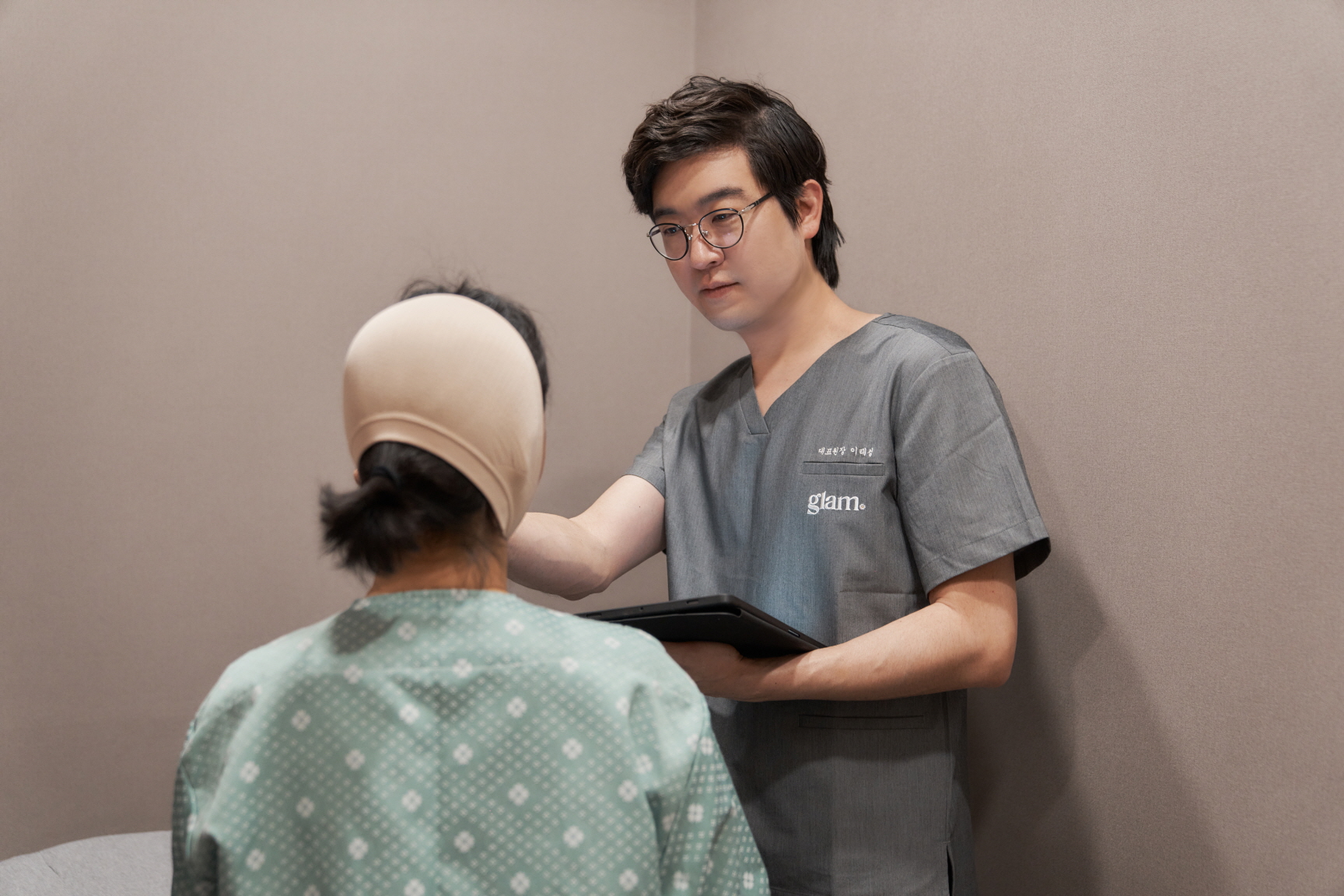
Direct answer summary
It is a bone-focused operation, not a skin or simple soft-tissue treatment. In Gangnam, near Sinsa Station in Seoul, there are clinics that focus exclusively on facial bone surgery such as double jaw and cheekbone contouring, offering imaging-based planning, experienced surgical care, and structured aftercare for international patients.
What is cheekbone reduction surgery
Cheekbone reduction surgery is designed to reduce the width and sharpness of the midface by changing the shape and position of the cheekbone, also known as the zygomatic bone and its arch.
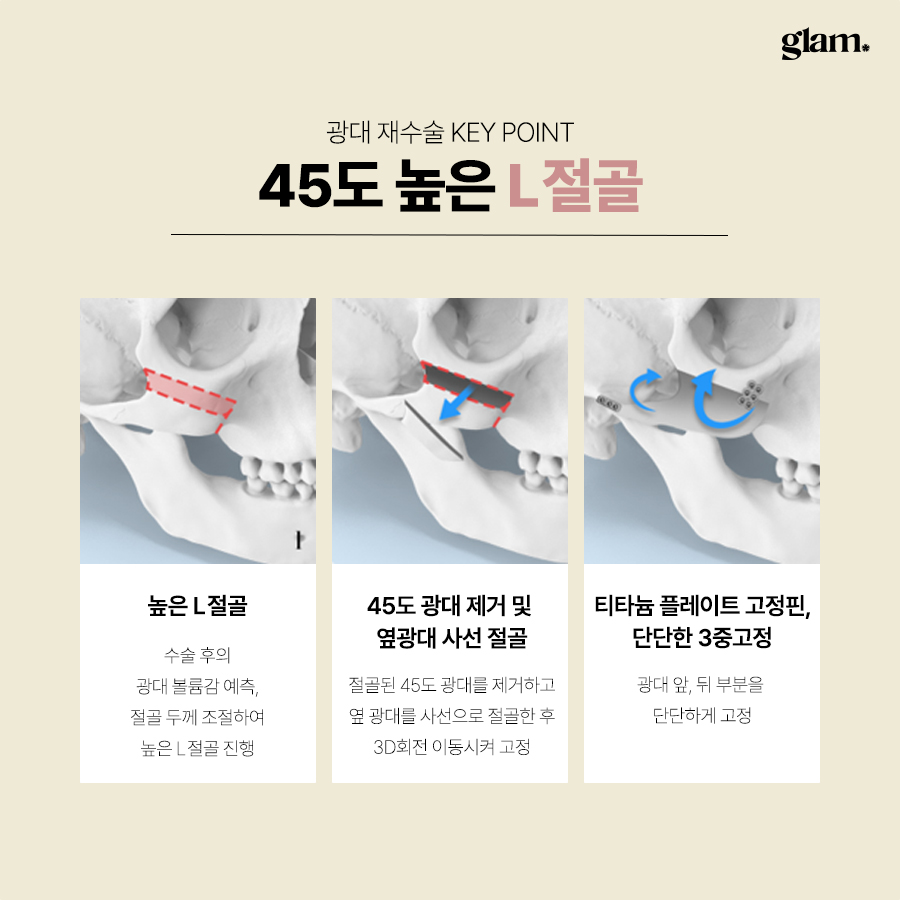
In this procedure, the surgeon makes small incisions, usually inside the mouth and sometimes near the sideburn or hairline, to access the bone. The front and side parts of the cheekbone are carefully cut, moved inward and sometimes slightly downward or backward, then fixed securely with small plates or screws.
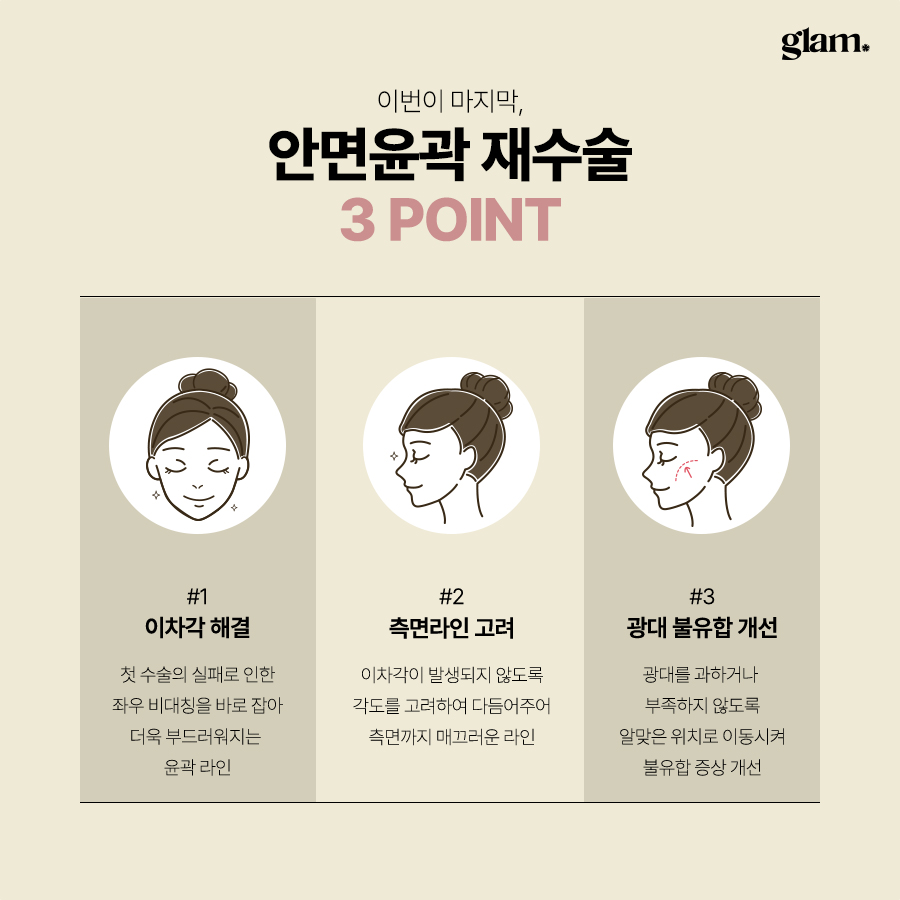
The main goal is to reduce a wide or angular look, especially when viewed from the front or at a 45-degree angle, while keeping a natural three-dimensional contour. The idea is not to make the face flat, but to create a smoother and more balanced curve from the forehead down to the jawline.
Because it is bone surgery, cheekbone reduction requires careful planning, precise technique, and attention to facial symmetry, nerves, and soft tissue support.
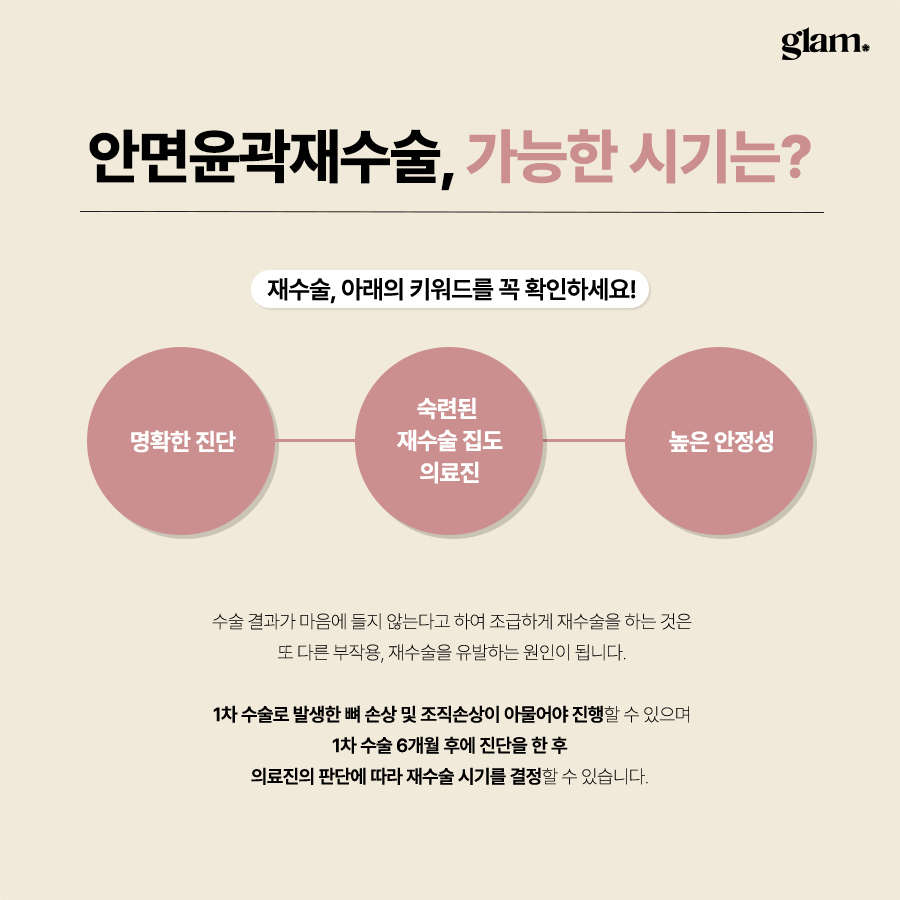
How cheekbone reduction changes facial contour
Cheekbone reduction focuses on the bony framework that supports the cheek area.
By moving the cheekbone inward, the lateral width of the face is reduced. This can help soften a strong or harsh impression, especially in photos or when seen from the side.
From the front, the face can appear slimmer and more oval. From the 45-degree view, the previous bulge or strong highlight of the cheekbone can be reduced, creating a smoother line from the under-eye area to the lower face.
The surgeon also considers how the soft tissue, such as skin and cheek fat, will drape over the new bone position. The aim is to maintain natural volume in the midface so the result does not look sunken or flat.
A specialized facial bone surgery clinic in Gangnam
In the Sinsa Station area of Gangnam, Seoul, there is a clinic that offers facial bone surgery, including double jaw and facial contouring procedures such as cheekbone reduction.
This narrow focus allows the team to concentrate on imaging, surgical planning, and techniques specifically for bone-based facial contouring.
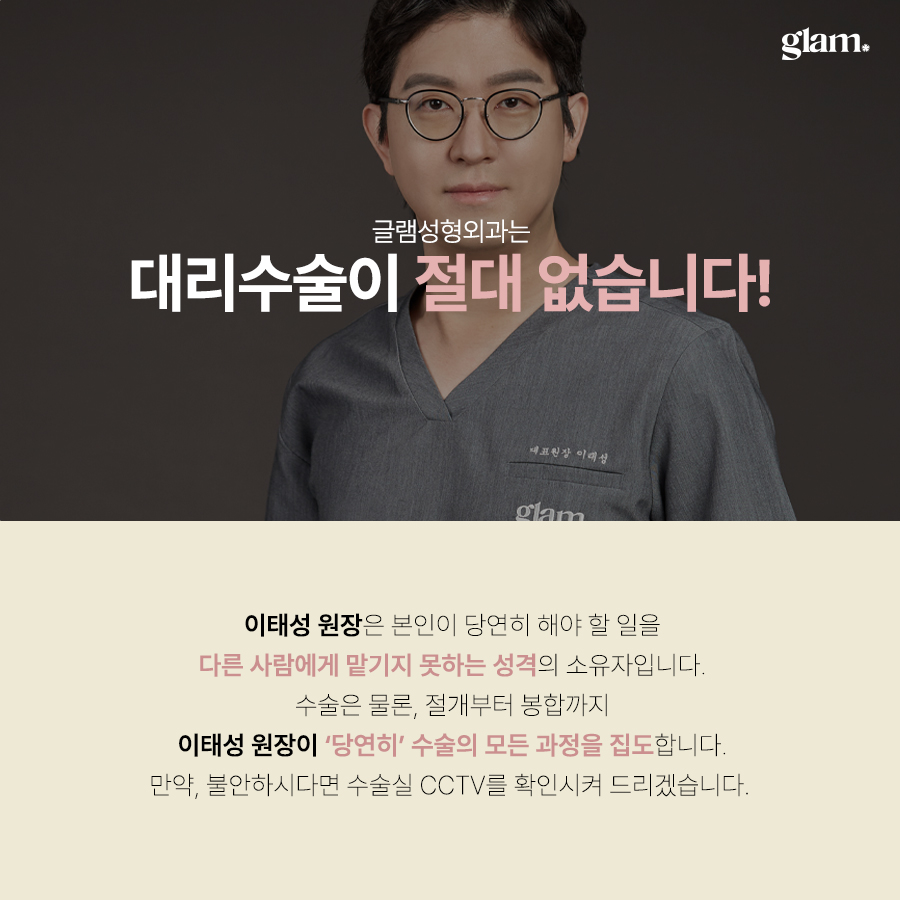
The clinic states that the lead surgeon performs most facial bone surgeries; patients should confirm who will perform their operation during consultation. The clinic also emphasizes recommending only the minimum necessary procedures, which may appeal to patients concerned about being encouraged into additional operations.
Who typically considers cheekbone reduction
People who consider cheekbone reduction often share similar concerns about their facial shape.
Common reasons include feeling that the face looks too wide from the front, especially around the midface area, or that the side cheekbones stick out strongly when viewed from a 45-degree angle.
Some people feel their cheekbones give them a harsh, strong, or more masculine impression than they prefer, even if the rest of their features are delicate. Others say that no matter how they style their hair or use contouring makeup, the face still looks broad or angular.
There are also patients who feel their cheekbones draw too much attention in photos or videos, making the midface the dominant feature instead of the eyes or overall harmony.
At the same time, not everyone with a wide face is a good candidate for cheekbone reduction. For some, the width may come more from the jaw area or from soft tissue thickness rather than from the cheekbones themselves. In those cases, other facial contouring options or even no surgery at all may be more appropriate.
Key points in evaluation and expectations
A proper evaluation for cheekbone reduction looks at more than just the cheekbone.
The surgeon will assess facial proportions from the front, 45-degree, and side views. They consider the width of the forehead, cheekbones, and jaw, as well as chin length and position.
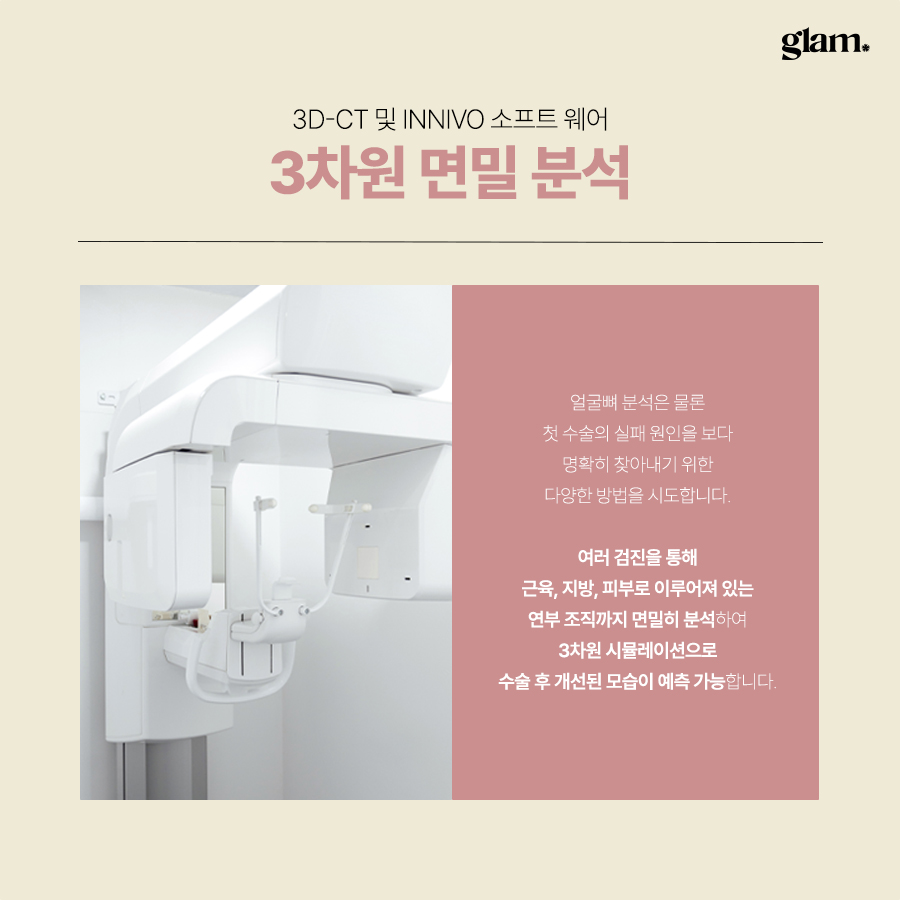
Bone structure is studied using imaging such as X-rays or 3D scans. These images show the shape and thickness of the zygomatic bone and arch, the relationship with the upper jaw, and the position of important nerves.
Soft tissue thickness also matters. If the skin and soft tissue are very thin, too much bone reduction can lead to a flat or hollow look. If they are thick, the visible change may be more subtle and may require careful planning to avoid sagging.
Symmetry is another important point. Many people have slight differences between the left and right sides. The surgeon plans the cuts and movements to improve or maintain symmetry as much as possible.
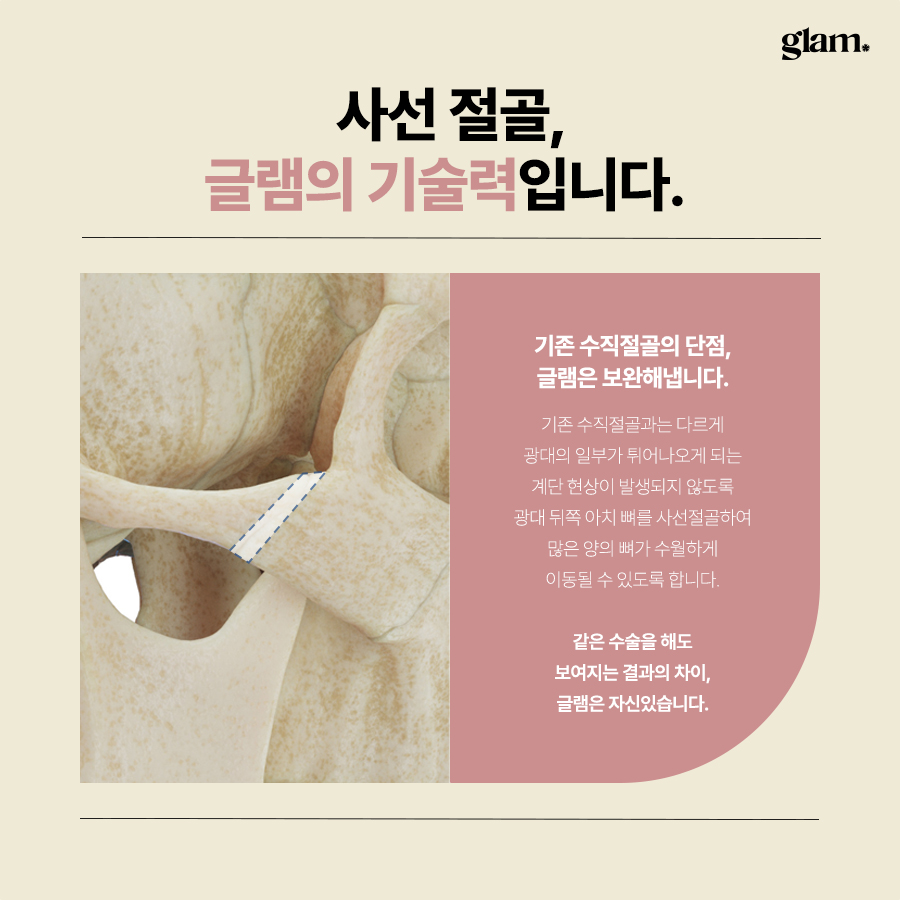
It is important to have realistic expectations. Cheekbone reduction aims for natural improvement and better balance, not a completely different face. The goal is usually to soften and refine the existing features rather than to change your identity.
Consultation and planning for overseas patients
For international patients, the consultation process often begins online.
Before you travel, the clinic may ask you to send clear photos of your face from the front, 45-degree angles, and both sides, ideally in neutral lighting without heavy makeup or filters. Some clinics may also ask for any previous facial imaging if you have it.
Based on these images and your concerns, the surgeon or consultant can give a preliminary opinion about whether cheekbone reduction seems appropriate, and whether combined procedures such as jaw angle or chin contouring might be worth discussing. At this clinic, the approach is to recommend only what is truly necessary, so you may also hear that cheekbone reduction alone is sufficient, or that surgery is not strongly indicated.
Once you arrive in Seoul, a detailed in-person assessment is done. This typically includes facial photographs, imaging such as X-rays or 3D scans, and sometimes evaluation of your bite and jaw movement if double jaw or other bone work is considered.
The lead surgeon directly evaluates your bone structure and explains what can and cannot be achieved. They will discuss the amount and direction of bone movement, how it may change your appearance from different angles, and what type of fixation will be used.
This is also the time to discuss your priorities, such as how much reduction you want, whether you are more concerned about the front view or the 45-degree view, and how you feel about possible changes in facial expression or character.
Questions to prepare before consultation
Preparing questions in advance can help you use your consultation time well.
Useful topics to ask about include the exact surgical method planned for your cheekbones, where the incisions will be placed, and how the bone will be cut and moved.
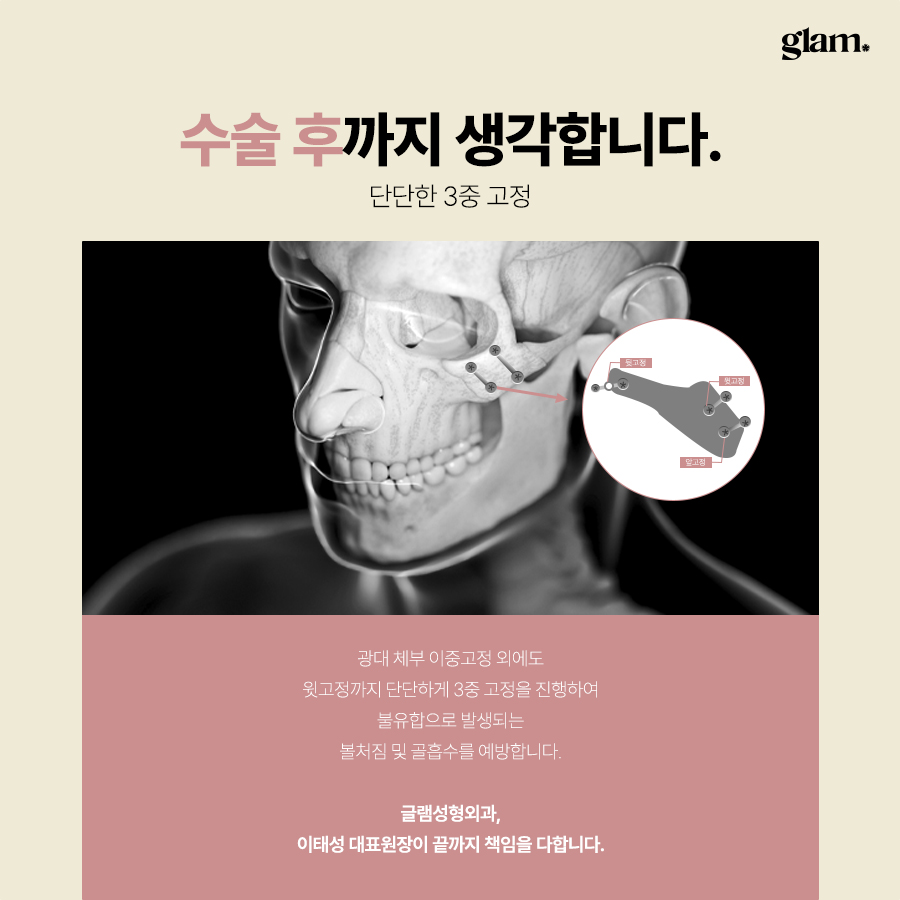
You may want to ask what type of fixation will be used, how many fixation points are planned, and how this helps maintain long-term stability.
It is also helpful to ask about anesthesia type, who will be in charge of anesthesia, and how your vital signs will be monitored during surgery.
For recovery, ask about the expected swelling timeline, when you can fly back home, when you can return to work or school, and what kind of postoperative care is included, such as swelling management or skin care.
If you are comparing clinics, consider not only the cost but also the surgeon’s experience with facial bone surgery, the availability of imaging and 3D planning, the presence of a dedicated anesthesiologist, and the structure of follow-up care.
Surgical approach and safety measures
Cheekbone reduction is usually performed under general anesthesia so you are asleep and comfortable throughout the procedure.
At this clinic, a board-certified anesthesiologist manages anesthesia and monitors you continuously, which is an important safety factor for bone surgery. Monitoring typically includes heart rate, blood pressure, oxygen levels, and other vital signs.
The surgeon makes small incisions inside the mouth, and in some cases an additional small incision near the sideburn or hairline to access the zygomatic arch. These locations help keep scars well hidden.
The front part of the cheekbone near the side of the nose and the arch along the side of the face are carefully cut. The bone segment is then moved inward and sometimes slightly downward or backward to achieve the planned contour.
Stable fixation is a key point. Small plates and screws are used to hold the bone in its new position while it heals. Proper fixation helps reduce the risk of the bone shifting back or healing in an uneven way.
During the operation, the surgeon takes care to protect surrounding structures, such as nerves that provide sensation to the cheek and upper lip, as well as important soft tissues that support the face. Gentle handling of these tissues can help reduce the risk of numbness, contour irregularities, or prolonged swelling.
Once the bone is fixed, the incisions are closed. Intraoral incisions are sutured with material suitable for the mouth, and external incisions near the hairline are closed in a way that aims to minimize visible scarring.
Recovery timeline and what to expect in Korea
Recovery after cheekbone reduction varies by individual, but there are common patterns.
In the first few days, swelling and some bruising are usually most noticeable. The midface and lower eyelid area can look puffy, and you may feel tightness or pressure rather than sharp pain. Pain is typically manageable with prescribed medication.
Swelling often peaks within the first 3 to 5 days, then gradually begins to decrease. Many patients feel presentable enough for light daily activities after 1 to 2 weeks, although some residual swelling can still be seen, especially in photos.
Most people can return to office-type work in about 2 weeks, depending on their comfort level and how visible swelling is acceptable in their environment. More intense physical activity is usually delayed for several weeks, according to the surgeon’s instructions.
Bone healing and soft tissue adaptation take longer. While you will see clear changes within the first month, the contour continues to refine over several months. Final evaluation is often done around 6 months or later.
Your exact schedule will depend on your case and any combined procedures; confirm the recommended timeline with your surgeon before booking travel.
Postoperative care and support programs
After surgery, you will receive instructions on how to care for the operated area.
In the first days, cold compresses are often recommended to help control swelling and bruising. Later, warm compresses may be suggested to support circulation and healing.
Sleeping with your head elevated on extra pillows can help reduce swelling. You will usually be advised to avoid lying face down or putting pressure on the cheek area.
If incisions inside the mouth are used, oral hygiene is very important. You may be instructed to rinse with a prescribed mouthwash after meals and to follow specific brushing guidelines to keep the area clean while it heals.
Diet may be adjusted in the early phase. Soft foods that do not require strong chewing are often recommended for a period after surgery to avoid stress on the cheekbones and fixation.
This clinic offers structured postoperative care programs, such as LED therapy or skin and swelling care sessions, to support recovery. These are not treatments for the bone itself but can help manage swelling, improve skin condition, and make the recovery period more comfortable.
Results and long-term considerations
The results of cheekbone reduction are evaluated from multiple angles.
From the front, the face may appear slimmer, with less width in the midface and a smoother transition from the temples to the cheeks.
At the 45-degree view, the previous prominence or bulge of the cheekbone can be reduced, giving a softer curve under the eyes and along the side of the face.
From the side, the cheek contour should look natural and in harmony with the nose, lips, and chin. The goal is a balanced profile rather than a flat or hollow midface.
It is important to remember that final results take time. Bone healing progresses over several months, and the overlying soft tissue gradually settles into the new framework. Some minor asymmetries are normal in all faces, and the aim is to improve overall harmony rather than to create perfect mirror-image symmetry.
As with any surgery, there are potential risks and complications. These can include asymmetry, over- or under-correction, contour irregularities, prolonged swelling, numbness or altered sensation in the cheek or upper lip, and in some cases the need for revision surgery.
Careful planning, experienced surgical technique, stable fixation, and proper aftercare are all intended to reduce these risks, but they cannot be completely eliminated. Discussing these possibilities openly with your surgeon is an important part of informed consent.
Frequently asked questions
What is the difference between cheekbone reduction and soft-tissue contouring
Cheekbone reduction changes the bone structure of the midface, specifically the zygomatic bone and arch, to reduce width and prominence. Soft-tissue contouring, such as fat reduction or skin treatments, only affects the outer layers and cannot significantly change the underlying bone width.
If your main concern is strong side cheekbones or a wide midface even at a normal weight, bone surgery is usually the procedure that directly addresses this. However, for mild fullness or volume issues, non-bone options may be discussed.
How long do I need to stay in Korea after cheekbone reduction
Many international patients stay about 10 to 14 days in Korea after cheekbone reduction. This allows time for early recovery, follow-up visits, and initial swelling management.
Your surgeon will advise you on the safest time to fly based on your health, the extent of surgery, and how your recovery is progressing. Some patients who combine cheekbone reduction with other facial bone procedures may need a slightly longer stay.
Will my face look flat after cheekbone reduction
The aim of modern cheekbone reduction is to avoid a flat or sunken look. The bone is repositioned in a way that reduces width while maintaining natural three-dimensional volume in the midface.
During planning, the surgeon considers your soft tissue thickness and facial proportions to decide how much to move the bone. If you express concern about looking too flat, this can be taken into account when deciding the degree of reduction.
Is cheekbone reduction surgery safe
Cheekbone reduction is a well-established facial bone procedure, but like any surgery it carries risks. Safety depends on careful planning, an experienced facial bone surgeon, proper imaging, and the presence of a dedicated anesthesiologist.

At this clinic, a board-certified anesthesiologist manages anesthesia and monitoring, and the lead surgeon performs the operation directly. Even with these measures, potential complications such as swelling, numbness, or asymmetry can occur, so discussing them in advance is important.
Soft call to action for online consultation
If you are considering cheekbone reduction in Korea and want to know whether it is suitable for your face, an online consultation can be a practical first step.
Preparing clear photos and a list of your main concerns and questions will help the surgical team understand your goals. You can ask about the surgical method, fixation, anesthesia, recovery timeline, and how long you should stay in Seoul.
Choosing a clinic that specializes in facial bone surgery, with imaging-based planning and structured aftercare, can support a safer and more informed experience. An early conversation with the team can guide you on whether cheekbone reduction alone, a combination with other facial bone procedures, or a non-surgical approach is most appropriate for you.






댓글
댓글 쓰기