Cheekbone reduction surgery cost for revision cases in Gangnam, near Sinsa Station
- 공유 링크 만들기
- X
- 이메일
- 기타 앱

Direct answer summary about cheekbone reduction surgery cost
and planning. Because of this, the fee is typically higher than for primary cheekbone reduction. In a specialized facial bone clinic in Gangnam, near Sinsa Station, the cost is calculated individually after a CT-based evaluation. It normally includes consultation, imaging, surgery, anesthesia, fixation materials, and follow-up care, with extra costs if you need combined jaw or chin revision or extended recovery programs. Low price alone should not be the main deciding factor for revision bone surgery.
Overview of cheekbone reduction and revision surgery
Cheekbone reduction is a facial contouring surgery that reshapes and repositions the zygomatic bone and arch to reduce a wide or protruding midface. By changing the position and volume of the cheekbone, the face can appear slimmer from the front and less prominent from the side.
Revision cheekbone reduction is a secondary operation performed after a previous cheekbone surgery. Patients usually consider revision when they are dissatisfied with the final shape, feel that the face is still too wide, notice asymmetry, see a step deformity along the zygomatic arch, or experience functional issues such as discomfort when chewing.
In revision cases, the surgeon often has to correct previous bone cuts, non-union or malunion, irregular bone surfaces, or over- or under-correction. Sometimes the original fixation plates and screws need to be removed, replaced, or repositioned. This is why revision cheekbone reduction is treated as a separate, more complex category than first-time surgery.
Who may consider revision cheekbone reduction
Typical reasons someone might seek revision cheekbone reduction include several patterns.
Some patients feel that their cheekbones are still wide or protruding after the first surgery. Others notice clear asymmetry between the left and right cheekbones, which may become more obvious as swelling goes down. Step deformity or visible irregularities along the zygomatic arch can also be a concern, especially when light hits the side of the face.
There are also patients who feel that too much bone was removed, leading to hollow or sunken cheeks and a tired appearance. In other cases, functional issues such as discomfort when chewing, jaw joint pain, or a feeling of tightness in the midface can appear after the first operation.
However, not all cases are fully correctable. The surgeon must evaluate how much bone remains and whether it is safe to cut again, the condition of the nerves and soft tissues, and the stability of the current fixation. In some situations, only partial improvement is realistically possible. This should be clearly discussed before surgery so that expectations and surgical plans are aligned.
Why revision cheekbone reduction costs differ from primary surgery
Online price ranges for primary cheekbone reduction do not directly apply to revision cases. Revision surgery is usually more technically demanding, takes longer, and carries higher risk if not planned precisely. Several key factors influence the cost.
First, the degree of bone deformity or asymmetry from the first surgery matters. Mild irregularities are different from severe malposition or loss of bone support. More complex deformities generally require more operating time and more detailed planning.
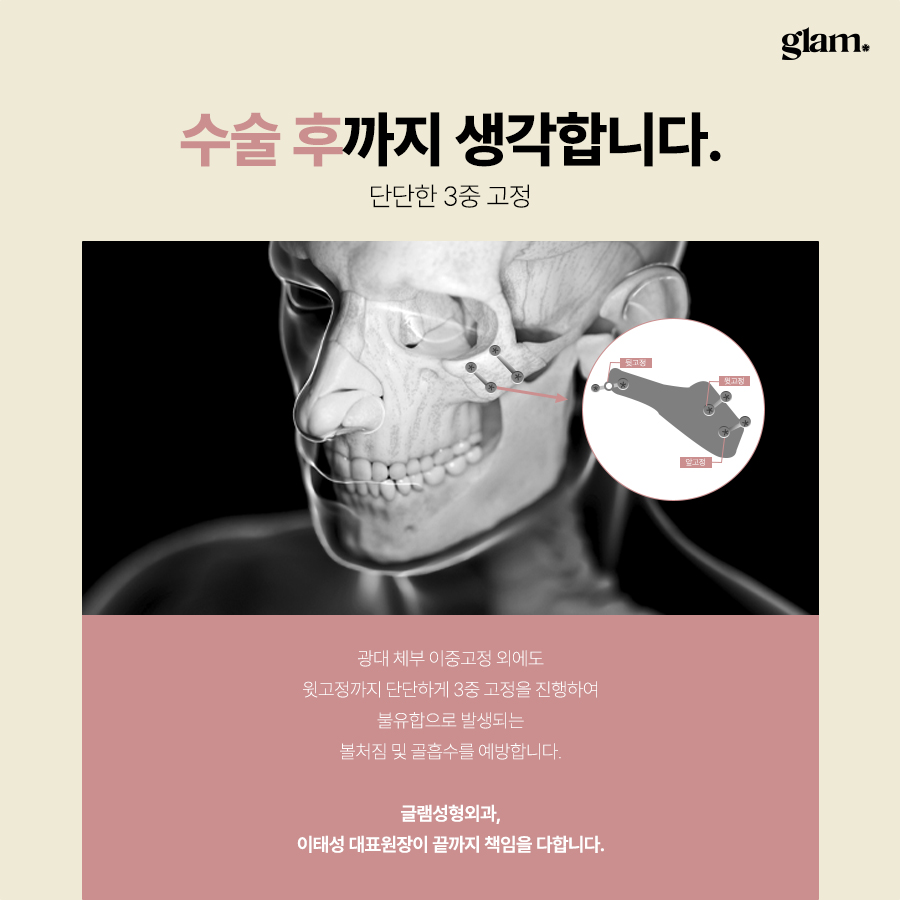
Second, the presence of plates and screws from the previous operation is important. If these need to be removed or replaced, the procedure becomes more time-consuming. The surgeon must carefully dissect through scar tissue to reach the hardware without damaging nerves or blood vessels.
Third, the quality and thickness of the remaining bone affects both safety and technique. If the bone is thin or weakened, the surgeon may need to use special fixation methods or bone grafting materials. These additional materials and techniques can influence the overall fee.
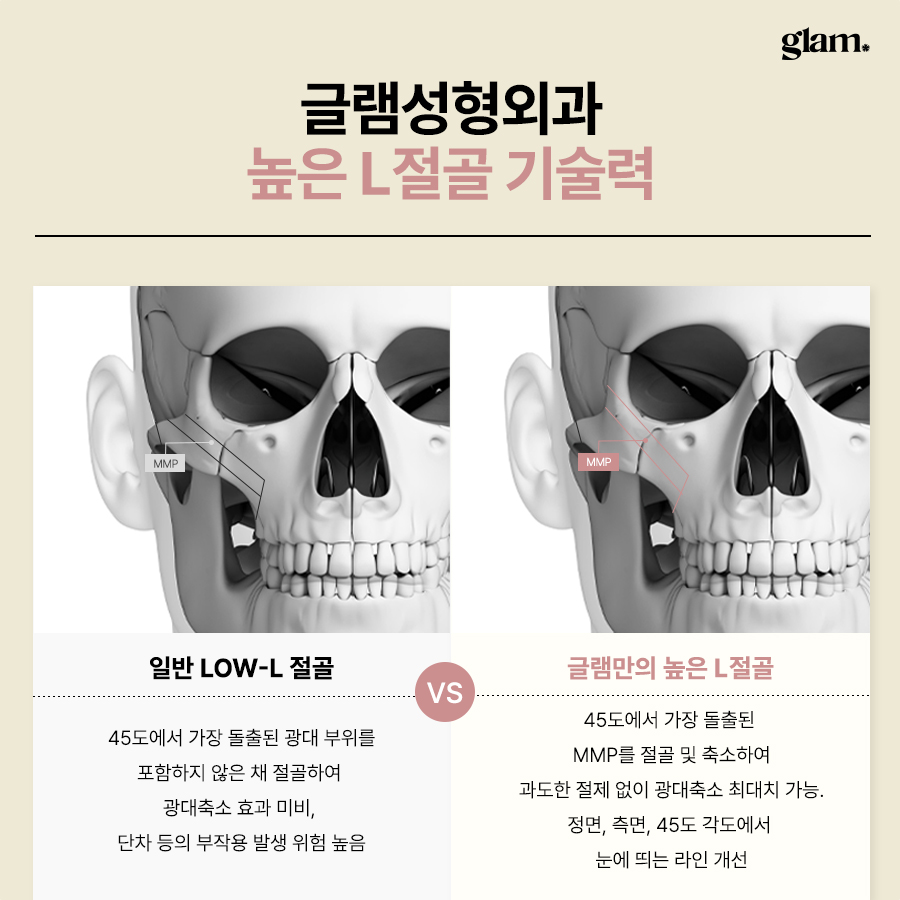
Fourth, functional problems such as occlusion issues, jaw joint pain, or nerve symptoms often require extra imaging and more cautious planning. Addressing both aesthetic and functional concerns in one revision surgery is more complex than focusing on appearance alone.
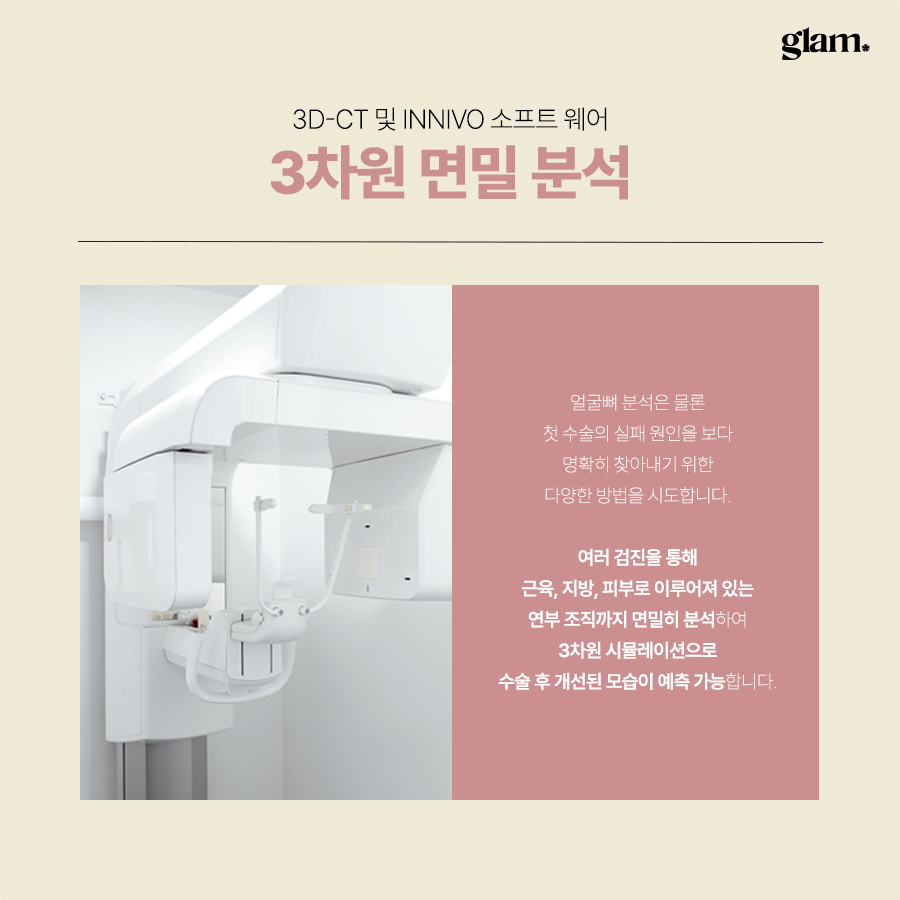
Fifth, many revision cases require additional imaging—commonly 3D CT and sometimes cephalometric analysis. These imaging studies help surgeons visualize prior osteotomy lines, the position of plates and screws, and the course of nerves. The cost of these tests is typically included in the overall treatment estimate, but confirm billing details with the clinic.
Finally, operating time and difficulty level significantly influence cost. Revision cheekbone reduction involves dissecting through scar tissue, working around existing hardware, and correcting previous bone cuts. This typically takes longer than a straightforward primary operation. If combined revision of other facial contouring areas such as the jaw angle, chin, or even double jaw surgery is needed, the total fee will be higher.
In summary, revision cheekbone reduction is usually more expensive than first-time surgery because it requires more detailed imaging, more complex planning, and more demanding surgical techniques.
How cost is usually structured in a Gangnam-level facial bone clinic
In a specialized facial bone clinic in Gangnam, near Sinsa Station, the fee for revision cheekbone reduction is usually composed of several elements rather than a single flat number.
Preoperative consultation and facial analysis are the first part. During this visit, the surgeon reviews your previous surgical history, examines your face, and listens to your current concerns and goals. This step helps determine whether revision is appropriate and what kind of imaging is needed.
3D CT and other imaging for bone evaluation are often essential in revision cases. These scans show how the previous bone cuts healed, where the fixation devices are located, and how much bone remains. They are also used for surgical simulation and planning.
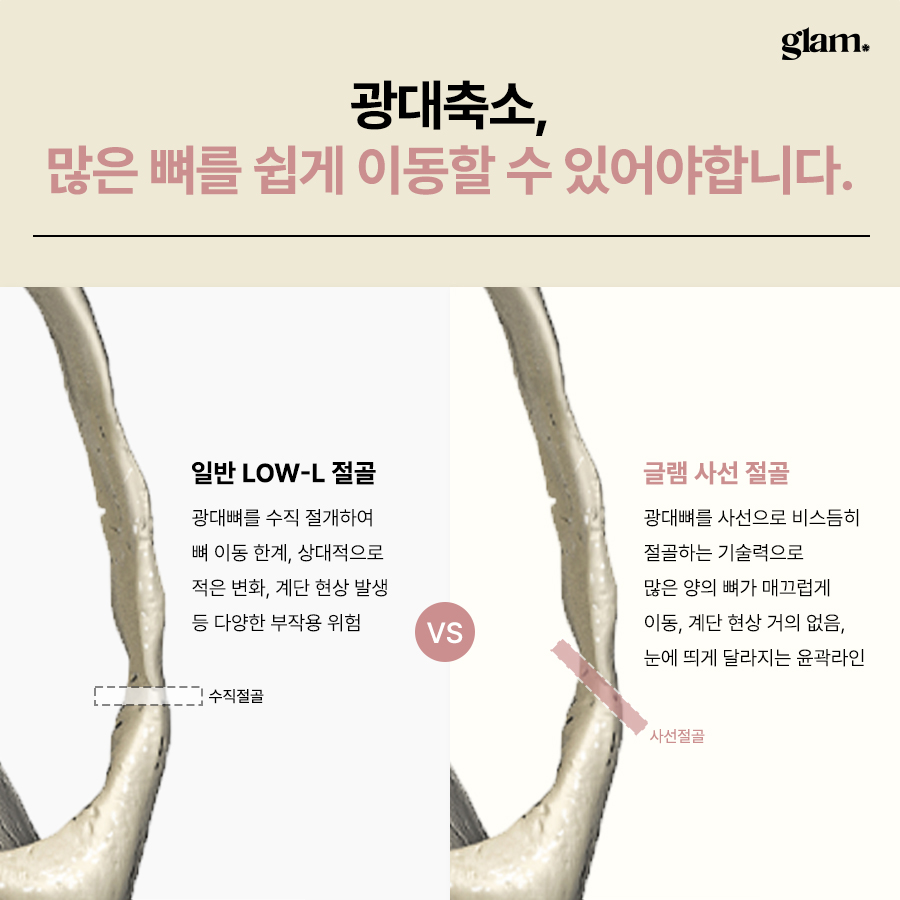
Surgical planning and simulation for bone repositioning are another important component. The surgeon designs the new osteotomy lines, decides whether to remove or reposition plates, and estimates how much correction is possible without compromising safety.
The surgical fee itself usually includes the operating room, general anesthesia provided by a dedicated anesthesiologist, and the use of hospitalization or recovery rooms as applicable. Surgical materials such as plates, screws, and possible bone graft materials are also part of this cost.
Postoperative follow-up visits and basic swelling and bruise management are typically included in the standard package. This may cover regular check-ups, basic medications, and simple treatments to support healing.
Additional costs may arise if you need combined revision of other facial contouring areas, such as jaw angle or chin, or if double jaw surgery is planned at the same time. Extended postoperative care programs beyond the basic package, or extra imaging and tests for complex functional issues, can also add to the total.
Because each revision case is different, most clinics provide a personalized quote only after CT-based evaluation. The surgeon needs to see the actual condition of the bone and hardware before estimating the final cost.
Clinic background and positioning near Sinsa Station
The type of clinic you choose will influence both your experience and how your fee is structured. In the Sinsa Station area of Gangnam, there are clinics that focus only on facial bone surgery, such as double jaw and facial contouring, without offering a wide range of unrelated cosmetic procedures.
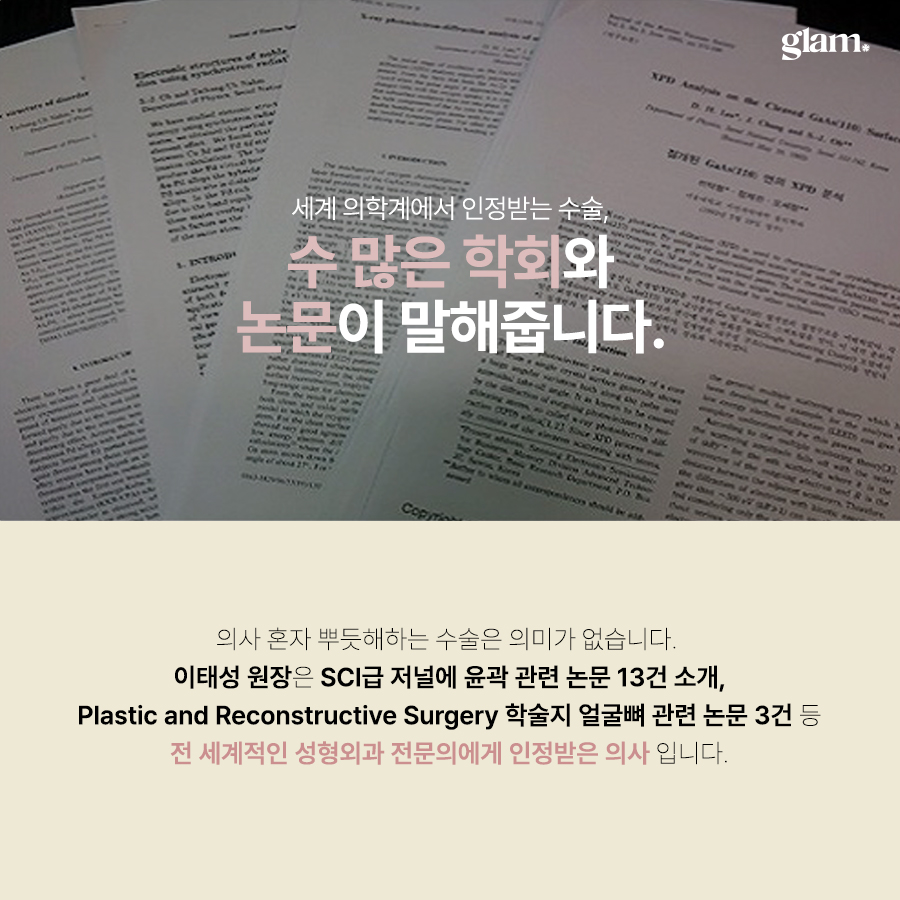
In clinics that handle complex facial bone revision, lead surgeons are often experienced in facial bone procedures and may have academic publications related to craniofacial surgery. Such academic and clinical backgrounds can be useful indicators of expertise, although they do not guarantee specific results.
Anesthesia for longer revision operations is generally provided under the supervision of an anesthesiology professional, which contributes to patient safety and stable intraoperative management. Confirm with the clinic whether a board-certified anesthesiologist will be present, as staffing policies can vary and may affect care and cost.

Another point that many revision patients value is that the lead surgeon operates directly and proposes only the minimum necessary surgery. For someone who has already undergone one facial bone operation, avoiding unnecessary additional procedures and focusing on targeted correction can be reassuring.
Postoperative care and possible add-on costs
After revision cheekbone reduction, systematic postoperative care can influence swelling, bruising, and overall comfort, although it does not change the bone result itself. Many Gangnam clinics offer recovery support programs that can be included in a package or chosen as optional add-ons.
Some clinics also provide multi-step skin reset programs for post-surgical skin condition, focusing on gentle cleansing, hydration, and barrier recovery while the face is still sensitive. Radiofrequency lifting devices may be offered later in the recovery phase to support skin tightening as swelling subsides and soft tissues adapt to the new bone structure.
These programs may or may not be included in the base surgery fee. When you receive a quote, it is important to ask clearly which treatments are included and which would be billed separately. This helps you avoid unexpected costs and plan your stay in Korea more accurately.
How to compare revision cheekbone reduction prices safely
When comparing prices between clinics, focusing only on the lowest quote can be risky, especially for revision bone surgery. Instead, it is helpful to check several key points.
First, confirm whether the operating surgeon is a board-certified plastic surgeon with specific experience in facial bone and revision cases. Ask how often the surgeon performs revision cheekbone operations and how they approach complex deformities.
Second, check whether a board-certified anesthesiologist is present and in charge of anesthesia throughout the surgery. For longer operations like revision facial contouring, continuous monitoring by an anesthesiology specialist is an important safety factor.
Third, ask whether 3D CT and detailed bone analysis are standard before revision surgery. If a clinic suggests operating without proper imaging, it may be difficult to plan safely around existing plates, screws, and previous osteotomy lines.
Fourth, consider whether the clinic focuses mainly on facial bone surgery or offers a wide range of unrelated procedures. A center that concentrates on double jaw and facial contouring tends to have systems and staff more accustomed to these specific operations.
Fifth, observe whether the surgeon explains realistically what can and cannot be corrected in your case. Overpromising or guaranteeing perfect symmetry can be a warning sign, especially in revision situations where anatomical limitations exist.
Before your consultation, it is helpful to prepare previous medical records and imaging from your first surgery. Operation notes, old CT scans, and even clinic reports can help the new surgeon understand what was done before. Bringing these documents can reduce unnecessary tests and support more accurate planning.
Online consultation and pre-visit preparation for overseas patients
For international patients, the process usually begins with an online inquiry. You can send facial photos, a description of your concerns, and any available records from your first surgery. The clinic can then provide general guidance about whether revision might be possible and what kind of visit schedule to expect.
However, you should be aware that an accurate price quote for revision cheekbone reduction cannot be given based on photos or messages alone. Photos are helpful for initial communication, but they do not show the exact bone shape, previous osteotomy lines, or hardware position. A precise estimate requires 3D CT and an in-person examination.
Before you travel, prepare the following items. Collect any operation reports, discharge summaries, and imaging discs from your first clinic. Write down your main concerns in order of priority, such as asymmetry, step deformity, remaining width, or functional discomfort. Note the date of your first surgery and any complications you experienced.
Having this information ready will make your first consultation in Korea more efficient and can help reduce repeated tests. It also allows the surgeon to focus quickly on the key issues that matter most to you.
Expected Korea visit timeline for revision cheekbone reduction
The typical visit schedule for an overseas patient coming to Gangnam for revision cheekbone reduction follows several steps.
On day one or two, you have your first in-person consultation. The surgeon examines your face, reviews your history, and orders necessary imaging such as 3D CT. If you brought previous records, these are reviewed at the same time.
Once imaging is complete, surgical planning and cost explanation follow. In some clinics, this may be done later the same day; in others, it may be scheduled for the next day to allow enough time for analysis. At this point, you receive a personalized treatment plan and a detailed quote reflecting the complexity of your revision.
Surgery is usually scheduled within a few days of the final decision, depending on the clinic’s timetable and your travel plans. After surgery, you stay in a recovery room and, if needed, a short hospitalization period.
Some prefer to stay longer, around three weeks, for more comfortable recovery and additional care sessions. The exact recommended stay depends on the extent of surgery and your general health.
Aftercare and recovery expectations
After revision cheekbone reduction, you can expect swelling and bruising around the cheeks and midface, which gradually decrease over several weeks. Because this is a second operation, swelling can sometimes last a bit longer than after primary surgery.
During the early period, you will have follow-up visits for wound checks, suture removal if needed, and monitoring of nerve function and bite stability. Basic medications such as pain relievers and antibiotics are usually prescribed.
You may be advised to avoid hard chewing, heavy exercise, and sleeping on your side for a certain period. Following these instructions helps protect the bone fixation and supports stable healing.
Systematic postoperative care, including gentle lymphatic treatments, LED therapy, or other non-invasive options, can make the recovery period more comfortable. However, it is important to remember that these treatments support soft tissue healing and do not change the bone position itself.
Indications and limitations for revision in relation to cost
From a cost perspective, it is important to understand that not every concern can be fully corrected, even with a more complex revision. If there is limited remaining bone or if nerves and soft tissues are at risk, the surgeon may recommend a conservative approach.
In such cases, the surgical plan and fee will reflect a balance between potential improvement and safety. For example, a patient with mild asymmetry and good bone stock may be a candidate for more aggressive repositioning, while someone with very thin bone or extensive previous removal may be offered only partial contour adjustment.
Discussing these limitations openly during consultation helps you understand why certain techniques are chosen and how they influence the overall cost.
Frequently asked questions about revision cheekbone reduction cost
Is revision cheekbone reduction always more expensive than the first surgery, and why?
In many cases, revision cheekbone reduction is more expensive than primary surgery because it is more complex. The surgeon must work around previous bone cuts and fixation devices, dissect through scar tissue, and often correct deformities or functional issues. This usually requires more detailed imaging, longer operating time, and sometimes additional materials such as special plates or bone grafts. All of these factors contribute to a higher overall fee compared to a straightforward first-time procedure.

What information and records should I prepare before a consultation for revision cheekbone surgery?
Before your consultation, it is helpful to gather as much information as possible about your first surgery. This includes operation reports, discharge summaries, and any CT or X-ray images on disc or file. Note the date and place of your previous surgery, any complications you experienced, and your current symptoms or concerns. Bringing clear facial photos from before and after your first surgery can also help the surgeon understand how your face has changed over time.
How is the cost of revision cheekbone reduction calculated in a specialized facial bone clinic in Gangnam?
In a specialized clinic near Sinsa Station, the cost is calculated based on several components. These include the initial consultation and facial analysis, 3D CT and other imaging, detailed surgical planning, the actual operation with general anesthesia, and the use of fixation materials such as plates and screws. Postoperative follow-up visits and basic swelling management are typically included. Additional costs may apply if you need combined revision of other facial contouring areas, extended recovery programs, or extra tests for functional problems. A precise quote is usually given only after CT-based evaluation.
Can I get an accurate price quote for revision cheekbone reduction through photos or messages only?
Photos and online messages are useful for an initial opinion, but they are not enough for an accurate price quote in revision cases. The surgeon needs to see 3D CT images to understand the current bone shape, previous osteotomy lines, and the position of plates and screws. Without this information, any quote would be only a very rough estimate. For a reliable and safe plan, an in-person consultation and imaging in Korea are usually required.
How long after my first cheekbone surgery should I wait before considering revision, and does this affect cost or difficulty?
Operating too early can increase the risk of complications and make accurate assessment more difficult. The timing itself does not directly change the fee structure, but waiting until healing is complete can make planning clearer and may reduce some technical difficulties.

Soft call to action for online consultation
If you are considering revision cheekbone reduction in Gangnam and want to understand how much it might cost in your specific situation, an online consultation can be a helpful first step. By sharing your previous records, photos, and concerns, you can receive guidance on whether revision seems appropriate and what kind of visit schedule to expect.
When you are ready, you can arrange an in-person consultation near Sinsa Station on Dosan-daero, where 3D CT imaging and detailed facial analysis are available. Clinic hours, holiday closures, and break policies vary—confirm exact consultation times before you travel. Also check language support and multilingual channel availability (such as English) for overseas patients.
Any decision about revision facial bone surgery should be made carefully, after discussing risks, benefits, and realistic outcomes with an experienced surgeon. Taking the time to compare not only prices but also systems, imaging, and medical staff will help you choose an option that fits both your safety and aesthetic priorities.






댓글
댓글 쓰기