Cheekbone reduction surgery cost and revision cases in Gangnam
- 공유 링크 만들기
- X
- 이메일
- 기타 앱
Direct answer summary
For overseas patients, cheekbone reduction surgery cost can vary widely, and revision cheekbone reduction is usually more expensive than first time surgery. The final price depends on your current bone shape, how your previous surgery was done, the surgical method needed for safe correction, and the clinic’s safety and aftercare system. Because of this, any price you see online should be taken only as a rough reference until you have a detailed consultation and imaging.
This guide explains what affects cheekbone reduction surgery cost, why revision facial contouring is more complex, and how a specialized facial bone clinic in Sinsa, Gangnam, approaches planning, safety, and aftercare for international patients.
What is cheekbone reduction and when is revision needed
Cheekbone reduction, also called zygoma reduction, is a facial contouring surgery that reshapes and repositions the cheekbone. The goal is usually to reduce a wide or prominent midface, soften strong cheekbones, and create a smoother facial line from the eye area to the jaw.
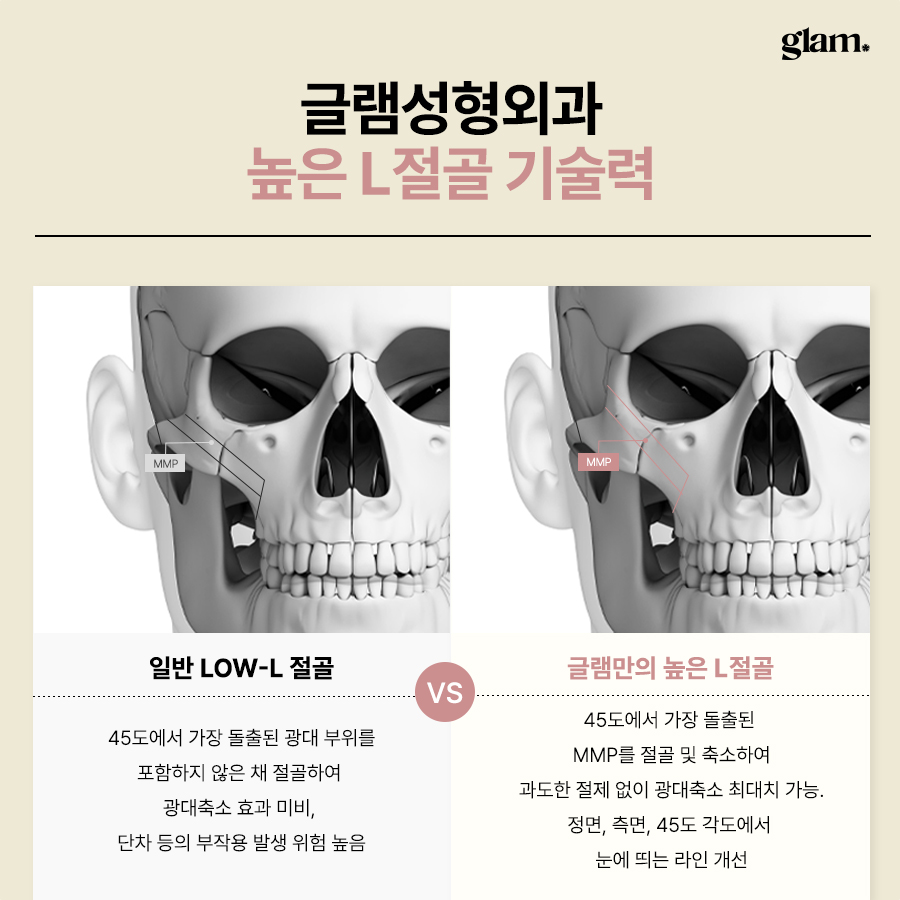
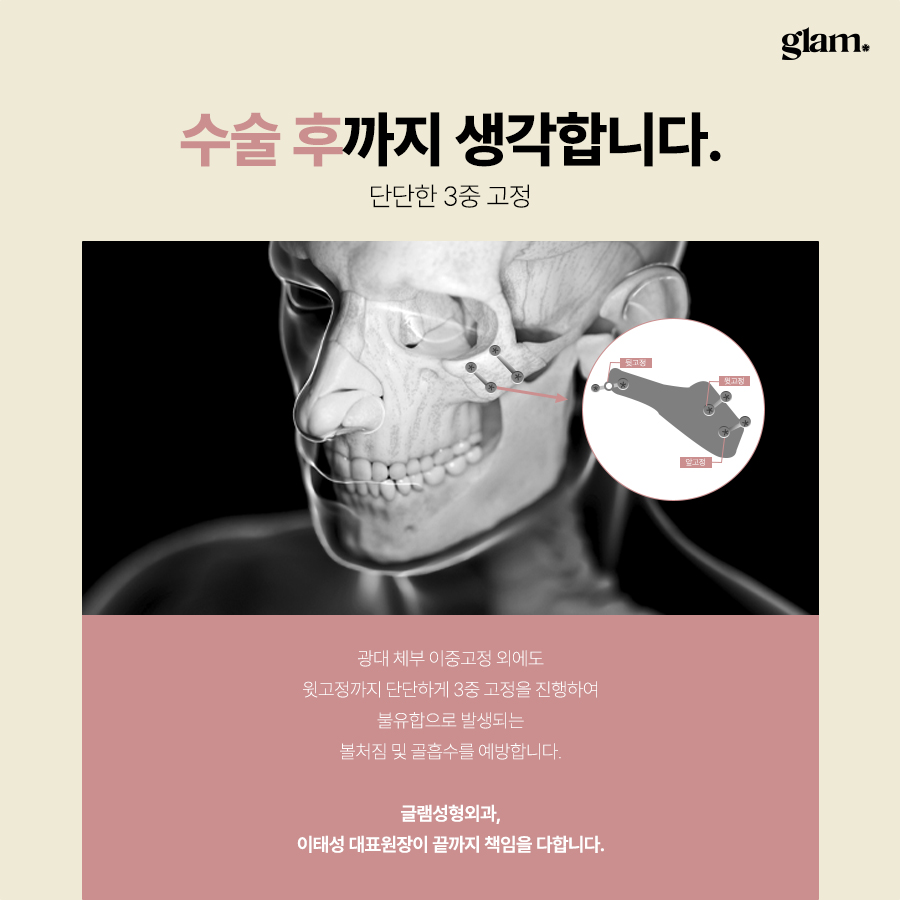
During cheekbone reduction, the surgeon typically makes bone cuts around the zygoma body (the front part of the cheekbone) and the zygomatic arch (the side part that curves toward the ear). The bone segments are then moved inward or rotated and fixed in a new position with plates and screws.
Revision cheekbone reduction is performed when a previous contouring surgery did not give a satisfactory result or caused new problems. Common reasons for revision include visible asymmetry between the two sides, undercorrection with the face still looking wide, overcorrection with an unnaturally flat or sunken midface, step deformities where the bone edges are visible or can be felt as a ridge, and discomfort or tightness around the zygomatic arch area. Some patients also seek revision because the previous fixation was unstable or they developed contour irregularities after bone healing.
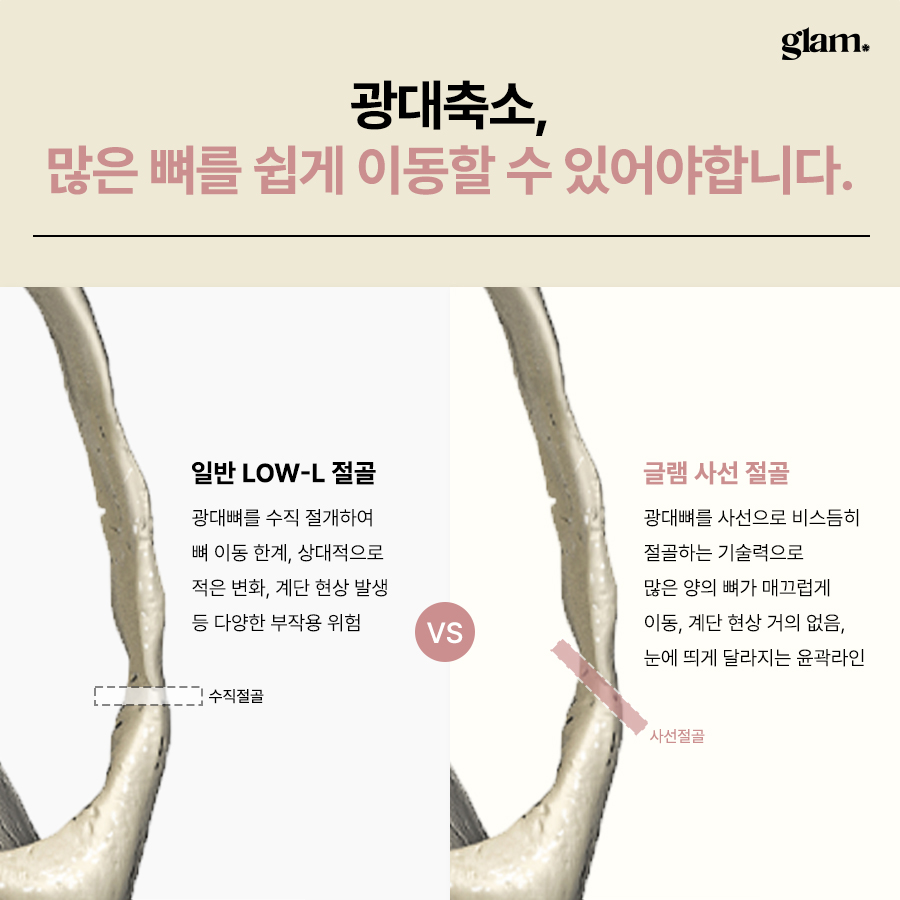
Revision facial contouring is not simply repeating the same procedure. The surgeon must analyze the previous osteotomy lines, the type and position of plates and screws, and how the bone has healed. Scar tissue, changed blood supply, and altered anatomy all influence what can be done safely. This extra complexity is one of the main reasons revision cheekbone reduction surgery cost tends to be higher than primary surgery.
Key factors that influence cheekbone reduction surgery cost
nclude advanced imaging, additional procedures, extended stays, and international patient coordination. Because packages vary, ask clinics for an itemized estimate so you can compare offers accurately.
Patient related factors
One of the biggest cost drivers is whether the surgery is primary or revision. Primary cheekbone reduction is done on untouched bone and soft tissue. The anatomy is more predictable, and the surgeon can follow a standard plan adapted to your individual shape.
Revision cheekbone reduction, in contrast, has to deal with scar tissue, changed bone shape, and existing plates or screws. Dissection is more delicate, and the risk of nerve or soft tissue damage can be higher if planning is not meticulous. This usually means longer operating time, more detailed imaging, and more complex decision making, all of which increase cost.
Your natural bone thickness, degree of protrusion, and the amount of asymmetry also matter. A patient with mild, symmetric prominence may need a relatively straightforward reduction. Someone with very strong cheekbones, thin overlying soft tissue, or marked asymmetry may require a more customized approach, potentially affecting both time and price.
If you need combined procedures, such as cheekbone reduction together with V line surgery, square jaw reduction, or other revision contouring, the total cost will naturally be higher. However, combining procedures in a single session can sometimes be more efficient than staging multiple separate operations, depending on safety and your health status.
Surgical method and planning
The specific surgical technique also influences cheekbone reduction surgery cost. Important elements include where the bone cuts are made, how much the bone is moved, and what type of fixation is used. For example, some patients need both body and arch cuts with rotation and inward movement; others may need more limited adjustments.
Use of advanced imaging and planning tools can add to the upfront cost but may improve safety and predictability. Many facial bone centers rely on three dimensional imaging and simulation to understand the current bone position, previous osteotomy lines, and the relationship between the cheekbone and surrounding structures. For revision cases, this level of analysis is especially valuable, because it helps the surgeon avoid previous screw positions and plan stable fixation.
Operating time is another factor. A simple primary cheekbone reduction may take less time than a complex revision with removal of old plates, correction of step deformities, and reshaping of irregular bone. Longer operations require more resources in the operating room and from the anesthesia team.
Safety, anesthesia, and staffing
Major facial bone surgery is not a minor procedure. The safety system around your operation is a key part of what you are paying for, especially in revision cases.
Anesthesia personnel are responsible for planning and monitoring anesthesia and managing immediate postoperative pain and recovery; ask the clinic for verified details about clinician credentials and staffing during your consultation.
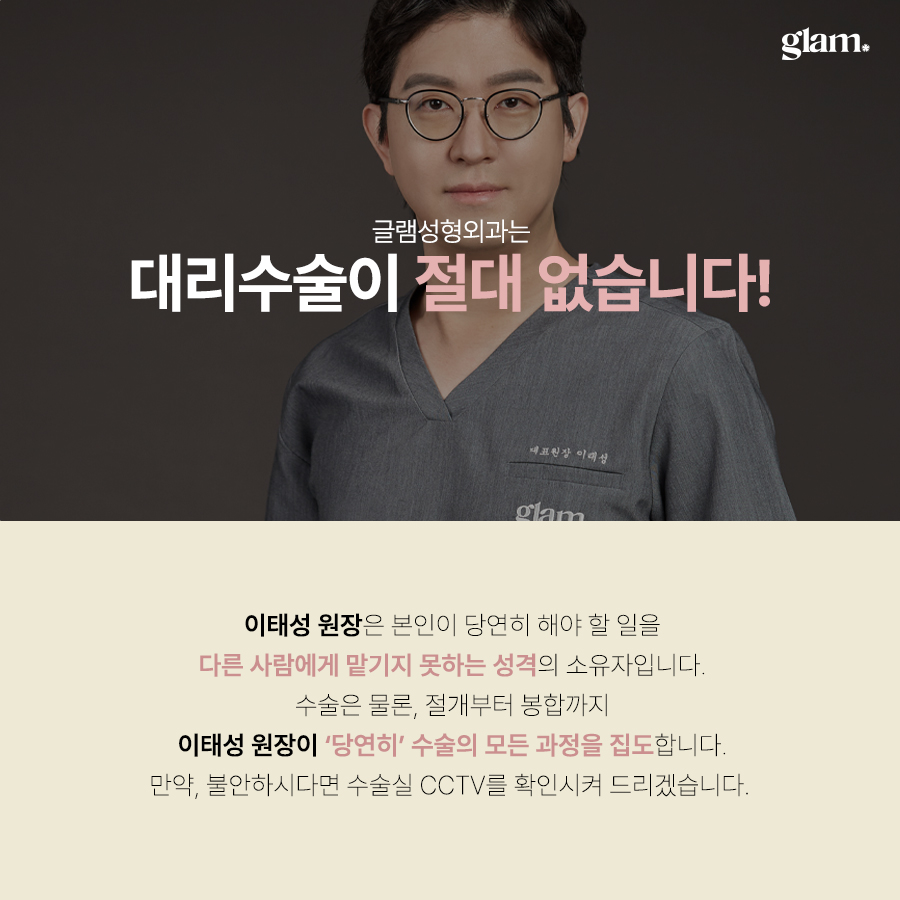
Having a dedicated anesthesiologist in the operating room for the entire surgery is an important safety measure. It may increase the cost compared to settings where anesthesia is supervised less directly, but for complex revision cheekbone reduction, many patients consider this an essential part of the value.
Monitoring systems, emergency protocols, and staff training for major facial bone operations also contribute to the overall cost structure. A clinic that regularly performs double jaw and facial contouring surgeries tends to invest more heavily in these systems than a general clinic that only occasionally performs such procedures.
Clinic system and specialization
Another reason cheekbone reduction surgery cost differs is the type of clinic you choose. Some centers offer a wide range of aesthetic procedures, from eye and nose to body contouring. Others are focused almost entirely on facial bone surgery.
This narrow lineup means that the operating rooms, instruments, staff training, and protocols are all centered on facial bone work.
For patients, this specialization can be reassuring, especially in revision cases where small decisions about bone cuts and fixation angles can make a large difference in outcome and stability. However, a highly specialized system with experienced staff and academic activity may be reflected in the fee structure.
Additional and hidden costs
Beyond the surgery itself, there are several additional elements that influence what you finally pay.
Preoperative tests and imaging are usually required for safe cheekbone reduction. These can include blood tests, electrocardiogram, chest imaging, and detailed facial imaging such as three dimensional scans. Some clinics include these in the quoted price; others bill them separately.
Follow up visits, removal of stitches, and management of potential complications are also part of the overall cost picture. Ask whether postoperative care programs, such as swelling management and skin treatments, are included or offered as optional packages.
Why revision facial contouring tends to cost more
Revision cheekbone reduction is often more expensive than primary surgery for several reasons that go beyond simple operating time.
First, detailed imaging and analysis are almost always necessary. The surgeon needs to understand exactly how the previous surgery was done: where the bone was cut, how far it was moved, and where the plates and screws are located. Without this information, it is difficult to plan safe corrections.
Second, the surgical field is more challenging. Scar tissue from the first surgery can make dissection slower and more delicate. The blood supply and soft tissue envelope may have changed, so the surgeon must be careful to preserve stability and avoid additional contour irregularities.
Third, revision plans are often highly customized. Correcting asymmetry, step deformities, or overcorrection usually cannot be done with a standard template. The surgeon may need to partially remove or reposition old plates, adjust bone segments, or even graft bone in some cases. This level of customization requires both experience and time.
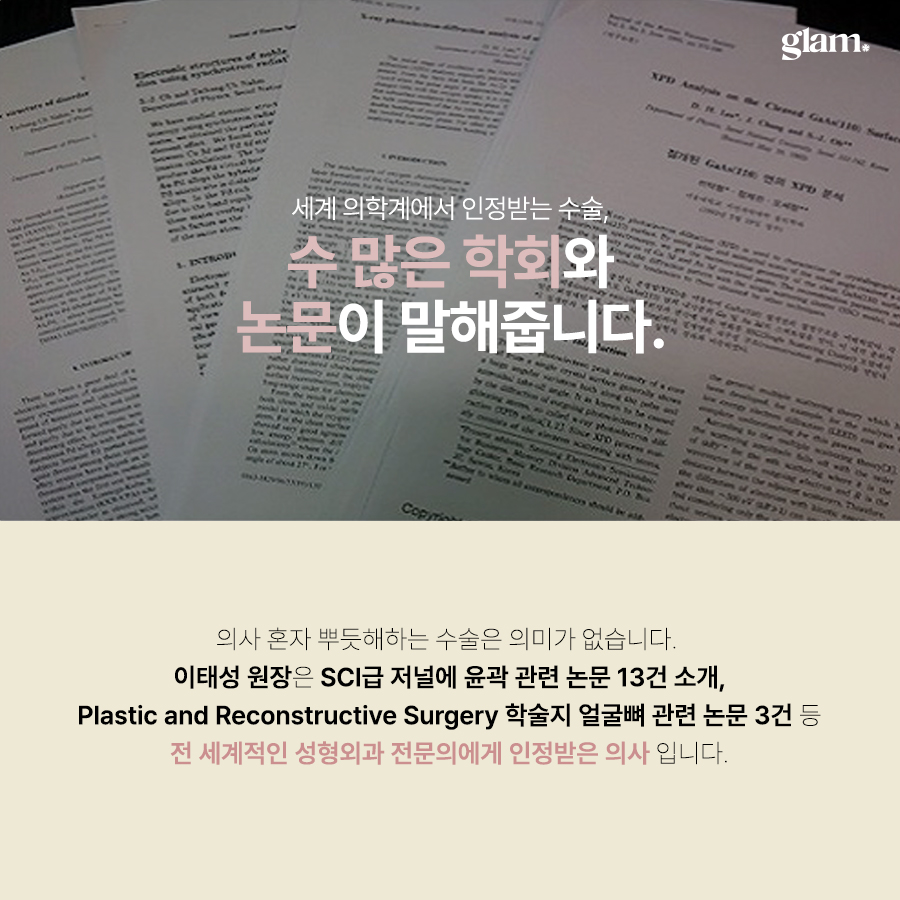
In complex revision facial contouring, a surgeon’s clinical experience and academic background are important. When choosing a provider, look for evidence of relevant surgical experience and peer‑reviewed publications or institutional affiliations; clinics should be able to provide verifiable information on a surgeon’s track record so patients can assess whether decisions are based on long‑term outcomes rather than short‑term trends.

Some revision patients also need staged procedures or combined corrections, such as cheekbone revision together with jawline revision. While this can improve overall facial harmony, it naturally affects the total cost and recovery plan.
How a specialized Sinsa, Gangnam facial bone clinic approaches cheekbone revision
In a facial bone focused clinic near Sinsa Station in Gangnam, the approach to revision cheekbone reduction is structured and stepwise.
The process usually begins with a one to one consultation with the plastic surgeon who specializes in facial bone surgery. International patients can often start with an online consultation, sharing photos, previous operative records, and imaging if available. This helps the surgeon understand the main concerns, such as asymmetry, flatness, or persistent width, before you travel to Korea.
When you visit in person, detailed imaging is performed to analyze your current bone position and symmetry. The surgeon reviews your previous surgery history, including where the bone was cut and how it was fixed. This information is used to create a realistic plan that balances improvement with safety.
During the consultation, the surgeon will usually explain what can be improved and what may not be fully reversible. For example, if a large amount of bone was removed in the first surgery, it may not be possible to completely restore the original contour, but certain deformities or asymmetries may be softened.
A key part of the clinic’s philosophy is to suggest only the minimum necessary surgery. Instead of automatically combining multiple contouring procedures, the surgeon focuses on the areas that are truly causing disharmony or functional issues. For some patients, this can help control cost and reduce surgical risk.
The in house anesthesiologist plays a central role in planning anesthesia for long facial bone operations. For revision cases, where operating time may be longer and dissection more complex, tailored anesthesia and continuous monitoring help maintain stability throughout the procedure.
Postoperative care and swelling management
After cheekbone reduction or revision, structured aftercare is important for both comfort and final contour. Swelling is usually most noticeable in the first week and then gradually decreases over several weeks. The final facial line can take several months to fully settle as bone and soft tissue adapt.
Some clinics offer additional postoperative therapies such as LED therapy, specialized facial care programs, or radiofrequency treatments to support circulation, reduce swelling, and improve skin condition. These services may or may not be included in a surgical package—confirm which are part of your cost and which are optional. Also check whether the clinic provides multilingual support and the best ways to communicate before and after travel. [image
For international patients, the clinic’s staff can guide you on how long you should stay in Korea after surgery, when to schedule follow up visits, and what to do after you return home.
Cost expectations and how to interpret price quotes
Because each case is different, it is not responsible to give a single fixed number for cheekbone reduction surgery cost, especially for revision. However, you can use some general patterns to interpret the quotes you receive.
Primary cheekbone reduction is usually at the lower end of the range compared to revision. Revision cheekbone reduction, particularly when it involves correction of deformities, removal of previous fixation, or combined procedures, is typically quoted higher.
Single area revision, focusing only on the cheekbone, will usually cost less than multi area revision that includes the jawline or chin. However, if facial harmony clearly requires combined correction, doing everything in one well planned surgery may be more efficient than multiple separate trips.
When you receive a quote, check whether it includes preoperative tests, imaging, anesthesia, hospitalization if needed, postoperative care programs, and follow up visits. A lower price that excludes many of these items may not actually be cheaper once all necessary services are added.
Be cautious of extremely low prices for major bone surgery. Very short operating times, minimal imaging, or limited safety measures may reduce cost but can increase risk, especially in revision cases where careful analysis is essential.
Instead of comparing only the number, consider the surgeon’s specialization in facial bone and revision work, academic and clinical experience, the presence of a dedicated anesthesiologist, and the strength of the postoperative follow up system. These elements are part of the long term value you receive.
Who may be a good candidate for revision cheekbone reduction
Revision cheekbone reduction may be considered by people who are dissatisfied with the width or shape of the midface after previous contouring surgery. Typical candidates include those with visible asymmetry between the two sides, step deformities that can be seen or felt, or an unnaturally flat or hollow appearance around the cheekbone area.
Patients who feel that their face still looks wide despite previous cheekbone reduction, or who experience discomfort, tightness, or an odd sensation around the zygomatic arch, may also seek evaluation.
Good candidates understand that revision surgery has limits. It may not be possible to fully restore the original bone structure, and some changes from the first surgery may be permanent. Realistic expectations and open communication with the surgeon about risks and achievable outcomes are essential.
Online consultation and pre visit preparation for overseas patients
If you are living outside Korea, starting with an online consultation can save time and help you decide whether a trip to Sinsa, Gangnam is appropriate.
Before contacting the clinic, prepare clear front and side photos of your face in good lighting, without heavy makeup or filters. If you have them, gather your previous operative reports, imaging, and any information about the plates and screws used in your first surgery.
Write down your main concerns in simple points: for example, left cheekbone looks higher, midface feels too flat, or there is a visible step near the arch. Also note any functional symptoms such as pain, clicking, or numbness.
During the online consultation, ask about the likely need for imaging, estimated length of stay in Korea, and whether your case is more likely to require a simple adjustment or a complex revision. While the clinic cannot give an exact price without examination and scans, they can often provide a rough range and explain what factors might move you toward the higher or lower end.
Expected Korea visit timeline for cheekbone revision
For many international patients, a typical schedule for revision cheekbone reduction in Sinsa, Gangnam might look like this, though details can vary by case.
On day one or two, you visit the clinic for in person consultation, examination, and imaging. The surgeon reviews your case, confirms the plan, and explains the risks, expected recovery, and cost breakdown in detail.
Surgery is usually scheduled within a few days, depending on your and the clinic’s availability. On the day of surgery, you meet both the surgeon and the anesthesiologist, review consent forms, and then proceed to the operating room.
After surgery, you may stay in the clinic for monitoring for a period determined by your condition and the clinic’s protocol. Swelling and discomfort are expected, and the medical team will provide instructions on medication, diet, and sleeping position.
Over the next several days to two weeks, you return for follow up visits, stitch removal if needed, and postoperative care such as LED therapy or facial dome care.
Once you return home, follow up can continue through online channels, with you sending photos and updates according to the clinic’s schedule.
Recovery, follow up, and long term value
In the first week after cheekbone revision, swelling is usually at its peak, and you may feel tightness around the midface. Bruising can occur but gradually fades. Soft foods are often recommended at first, and heavy exercise is usually restricted for a period advised by your surgeon.
By two to three weeks, much of the visible swelling improves, and many patients can return to light daily activities, though some residual puffiness may remain. The final contour often takes several months to become clear as deep swelling resolves and tissues adapt to the new bone position.

Regular follow up visits, whether in person or online, are important to monitor bone healing, plate stability, and symmetry. If any concerns arise, such as persistent pain or visible irregularities, early communication with the clinic helps in deciding the best response.
When considering cheekbone reduction surgery cost, especially for revision, it is useful to think beyond the initial price. Long term stability, symmetry, and safety are central to your overall satisfaction. A carefully planned surgery by an experienced facial bone team, supported by structured aftercare, often represents better long term value than choosing the lowest initial quote.
Frequently asked questions about cheekbone reduction surgery cost
Is revision cheekbone reduction always more expensive than the first surgery, and why
Revision cheekbone reduction is usually more expensive than primary surgery because it is technically more demanding. The surgeon must work through scar tissue, deal with altered anatomy, and often remove or adjust previous plates and screws. Detailed imaging and longer operating times are common, and the risk of complications can be higher if planning is not meticulous. All of these factors increase the resources required, which is reflected in the cost.
How long should I wait after my first cheekbone surgery before considering revision
Surgeons often recommend waiting several months to up to a year after initial cheekbone surgery before considering revision, to allow bone and soft tissues to heal and settle; exact timing depends on the individual case. In situations with clear functional problems, earlier evaluation may be necessary—final timing should be decided after careful clinical assessment and imaging.
Can revision cheekbone reduction be combined with other revision contouring procedures, and how does that affect cost
Yes, revision cheekbone reduction can sometimes be combined with other revision contouring procedures such as jawline or chin correction. Combining procedures in a single session can improve overall facial harmony and avoid multiple separate anesthetics. However, it also makes the surgery longer and more complex, which generally increases the total cost. The decision to combine procedures should be based on safety, your health status, and whether the additional corrections are truly necessary.

What preoperative tests are usually included in the price
Preoperative tests for cheekbone reduction and revision typically include blood tests, electrocardiogram, and imaging such as facial scans or three dimensional studies. Some clinics include these tests in the quoted surgery price, while others charge separately. When you receive a cost estimate, ask specifically which tests are included, whether any hospital based imaging is billed separately, and how much you should budget for preoperative evaluation.
How do I choose a clinic for revision facial contouring in Gangnam
When choosing a clinic for revision facial contouring in Gangnam, look beyond price alone. Consider whether the clinic focuses on facial bone surgery rather than a wide mix of unrelated procedures, and check the surgeon’s experience with revision cases. Academic activity, such as published research in facial contouring and double jaw surgery, can be a useful sign of evidence based practice. Also confirm that there is a dedicated anesthesiologist for major bone surgeries, and ask about postoperative care programs and follow up support for international patients.
Soft call to action for online consultation
If you are considering cheekbone reduction or revision facial contouring in Sinsa, Gangnam, an online consultation can be a practical first step. By sharing your photos, previous records, and main concerns, you can receive a personalized assessment of whether revision is appropriate, what kind of improvement may be realistic, and how the cost would be structured in your situation. This preparation helps you plan your visit to Korea with clearer expectations about both treatment and budget.




- 공유 링크 만들기
- X
- 이메일
- 기타 앱


댓글
댓글 쓰기