Cheekbone Reduction Revision Surgery in Seoul: A Practical Guide for Overseas Patients
- 공유 링크 만들기
- X
- 이메일
- 기타 앱

Direct answer summary
Cheekbone reduction revision surgery addresses persistent or new concerns after an initial zygoma (cheekbone) reduction—for example, remaining width, over-flattened cheeks, asymmetry, step deformities, or functional discomfort. Revision is usually considered only after the bone has healed; assessment commonly uses clinical examination and appropriate imaging (for example, CT scans to evaluate bone healing and any hardware).
This guide focuses on revision cheekbone surgery in the Gangnam, Sinsa area of Seoul, and is written for overseas patients considering traveling to Korea for this specific purpose.
What is cheekbone reduction revision surgery
Revision cheekbone reduction surgery is a procedure performed after an earlier zygoma reduction to improve an unsatisfactory outcome. Instead of starting with untouched bone, the surgeon works with bone that has already been cut, moved, and fixed with plates and screws.
In primary cheekbone reduction, the goal is usually to narrow a wide face and soften prominent cheekbones. In revision surgery, the goals are more individualized: correcting asymmetry, softening irregularities, restoring lost volume, or further reducing width that was not sufficiently improved the first time.
Because the anatomy has already been changed, revision cheekbone surgery is technically more demanding. Scar tissue, existing hardware, and altered bone shape all need to be taken into account. For this reason, revision is best handled by a clinic that focuses on facial bone procedures rather than offering many unrelated treatments.
Common problems after primary cheekbone reduction
Patients usually seek revision because they feel something is wrong or unnatural after their first surgery. Typical concerns include:
Still wide or protruding cheekbones
Sometimes the first operation does not reduce the cheekbone enough. The face may still look broad from the front or angled from the 45-degree view. This can be due to conservative bone cutting, limited movement, or partial relapse of bone position.
In such cases, revision may involve additional bone cutting and repositioning to achieve further reduction. However, the amount of additional reduction is limited by bone thickness, stability, and the need to protect nearby nerves and soft tissue.
Overly flat or sunken midface
The opposite problem is over-correction. If too much bone was removed or moved inward excessively, the midface can look flat, hollow, or older than expected. Patients may feel that their cheeks look sunken or that their facial expression seems tired.
Revision for over-correction is often more complex than for under-correction. The surgeon may consider limited repositioning of the remaining bone, bone grafts, or implants to restore contour and volume. The aim is to improve three-dimensional shape rather than simply making the face smaller.
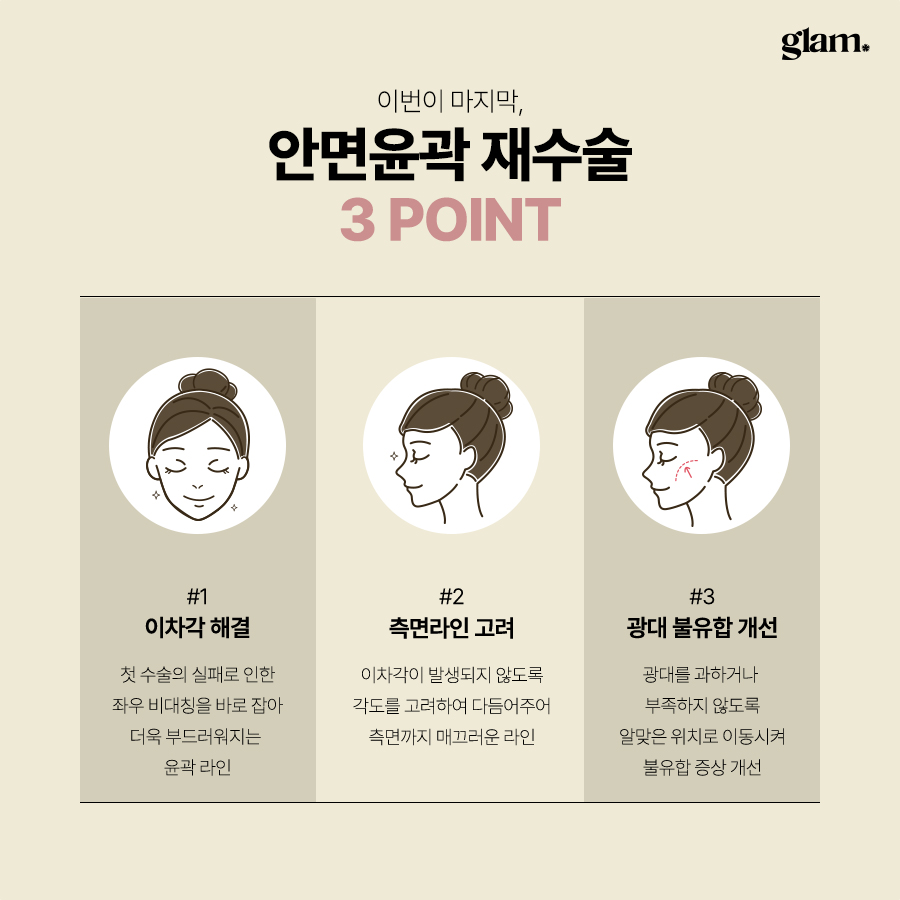
Asymmetry between left and right sides
Even small differences in cheekbone position can be visible. After primary surgery, one side may appear higher, wider, or more projected than the other. This can be due to pre-existing asymmetry, uneven bone movement, or healing differences.
Revision in this situation focuses on side-specific adjustment. The surgeon may re-cut the bone on one side, adjust fixation, or contour irregular areas to bring the two sides closer in appearance. Perfect symmetry is rarely possible, but noticeable imbalance can often be reduced.
Step deformities and irregularities
Some patients can feel or see a step where the zygomatic body and arch were cut and rejoined. This may appear as a visible line, bump, or hollow area, especially under certain lighting.
Revision may involve smoothing irregular bone edges, adjusting the junction between segments, or re-fixation if the alignment is poor. The goal is to create a smoother transition so that the contour looks more natural from different angles.
Soft tissue sagging and aged appearance
When the cheekbone is reduced, the soft tissue that used to be supported by the bone may sag. In some cases, this leads to hollow cheeks, deep nasolabial folds, or jowling. Aging changes over time can make these issues more noticeable, even if the bone position itself is acceptable.
In revision planning, the surgeon should evaluate both bone and soft tissue. Sometimes minor issues can be improved with lifting procedures, fat grafting, or other non-bony treatments. In other cases, partial restoration of bone support may be considered together with soft tissue management.
Functional issues
A smaller group of patients experience functional discomfort after cheekbone reduction. Common complaints include discomfort when chewing, tightness or pain in the muscles around the cheek, or sinus-related symptoms such as pressure or congestion.
Revision in these cases requires careful imaging and functional assessment. The surgeon needs to understand whether the symptoms are related to bone position, muscle tension, sinus changes, or other causes. Not all functional issues can be resolved with revision surgery, so realistic discussion is essential.
When can revision cheekbone surgery be considered
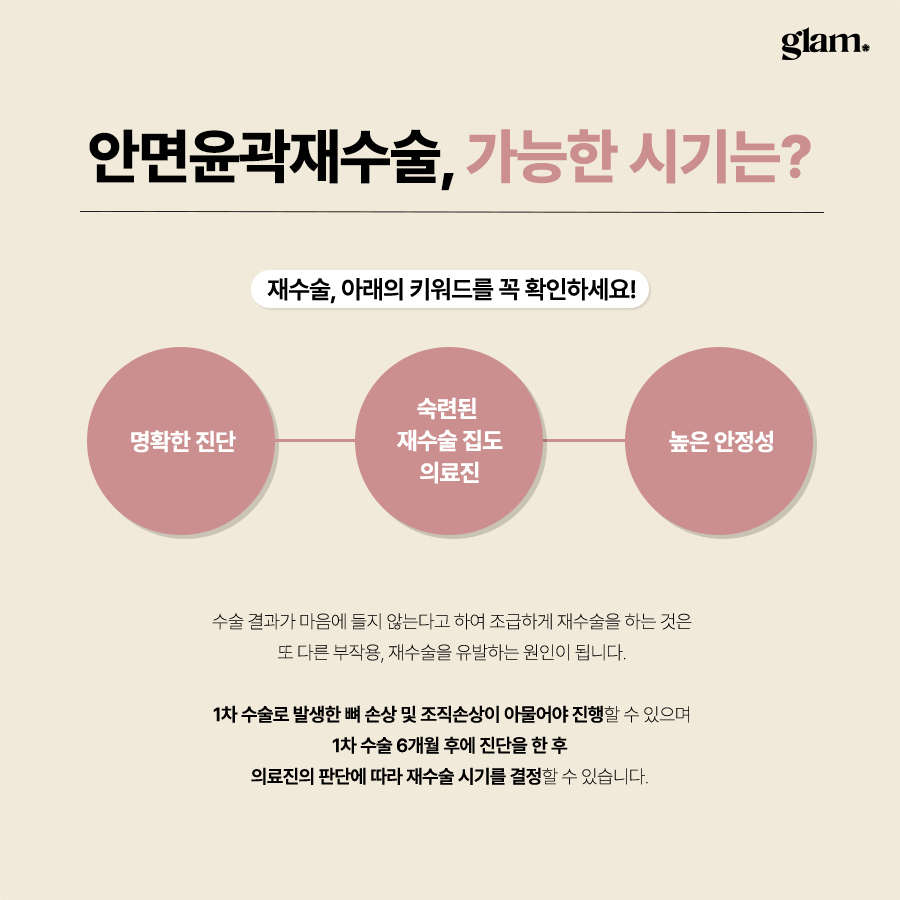
Cheekbone revision is usually not performed immediately after the first operation. The bone and soft tissue need time to heal and stabilize.
In general, patients are advised to wait until:
Swelling has largely resolved. This often takes several months. Early swelling can hide or exaggerate problems, making it hard to judge the true result.
Bone has healed and united. Timing for complete bone healing varies by individual, surgical technique, and other factors. Many surgeons allow several months before considering revision, but the exact interval should be confirmed with imaging and a surgeon’s assessment rather than by a fixed timetable.
Scars and soft tissue have settled. The face continues to change subtly for many months after surgery. Rushing into revision too early can lead to unnecessary procedures or inaccurate planning.
In some situations, such as severe malposition or significant functional problems, earlier intervention may be discussed. However, for most aesthetic concerns, a waiting period of several months is recommended before making a final decision about revision.
Pre-revision evaluation and diagnosis
A thorough preoperative evaluation is essential for safe and effective revision cheekbone surgery. At a facial bone–focused clinic in the Gangnam, Sinsa area, this typically includes several steps.
Detailed consultation and history
The surgeon will ask about:
The method used in your previous surgery, if known
Your main concerns now, both aesthetic and functional
Any changes over time since the first operation
Medical history, medications, and lifestyle factors that may affect healing
If you have previous medical records, operation notes, or imaging from your first surgery, bringing them to the consultation is very helpful.
Imaging studies
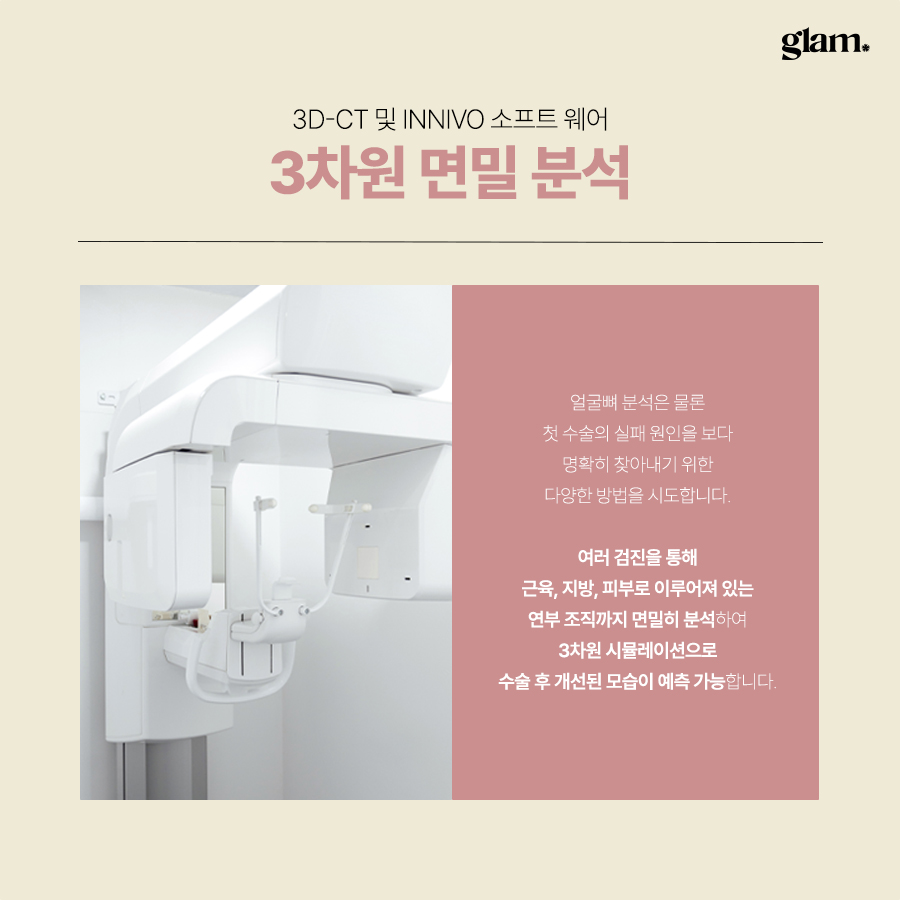
Imaging such as CT scans or X-rays is used to:
Check the current position and shape of the cheekbones
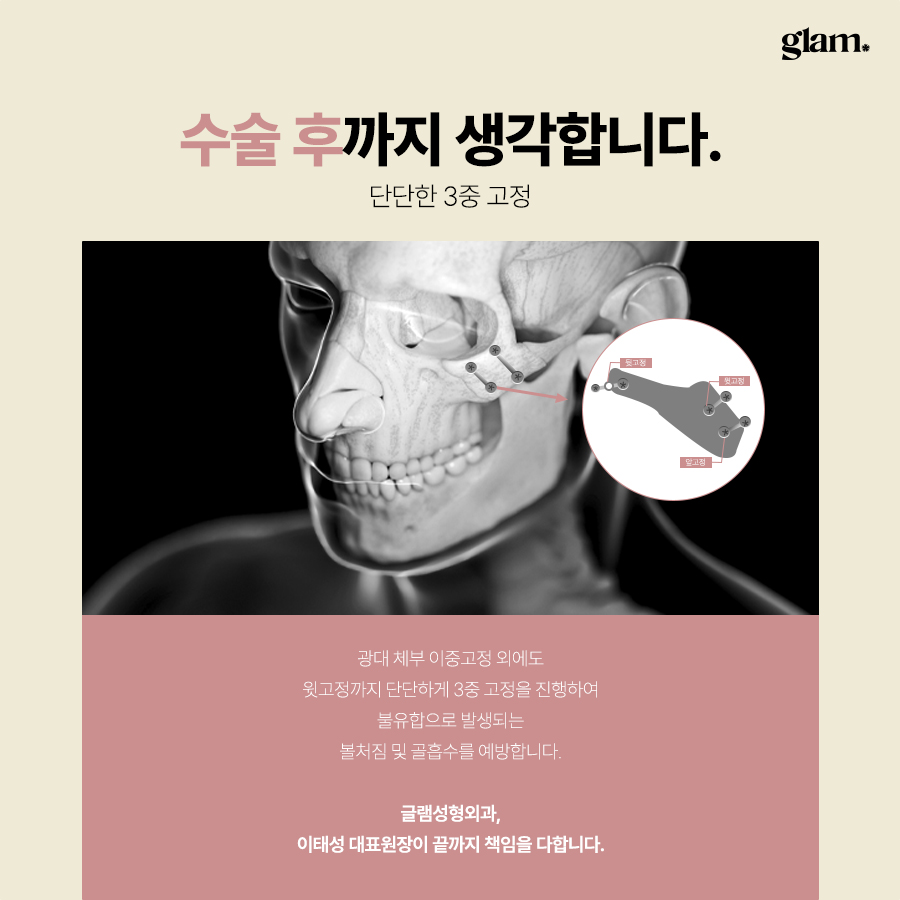
Identify the location and type of fixation plates and screws
Evaluate bone union and thickness
Assess symmetry between left and right sides
This information allows the surgeon to see what was actually done, which may differ from what was planned or from your recollection.
Soft tissue and skin assessment
The surgeon will examine:
Skin quality and elasticity
Soft tissue volume and sagging
Relationship between the cheekbones, midface, jawline, and chin
This helps determine whether bone revision alone is appropriate, or whether combined soft tissue procedures or non-surgical options might be more suitable for certain concerns.
Bite and jaw function
Although cheekbone surgery does not directly change the bite, overall facial balance is closely related to the jaw and chin. The surgeon may check your occlusion, jaw movement, and temporomandibular joint comfort, especially if you have chewing discomfort or muscle pain.
Surgical options for revision cheekbone reduction
The specific revision plan depends on what was done previously and the current condition of the bone and soft tissue. In general, several approaches may be considered.
Revision for under-correction
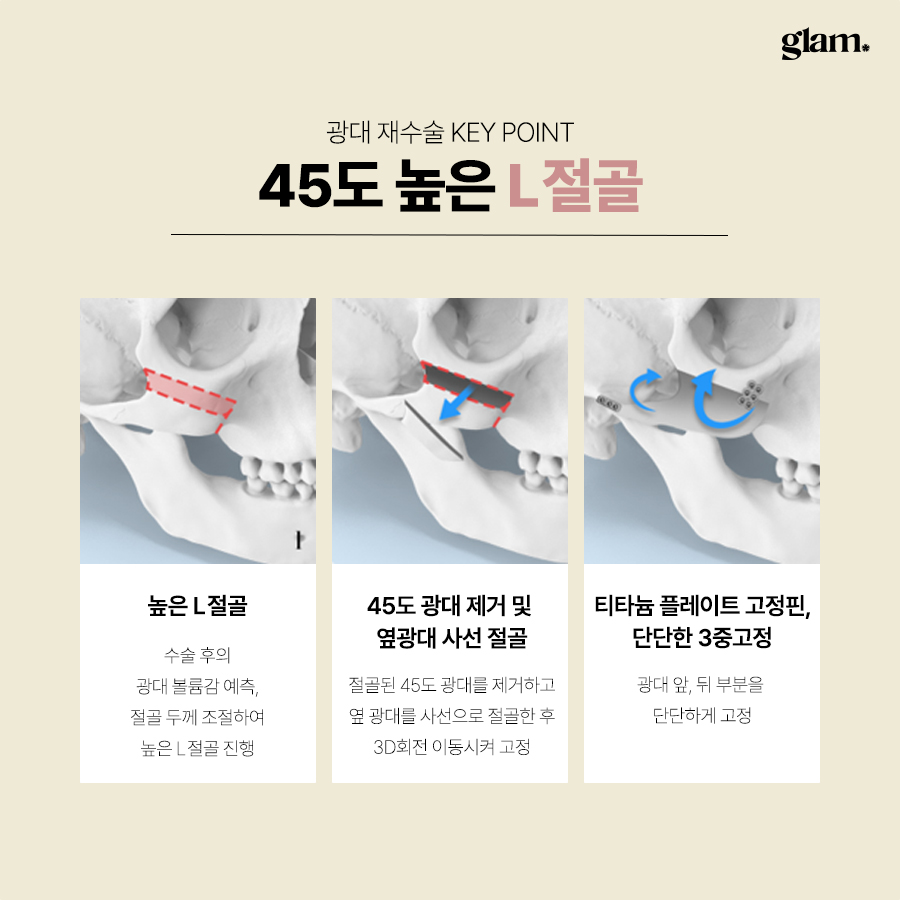
If the cheekbones remain too wide or prominent, additional bone cutting and repositioning may be performed. The surgeon can:
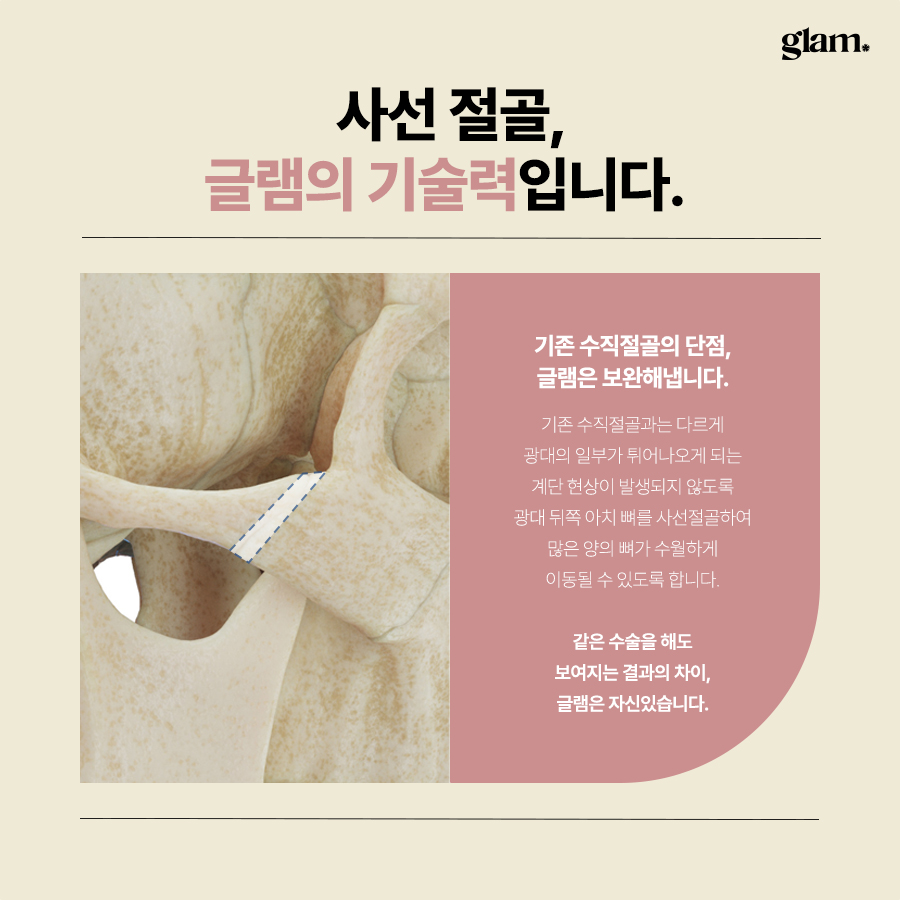
Re-cut the zygomatic body and arch
Move the bone segments further inward or backward within safe limits
Refix the bone with new plates and screws
Because the bone may be thinner than before, the surgeon must balance the desire for further reduction with the need to maintain strength and stability.
Revision for over-correction or sunken midface
When the midface looks too flat or hollow, the aim is to restore some projection and support. Options may include:
Limited repositioning of the remaining cheekbone segments
Bone grafts using the patient’s own bone
Implants designed to restore contour in specific areas
These procedures require precise three-dimensional planning to avoid creating new asymmetries or unnatural shapes.
Correction of asymmetry
For noticeable differences between the two sides, the surgeon may:
Adjust only one side or adjust both sides differently
Re-cut and reposition the bone to better match the opposite side
Contour irregularities with trimming or smoothing
Complete mirror-image symmetry is not realistic, but visible imbalance can often be reduced.
Treatment of step deformities and irregular edges
If there is a visible or palpable step at the cut line, the surgeon can:
Expose the irregular area
Smooth and contour the bone
Adjust fixation if the alignment is poor
This type of revision is often more limited in scope but can make a meaningful difference in how the contour looks and feels.
Incisions and technical difficulty
Most revision cheekbone surgeries use similar incision locations as primary surgery, often inside the mouth and sometimes with small external incisions near the sideburn or temple area. However, revision is usually more technically demanding because of scar tissue and existing plates and screws.
Not every case is fully correctable. The final plan is based on safety, bone condition, and the likelihood of meaningful improvement. A responsible surgeon will explain clearly what can be improved, what is uncertain, and what cannot be changed.
Risks, difficulty, and safety considerations
Revision cheekbone surgery carries the usual risks of facial bone surgery, and some additional challenges due to previous operations.
Why revision is more complex
Altered anatomy: The original bone shape has already been changed, making landmarks less predictable.
Scar tissue: Internal scarring can make dissection more difficult and increase the risk of bleeding or tissue damage.
Existing hardware: Plates and screws may need to be removed or replaced, adding steps to the procedure.
Thinner bone: After reduction, the remaining bone can be thinner, requiring careful handling to avoid fractures.
Possible risks and complications
Nerve-related symptoms: Temporary or, less commonly, persistent numbness or tingling in the cheek or upper lip area.
Infection or bleeding: As with any bone surgery, there is a risk of infection, bleeding, or hematoma.
Delayed bone healing: Especially if the bone has been cut multiple times or if the patient’s general health is compromised.
Persistent or new asymmetry: Even with careful planning, perfect symmetry cannot be guaranteed.
Soft tissue sagging: Changes in bone support can influence how the overlying soft tissue behaves.
Safety measures
To manage these risks, a careful clinic will emphasize:
Thorough imaging and preoperative planning
Conservative, necessity-based surgical design rather than aggressive re-cutting
A team structure where the plastic surgeon and a dedicated anesthesiologist work together throughout the operation
Close postoperative follow-up and management of swelling and bruising
Postoperative care and recovery after revision
Recovery after revision cheekbone surgery is often similar to, or slightly longer than, recovery after primary surgery. The exact course depends on the extent of revision.
Swelling and bruising
Swelling is usually most noticeable in the first week and then gradually decreases over several weeks. Bruising may appear around the cheeks and lower eyelids and typically fades within 2 to 3 weeks.
Because of previous surgery and scar tissue, swelling after revision can sometimes last a bit longer or feel firmer. Gentle care and patience are important.
Diet and oral hygiene
If intraoral incisions are used, a soft diet is usually recommended for a period after surgery. This reduces strain on the operated area and helps with comfort when chewing.
Careful oral hygiene is essential to reduce the risk of infection. Patients are often advised to rinse with antiseptic solutions and to brush gently, avoiding direct trauma to the incision sites.
Activity and sleeping posture
Light walking is usually encouraged soon after surgery to support circulation, but heavy exercise and contact sports are restricted for several weeks.
Sleeping with the head elevated on extra pillows can help reduce swelling. Patients are generally advised to avoid sleeping face-down or pressing directly on the cheeks during the early healing period.
Supportive non-surgical care
Some clinics offer supportive treatments to help with recovery, such as:
Light-based therapy to support healing and reduce swelling
Facial dome care or total skin reset programs to improve skin condition after surgery
Radiofrequency lifting treatments in later stages to support skin tightening and contour
These are considered supportive options rather than main treatments, and they should be timed appropriately according to healing.
Clinic positioning and expertise in Gangnam, Seoul
In the Sinsa, Dosan-daero area of Gangnam, there are clinics that focus on facial bone surgery, including double jaw and facial contouring procedures such as cheekbone and jawline contouring. For revision cheekbone reduction, choosing a clinic with this focused scope can be important.
The surgeon’s background is reported to include specialist training at major university hospitals and additional overseas training, along with involvement in academic research related to jaw and contour surgery. Patients who want to verify specific training or publications should request documentation or check institutional profiles and bibliographic databases.
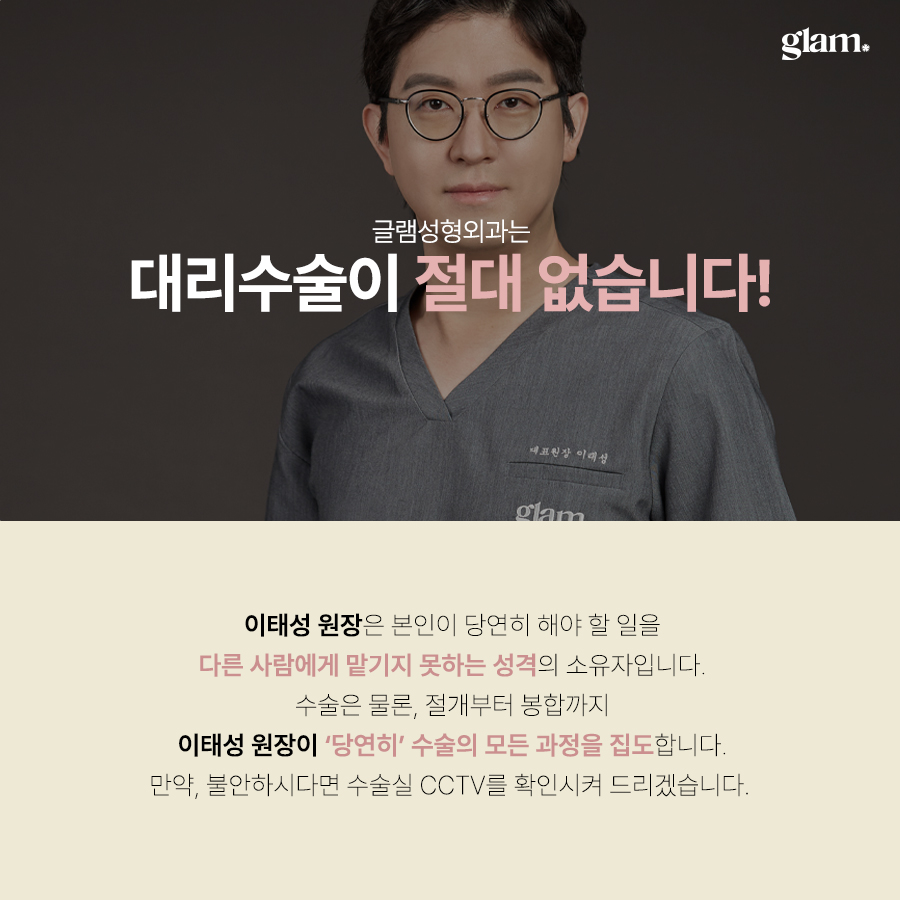
Some clinics emphasize that the lead surgeon performs operative procedures and that treatment recommendations aim to minimize unnecessary interventions. Because staffing models and policies differ between clinics, patients should confirm who will perform their surgery, how anesthesia will be managed, and what post-operative support is provided during the consultation.
nnels such as Instagram, YouTube, and messaging apps to help with pre-visit consultation and planning.
Who may consider revision cheekbone reduction
You may be a candidate for revision cheekbone surgery if:
It has been several months or more since your first surgery, and swelling has stabilized
You are clearly dissatisfied with the current contour of your cheekbones or midface
You have specific concerns such as persistent width, flatness, asymmetry, step deformities, or functional discomfort
You are in generally good health and able to undergo anesthesia and bone surgery
In some cases, non-surgical options such as fillers, fat grafting, or lifting procedures may be sufficient for minor volume loss or mild soft tissue sagging. A careful consultation can help determine whether bone revision is truly necessary or whether a less invasive option might address your main concerns.
Online consultation and pre-visit preparation for overseas patients
For international patients, the process usually begins with an online consultation. To make this efficient and accurate, it is helpful to prepare the following:
Clear front, 45-degree, and side-view photos of your face in good lighting
Any CT scans, X-rays, or medical records from your previous cheekbone surgery
A written summary of your main concerns, including when you first noticed them and how they have changed over time
A list of any medical conditions, medications, allergies, and previous surgeries
During the online consultation, the surgeon or coordinator can provide an initial opinion on whether revision seems feasible, what kind of improvement might be realistic, and how long you should stay in Korea. This is a preliminary assessment; final planning requires in-person examination and imaging.
Example Korea visit timeline for revision surgery (timing varies by clinic and case)
Although the exact schedule varies, a typical visit for overseas patients might look like this:
Day 1–2: In-person consultation, physical examination, and imaging (CT, X-ray). Detailed discussion of the surgical plan, risks, and expected recovery. Preoperative tests as needed.
Day 3–4: Surgery day, followed by monitoring in the clinic recovery area. You may go back to your accommodation the same day or after a short observation period, depending on the clinic’s protocol.
First week: Follow-up visits for wound checks, swelling and bruise management, and review of early healing. You will usually be advised to rest, follow dietary guidelines, and avoid strenuous activity.
Second week: Additional follow-up to monitor healing, remove any sutures if needed, and adjust postoperative care. Some patients may be able to travel home around 10–14 days after surgery, depending on their condition and the surgeon’s advice.
Beyond two weeks: Continued recovery at home. Online follow-up through photos or video calls can help the surgeon monitor your progress. Final contour evaluation often takes several months.
How to decide if revision cheekbone surgery is right for you
Before committing to revision, it can be helpful to go through a personal checklist.
Time since first surgery
Has it been at least several months since your first cheekbone reduction? If not, your appearance may still change as swelling and soft tissue settle. In this case, waiting and monitoring may be recommended.
Nature of your concerns
Are your concerns mostly aesthetic, mostly functional, or both? For example:
Aesthetic: flat midface, visible step, asymmetry, still wide cheekbones
Functional: chewing discomfort, muscle tightness, sinus pressure
Clarifying this helps the surgeon prioritize goals and decide whether bone revision is appropriate.
Possibility of non-surgical options
For mild hollowness or early sagging, non-surgical treatments such as fillers, fat grafting, or lifting procedures may be enough. These options do not correct bone position but can improve appearance in selected cases. Discussing these alternatives is part of responsible revision planning.
Preparation of records and questions
If possible, obtain your previous operation notes and imaging. Make a list of questions before your consultation, such as:
What specific changes do you see on my CT compared to normal anatomy?
Which of my concerns can realistically be improved with revision, and which cannot?
What are the main risks in my particular case, considering my previous surgery?
How long should I stay in Korea, and what follow-up will be needed after I return home?
Realistic expectations
Revision cheekbone surgery can often improve contour, symmetry, and overall harmony, but it cannot restore your face to a completely untouched state. Understanding this limitation in advance can help you make a calm, informed decision.
FAQ about cheekbone reduction revision surgery
Is cheekbone revision more dangerous than first-time cheekbone surgery?
Revision is generally more complex because of scar tissue, altered anatomy, and existing plates and screws. This does not mean it is always unsafe, but it does require more detailed planning and experienced surgical technique. Choosing a facial bone–focused clinic with thorough imaging, a conservative approach, and a dedicated anesthesiologist can help manage risks.
How long should I wait after my first cheekbone surgery before considering revision?

This allows swelling to resolve, bone to heal, and soft tissue to settle. If there are severe functional problems or obvious bone malposition, your surgeon may suggest an earlier evaluation, but even then, timing will be decided carefully.
Can revision fix an over-flattened or sunken midface completely?
Revision can often improve a flat or hollow midface by repositioning bone, adding bone grafts, or using implants, sometimes combined with soft tissue procedures. However, complete restoration to your original pre-surgery structure is not usually possible. The goal is to achieve a more natural, balanced appearance rather than to reverse time.
How long do I need to stay in Seoul for cheekbone revision surgery as an overseas patient?
Many overseas patients plan to stay in Seoul for about 10 to 14 days for cheekbone revision, including preoperative consultation, imaging, surgery, and early follow-up visits. The exact duration depends on the complexity of the surgery and your individual healing. Your clinic can provide a more specific schedule after reviewing your case during online consultation.
Soft call to action
If you are considering cheekbone reduction revision surgery in the Gangnam, Sinsa area and would like an expert opinion based on imaging and facial analysis, you can start with an online consultation. Preparing clear photos, previous records, and a list of your concerns will help the surgical team provide more precise guidance. With careful evaluation and realistic planning, it is often possible to move from dissatisfaction after the first surgery toward a more comfortable and balanced facial contour.




- 공유 링크 만들기
- X
- 이메일
- 기타 앱


댓글
댓글 쓰기