Cheekbone Reduction Revision Surgery in Seoul: A Practical Guide for International Patients
- 공유 링크 만들기
- X
- 이메일
- 기타 앱
Direct answer summary
Cheekbone reduction revision surgery is a second-time facial bone operation to improve problems left after a previous cheekbone (zygoma) reduction. It can help with remaining facial width, asymmetry, unnatural flatness, contour irregularities, or some functional discomfort. Because the bone has already been cut and moved once, revision is more complex and must be carefully planned. The goal is realistic improvement, not perfection, and the safest plan is usually the one that changes only what is truly necessary.
This guide explains what revision cheekbone surgery involves, who might consider it, how specialists in Gangnam, Seoul typically evaluate and treat overseas patients, what your travel timeline may look like, and how to prepare for consultation and aftercare.
Overview of cheekbone reduction revision
Cheekbone anatomy and facial width
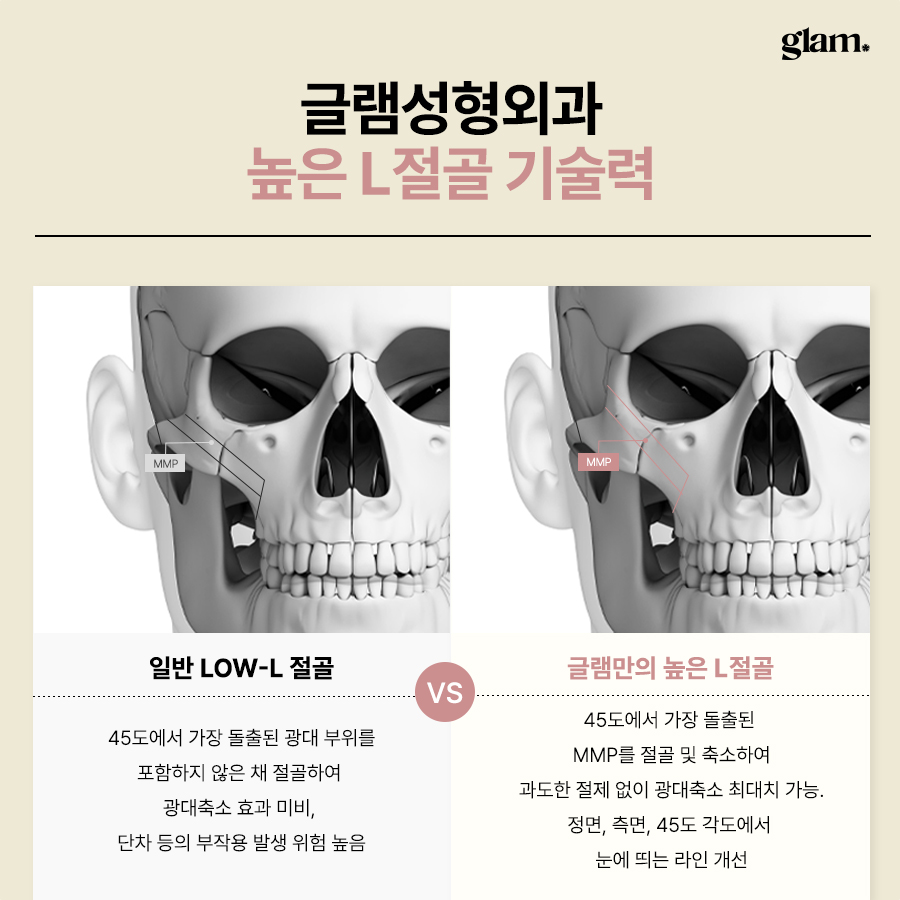
The cheekbone, or zygoma, has two main parts that affect facial shape: the zygomatic body (the front part under the eye and toward the side of the nose) and the zygomatic arch (the side bridge that connects toward the ear). Together, they influence how wide and projected the midface looks from the front, 45-degree angle, and side views.
In primary cheekbone reduction, surgeons usually make controlled cuts in the zygomatic body and arch, then move these segments inward, sometimes rotating them, and fix them with small plates and screws. The aim is to reduce lateral projection and create a smoother, narrower contour.
What revision cheekbone reduction means
Cheekbone revision is a secondary operation performed after earlier cheekbone surgery. It addresses remaining or new aesthetic or symmetry issues.
- • Face still looking wide from the front or diagonal views
- • One cheekbone more projected, higher, or lower than the other
- • Over-reduction causing a flat or aged look
- • Sagging of midface soft tissue after bone movement
- • Palpable or visible step-offs, bumps, or uneven lines along the cheekbone
- • Discomfort when chewing, clicking sensations, or localized pain
Revision may involve re-cutting and repositioning the bone, adjusting asymmetry, removing or changing fixation plates, or in some cases adding volume with bone grafts or implants. It can also be combined with soft tissue lifting to support the cheek area.
Why revision is more demanding than first-time surgery
Compared with primary cheekbone reduction, revision is more technically demanding because:
• The anatomy is altered: bone segments have already been moved.
• Scar tissue surrounds the area and can make dissection more difficult.
• Plates and screws may block ideal movement paths.
• Some bone may already have been removed, limiting how much further change is possible.
For these reasons, revision cheekbone surgery is usually best handled by a surgeon who focuses specifically on facial bone operations and is used to reading complex imaging and dealing with previous cuts and hardware.
Who may consider cheekbone revision surgery
Common reasons patients seek revision
International patients often start exploring revision cheekbone surgery for one or more of these reasons:
the cheek and nasolabial fold.
• There are visible or palpable step-offs, ridges, or irregularities along the cheekbone.
• There is discomfort when chewing, a clicking feeling, or localized pain near the zygoma.
When bone surgery is not the only answer
Not every dissatisfaction after cheekbone surgery is best treated with another bone procedure. In some cases, the main issue lies in the soft tissue rather than the bone. Examples include:
• Mild sagging that may respond better to soft tissue lifting or thread lifting.
• Volume loss that can sometimes be improved with fat grafting or other volumizing procedures.
• Very minor asymmetries that may not justify the risk of another bone operation.
A careful consultation should distinguish between problems that are primarily bony and those that are mainly soft tissue. Sometimes a combination approach is recommended; sometimes the safest choice is to avoid further bone cuts.
Who is not a good candidate
Some patients may not be suitable for revision cheekbone reduction, for example:
• Those with very limited remaining bone stock where further cutting would be unsafe.
• Patients with unrealistic expectations of perfect symmetry or a completely different facial structure.
• Individuals with uncontrolled medical conditions that increase surgical risk.
A responsible surgeon will review your medical history, imaging, and goals, and may advise against further bone surgery if the risk-benefit balance is not favorable.
How a specialist evaluates revision cases
Preoperative assessment steps
For revision cheekbone surgery, a structured evaluation is essential. A specialist clinic in Gangnam that focuses only on facial bone surgery typically performs:
• Clinical examination: The surgeon assesses facial symmetry, projection, and the quality of soft tissue. They look at the face from the front, 45-degree, and side views.
• Palpation: The cheekbone area is gently felt to identify step-offs, irregularities, and the position of plates and screws.
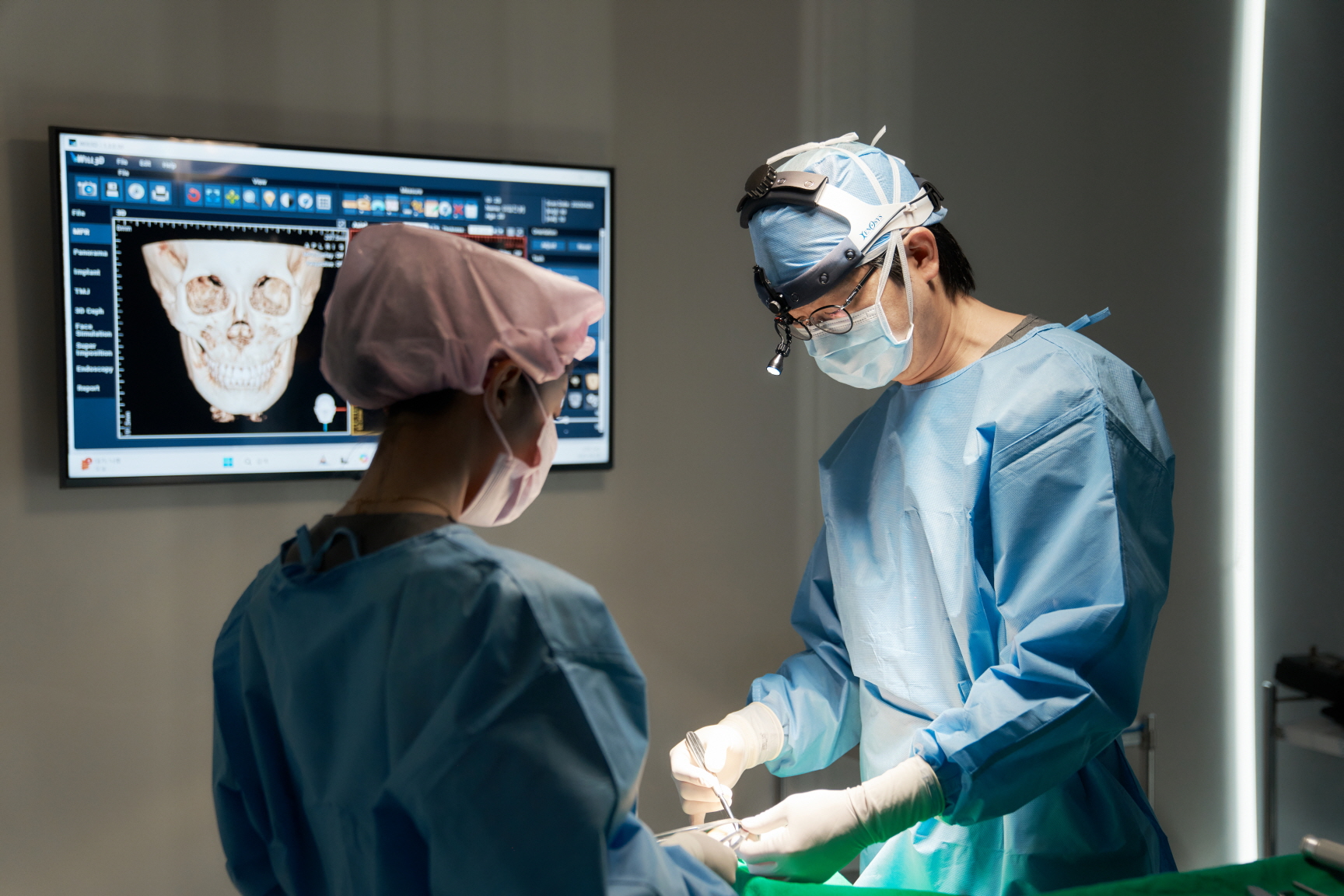
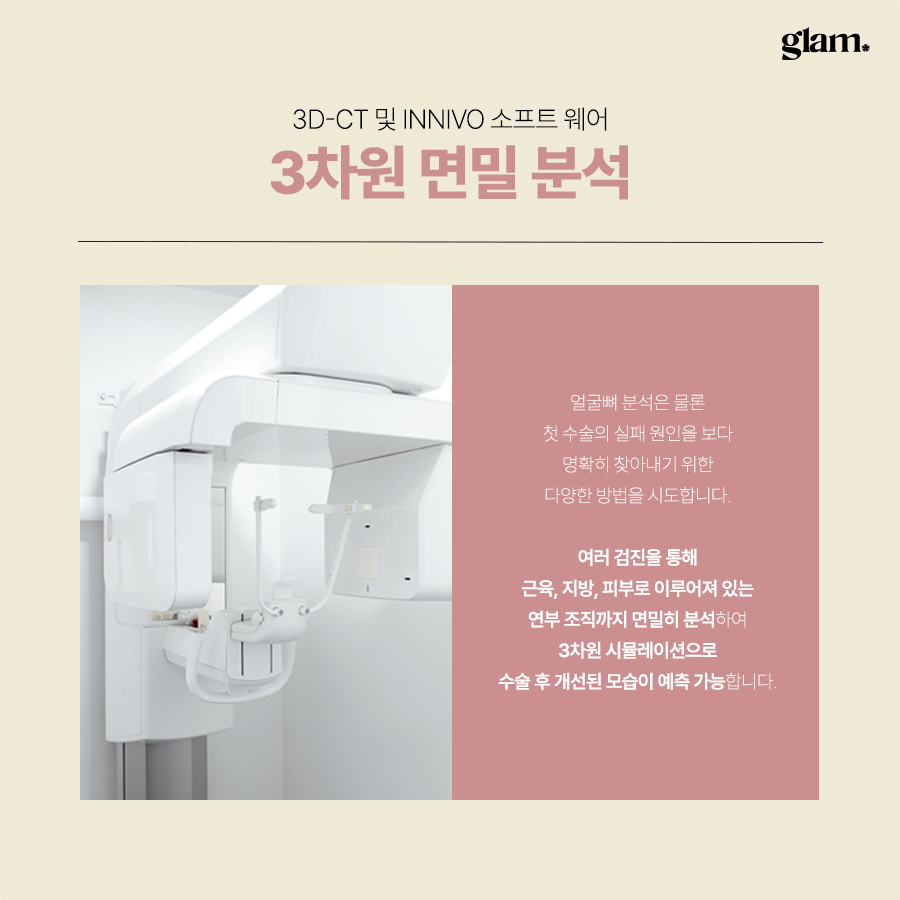
• Imaging: Facial CT scans are usually requested. These show previous bone cuts, fixation hardware, remaining bone volume, sinus position, and nerve pathways.
• Review of previous records: If you have operative reports, old X-rays, or CT scans, these help the surgeon understand exactly what was done.
Value of a facial bone–focused clinic
The surgeon is repeatedly exposed to similar patterns of previous cuts, hardware positions, and revision challenges, which can help with more accurate planning.
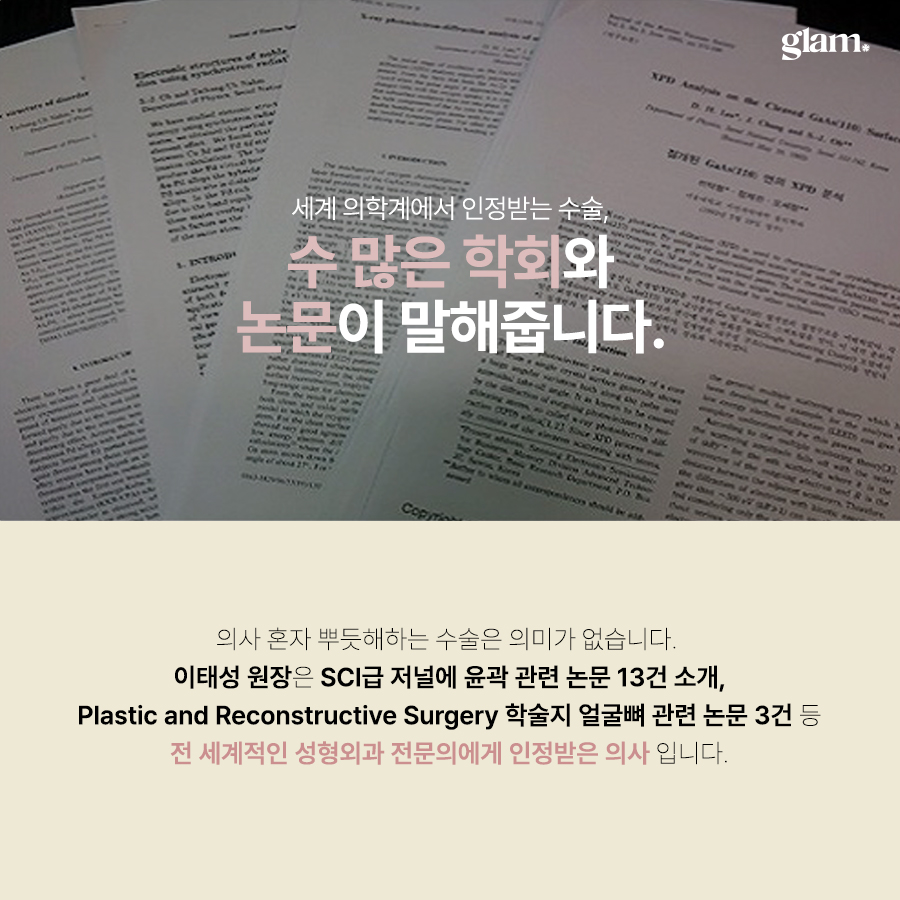
Some surgeons may report many years of experience and academic publications. Confirm specific surgeon credentials, years of experience, and any publications directly with the clinic before making decisions.
Anesthesia considerations
Revision cheekbone surgery can be longer and more complex than a first-time operation. The anesthesiologist can tailor anesthesia plans, manage airway considerations, and closely track vital signs from start to finish.
Setting boundaries and realistic plans
After reviewing your case, a careful surgeon will explain:
• What can likely be improved (for example, noticeable asymmetry or a prominent bump).
• What may only be partially improved (such as subtle width reduction if bone is already limited).
• What cannot be safely changed due to nerves, sinuses, or lack of bone.
In some situations, the safest option may be a smaller adjustment on one side, or combining limited bone work with soft tissue procedures, rather than a full re-osteotomy on both sides.
Techniques used in cheekbone revision surgery
Common surgical approaches
While each plan is individualized, revision cheekbone reduction may include one or more of these techniques:
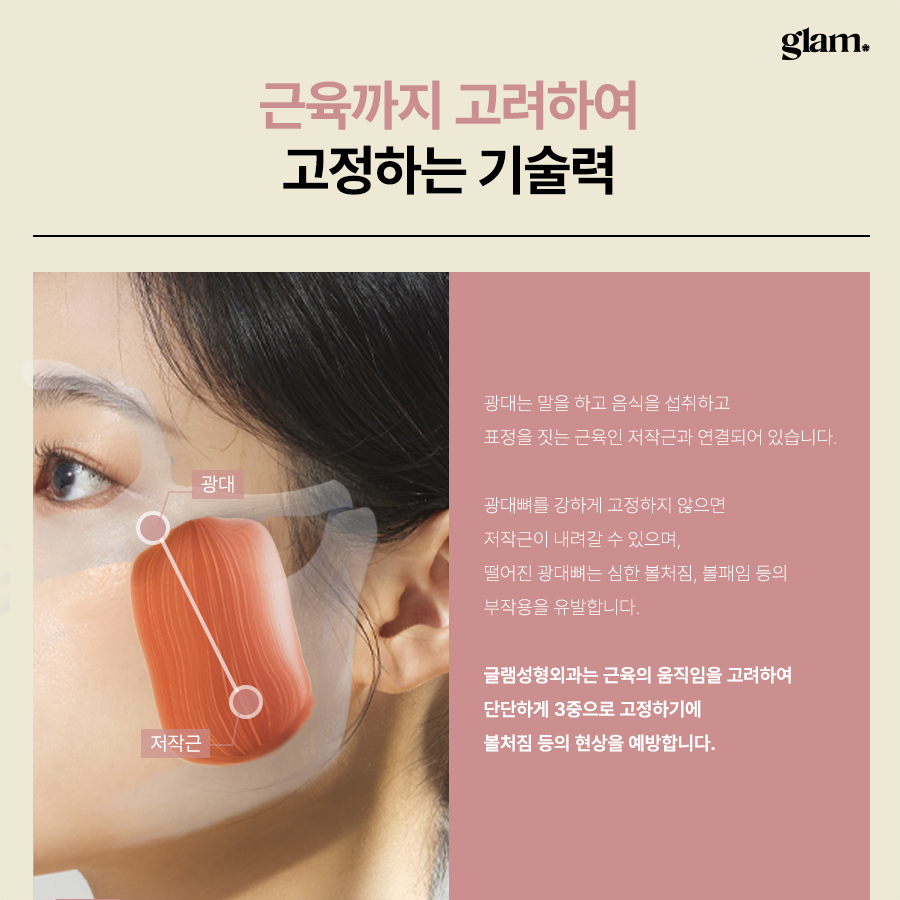
Re-osteotomy of the zygomatic body and arch
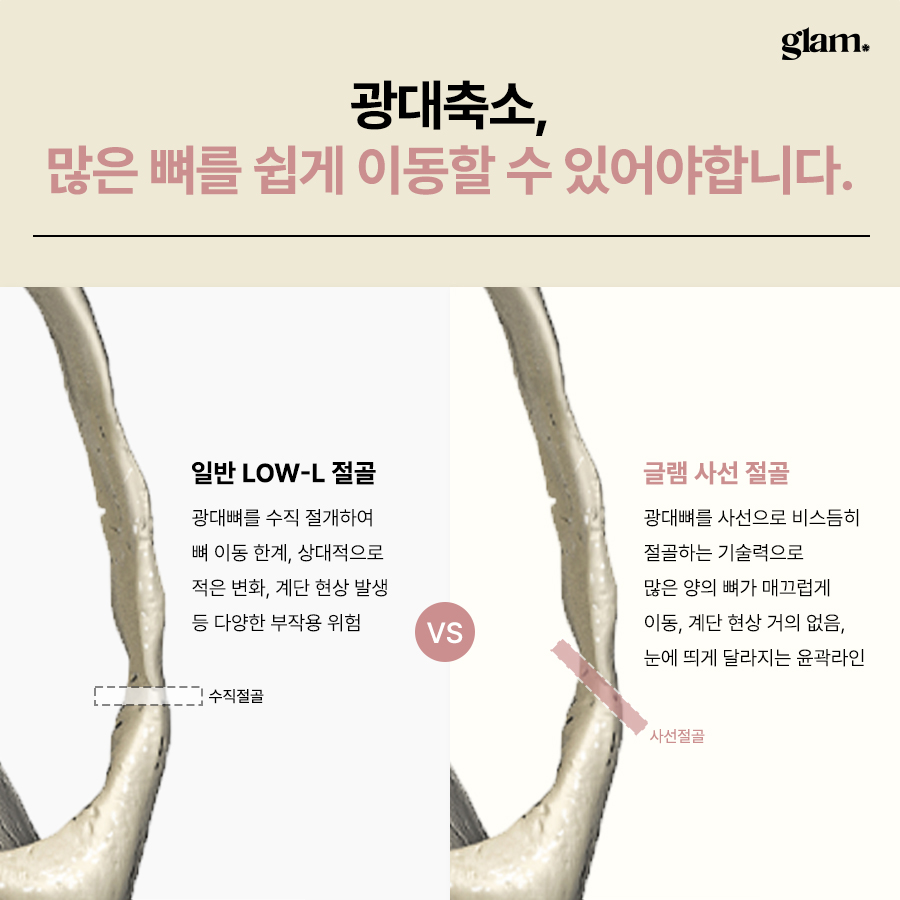
The surgeon may re-cut the zygomatic body and arch to free the bone segments and reposition them. This can allow further inward movement, rotation, or fine-tuning of projection and height.
Hardware management
Existing plates and screws can sometimes block ideal movement or contribute to contour irregularities. The surgeon may remove or replace them, then re-fix the bone in a more suitable position.
Asymmetry correction
If one side is more projected or differently angled, the surgeon can adjust one or both sides. The goal is to reduce noticeable differences, understanding that perfect mirror-image symmetry is rarely achievable.
Addressing over-reduction
In cases where the cheeks look too flat or sunken, options may include:
• Adding bone grafts to build up deficient areas.
• Using carefully selected implants to restore some volume.
These methods aim to recreate a more natural three-dimensional contour rather than simply making the face smaller.
Combining bone work with soft tissue support
When sagging is a major concern, bone repositioning alone may not be enough. Some revision plans include soft tissue suspension or lifting procedures to support the midface and reduce a droopy appearance.
Why precision matters more in revision
Scar tissue, altered landmarks, and existing hardware make revision surgery less forgiving than primary surgery. Detailed CT-based planning and a surgeon experienced in evidence-based facial bone techniques are important for minimizing risks and achieving a stable, balanced contour.
Risks, limitations, and safety in revision surgery
General risks
As with any facial bone operation, revision cheekbone surgery carries risks such as:
- • Bleeding or hematoma
- • Infection
- • Nerve injury leading to numbness or altered sensation
- • Asymmetry or contour irregularities
- • Under-correction or over-correction
- • Need for further revision in rare cases
Revision-specific challenges
Because the area has already been operated on, there are additional considerations:
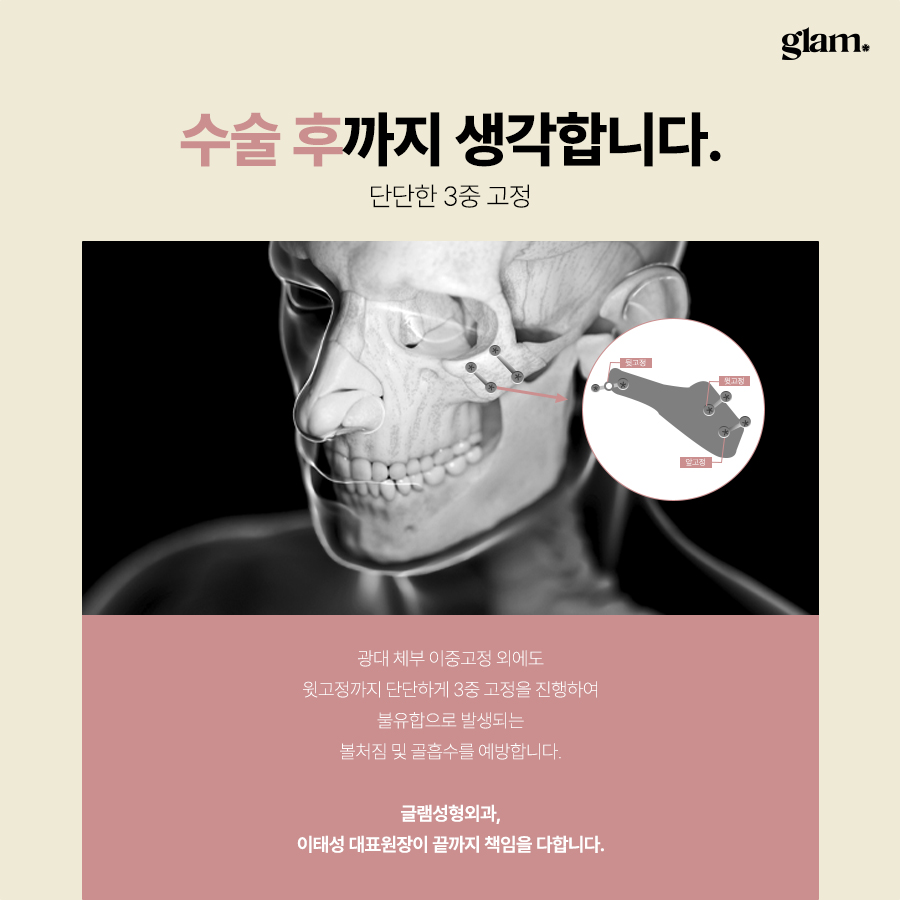
• Higher chance of nerve irritation due to scar tissue around nerve pathways.
• Limited ability to move bone segments if significant bone was removed previously.
• Potential for soft tissue sagging if support structures have been weakened.
Importance of monitoring and conservative planning
A dedicated anesthesiologist helps manage the safety of longer or more complex revision procedures. At the same time, a responsible surgeon will:
• Avoid overly aggressive bone removal.
• Be transparent if further narrowing or major reshaping is not safely possible.
• Sometimes recommend against additional bone surgery, suggesting alternative treatments instead.
Recovery after cheekbone revision
Typical recovery timeline
Every patient is different, but a general course after revision cheekbone surgery is:
Immediate postoperative period (first few days)
• Swelling and bruising around the cheeks and lower eyelids.
• Tightness, stiffness, or numbness in the cheek area.
• Soft diet if intraoral incisions are used.
First 1–2 weeks
• Major swelling gradually decreases.
• Bruising starts to fade.
• Many patients can return to light daily activities, depending on individual progress and the surgeon’s advice.
Several weeks to months
• Residual swelling slowly settles.
• Numbness or altered sensation may improve over time, although some degree can persist.
• Final contour becomes clearer over a few months.
Revision cases sometimes have slightly longer or more unpredictable swelling than primary surgeries, because the tissues have been disturbed more than once.
Postoperative care and support
Some clinics may offer optional structured aftercare services; ask which services are available and about the evidence and expected benefits. Examples sometimes offered include:
• LED therapy aimed at supporting healing and reducing swelling.
• Gentle skin treatments to help the skin recover after swelling and bruising.
These are supportive measures and do not replace the need for precise surgery and careful self-care. They may, however, improve comfort and help you feel more at ease during recovery.
Basic aftercare tips
Your surgeon will give specific instructions, but common advice includes:
• Avoiding trauma or pressure to the face.
• Following dietary recommendations, often starting with soft foods.
• Keeping up with oral hygiene if incisions inside the mouth were used.
• Not smoking, as it can impair healing.
• Attending all scheduled follow-up appointments, especially if you are returning overseas.
Preparing for revision as an overseas patient
Online consultation and pre-visit preparation
Before you travel to Seoul, an online consultation is usually the first step. To make this as productive as possible, prepare the following:
• Clear front, 45-degree, and side-view photos in good lighting.
• Any previous CT scans or X-rays, ideally in digital form.
• Operative reports or a summary from your previous surgeon, if available.
• A short written summary of your concerns: what bothers you most from each angle and what you hope to improve.
During the online consultation, a facial bone specialist can give you a preliminary opinion on:
• Whether revision bone surgery seems appropriate.
• What kind of imaging will be needed on arrival.
• A rough idea of the expected recovery time before you can fly home.
Questions to ask before you decide
To support your decision-making, consider asking:
• How many facial contouring revision cases the surgeon handles regularly.
• Whether the clinic focuses only on facial bone surgery or offers a broad range of unrelated procedures.
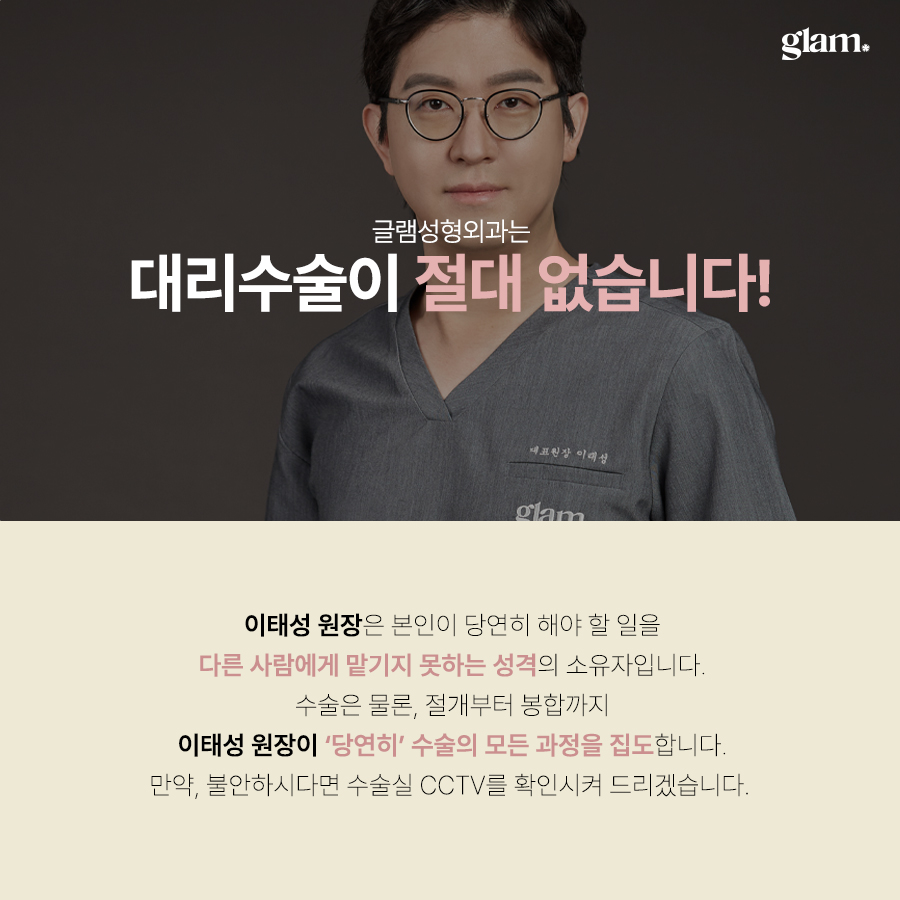
• Who will actually perform the operation and who will manage anesthesia.
• What specific changes the surgeon expects to achieve, and what limitations they see.
• How long you should stay in Korea after surgery for safe follow-up.
Example Korea visit timeline — confirm the exact schedule and recommended length of stay with your surgeon or clinic, as individual cases and clinic policies vary.
While details vary, many overseas patients follow a schedule similar to this:
Day 1–2: Arrival and initial in-person consultation
• Face-to-face consultation with the surgeon.
• Physical examination and detailed discussion of goals.
• Facial CT scan and any necessary blood tests.
Day 3–4: Surgery day
• Admission to the clinic or surgical center.
• Operation performed by the facial bone surgeon, with a dedicated anesthesiologist monitoring.
• Short recovery time in the facility before discharge, depending on the clinic’s protocol.
First week after surgery
• Rest at accommodation in Seoul.
• Return visits for wound checks, swelling management, and early aftercare.
Second week and beyond
• Continued reduction of swelling.
• Possible removal of external sutures if used.
• Final in-person follow-up before returning home.
How to choose a clinic for cheekbone revision in Seoul
Key factors to consider
When selecting a clinic for revision cheekbone reduction, pay attention to:
• Specialization: Clinics that focus exclusively on facial bone surgery, such as double jaw and facial contouring, may offer more concentrated experience with complex skeletal cases.
• Surgeon’s training and experience: Board certification in plastic surgery and a clear track record in facial contouring and revision work are important.
• Academic background:
• Anesthesia system: A dedicated, board-certified anesthesiologist provides continuous monitoring and tailored anesthesia care.
• Consultation style: Look for clear explanations of both possibilities and limits, without pressure to add unnecessary procedures.
What sets a facial bone–only clinic apart
A clinic in Gangnam that does not offer eye, nose, or body procedures but concentrates on facial skeletal work can build its entire system around these operations. This may include:

• Imaging protocols tailored to jaw and cheekbone evaluation.
• Operating room setups optimized for bone surgery.
• Recovery and aftercare programs designed around swelling and nerve considerations.
Such focus does not guarantee a particular result, but it can be a meaningful factor when you are comparing options for revision.
Setting realistic expectations before revision
Aiming for meaningful improvement
Revision cheekbone surgery is not about creating a completely new face from scratch. It is about improving specific problems within the limits of your existing bone and soft tissue. Significant improvement in symmetry or contour is often possible, but perfect symmetry is rare for any human face.
Factors that influence your result
Several elements affect what can be achieved:
• Original bone shape and thickness.
• How much bone was removed or moved in the first surgery.
• Condition of the soft tissue, including skin elasticity and any sagging.
• Presence of nerve symptoms or scar-related issues.
• Your healing characteristics and overall health.
Open communication with your surgeon
During consultation, clearly explain which angles and features bother you most, and listen carefully to the surgeon’s explanation of what is and is not realistic. A surgeon who recommends only the minimum necessary surgery, and is willing to say no when expectations are not achievable, is often a safer partner for revision.
Frequently asked questions
How long should I wait before having revision cheekbone reduction?
By that time, the final contour, any asymmetry, and soft tissue changes are clearer, allowing for more accurate planning. Your individual healing and any ongoing symptoms should be discussed with a specialist.
Is revision cheekbone surgery more dangerous than the first operation?
Revision surgery is generally more complex because of scar tissue, altered anatomy, and existing hardware. This can increase certain risks, such as nerve irritation or limited bone movement. However, with detailed imaging, careful planning, and a dedicated anesthesiologist monitoring you throughout the procedure, many of these risks can be managed. Choosing an experienced facial bone surgeon is especially important for revision.
Can revision fix asymmetry completely?
Revision can often significantly reduce noticeable asymmetry, but perfect mirror-image symmetry is rarely possible. The final result depends on your current bone position, the way previous cuts were made, and the condition of the soft tissues. A realistic goal is to make the face look more balanced and harmonious, rather than mathematically identical on both sides.

Will revision make my face look smaller from the front?
Further narrowing from the front view depends on how much lateral projection remains and how the zygoma can be safely repositioned. If a large amount of bone was already removed or moved inward, there may be limited room for additional reduction. A CT-based evaluation is necessary to understand what is feasible in your specific case.
What if my face looks too flat after the first cheekbone surgery?
If over-reduction has made the cheeks look flat or sunken, revision planning may focus on restoring volume rather than reducing it further. Options can include bone grafts, carefully designed implants, or soft tissue procedures such as fat grafting. The exact plan depends on imaging findings, your facial proportions, and your goals, and should be decided after an in-person consultation.
Soft call to action
If you are considering cheekbone reduction revision surgery in Seoul and are unsure whether further bone work is right for you, an online consultation with a facial bone–focused clinic in Gangnam can be a useful first step. By sharing your photos, previous records, and concerns, you can receive a personalized, realistic assessment of your options before you decide to travel.
This article is for general information only and does not replace a face-to-face consultation, imaging, or individualized medical advice. Suitability for revision surgery and detailed treatment plans must be determined by a qualified surgeon after direct examination.




- 공유 링크 만들기
- X
- 이메일
- 기타 앱


댓글
댓글 쓰기