Cheekbone Facial Contouring Revision in Seoul: A Practical Guide for Previous Zygoma Surgery Patients
- 공유 링크 만들기
- X
- 이메일
- 기타 앱

Direct answer summary
Cheekbone facial contouring revision, also called revision zygoma surgery or secondary cheekbone reduction, is a specialized operation for people who already had cheekbone or facial contouring surgery but are not satisfied with the result. It can address issues such as cheeks that still look wide, cheeks that became too flat or sunken, asymmetry, irregular lines, or functional problems like chewing discomfort and tightness.
Because the bone has already been cut and fixed once, revision is more complex than first-time surgery and must be planned very carefully using detailed imaging and an individualized approach. In Gangnam, Seoul, there are clinics that focus only on facial bone surgery, with experienced plastic surgeons and in-house anesthesiologists, which can be reassuring for overseas patients considering revision.
This guide explains when revision cheekbone contouring may be considered, how a bone-focused clinic typically evaluates and plans it, what to expect during a visit to Korea, and how to prepare for online consultation.
What is revision cheekbone facial contouring?
Revision cheekbone facial contouring is secondary surgery to correct or improve the result of previous operations on the cheekbone area. These previous procedures may have been cheekbone reduction, zygoma reduction, full facial contouring, or combined jaw and cheekbone surgery.
The goal of revision is not simply to cut more bone. Instead, it is to restore better balance between facial width, projection, and symmetry, and to improve function if there are problems with chewing, tightness, or discomfort.
Compared with first-time surgery, revision is technically more demanding. The surgeon must work with:
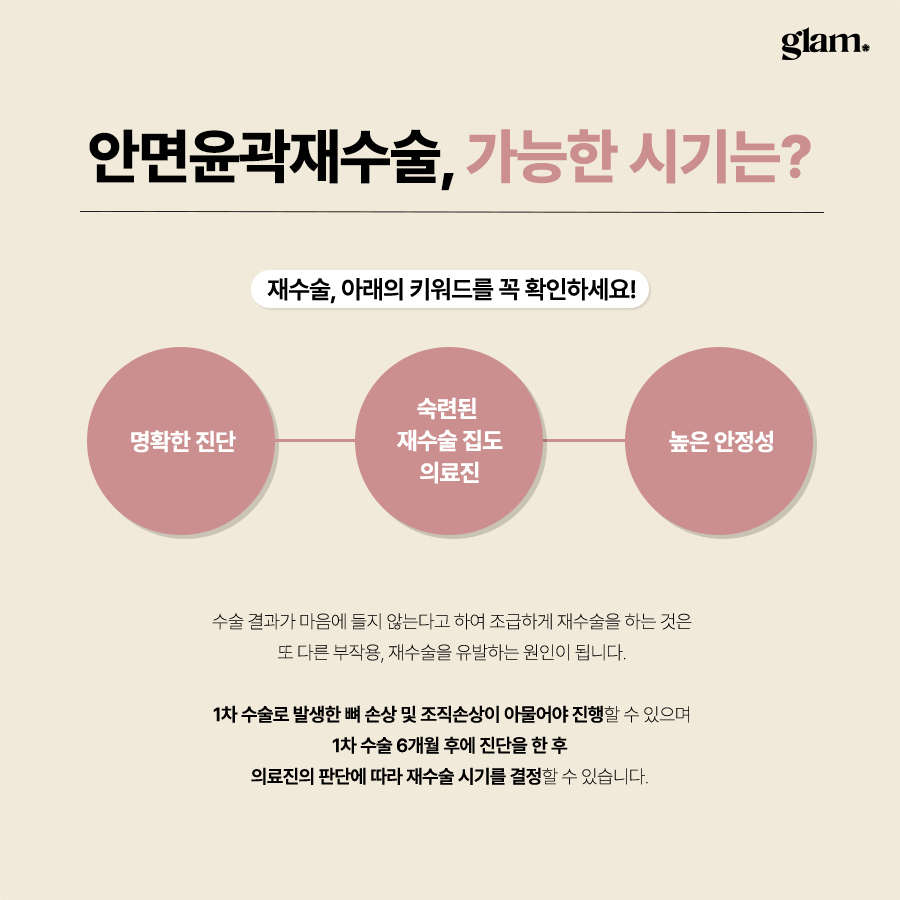
- Previously cut bone segments and changed bone shape
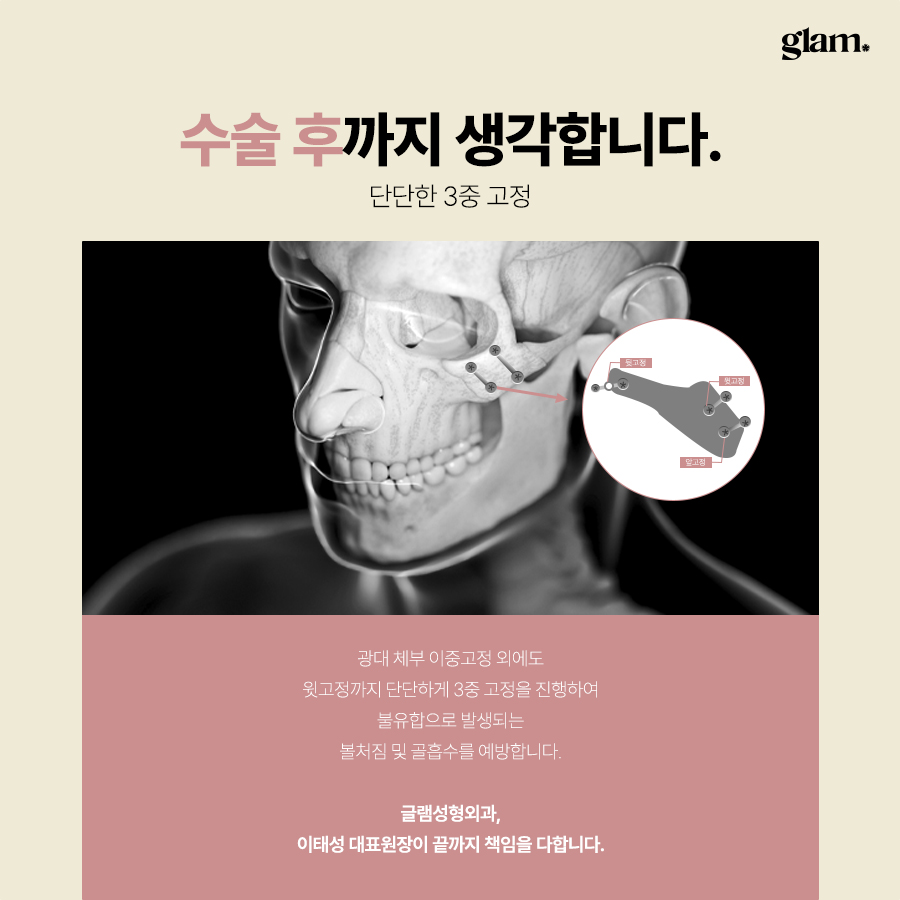
- Existing metal plates and screws
- Scar tissue around bone and soft tissue
- Sometimes already reduced bone volume
For this reason, revision cheekbone contouring requires precise imaging, careful planning, and a conservative, safety-first strategy.
Common reasons patients seek revision after cheekbone contouring
Patients who contact a clinic in Seoul for cheekbone facial contouring revision usually describe one or more of the following concerns.
Still-wide or bulky cheekbones
Some patients feel that their cheeks still look wide from the front or the 45-degree angle, even after reduction. This may happen if the previous surgery only reduced one part of the cheekbone, or if the direction of movement did not fully address the outward width.
Over-reduction and hollowing
Others feel the opposite problem: the midface looks flat, sunken, or older than before. The side profile may look collapsed, and the natural three-dimensional contour of the cheek is lost. In these cases, the challenge is not to remove more bone, but to restore support and volume where possible.
Asymmetry
Asymmetry is another common reason for revision. One side may appear higher, wider, or more projected than the other. Some patients notice that their smile looks uneven, or that one cheek catches the light differently in photos.
Unnatural facial lines and step deformities
After previous surgery, some people can see or feel irregular lines along the cheekbone or zygomatic arch. There may be sharp edges, steps, or visible transitions that make the face look less smooth and natural.
Soft-tissue sagging
When bone support is reduced, the overlying soft tissue can sag. Patients may notice droopy cheeks, early jowls, or deepened nasolabial folds after cheekbone reduction. In revision planning, it is important to consider not only the bone but also how the skin and soft tissue will drape afterward.
Functional complaints
Not all problems are cosmetic. Some patients experience chewing discomfort, tightness when opening the mouth, clicking sensations, or bite changes that were not present before surgery. These functional issues need careful evaluation with both clinical examination and imaging.
Psychological burden
Living with a result that feels wrong can be emotionally heavy. Many revision patients describe regret, loss of confidence, or social withdrawal. A thorough consultation, honest discussion of options, and realistic planning can help reduce this burden, even before any surgery is performed.
Who may be a candidate for revision cheekbone surgery?
Not every dissatisfied patient is automatically a candidate for revision cheekbone facial contouring. A careful assessment is essential.
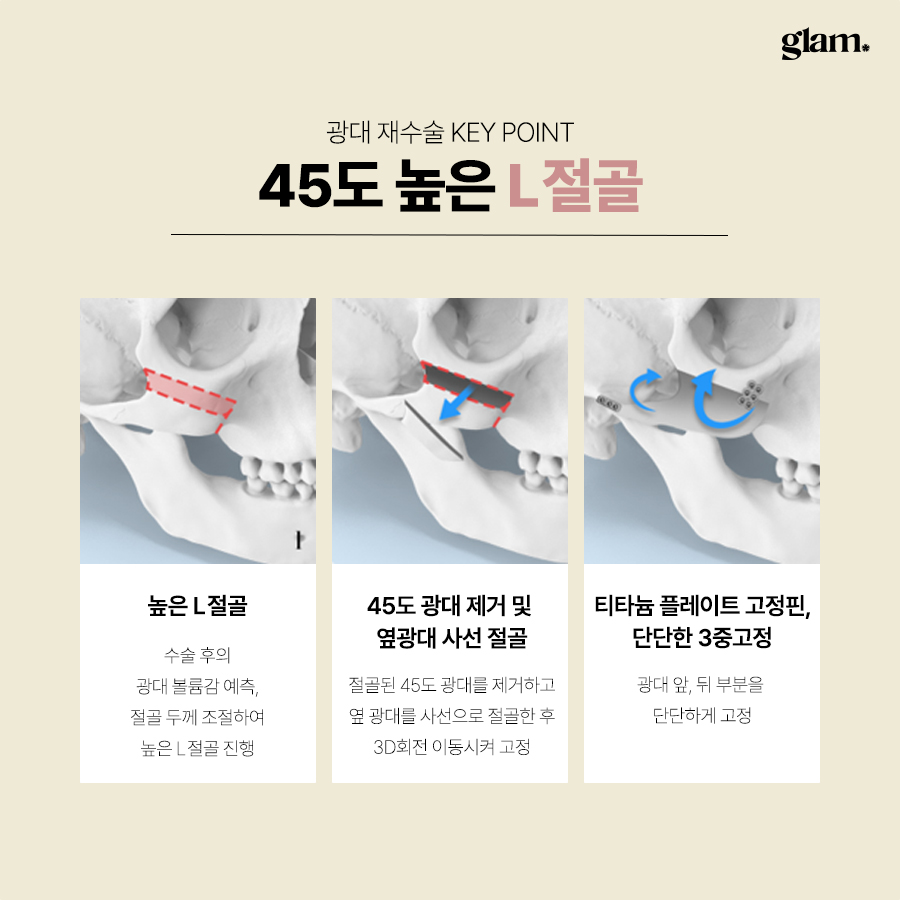
Possible candidates
You may be considered for revision if:
You had cheekbone or facial contouring surgery at least 6 to 12 months ago, and the swelling has fully settled.
You still see clear problems such as asymmetry, persistent width, over-reduction, or irregular lines.
Imaging studies (such as CT scans) show structural issues that match what you see in the mirror.
You are in generally good health and can undergo general anesthesia.
You understand that revision aims for improvement, not perfection, and that there are limits due to previous bone removal and scar tissue.
When revision may not be advisable
In some situations, revision surgery may not be recommended, or may be recommended only with very limited goals:
Severely reduced remaining bone, where further cutting would risk stability or function
Unrealistic expectations, such as wanting to return to the exact pre-surgery bone structure
Untreated psychological issues, including severe body image concerns, that could affect satisfaction
Poor general health or medical conditions that make surgery unsafe
In-depth consultation and imaging-based evaluation are critical before deciding whether revision is appropriate.
How a bone-focused clinic approaches revision facial contouring
In the Gangnam area of Seoul, there are clinics that focus exclusively on facial bone surgery, such as double jaw surgery and facial contouring. This single-focus system allows the team to concentrate their experience, equipment, and protocols on bone operations rather than spreading attention across many unrelated cosmetic procedures.
At such a clinic, the lead surgeon is a board-certified plastic surgeon with around 20 years of experience in facial bone surgery and multiple SCI-level publications, including several in Plastic and Reconstructive Surgery. This academic track record is an objective sign that the surgeon is familiar with both practical and scientific aspects of facial bone work.
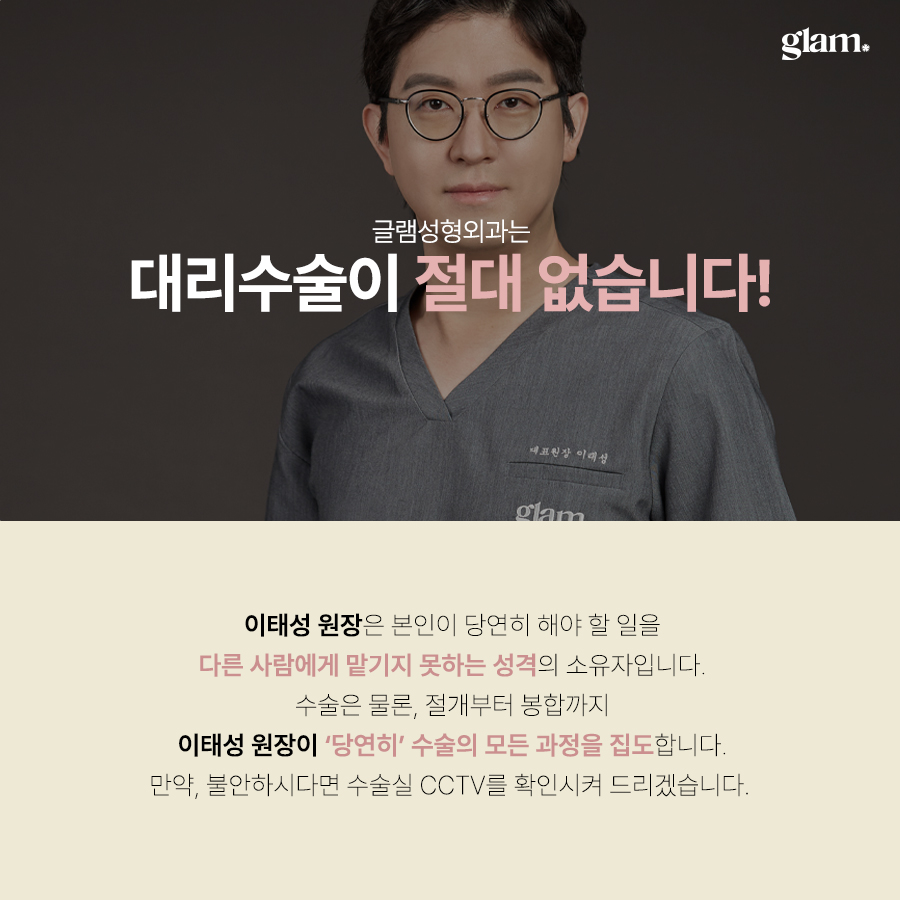
Importantly, the same lead surgeon performs the operation directly, rather than delegating to less experienced doctors. For revision cases, this consistency is especially important, because intraoperative decisions often need to be adjusted based on what is actually found around the old osteotomy lines and plates.
An in-house board-certified anesthesiologist manages anesthesia and monitoring. Revision zygoma surgery can be longer and more complex than first-time procedures, so having a dedicated anesthesia specialist in the operating room adds an extra layer of safety.
The clinic’s philosophy is usually conservative and needs-based. Instead of aggressively re-cutting bone, the surgeon aims to perform the minimum necessary change to improve structure, balance, and function while preserving stability. This is particularly important when the bone has already been reduced once.
Pre-operative evaluation for revision cheekbone contouring
A structured pre-operative evaluation is the foundation of safe and effective revision cheekbone facial contouring.
Detailed history and consultation
The first step is a thorough conversation about your situation:
- Type of previous surgery (cheekbone only, full facial contouring, double jaw plus cheekbone, and so on)
- Date and place of the operation
- Any available operative records or previous imaging
- Current symptoms, both aesthetic and functional
The surgeon will ask how your appearance changed after surgery, what specifically bothers you, and what kind of change you hope for.
Physical examination
Next, a physical examination is performed to assess:
- Facial symmetry from front, 45-degree, and side views
- Soft-tissue condition, including sagging, thickness, and elasticity
- Scars, both intraoral and external
- Mouth opening range, jaw movement, and bite contact
- Any areas of numbness or sensitivity
Imaging studies
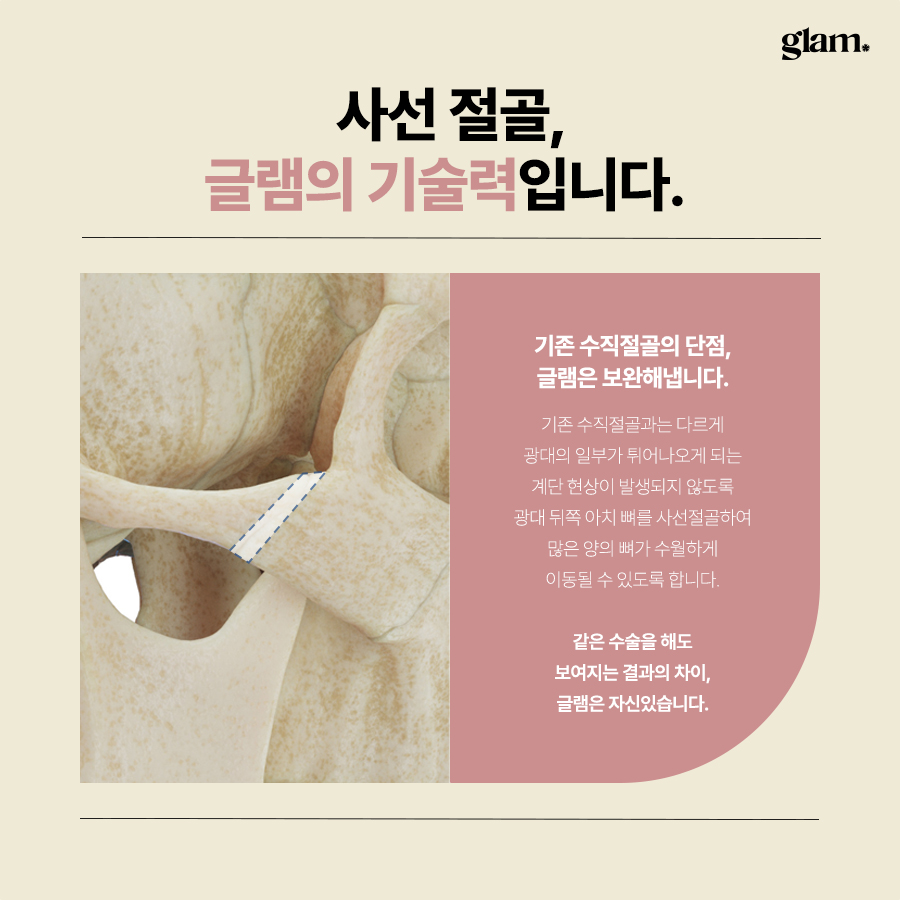
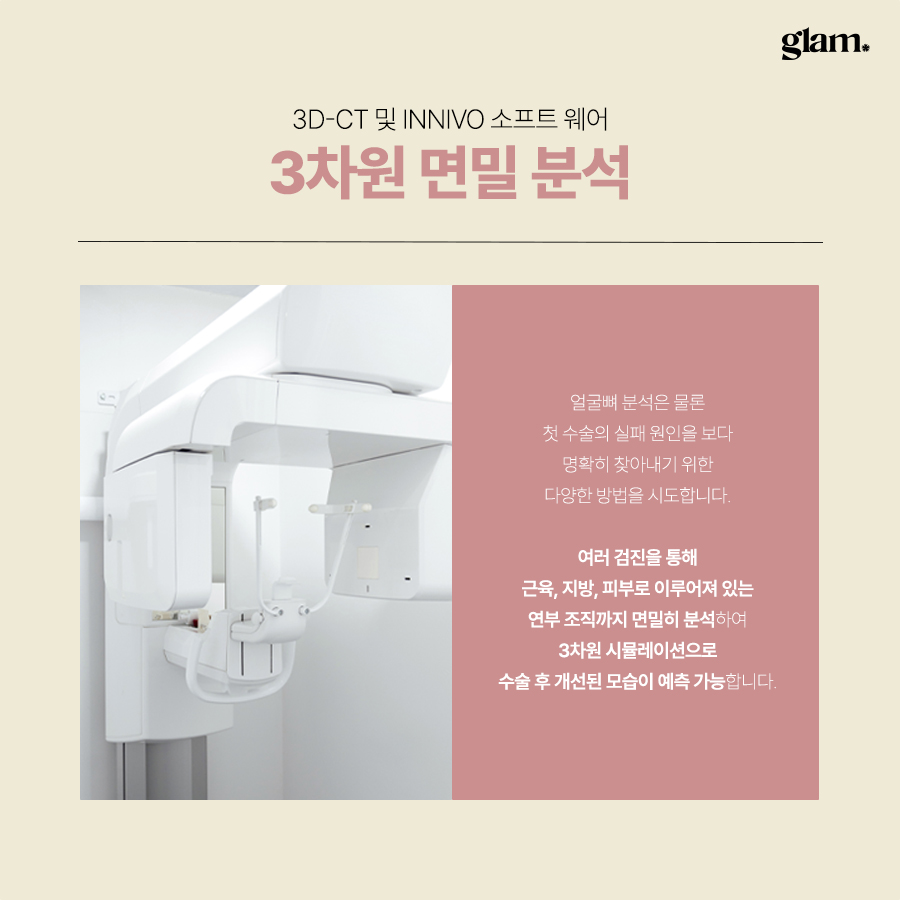
Imaging is essential in revision facial contouring. CT scans are commonly used to identify:
- Previous osteotomy lines and how the bone segments were moved
- Location and type of fixation plates and screws
- Bone defects, gaps, or areas of thinning
- Relationship between cheekbone, upper jaw, and zygomatic arch
This information allows the surgeon to plan where it is safe to re-cut, where plates may need to be removed or repositioned, and whether bone grafting or other support is required.
Discussion of limitations and goals
After examination and imaging, the surgeon will explain what can realistically be improved and what cannot. For example:
If bone volume is very limited, only small adjustments may be possible.
If soft tissue has stretched significantly, bone correction alone may not fully correct sagging.
If nerve safety is a concern, certain areas may need to be left untouched.
Together, you and the surgeon set realistic goals, focusing on improvement rather than complete reversal. Safety and long-term stability are prioritized.
The anesthesiologist will also review your medical history, medications, and test results to plan a suitable anesthesia method and monitoring strategy.
Typical revision strategies for cheekbone and facial contouring
Every revision cheekbone surgery is different, because each patient’s previous operation and current anatomy are unique. However, some common strategies include the following.
Repositioning or re-fixation of the cheekbone
If the previous cheekbone segment was moved to an unsatisfactory position, it may be possible to re-cut or mobilize it and fix it in a new position. This can help adjust facial width, projection, and symmetry.
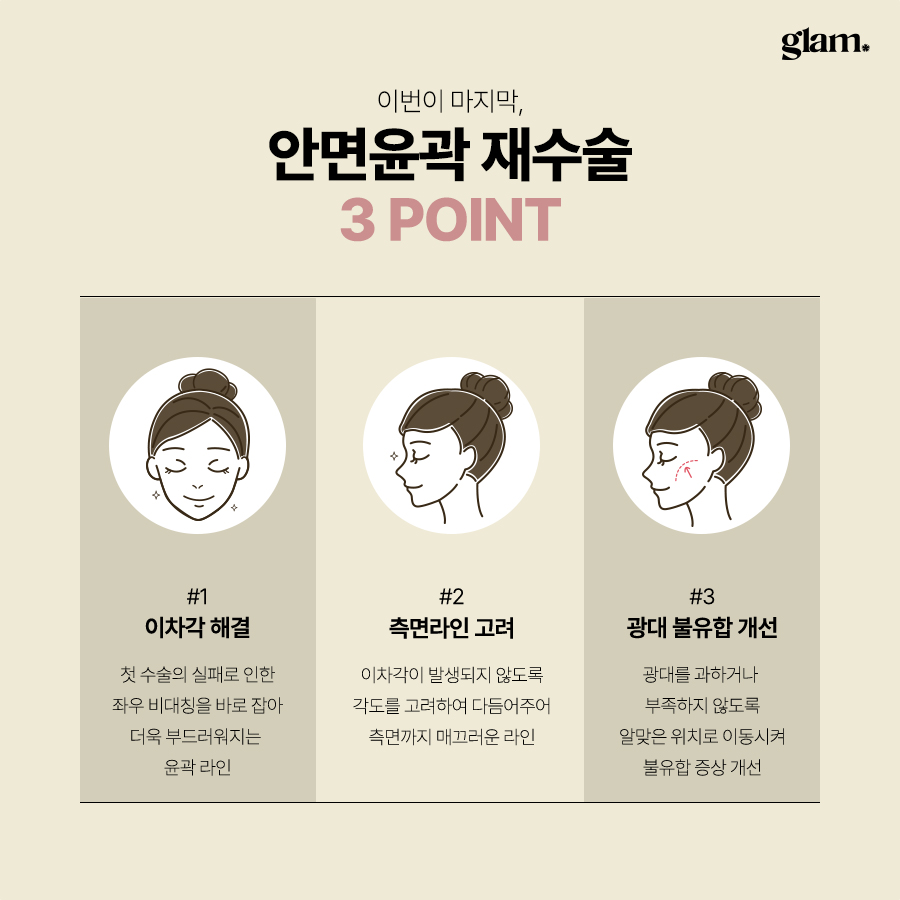
Addressing over-reduction
When the midface looks too flat or sunken, the focus is on restoring support. Depending on the case, options may include:
- Repositioning remaining bone segments
- Bone grafting or using other materials to rebuild volume and support
- Combining bone work with soft-tissue support procedures when appropriate
Smoothing irregularities
If there are sharp edges, steps, or palpable ridges along the cheekbone, the surgeon can carefully contour these areas to create a smoother, more natural line. This may involve removing small irregularities or reshaping transitions between bone segments.
Balancing with adjacent structures
Sometimes, the cheekbone itself is not the only issue. The overall facial contour may be improved by minor adjustments to adjacent structures, such as the jawline or chin, when clearly indicated. Any combined planning should still follow a conservative approach, especially in revision patients.
Soft-tissue management
Because soft tissue has already adapted to a new bone structure once, revision needs to consider how skin and fat will drape over the revised bone. In some cases, additional lifting or support procedures may be discussed to help reduce sagging or improve contour. These decisions are individualized and depend on age, skin quality, and the degree of previous reduction.
Anesthesia and intraoperative safety
Revision cheekbone facial contouring is usually performed under general anesthesia. This allows the surgeon to work precisely and safely around bone, plates, and nerves without patient movement or discomfort.
At a bone-focused clinic in Gangnam, an in-house board-certified anesthesiologist:
Performs a pre-operative assessment of your health, medications, and test results
Chooses and adjusts anesthesia drugs based on your condition and the expected surgery length
Monitors vital signs continuously during the operation
Responds immediately to any changes or unexpected events
Because revision cases can be longer and technically more complex than primary surgery, this dedicated anesthesia system is particularly important for safety.
Post-operative care and recovery after revision
Recovery after cheekbone facial contouring revision is similar to first-time surgery, but swelling may last slightly longer due to scar tissue and re-dissection.
General recovery timeline
Initial swelling and bruising are most noticeable in the first one to two weeks. Swelling gradually decreases over several weeks, and the facial contour continues to refine over several months. Final results are usually evaluated around six months to one year after surgery.
Supportive post-operative care
Some clinics in Seoul provide post-operative care programs to support recovery and comfort, such as:
- LED therapy to help with skin condition and mild inflammation
- Facial dome treatments for gentle circulation support
- Skin reset care to keep the skin barrier comfortable during healing
- Radiofrequency lifting devices for soft-tissue tone support after the initial healing period
These treatments are intended to support recovery and comfort. They do not reshape the bone itself.
Typical aftercare instructions
Common recommendations after revision cheekbone surgery include:
- Using cold compresses in the early phase, then warm compresses later as advised
- Maintaining good oral hygiene if there are intraoral incisions, using gentle rinses as directed
- Sleeping with the head elevated to reduce swelling
- Avoiding hard chewing and intense physical activity for a certain period
- Attending scheduled follow-up visits for wound checks and imaging when needed
Warning signs
You should contact the clinic promptly if you notice:
- Sudden worsening pain or swelling
- Fever or signs of infection
- New or rapidly increasing asymmetry
- Difficulty breathing or swallowing
Early communication allows the team to address any issues quickly.
Online consultation and pre-visit preparation for overseas patients
If you live outside Korea, online consultation is an important first step before deciding on cheekbone facial contouring revision in Seoul.
Preparing for online consultation
To make the most of your online consultation, it helps to prepare:
- Clear photos of your face from the front, 45-degree angles, and both sides
- If possible, previous CT scans or X-rays (in digital format)
- Any operative reports or written information from your previous surgery
- A written list of what bothers you most, in order of priority
- Questions you want to ask about risks, expected changes, and recovery
During the online consultation, the surgeon can give you a preliminary opinion, explain whether revision seems feasible, and suggest what additional imaging will be needed once you arrive in Seoul.
Practical questions to ask before you decide
Many patients find it helpful to ask:
- How many revision cheekbone or facial contouring cases does the surgeon handle regularly?
- Will the same surgeon who consults me perform my surgery?
- Is there an in-house anesthesiologist present throughout the operation?
- What imaging will be done before surgery in Seoul?
- How long should I stay in Korea for surgery and follow-up?
Expected Korea visit timeline for revision cheekbone surgery
Each clinic may have a slightly different schedule, but a typical visit to Seoul for revision zygoma surgery might look like this.
Before arrival
- Online consultation and review of your photos and any previous imaging
- Provisional treatment plan and estimated stay duration
- Scheduling of surgery date
Day 1–2 in Seoul
- In-person consultation and physical examination
- CT scan and other necessary tests
- Final surgical planning and consent
- Pre-anesthesia assessment
Surgery day
- Admission to the clinic or surgical center
- General anesthesia and revision surgery
- Post-operative monitoring in the recovery area
First week after surgery
- Follow-up visits for wound checks and swelling assessment
- Instruction on oral care, medication, and activity
- Possible start of gentle supportive treatments if recommended
Second week and beyond
Many overseas patients can fly home approximately 10 to 14 days after surgery, depending on individual healing and the surgeon’s advice. Some may choose to stay longer for additional follow-ups or recovery support.
Once back home, you can usually continue follow-up by online consultation, sharing photos and any local imaging if needed.
Risks, limitations, and realistic expectations
All surgery carries risks, and revision cheekbone contouring is no exception. Possible complications include:
- Infection or bleeding
- Nerve injury leading to temporary or sometimes persistent numbness
- Asymmetry or irregular contour
- Under-correction or over-correction
- Non-union or malunion of bone segments
- Need for further revision in rare cases
Revision surgery cannot return the bone to a completely untouched, natural state. The aim is to improve structure, balance, and function within the limits of your existing anatomy.
Honest communication is essential. You and your surgeon should discuss what kind of trade-offs you are willing to accept. For example, you might choose slightly wider cheeks to avoid an overly hollow midface, or accept a small degree of asymmetry in exchange for better stability and safety.
Choosing a clinic for revision cheekbone contouring in Seoul
When selecting a clinic for cheekbone facial contouring revision in Gangnam or elsewhere in Seoul, it may help to consider the following points.
Specialization
Look for a surgeon and clinic that focus on facial bone surgery rather than offering a broad mix of unrelated cosmetic treatments. A single-focus system allows the team to refine their protocols and experience specifically for bone operations.
Qualifications and experience
Check that the surgeon is board-certified in plastic surgery and has documented experience in facial bone operations. Academic activity, such as SCI-level publications, can be an objective sign of ongoing engagement with the field.
Anesthesia system
Confirm that a board-certified anesthesiologist is responsible for anesthesia and monitoring, especially for longer revision cases. This adds important safety support during surgery.
Imaging-based planning
Choose a clinic that bases its decisions on detailed imaging, not only on photos. CT-based analysis of previous cuts, plates, and bone volume is essential in revision cases.
Location and support
For overseas patients, practical points also matter. A clinic located in Gangnam near Sinsa Station on Dosan-daero is easy to access. Multilingual support, including English, can make communication smoother throughout consultation, surgery, and follow-up.
FAQ about cheekbone facial contouring revision
How long should I wait after my first cheekbone surgery before considering revision?
In most cases, it is recommended to wait at least 6 to 12 months after your first cheekbone or facial contouring surgery before planning revision. This allows swelling to fully settle and bone and soft tissue to stabilize. In some situations with serious functional problems, earlier evaluation may be needed, but the exact timing should be discussed with a specialist.
Can revision cheekbone contouring fix severe asymmetry from previous surgery?
Revision surgery can often improve noticeable asymmetry, but the degree of correction depends on your remaining bone structure, previous cuts, and plate positions. In some cases, significant improvement is possible by repositioning bone segments or adjusting both sides. However, perfect mirror-image symmetry is not realistic, and small differences usually remain even in natural faces.
Is revision more painful or risky than the first operation?
Pain levels vary by person, but many patients describe revision discomfort as similar to or slightly more than the first surgery, especially in the early days. From a medical perspective, revision is generally more complex because of scar tissue and altered anatomy, so careful planning and monitoring are important. Choosing a clinic with a focused bone surgery system and an in-house anesthesiologist can help manage these risks.
Will I look completely different after revision, or just slightly improved?
The goal of revision cheekbone facial contouring is to move your appearance from a result you dislike toward one that feels more balanced and natural. For some patients, changes may look subtle but meaningful, such as smoother lines and better symmetry. For others, especially with clear structural issues, the change may be more noticeable. During consultation, your surgeon should explain what level of change is realistic in your specific case.
What kind of scans or tests are needed before planning revision facial contouring?

A CT scan of the facial bones is usually essential for planning revision zygoma surgery. It shows previous osteotomy lines, plates and screws, bone thickness, and the relationship between cheekbone and upper jaw. Standard blood tests, medical history review, and sometimes additional imaging or dental evaluation may also be needed, depending on your condition.
Can I combine revision cheekbone surgery with other facial bone procedures in one session?
In some cases, revision cheekbone contouring can be combined with other facial bone procedures, such as jawline or chin adjustments, when this clearly helps overall balance. However, because revision is already complex, many surgeons prefer a conservative approach and will only recommend combination surgery when it is safe and truly necessary. This decision should be made after detailed imaging and consultation.
Soft call to action
If you are considering cheekbone facial contouring revision in Seoul and are unsure whether your case can be improved, an online consultation can be a practical first step. By sharing your photos, previous records, and concerns, you can receive a personalized assessment and a clearer idea of possible options, expected recovery, and the length of stay needed in Korea.
This article is for general information only and does not replace a face-to-face consultation, examination, or diagnosis by qualified medical professionals. Individual situations vary, and all decisions about surgery should be made after direct discussion with an experienced surgeon and anesthesiologist.




- 공유 링크 만들기
- X
- 이메일
- 기타 앱


댓글
댓글 쓰기