Celebrity double jaw surgery and natural facial balance in Gangnam
- 공유 링크 만들기
- X
- 이메일
- 기타 앱
Direct answer summary
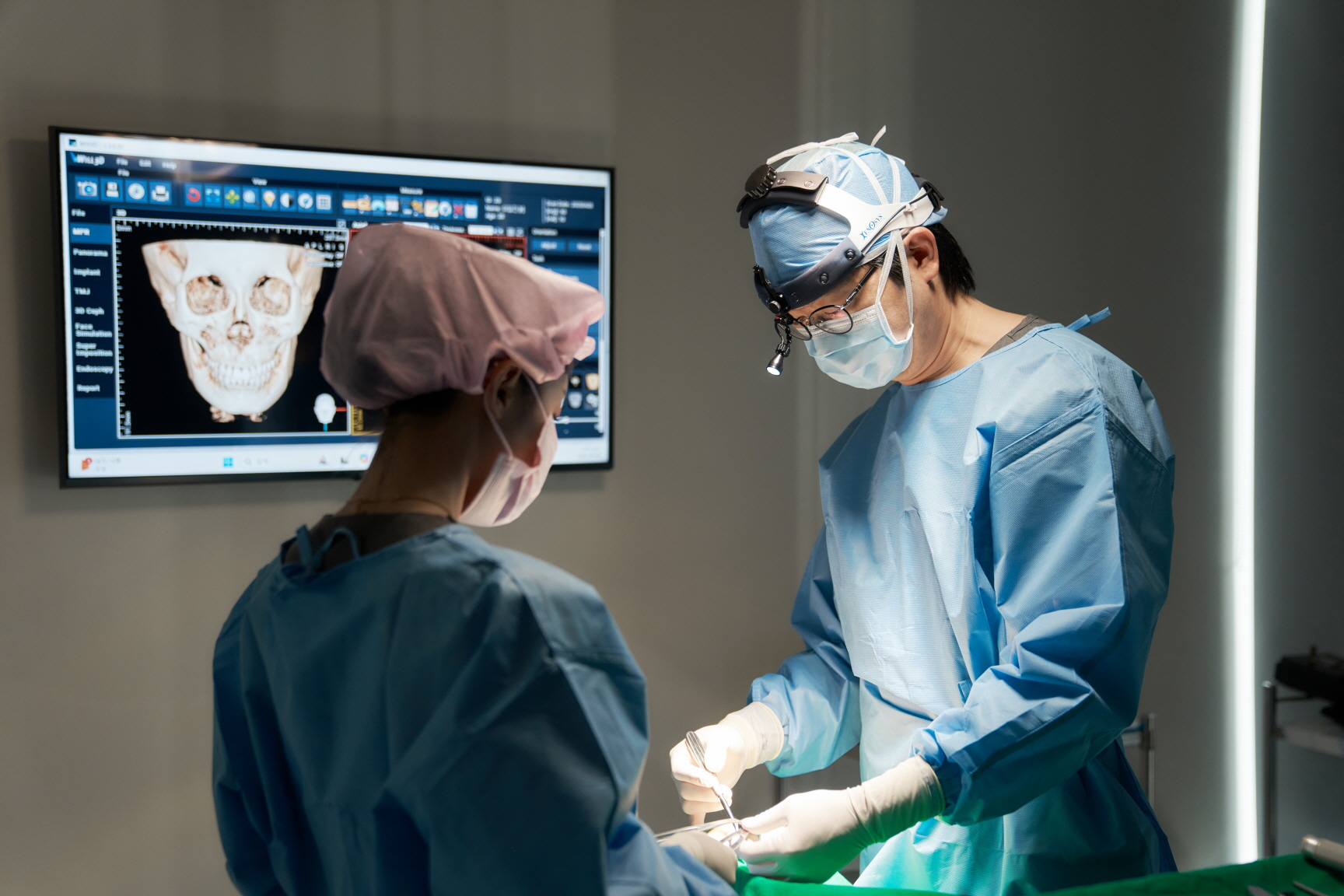
At a facial bone–focused clinic in Sinsa, Gangnam, the aim is to correct jaw alignment and bite problems first, then refine the face in a way that suits your own features rather than copying a specific celebrity.
This guide explains what celebrity-style double jaw surgery involves, who may consider it, how planning and safety are handled, what an overseas patient’s visit to Korea may look like, and what to expect during recovery.
What is celebrity-style double jaw surgery?
Double jaw surgery overview
Double jaw surgery, also called orthognathic surgery, repositions both the upper jaw (maxilla) and lower jaw (mandible). It is usually considered when the jaw bones themselves are out of balance, and simple bite adjustment is not enough.
Typical reasons people consider double jaw surgery include a protruding mouth, long or short lower face, recessed chin, open bite, crossbite, or noticeable facial asymmetry. These issues can affect chewing, jaw joint comfort, speech, and facial appearance.

Celebrity-style double jaw surgery focuses on using this same procedure to create more balanced facial proportions, a smoother jawline, and a profile that looks natural in photos and videos. The goal is not just a smaller face, but a face that looks harmonious from the front, three-quarter, and side views.
Not a different operation, but a different standard
Orthognathic (double jaw) surgery for public figures is not a different surgical procedure from standard corrective jaw surgery. The main difference is in treatment planning: when aesthetic or “photogenic” results are a priority, surgeons place extra emphasis on how the face appears in different lighting, angles, and expressions—for example, balancing jaw projection with cheek and lip contours to match a patient's typical appearance or professional needs. Discuss these cosmetic priorities with your surgeon so the surgical plan can be tailored accordingly.
Key elements include how far the upper jaw is moved forward or upward, how the lower jaw is rotated, and how the chin length and projection are adjusted. These changes influence the jawline, lip support, smile, and even how the midface appears.
A clinic that focuses on facial bone surgery
Please check the clinic's official website or contact them directly to confirm the exact address and directions.
This single-focus approach means the clinic organizes consultation, imaging, operating room processes, anesthesia planning, and post-operative care around facial bone surgery.
Who may consider celebrity-style double jaw surgery
Functional and aesthetic candidates
People who inquire about celebrity-style double jaw surgery usually have both functional and aesthetic concerns. Common situations include:
You have difficulty chewing comfortably, or your bite does not meet evenly.
You have an open bite where the front teeth do not touch even when the back teeth are together.
Your lower face feels too long or too short compared to your upper face.
Your chin is recessed or shifted to one side, creating asymmetry.
Your mouth looks protruded from the side, or your lips do not close easily at rest.
You feel your profile looks flat or unbalanced in photos.
For these patients, the first goal is to improve jaw function and alignment. At the same time, the bone movements are planned to create a more refined, camera-friendly appearance.
Realistic expectations for non-celebrities
Many overseas patients worry whether results they see on screens are realistic for them. Celebrity-style planning does not mean everyone will end up with the same small, sharp face. Instead, the surgeon evaluates your unique bone structure, soft tissue thickness, gender, and age to find a balanced result that suits you.
For example, a very thin patient may not benefit from aggressive bone reduction, because it can make the face look hollow or older. Someone with a naturally strong, wide face may look more attractive with a moderate, well-balanced jawline rather than an extremely narrow one.
The clinic’s philosophy is to recommend only the minimum necessary surgery to achieve functional correction and harmony, instead of adding extra bone cuts or combined procedures simply to create a more dramatic advertisement.
Celebrity-style results: what actually changes
Target changes in facial balance
Celebrity-style double jaw surgery aims for:
A smoother, more defined jawline without looking overly sharp.
A lower face that is shorter or more proportionate to the midface.
An improved side profile, with better alignment of the nose, lips, and chin.
Enhanced lip support so the mouth area looks more refined and less protruded.
More symmetry between the left and right sides of the face.
Jaw repositioning can also influence how the nose and midface appear. Moving the upper jaw can change the relationship between the nose and upper lip, the smile line, and the depth of the nasolabial folds. The aim is to improve these relationships without making the face look artificial.
Avoiding an overdone or gaunt look
A common fear is looking too different or “overdone” after surgery. Over-resecting bone can sometimes create a gaunt, hollow appearance or make the face look mismatched with the rest of the body.
To avoid this, the surgeon evaluates not only the bone but also the soft tissue envelope: skin thickness, muscle, and fat distribution. Plans are made to keep volume where it is needed for a youthful, healthy look, and to avoid excessive narrowing that may not age well.

Planning and safety for overseas patients
Comprehensive planning process
Before any double jaw surgery, careful planning is essential. In this clinic, the process generally includes:
Detailed consultation to understand your main concerns, medical history, and functional issues such as chewing or jaw joint discomfort.
Clinical examination of facial symmetry, jaw movement, and bite.
Imaging studies such as facial X-rays and three-dimensional scans to assess bone position and airway.
Bite analysis to understand how the upper and lower teeth meet and how they should be aligned after surgery.
Discussion of both functional and aesthetic goals, including what “celebrity-style” means for your individual face.
For overseas patients, much of the initial discussion can begin through online consultation, using photos, scans from your home country, and video calls.
Anesthesia and safety systems
Double jaw surgery is a long and complex bone operation, so anesthesia and monitoring are critical.
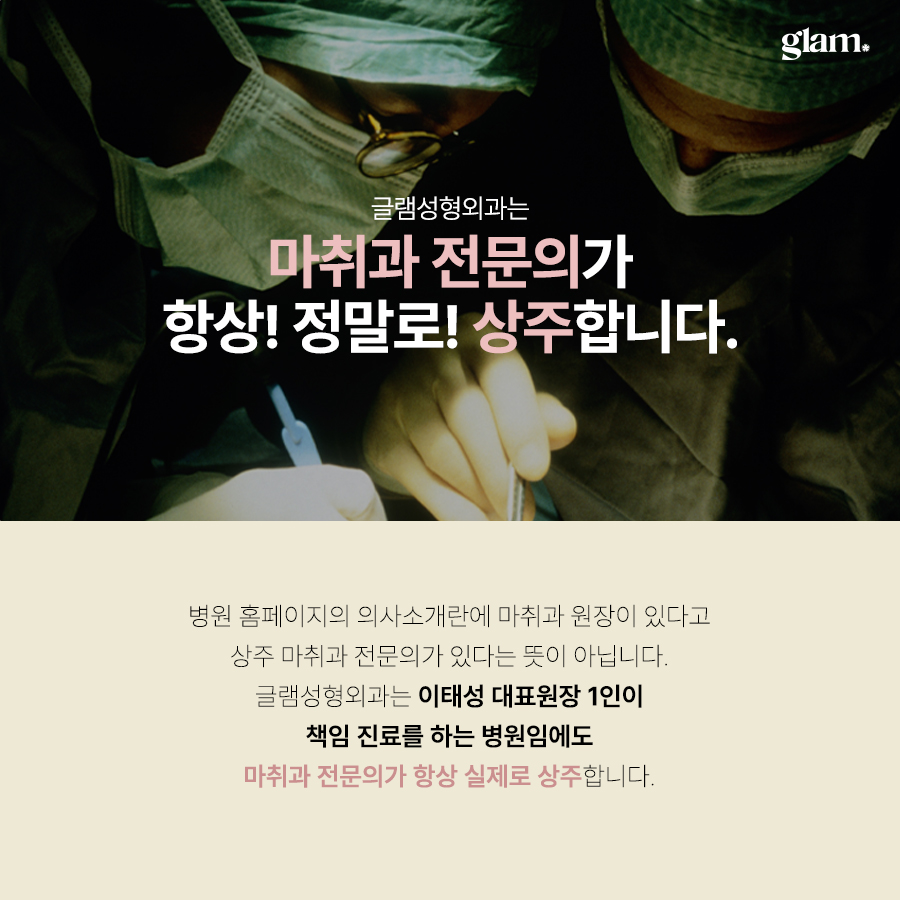
The anesthesiologist’s role includes pre-operative assessment, safe induction and maintenance of anesthesia, continuous monitoring of vital signs, and early post-operative pain control. This specialist support is particularly important for longer operations like double jaw surgery.
The clinic also uses structured perioperative protocols, including infection prevention measures, blood loss management, and post-operative monitoring to reduce risks as much as possible. However, as with any major surgery, there are potential complications, and these should be discussed thoroughly with the surgeon.
Technical options and features
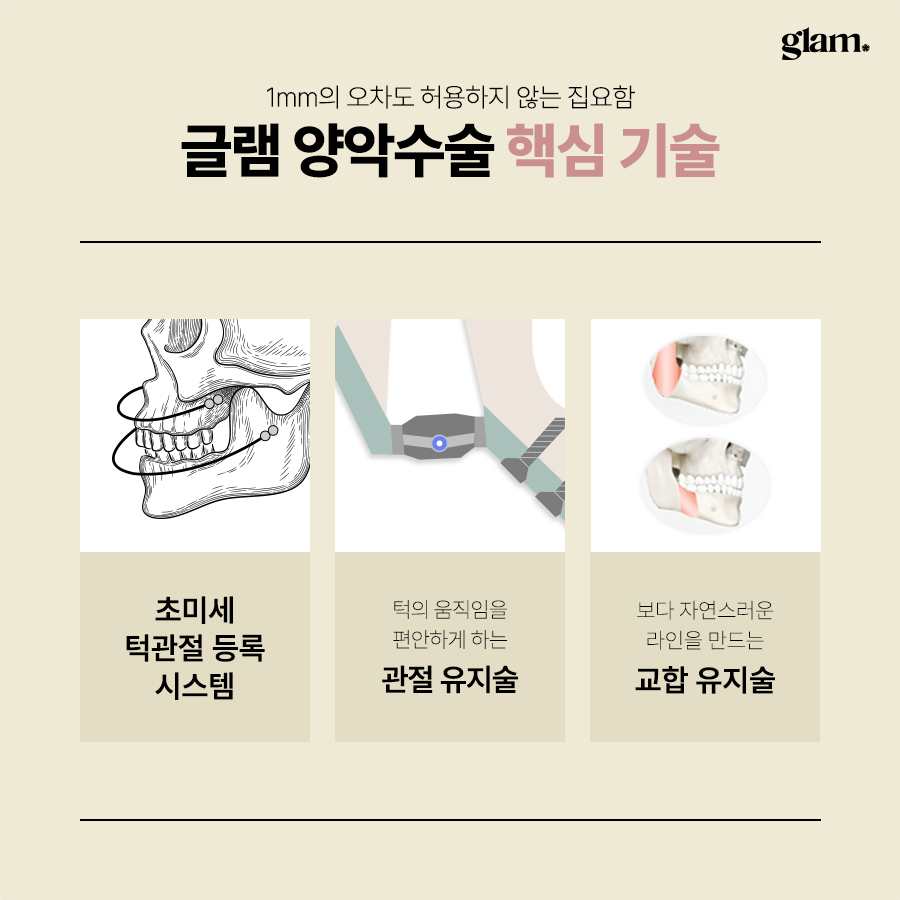
Double jaw surgery without long-term jaw wiring
Many people imagine that double jaw surgery always means having the jaws wired shut for weeks. Modern techniques can sometimes avoid long-term intermaxillary fixation.
In selected cases, the surgeon may use rigid fixation with plates and screws, allowing the patient to open and close the mouth earlier. Short-term elastic bands may still be used to guide the bite, but the jaw is not necessarily wired completely shut for a long period.

Whether this option is suitable depends on your bone structure, the amount and direction of jaw movement, bite stability, and healing. It is not guaranteed for everyone, but it can be considered during planning.
Flexibility with orthodontic treatment
Some patients need extensive pre- and post-surgical bite adjustment, while others may be able to shorten or simplify this stage.
Depending on the case, the surgeon may coordinate with your local bite specialist to decide whether full pre-surgical bite adjustment is necessary, or whether a surgery-first or modified approach is possible. In some situations, the need for long-term bite correction after surgery can also be reduced.
This must be evaluated individually. Factors include how misaligned the bite is, the condition of your existing bite, and how much the jaw bones need to move.
Preventing nose widening after upper jaw movement
When the upper jaw is moved, some patients worry the base of the nose may appear wider. The clinic reports using specific suture techniques around the nasal base as one approach to help reduce this change. Discuss the expected effects and variability of such techniques with your surgeon, since outcomes can differ between individuals.
These sutures aim to support the soft tissue so that the nose does not flare excessively after surgery. Results vary depending on your anatomy and the amount of upper jaw movement, but this technique is one of the ways the clinic tries to maintain natural nasal proportions.
Post-operative recovery and structured care
Typical recovery timeline
Recovery from double jaw surgery happens in stages:
First week: Swelling and bruising peak in the first few days. You will usually stay in Korea for monitoring, wound care, and guidance on diet and mouth hygiene. Soft or liquid food is common during this time.
Weeks 2–4: Swelling gradually decreases. Many patients can return to lighter daily activities, though they may still feel stiffness and fatigue. The face may look puffy, and it is too early to judge final results.
Months 2–3: Most visible swelling continues to settle. Jaw movement improves, and you can usually expand your diet based on the surgeon’s advice.
Months 6–12: Bone remodeling and final soft tissue adaptation continue. The face becomes more defined, and the final contour and profile are clearer.
Supportive post-op care programs
To support recovery, the clinic provides structured post-operative care tailored to facial bone surgery. This may include:
LED therapy to help with skin condition and mild inflammation.
Facial dome care to gently support swelling reduction and contour.
Skin reset programs to improve skin texture and comfort after surgery.
Radiofrequency lifting treatments at appropriate stages to support skin elasticity and help the face adapt smoothly to the new bone structure.
These treatments are supportive and do not replace proper surgical planning or the natural time needed for bone healing. They are intended to make the recovery period more comfortable and to help the face settle in a more refined way.
Preparing for surgery from overseas
Online consultation and pre-visit preparation
If you are considering traveling to Korea for celebrity-style double jaw surgery, it is helpful to prepare in advance.
Before your online consultation, you can:
Prepare clear front, side, and three-quarter facial photos with a neutral expression.
Collect any previous facial X-rays or three-dimensional scans if available.
List your main concerns: functional (chewing, jaw pain, speech) and aesthetic (profile, jawline, asymmetry).
Write down your medical history, including medications, allergies, and any previous surgeries.
During the online consultation, you can discuss whether you might be a candidate, what kind of changes are realistic, and how long you would need to stay in Korea. The clinic offers multilingual support, including English, Japanese, and Thai, which can make communication easier.
Questions to ask before deciding
Before you commit, it is wise to compare clinics and ask detailed questions, such as:
- Who will actually perform my surgery, and how experienced are they in facial bone procedures?
- How many double jaw surgeries does the clinic perform regularly?
- What imaging and planning systems are used for my case?
- Is long-term jaw wiring likely in my situation, or is an alternative possible?
- What kind of post-operative care is included during my stay in Korea?
- How long should I plan to remain in Korea after surgery for safe follow-up?
Instead of focusing only on cost, compare the surgeon’s focus area, planning process, anesthesia system, and aftercare program. These factors can strongly influence your experience and satisfaction.
Expected visit timeline in Korea
While individual plans vary, a typical overseas patient schedule may look like this:
Arrival and pre-op days: You arrive in Seoul and visit the clinic for in-person examination, updated imaging, and final planning. Blood tests and anesthesia assessment are also done. This may take one to two days.
Surgery day: You are admitted, undergo surgery, and stay in the clinic or a nearby facility as advised.
First week: You attend several follow-up visits for wound checks, swelling management, and guidance on diet and hygiene. Supportive treatments such as LED therapy may begin.
Second to third week: Additional follow-up visits are scheduled to monitor healing, adjust elastic bands if used, and continue swelling care.
Departure: Many overseas patients stay in Korea for about two to three weeks after surgery, but this can vary depending on your healing and travel distance.
Aftercare once you return home
When you return to your country, you will continue healing and gradually resume normal activities. The clinic may provide:
Guidelines for diet progression and jaw exercises.
Instructions for oral hygiene and scar care.
Advice on when to resume exercise and other physical activities.
Online follow-up consultations can be used to review your progress, check photos, and answer questions. If you are also receiving bite-related care in your home country, coordination between the teams can be helpful.

Managing expectations and limitations
Balancing desire for change with safety
Double jaw surgery can create noticeable changes in facial structure, but it is important to balance ambition with safety and long-term stability.
The clinic’s treatment philosophy is to propose only the necessary procedures. Rather than combining multiple bone surgeries or additional procedures simply to create a more dramatic transformation, the focus is on correcting the jaw position, improving function, and achieving natural harmony.
Common fears and how they are addressed
Looking unnatural: Careful planning of jaw position, chin length, and midface support helps maintain a natural look. The aim is to enhance your own features, not to create a face that looks out of place on your body.
Not being able to eat or speak for a long time: While the first days after surgery are challenging and diet is restricted, modern techniques and fixation methods can allow earlier jaw movement in many cases. The exact timeline depends on your case.
Too much pain or swelling: Swelling and discomfort are expected, but structured pain control, cooling, and post-op care programs help manage them. Most patients find that discomfort gradually improves over the first couple of weeks.
Regret about change: Thorough pre-operative consultation, realistic simulation, and clear communication about what will and will not change are essential. Taking time to think after consultation, rather than rushing into surgery, is strongly recommended.
Soft call to action
If you are considering celebrity-style double jaw surgery in Korea, an online consultation can be a practical first step. You can share your photos, explain your concerns, and receive an initial opinion on whether double jaw surgery is appropriate and what kind of changes may be realistic for you.
From there, you can compare different clinics, ask detailed questions about planning, anesthesia, and aftercare, and decide whether traveling to Sinsa, Gangnam for treatment matches your goals and schedule.
Frequently asked questions
What is the difference between normal double jaw surgery and celebrity double jaw surgery?
There is no separate medical procedure called celebrity double jaw surgery. The underlying operation is the same orthognathic surgery that repositions the upper and lower jaws to correct skeletal imbalance and bite problems.
The difference lies in the planning focus and aesthetic goals. Celebrity-style planning pays particular attention to facial balance from multiple camera angles, natural expressions, and proportions that look harmonious on screen. The goal is not to copy a specific celebrity but to apply similar principles of harmony and proportion to your own face.
Will I have to have my jaws wired shut after surgery?
Traditional double jaw surgery often involved long-term jaw wiring, but modern techniques can sometimes avoid this. In many cases, rigid fixation with plates and screws allows earlier jaw movement, and only elastic bands are used to guide the bite.
However, whether you can avoid long-term jaw wiring depends on your specific bone movements, bite stability, and healing. It is an option, not a guarantee. Your surgeon will explain what is safest in your case.
How long do I need to stay in Korea for double jaw surgery?
Patients traveling from abroad are often advised to plan for a stay of about two to three weeks for double jaw surgery to allow time for pre-operative tests, surgery, early recovery, and follow-up visits. The exact recommended duration depends on your individual case—confirm the clinic's guidance when planning your trip.
The exact duration depends on your condition, travel distance, and any combined treatments. During online consultation, you can discuss a more precise schedule based on your personal situation.

Can I really get celebrity-like results if my face is very different?
You cannot change your basic bone framework to become an exact copy of a celebrity, and it is not advisable to aim for that. What you can expect is improvement in jaw alignment, bite function, and overall facial harmony based on your own anatomy.
By carefully adjusting jaw position, chin length, and midface support, the surgeon can often create a more photogenic profile and smoother jawline, but the final look will still be uniquely yours. Individual results vary, and a detailed face-to-face consultation is essential to understand what is realistic.
Medical information notice
This article is for general information for international patients considering double jaw surgery in Korea. It does not replace a personal consultation, examination, or diagnosis by qualified medical professionals. Suitability for any procedure, including double jaw surgery and related techniques, must be determined individually after direct evaluation and discussion with the medical team.






댓글
댓글 쓰기