Best Facial Contouring Revision Clinic Guide Near Sinsa Station Gangnam
- 공유 링크 만들기
- X
- 이메일
- 기타 앱
Introduction: what “a really good place for facial contouring revision” means
They are looking for a place that is genuinely skilled in complex revision, not just a general cosmetic clinic.
For revision facial contouring, a truly suitable clinic is one that focuses only on facial bone surgery, has a surgeon with deep experience in facial skeleton anatomy, and offers an honest, careful approach rather than suggesting many extra procedures. Revision is more demanding than primary surgery, so the choice of clinic matters even more.
In this guide, you will find an overview of facial contouring revision surgery, how to decide if it may be appropriate for you, what to look for in a good revision clinic in the Sinsa area, and how a specialized facial bone center in Gangnam typically organizes consultation, surgery, and recovery for international patients.
What facial contouring revision surgery is
Facial contouring revision means secondary surgery on the facial bones after a previous procedure such as cheekbone reduction, jaw angle reduction, or V-line contouring. The goal is to correct problems that remain or newly appear after the first surgery.
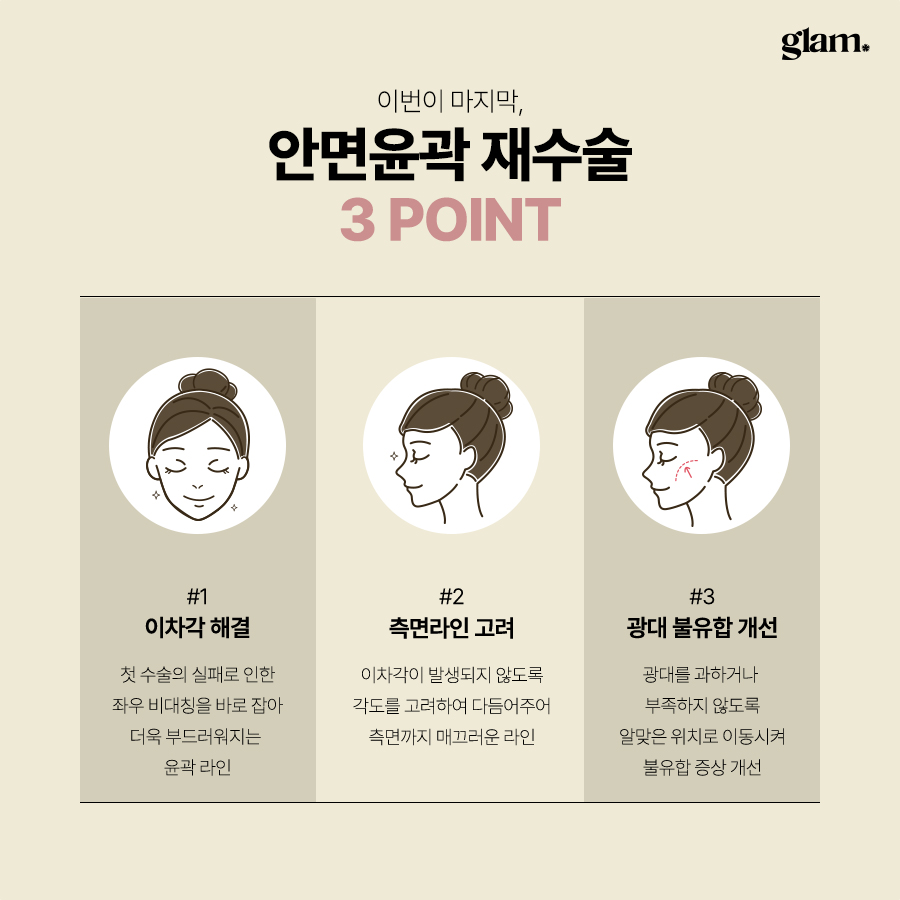
Common reasons people consider revision include persistent width in the jawline, a visible step or bump at the mandibular angle, sunken or flat cheeks from over-resection of the cheekbone, asymmetrical cheekbones, an unnatural V-line shape, or functional issues such as chewing discomfort or bite changes.
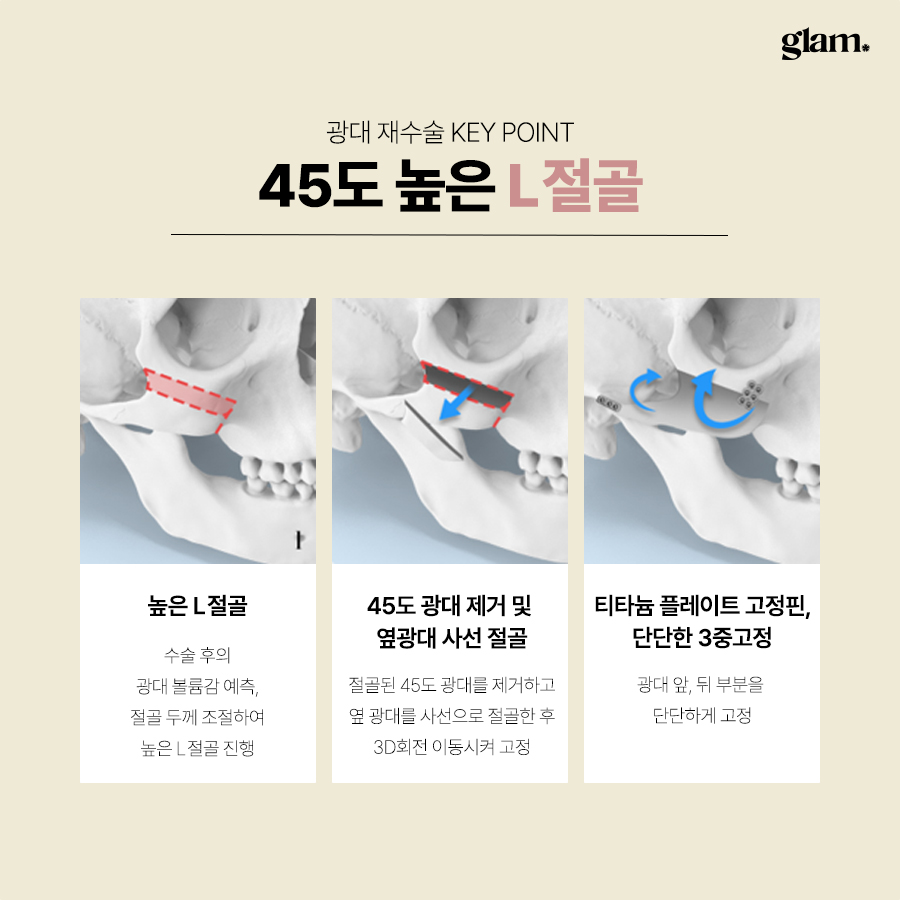
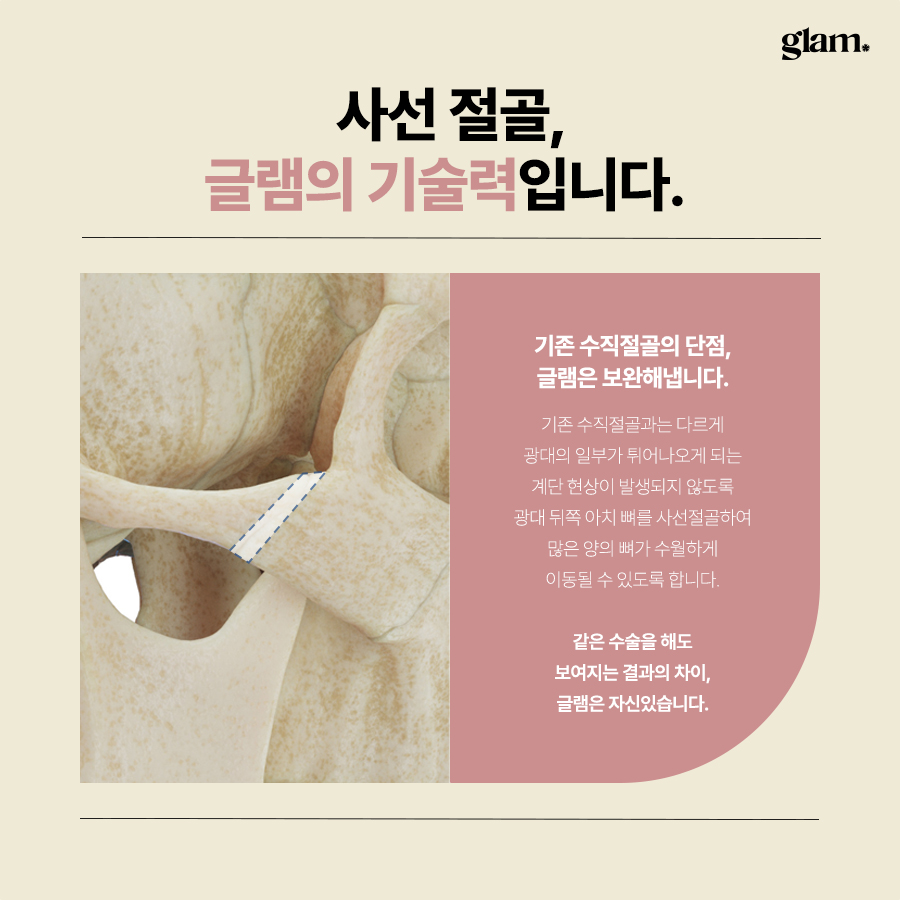
Unlike soft tissue procedures, these issues are related to the bone structure itself. Revision contouring often involves re-cutting, repositioning, or sometimes grafting bone to restore a more natural and balanced facial line while trying to protect function.
Why revision is more complex than first-time contouring
Revision facial contouring is not simply “doing the same surgery again.” After the first operation, the anatomy changes: there is scar tissue, altered blood supply, and reduced bone volume in some areas. These changes make it harder to predict how the tissues will respond and how much correction is realistically possible.
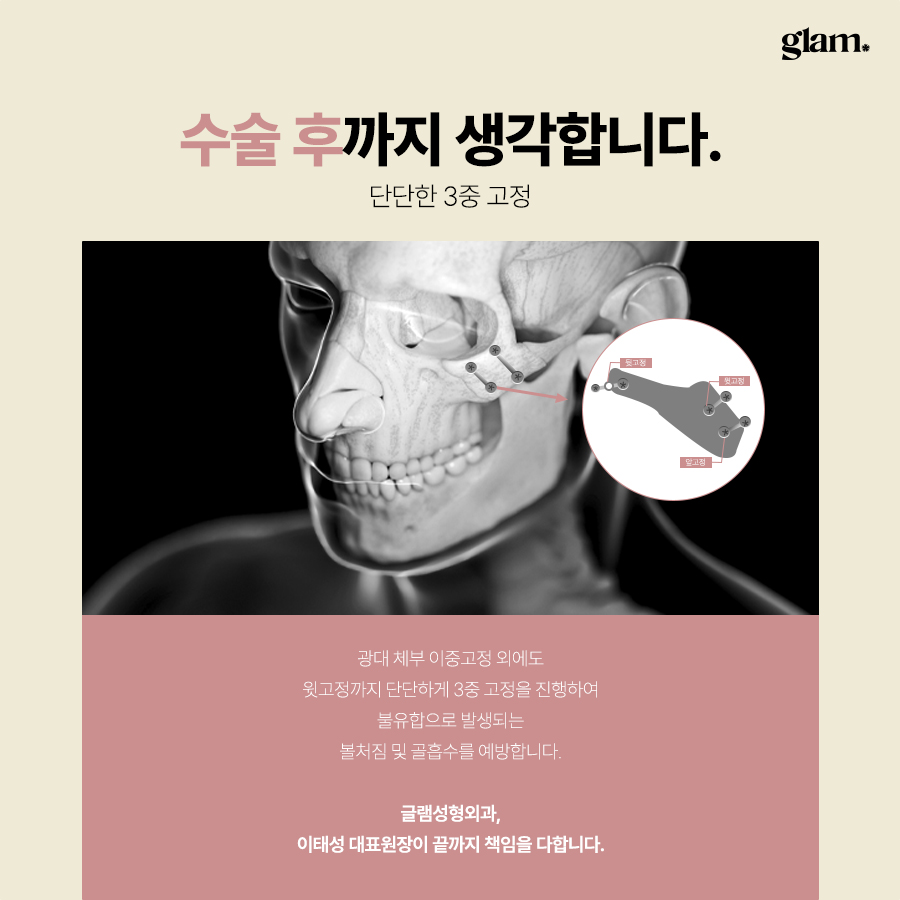
Scar tissue can make surgical access more difficult and increase the risk of bleeding or nerve irritation. Reduced bone volume limits how much additional bone can be removed, and sometimes requires bone grafting or repositioning instead of simple shaving. Nerves and joints may already have been stressed by the first surgery, so protecting function becomes even more important.
Because of this, revision should be planned and performed by a surgeon who routinely handles complex facial bone cases, not only simple primary contouring. A responsible clinic will also explain clearly that some issues cannot be completely reversed, and that the aim is improvement and better balance, not perfection.
Who may consider facial contouring revision
You may consider a consultation for facial contouring revision if you have had previous cheekbone, jaw angle, or V-line surgery and experience one or more of the following:
Persistent wide jawline or square appearance despite surgery.
A visible step or irregular line at the mandibular angle when viewed from the side or three-quarter angle.
Sunken, flat, or hollow cheeks after aggressive cheekbone reduction.
Asymmetrical cheekbones or jawline that make the face look tilted or unbalanced.
An overly sharp or narrow V-line that looks unnatural for your facial proportions.
Functional problems such as chewing discomfort, bite changes, or jaw joint discomfort after surgery.
Not everyone with mild dissatisfaction needs revision. In some cases, residual swelling, soft tissue adaptation, or minor asymmetry can improve over time or with non-surgical methods. A careful consultation with imaging is necessary to decide whether bone revision is appropriate or whether conservative management is better.
How a good facial contouring revision clinic in Sinsa is different
When you search for a good facial contouring revision clinic near Sinsa Station in Gangnam, you will see many general plastic surgery hospitals that offer a wide range of procedures. For revision bone surgery, it can be safer to choose a clinic that is more narrowly focused.
Key points to consider include:
Specialization in facial bone surgery
A strong sign is a clinic whose main lineup is limited to facial bone procedures such as double jaw surgery and facial contouring (cheekbone reduction, V-line, square jaw, and revision contouring). When a center does not handle eye, nose, breast, or body procedures, it indicates that most of its systems, staff training, and equipment are concentrated on facial bone work.
This kind of focus often means the surgeon is repeatedly dealing with similar anatomical areas and complications, which is especially important for revision cases where small details matter.
Surgeon credentials and experience
For revision contouring, the surgeon’s background is critical. Points to check include:
Board certification in plastic surgery.
Specific experience in facial bone surgery, including double jaw and contouring, over many years.
Training at major university hospitals and recognized medical centers.
Academic work, such as SCI-level publications on facial contouring and double jaw surgery, which can be an objective indicator that the surgeon studies and analyzes outcomes in a structured way.
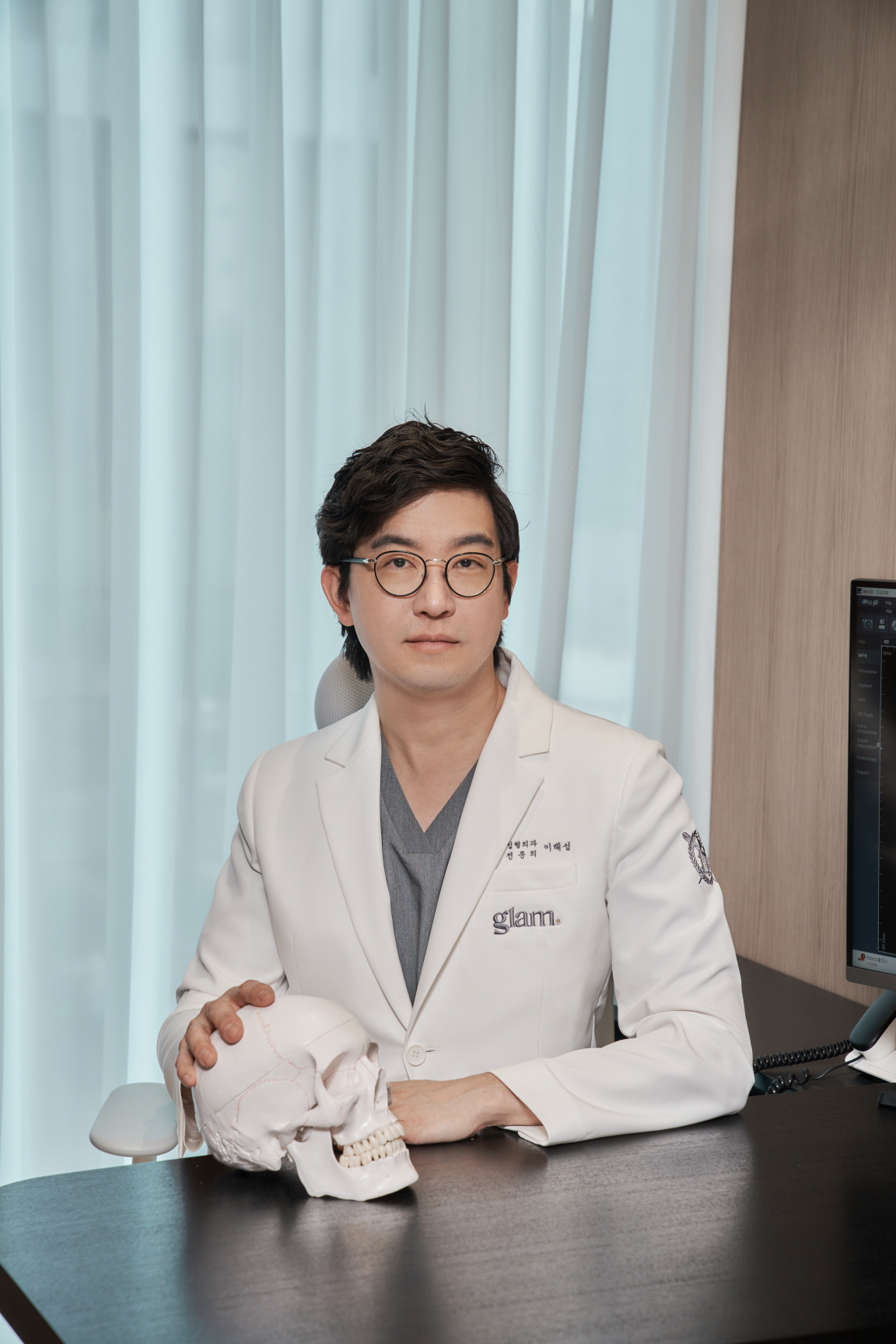
An experienced facial bone surgeon leads the center described here, with long-standing clinical and academic involvement in facial bone procedures. Specific institutional affiliations, training details and publication records are not provided in this guide; patients should verify a surgeon's credentials and track record directly with the clinic or through independent professional listings before making decisions.
This kind of background does not guarantee a specific result, but it shows long-term focus and a habit of analyzing surgical techniques and outcomes in detail.
Dedicated facial bone center near Sinsa Station
Some clinics in the Sinsa/Gangnam area describe themselves as facial bone–focused centers rather than general cosmetic hospitals. Exact locations, floor numbers, walking distances from stations and staffing models vary between clinics; confirm a specific clinic's address and team composition on its official website or public business listing before visiting.
Its lineup is limited to double jaw surgery and facial contouring procedures, including cheekbone reduction, V-line contouring, square jaw reduction, and revision contouring. It does not offer eye, nose, breast, or body procedures. This narrow scope is intended to keep the team’s attention and systems centered on bone surgery.
There is no mention of multiple operating surgeons. This stable, two-doctor system allows the same surgeon to handle all facial bone operations directly and the same anesthesiologist to manage anesthesia and perioperative care.
How revision contouring is planned at a specialized center
A clinic that offers a dedicated consultation category for facial contouring revision usually follows a more detailed process than for primary surgery.
First consultation and imaging
During the first visit or online consultation, the team will ask about your previous surgery: when and where it was done, what techniques were used if you know, and what problems you are currently experiencing. If you have previous imaging or operation records, these can be very helpful.
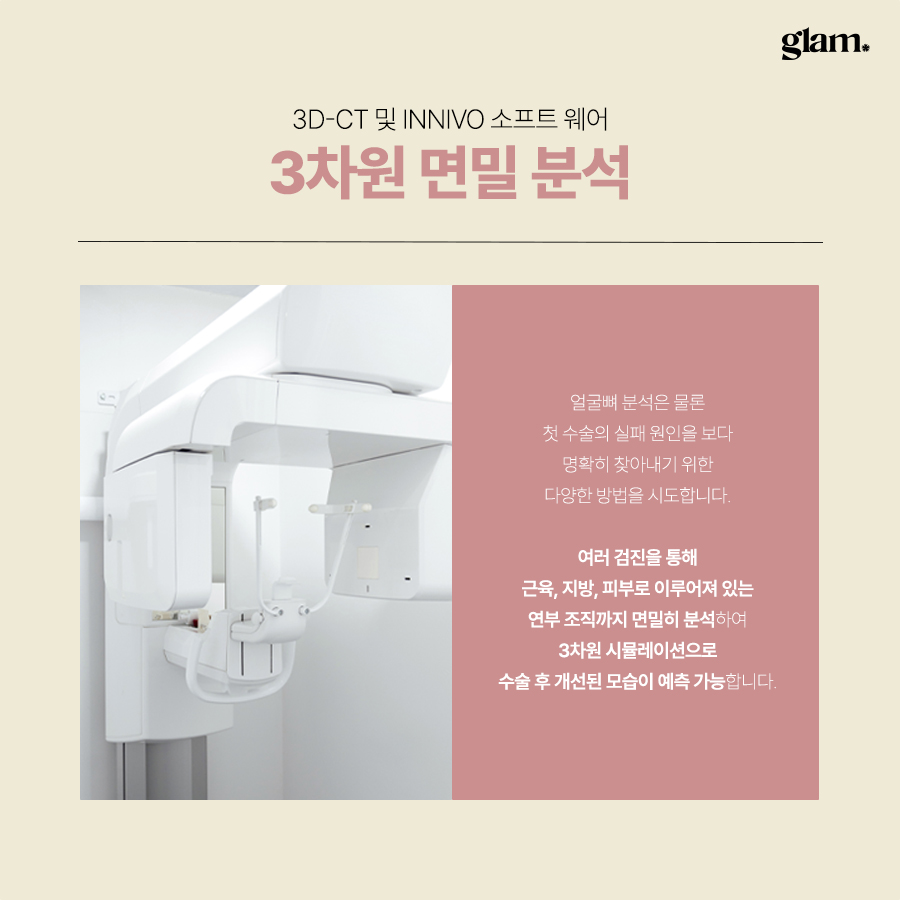
For in-person evaluation, detailed imaging is essential. This often includes facial CT and X-rays to check bone cuts, remaining bone volume, symmetry, joint position, and any irregularities such as step deformities. Clinical photos and physical examination complete the picture.
Analysis and realistic goal setting
Based on the imaging, the surgeon will analyze what is structurally possible. For example:
If the jaw angle is still wide, is there enough bone to safely reduce more, or is the shape mainly due to soft tissue?
If there is a step deformity, can it be smoothed by resection, or does it require repositioning or grafting?
If the cheekbones are too sunken, is bone grafting or repositioning needed to restore contour?
If the V-line is too narrow, is there a way to soften the line without compromising function?
A responsible revision clinic will explain not only what can be improved, but also what cannot be fully corrected. They will discuss possible trade-offs, such as a small amount of residual asymmetry or the need to prioritize joint and nerve safety over aggressive reshaping.
Minimum necessary surgery philosophy
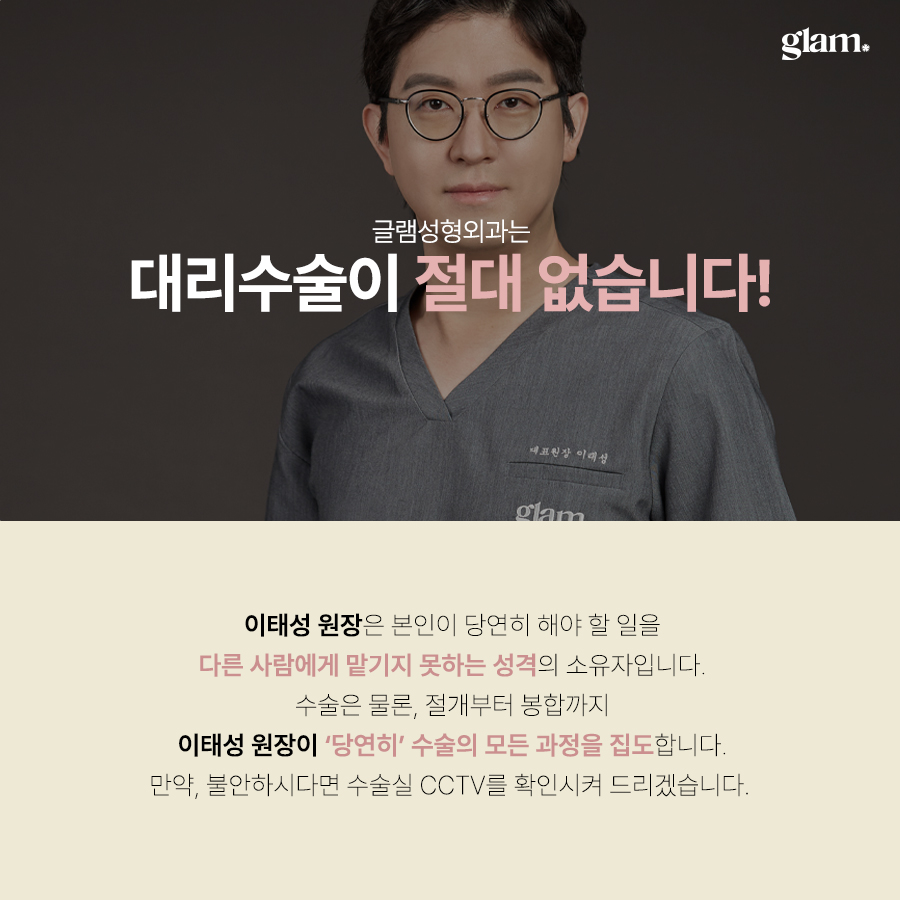
At the Sinsa-based facial bone center described above, the chief surgeon performs all facial bone surgeries directly, including revision cases, rather than delegating to junior doctors. The clinic emphasizes recommending only the minimum necessary surgery, focusing on structural changes that truly affect bone shape and facial balance.
This approach can be reassuring for patients who are worried about being pushed into multiple additional procedures. Instead of suggesting many extra soft tissue or unrelated cosmetic surgeries, the plan is built around what is structurally required to address the main problem.
Integration of double jaw and contouring experience
Because the clinic handles both double jaw surgery and facial contouring, it can consider occlusion, jaw joint function, and overall facial proportions together when planning revision. This is important if your previous surgery has affected your bite or if you have combined issues involving both the upper and lower jaw.
In some complex cases, revision may involve staged procedures or combined double jaw and contouring surgery. A center that is familiar with both can better coordinate these elements and monitor functional outcomes.
Safety and anesthesia for revision facial bone surgery
Revision facial contouring surgeries are often longer and more complex than primary operations. This makes anesthesia safety particularly important.
At the Sinsa facial bone center, a board-certified anesthesiologist is in charge of anesthesia and perioperative pain management. Having a dedicated anesthesiologist allows for:
Individualized anesthesia plans based on your health status, previous anesthesia experiences, and the expected duration and complexity of surgery.
Continuous monitoring of vital signs throughout the procedure.
Adjustments in anesthesia depth and pain control in real time.
This system can help reduce risks during bone surgery and improve comfort during the immediate postoperative period. Before surgery, you will usually have a pre-anesthesia evaluation to review medical history, medications, allergies, and any previous anesthesia issues.
Postoperative care and swelling management
After facial bone revision, swelling and recovery can be slower than after first-time surgery because of scar tissue and more complex manipulation. A structured postoperative care program can support healing, although it cannot replace time and natural recovery.
The Sinsa-based clinic provides several tools and programs aimed at swelling control and comfort:
LED therapy and gentle postoperative facial care are sometimes offered by clinics to support recovery after facial bone procedures. Device names, protocols and claimed benefits differ across providers; ask the clinic for evidence and an explanation of any specific therapies they propose.
SmartLux LED therapy uses specific light wavelengths to support skin condition and comfort after surgery. It is often used to help with local circulation and to create a more favorable environment for healing. It is not a miracle treatment, but a supportive measure that can be combined with other care.
Astrodom facial care
Astrodom facial care is used as a gentle facial management program after surgery. It focuses on cleansing and soothing the skin, which can feel sensitive after facial bone procedures. Sessions are usually timed according to your stage of recovery and the condition of your incisions.
Care7 Skin Reset total care
Care7 Skin Reset total care is a more comprehensive skin care program that may include steps for hydration, calming, and supporting skin barrier function. After revision surgery, the skin can react differently than after primary surgery, so programs like this are adjusted to your tolerance and healing progress.
High-frequency lifting with Oligio X
Oligio X is a high-frequency lifting device that can be used in later stages of recovery to support skin tightening and contour. It is not used immediately after bone surgery, but may be considered once basic healing is stable. It is framed as a supportive option for contour and skin quality, not a replacement for bone correction.
Throughout recovery, you can expect regular follow-up visits to monitor swelling, nerve status, joint function, and overall facial balance. The clinic will usually provide instructions on diet progression, oral hygiene if intraoral incisions were used, sleeping position, and activity restrictions.
Online consultation and pre-visit preparation for overseas patients
For international patients, it is often not possible to visit multiple clinics in person before deciding. Online consultation becomes an important first step.
What to prepare for online consultation
To make your online consultation more effective, prepare the following:
Clear front, side, and three-quarter photos in good lighting, both at rest and with a relaxed smile.
Any CT scans, X-rays, or medical reports from your previous surgery, if available.
The date and place of your previous surgery and any information you have about the technique used.
A short list of your main concerns, in order of priority (for example, right cheek asymmetry, step at left jaw angle, chewing discomfort).
During online consultation, ask specifically how the clinic approaches revision, what imaging they will require in Korea, and what kind of timeline they recommend for stay and recovery.
Multilingual support and communication
The Sinsa facial bone center offers multilingual channels in Japanese, English, and Thai, as well as social media such as Instagram, YouTube, and a KakaoTalk channel. These can help you understand the clinic’s philosophy and see explanations of procedures before you travel.
If English is not your first language, you can ask whether interpretation is available in your preferred language for in-person consultations and postoperative visits.
Expected Korea visit timeline for revision surgery
Each case is different, but a typical timeline for an overseas patient undergoing facial contouring revision in Seoul might look like this:
Day 1–2: In-person consultation and imaging. You meet the surgeon, have CT and X-rays taken, and discuss the plan in detail. Preoperative blood tests and anesthesia evaluation are also done.
Day 3–5: Surgery day, depending on scheduling. You are admitted for surgery and monitored afterward. Some clinics keep patients overnight; others may discharge the same day depending on the procedure and your condition.
First week: Early postoperative checks to monitor swelling, pain control, incision status, and any early complications. You may receive initial LED therapy or gentle care, depending on the clinic’s protocol.
Second week: Removal of external sutures if present, further swelling management, and adjustment of diet and activity instructions.
Third to fourth week: Additional follow-up before you return home, including review of imaging if needed and confirmation that your recovery is stable enough for air travel.
Many clinics recommend staying in Korea for at least 2 to 3 weeks after revision facial bone surgery, sometimes longer for very complex cases. This allows the team to manage early healing and address any issues promptly.
Aftercare once you return home
After you go back to your country, you will usually continue follow-up through online channels. The clinic may ask you to send photos or, if possible, local imaging at certain time points.
General aftercare points include:
Following dietary guidelines, often starting with soft foods and gradually returning to a normal diet.
Avoiding high-impact exercise and activities that strain the jaw for a period recommended by the surgeon.
Maintaining good oral hygiene if intraoral incisions were used, often with antiseptic mouthwash.
Monitoring for signs of infection, unusual pain, or changes in bite, and reporting them promptly.
Because healing after revision can take several months, it is important to keep expectations realistic and to stay in contact with the surgical team during this period.
Practical information: location and hours
Always confirm a clinic's current address, operating hours and contact details on its official website or by phone before booking an appointment, as this information can change.
The facial bone center introduced in this guide is located on the 4th floor of a building on Dosan-daero in Gangnam, approximately 200 meters from Sinsa Station Exit 1. This central location makes it relatively easy to access from major hotels and airports in Seoul.
Operating hours are typically weekdays from 10:00 to 18:30 and Saturdays from 10:00 to 16:00. The clinic is closed on Sundays and public holidays and does not have a lunch break, which can be convenient for scheduling consultations and follow-up visits.
What to look for and what to ask before deciding
Before you choose a facial contouring revision clinic, it can be helpful to prepare a checklist of questions:
How many revision facial contouring cases does the clinic handle per year, and what types (cheekbone, jaw angle, V-line, double jaw related)?
Will the same surgeon perform my surgery from start to finish?
What imaging will be done before surgery, and how will it be used in planning?
What are the main goals and limitations in my specific case?
Is there a dedicated anesthesiologist, and how is anesthesia managed for long surgeries?
What does the postoperative care program include, and how many follow-up visits are recommended before I return home?
How will follow-up be handled once I am back in my country?
By focusing on these practical points rather than only on photos or marketing phrases, you can better judge whether a clinic is well prepared to handle your revision safely and thoughtfully.
Frequently asked questions about facial contouring revision in Seoul
What makes a clinic suitable for facial contouring revision rather than just primary contouring?
A suitable revision clinic has a clear focus on facial bone surgery, a surgeon with long-term experience in contouring and double jaw procedures, and a system that includes detailed imaging, careful planning, and a dedicated anesthesiologist. It should also have a structured postoperative care program and be willing to explain limitations honestly, not just promise dramatic changes.
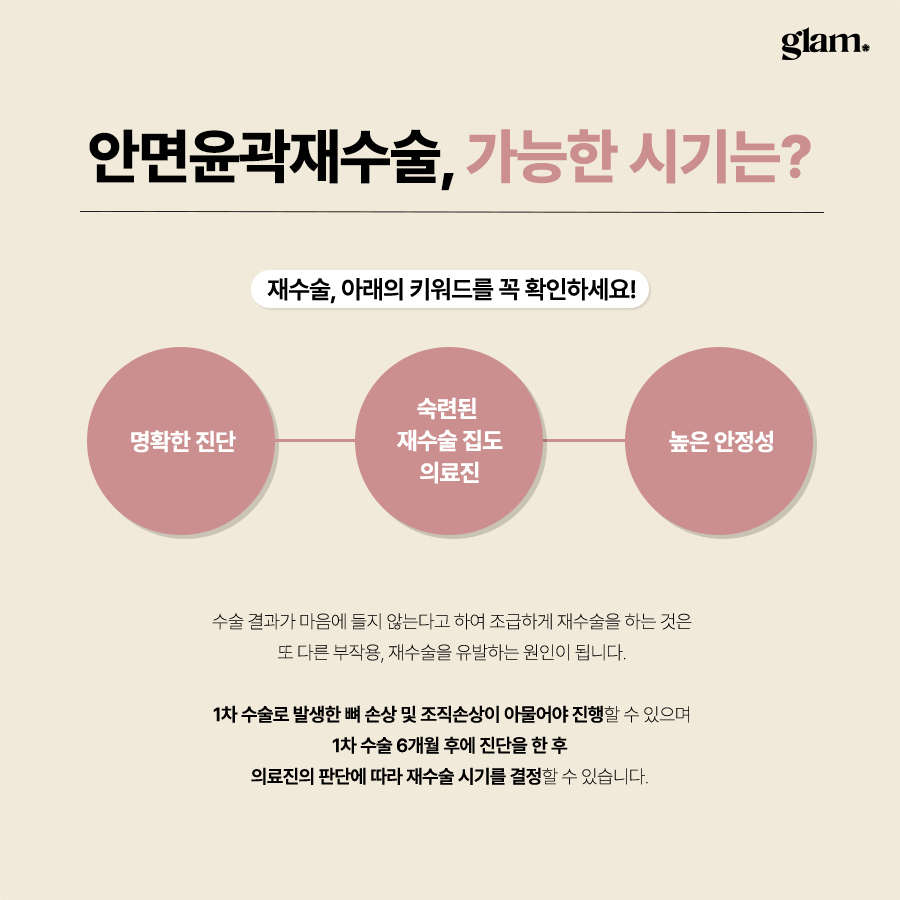
How long should I wait after my first facial contouring surgery before considering revision?
This allows swelling to settle and tissues to stabilize, so the true result can be assessed. However, if there are serious functional issues or clear structural problems, an earlier evaluation may be appropriate. The exact timing should be decided after consultation with a facial bone specialist.

Is facial contouring revision more risky than first-time surgery?
Revision can carry higher risks because of scar tissue, altered anatomy, and reduced bone volume. There may be a higher chance of nerve irritation, prolonged swelling, or limited correction compared to primary surgery. Choosing a clinic with strong experience in revision and a careful, conservative approach can help manage these risks, but they cannot be completely eliminated. Individual risk should be discussed with your surgeon.
How long do I need to stay in Korea for revision facial contouring?
For most revision facial bone surgeries, a stay of at least 2 to 3 weeks in Korea is commonly recommended. This allows time for preoperative imaging and planning, surgery, early recovery, and several follow-up visits. Very complex cases may benefit from a longer stay. Your exact schedule will depend on your procedure and healing speed, so it is important to discuss this during online consultation.
Soft call to action for online consultation
If you are considering facial contouring revision in Seoul, an initial online consultation can be a practical first step to discuss your case and learn about options. Use secure channels to share photos, verify the clinic and surgeon credentials in advance, and understand that an online assessment may recommend an in-person evaluation. Consider obtaining a second opinion if you have concerns about previous surgery or proposed revisions.
If you are considering facial contouring revision in Seoul and want to know whether your case is suitable for surgery, an online consultation with a facial bone–focused center near Sinsa Station can be a practical first step. By sharing your photos, previous records, and main concerns, you can receive a more personalized explanation of possible options, expected recovery, and recommended timeline for visiting Korea.
This article is intended for general information only and does not replace a professional medical consultation. Individual conditions vary, and decisions about surgery should always be made after direct evaluation and discussion with qualified medical staff.




- 공유 링크 만들기
- X
- 이메일
- 기타 앱


댓글
댓글 쓰기