Best Double Jaw Surgery Clinic in Seoul: How to Choose a Safe, Specialized Center
- 공유 링크 만들기
- X
- 이메일
- 기타 앱
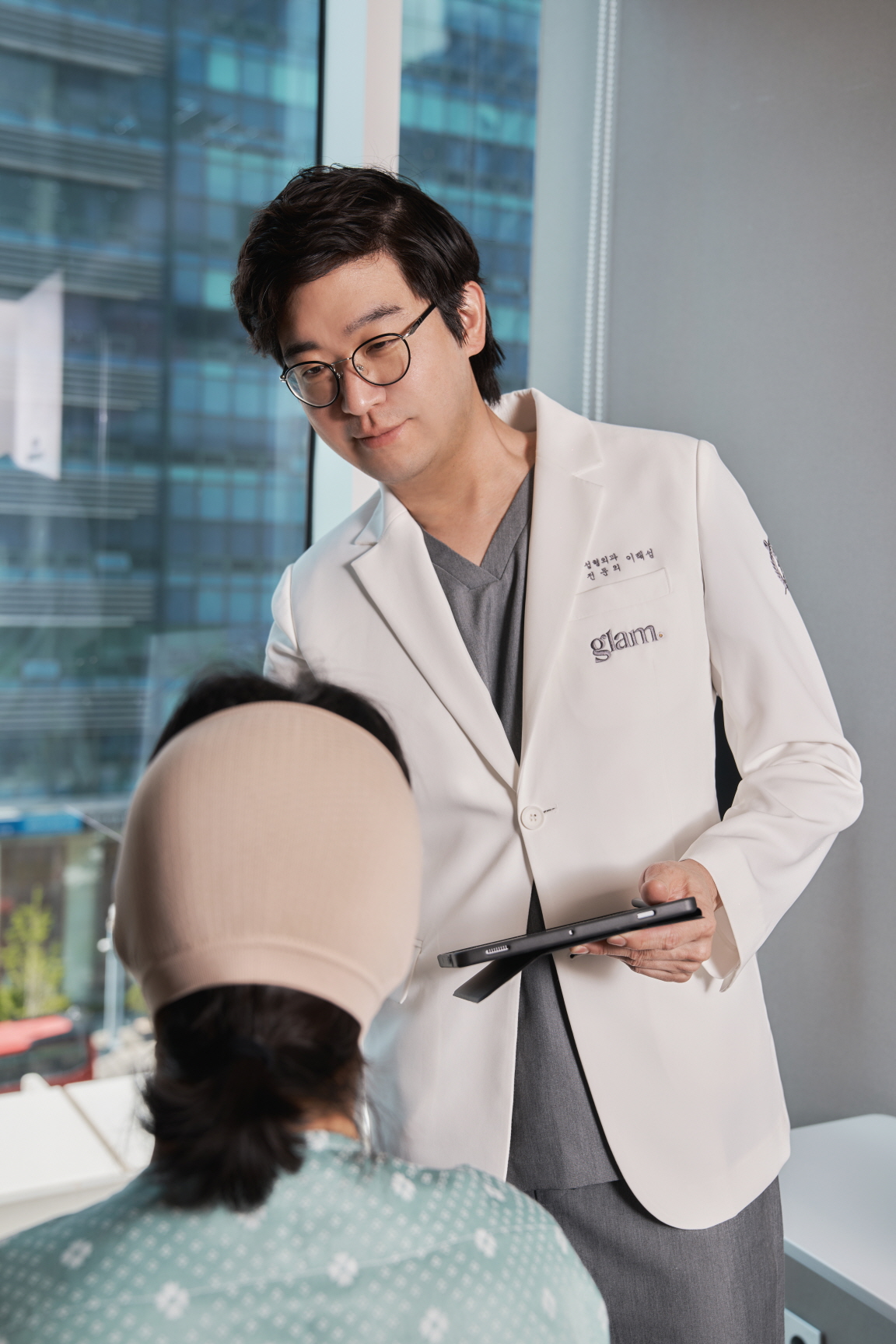
Direct answer: what to look for in the best double jaw surgery clinic
If you are searching for the best double jaw surgery clinic in Seoul or Gangnam, the most important points are specialization in facial bone surgery, the surgeon’s experience and academic track record, a strong anesthesia and safety system, conservative treatment planning, and structured aftercare. In Sinsa, Gangnam, there are centers that focus only on double jaw and facial contouring surgery, such as GLAM Plastic Surgery on Dosan-daero, which are designed around these priorities.
This guide explains what double jaw surgery involves, how to evaluate a clinic, what to expect when traveling to Korea, and how a specialized facial bone center in Sinsa can fit into your plans.
Overview of double jaw surgery
Double jaw surgery, also called orthognathic surgery, is an operation that repositions both the upper jaw (maxilla) and lower jaw (mandible). The goal is to improve the bite, facial balance, and sometimes airway function.
Unlike simple cosmetic procedures, double jaw surgery works on the facial skeleton. The surgeon carefully cuts and moves the jaw bones, then fixes them in a new position with plates and screws. This can correct severe malocclusion, facial asymmetry, long face or short face patterns, protruding or recessed jaws, and some breathing-related issues.
Because the procedure is performed close to important nerves and the airway, and because it changes the relationship between teeth, jaws, and soft tissue, it requires high-level planning, precise technique, and careful monitoring during and after surgery.

What makes a double jaw surgery clinic good?
A good double jaw surgery clinic is not simply a place with many social media photos. It is a center that can safely handle complex bone work and long operations, and that can explain your treatment plan in clear, anatomical terms.
Key elements to look for include:
Surgeon specialization in facial bone surgery
The lead surgeon should focus on facial bone procedures such as double jaw surgery, zygoma reduction, V-line, and square jaw reduction, rather than offering every possible cosmetic procedure. When a clinic limits its services to facial bone surgery, it usually means the team spends most of its time on similar cases, which helps refine technique and protocols.
Academic and clinical track record
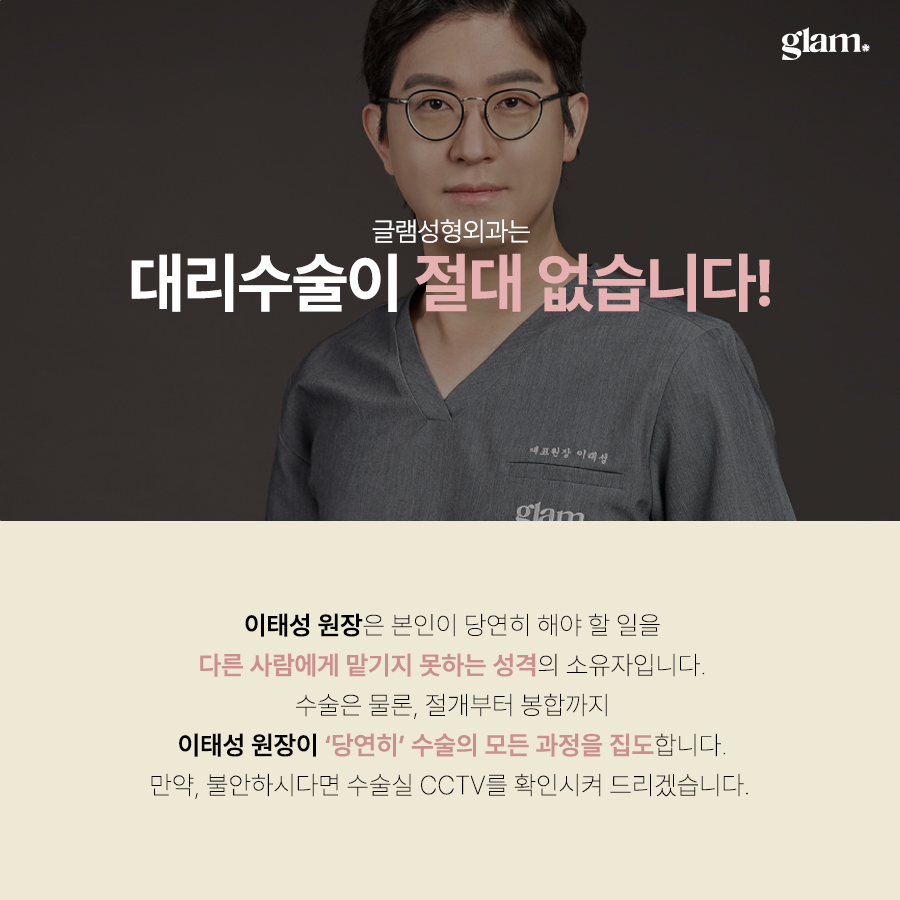
He trained at Seoul National University College of Medicine, at Seoul National University Hospital, and at Samsung Medical Center, with additional training at the University of Washington Medical Center in Seattle.
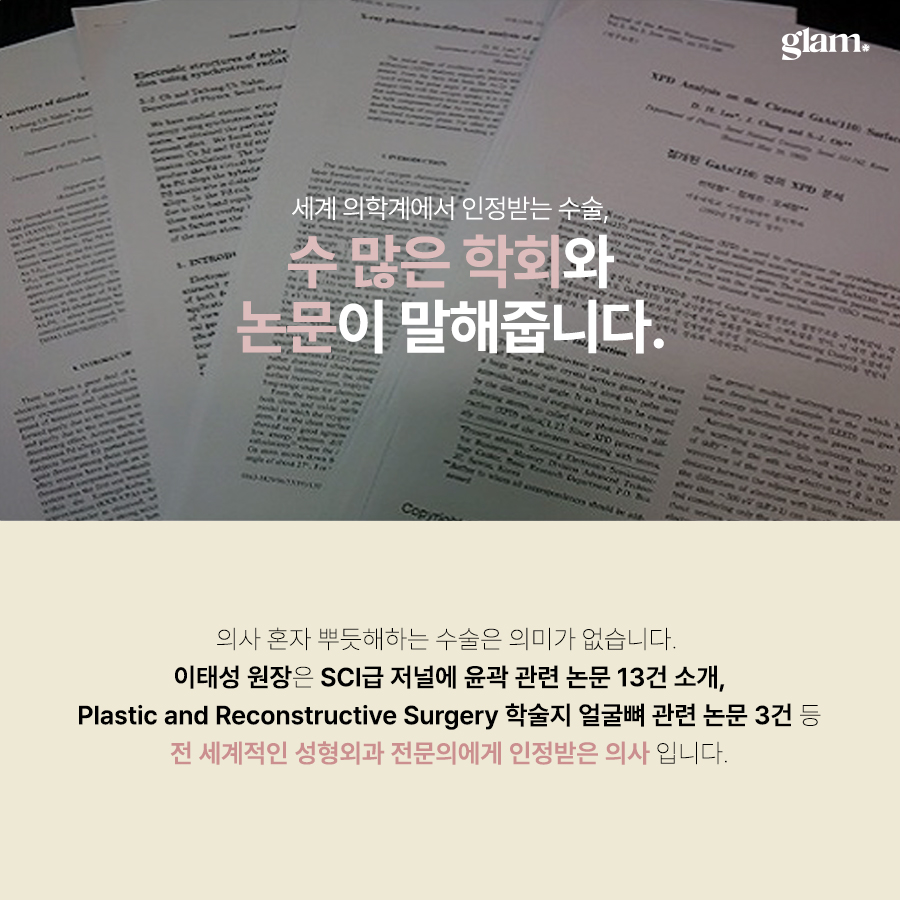
As of February 2025, this surgeon has authored 13 SCI-level papers as first or corresponding author in the field of contouring and double jaw surgery, including 3 papers in the journal Plastic and Reconstructive Surgery. This does not guarantee results, but it shows ongoing research, peer review, and commitment to evidence-based practice.
In-house anesthesiology and safety system
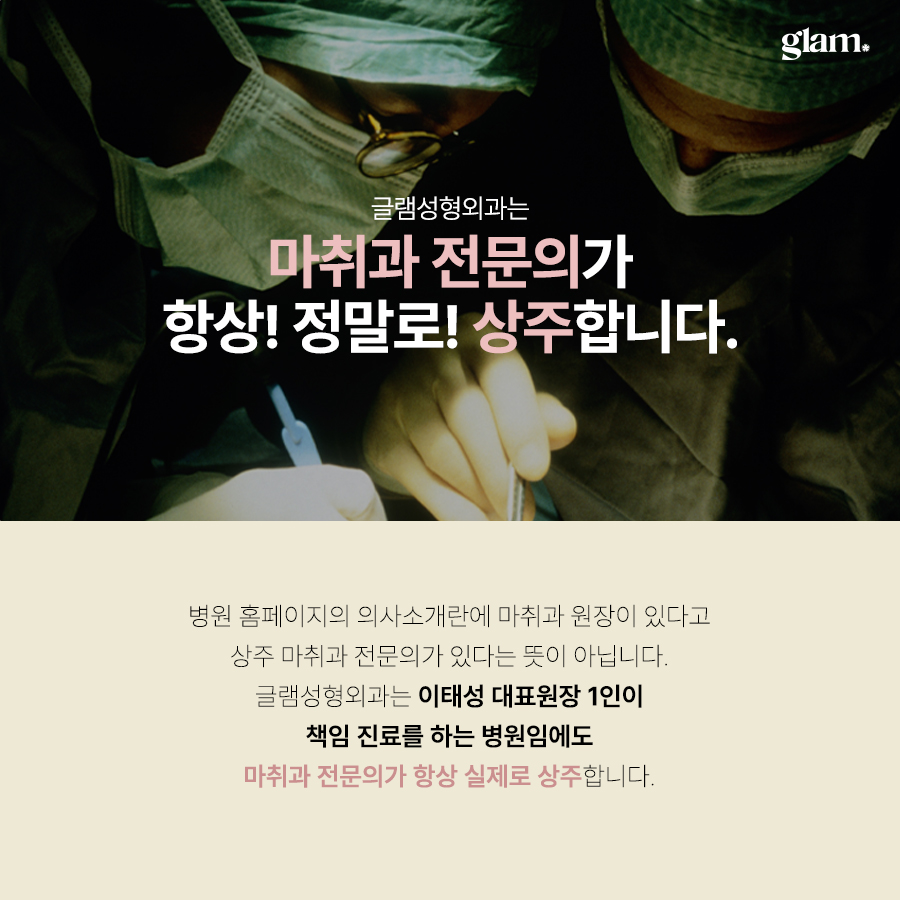
Double jaw surgery is long and technically demanding. Safe anesthesia is just as important as the surgical technique. A strong clinic will have a dedicated anesthesiology and pain medicine specialist responsible for anesthesia and pain management, rather than relying on rotating or non-specialist staff.
Continuous monitoring of blood pressure, heart rate, oxygen levels, and breathing during surgery allows the anesthesiologist to respond quickly to any changes. This setup is designed to reduce anesthesia-related risks and support a safer overall experience.
Detailed pre-operative evaluation
Before surgery, you should expect a thorough assessment: medical history review, facial photographs, X-rays, 3D CT scans when indicated, and bite analysis. The surgeon should explain how your jaw position, facial proportions, and airway relate to your symptoms and goals.
Structured post-operative care
After double jaw surgery, swelling, bruising, and stiffness are common. A good clinic will offer a structured recovery program, such as LED therapy, facial dome care, total skin reset programs, and radiofrequency lifting, to support healing and help manage swelling. These are supportive measures, not replacements for proper surgery and follow-up.
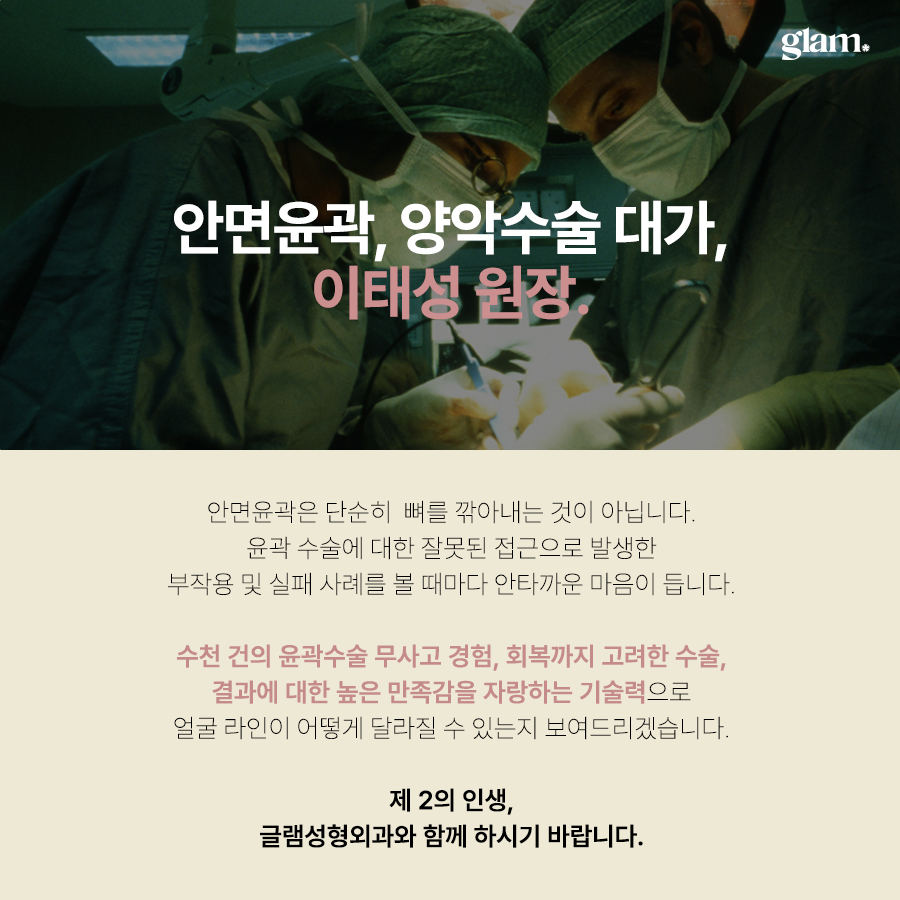
Why a facial bone–only center matters
Many general plastic surgery clinics offer a wide range of procedures: eyes, nose, breast, body contouring, and more. In contrast, a facial bone–only center focuses on a narrow field: double jaw surgery, revision double jaw surgery, zygoma reduction, V-line, square jaw reduction, and revision facial contouring.
This focused lineup has several advantages:
Concentrated experience
When most of the clinic’s cases are facial bone surgeries, the team gains deep experience with similar patterns of asymmetry, bite problems, and facial shapes. Over time, this helps them anticipate typical challenges and refine techniques for bone cutting, fixation, and soft tissue handling.
Refined protocols and teamwork
Nurses, coordinators, and the anesthesiologist become very familiar with the flow of double jaw and contouring surgeries. From pre-op fasting instructions to intraoperative positioning and post-op monitoring, the whole system is built around one type of surgery rather than many different procedures.
Depth over breadth
A center that does not offer eye, nose, or body procedures is less likely to push combined surgeries just for cosmetic upselling. Instead, the focus is on structural correction of the jaws and facial bones, with additional procedures considered only when clearly indicated.
Surgeon background and academic track record
When comparing clinics, it is reasonable to ask about the surgeon’s training and academic work, especially for complex bone surgery.
Training and experience
The training path includes Seoul National University College of Medicine, residency at Seoul National University Hospital, and specialization at Samsung Medical Center, followed by overseas training at the University of Washington Medical Center in Seattle.
This type of background suggests exposure to a wide range of jaw and facial bone cases, collaboration with other specialists, and familiarity with international standards of care.
Academic publications
SCI-level journals use peer review, which means other experts in the field have evaluated the research before publication.
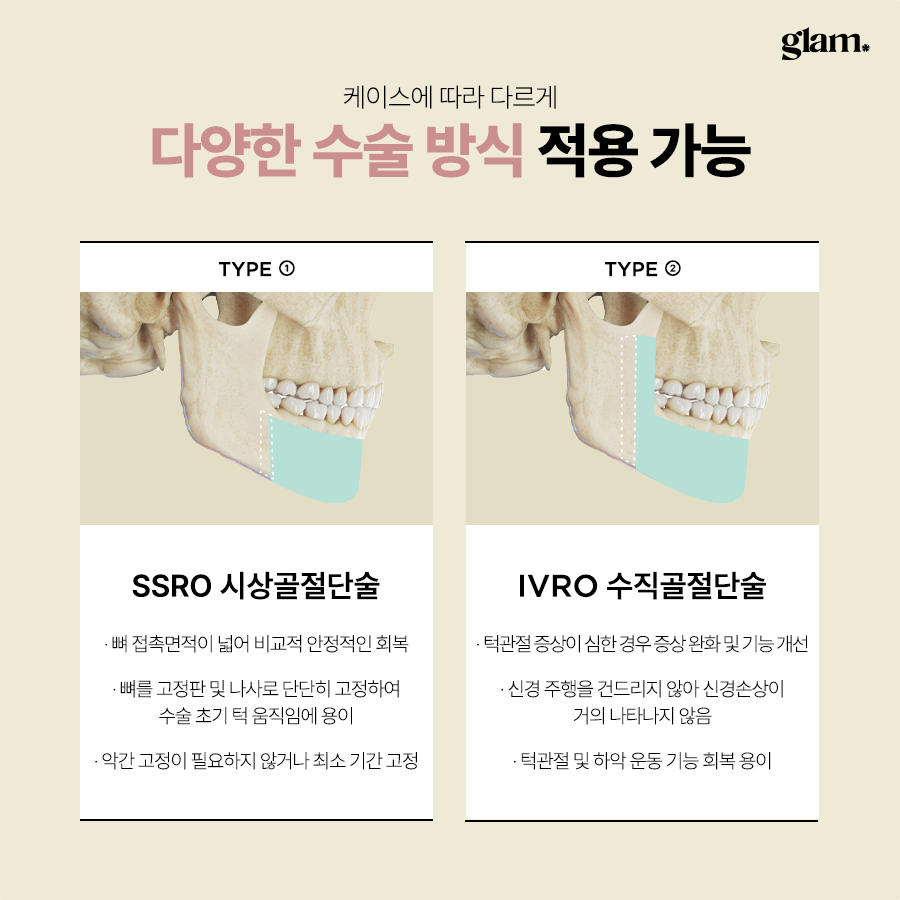
Academic output is not a promise of outcome, but it indicates that the surgeon is actively studying topics such as bone stability, relapse, nerve safety, and aesthetic outcomes, and is willing to have their methods examined by peers.
Safety system and dedicated anesthesiologist
For overseas patients, it is natural to worry about safety when having major surgery far from home. An important question to ask any clinic is who will handle your anesthesia.
Role of a dedicated anesthesiologist
This specialist plans the anesthesia based on your health status, monitors you throughout the operation, and manages your recovery in the immediate post-op period.
Continuous monitoring
During double jaw surgery, your vital signs are monitored in real time. The anesthesiologist adjusts medications and fluids to keep you stable and comfortable. If any change occurs in breathing or circulation, they can respond immediately.
This system is designed to reduce anesthesia-related complications and support a safer surgical experience, especially in long operations like double jaw and combined facial contouring.
Conservative planning: only the surgery you actually need
Many patients worry about being pushed into unnecessary additional procedures, such as extra contouring or nose surgery, when they mainly want functional and structural correction.
Minimum necessary surgery philosophy
A conservative approach means recommending only the procedures that are truly needed to address your bite, facial balance, and structural issues. At a single-focus facial bone center, the priority is to correct the jaw position and facial skeleton. Additional procedures are considered only when there is a clear anatomical reason.
How planning is done
Planning usually includes clinical examination, imaging, and bite analysis. The surgeon should explain:

- Where your upper and lower jaws are positioned now
- How this affects your bite, profile, and facial symmetry
- What bone movements are planned and why
- Whether double jaw surgery alone is enough, or if limited additional contouring is advisable
You should feel free to ask for before-and-after simulations, but also for clear, non-technical explanations. If a clinic cannot justify each recommended procedure in concrete anatomical terms, it is reasonable to seek another opinion.
Technical features: fixation, orthodontics, and nose shape
Modern double jaw surgery includes several technical options that can improve comfort and aesthetic control, depending on the individual case.
Double jaw surgery without intermaxillary fixation
Traditionally, patients had their jaws wired shut for several weeks after surgery, a method called intermaxillary fixation. In many modern cases, rigid fixation with plates and screws allows the surgeon to avoid full intermaxillary fixation.
When possible, double jaw surgery without intermaxillary fixation allows earlier mouth opening, easier speaking, and more comfortable eating of soft foods. However, this is not suitable for every patient. The decision depends on bone stability, bite correction, and the surgeon’s judgment.
Possibility of omitting pre-surgical orthodontics
Some patients may be able to have double jaw surgery without long pre-surgical orthodontic treatment, or with reduced orthodontic time. This depends on factors such as:
- Existing alignment of the teeth
- Severity and type of malocclusion
- Amount and direction of jaw movement needed
In selected cases, the surgeon and collaborating orthodontist may design a plan that shortens or omits pre-surgical orthodontics. This must be decided individually, and it is important not to force a shortcut if it would compromise bite stability or long-term function.
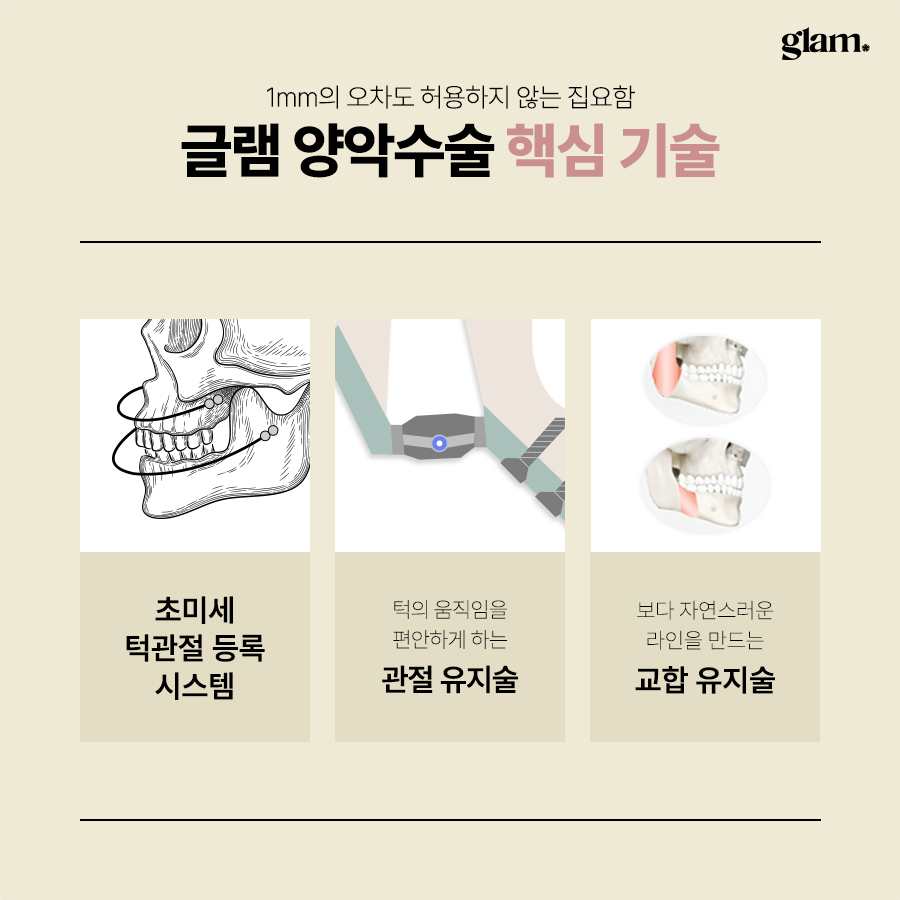
Suture techniques to minimize nasal widening
When the upper jaw is moved forward or upward, the base of the nose can widen. Many patients worry about this change. Some surgeons use specific suture techniques around the nasal base and alar region to help reduce the degree of nasal widening after surgery.
These techniques cannot completely control every soft tissue response, but they are part of a detailed approach to preserving or improving nasal shape while correcting the jaws.
Post-operative care and swelling management
Recovery after double jaw surgery is gradual. Common experiences include swelling, bruising, stiffness in the jaw muscles, and temporary numbness around the lips and chin.
Structured aftercare programs
A specialized facial bone center may offer:
- LED therapy to support skin recovery and reduce inflammation
- Facial dome care to help manage swelling and improve circulation
- Total skin reset programs to care for the skin as the face changes shape
- Radiofrequency lifting treatments aimed at helping with residual swelling and skin tightening over time
These treatments are supportive. They do not replace careful surgical technique, proper fixation, or medical follow-up, but they can make the recovery period more comfortable and help you feel more at ease with the changes in your face.
Your role in recovery
You will receive instructions about diet, oral hygiene, sleeping position, activity level, and follow-up visits. Following these guidelines, attending all scheduled check-ups, and reporting any unusual symptoms such as fever, severe pain, or breathing difficulty promptly are essential for safe healing.
Who may consider double jaw surgery
Double jaw surgery is not for everyone. It is usually considered when there is a clear structural problem that cannot be solved with minor procedures.
Typical indications include:
- Severe malocclusion that cannot be corrected with braces alone
- Facial asymmetry, such as one side of the jaw being longer or lower
- Protruding or recessed jaws causing functional or aesthetic concerns
- Difficulty chewing or chronic jaw strain linked to jaw position
- Some airway-related issues associated with jaw structure
A thorough pre-operative evaluation is necessary. This includes medical history, imaging, bite analysis, and sometimes coordination with an orthodontist or other specialists. Final candidacy and exact surgical planning can only be decided after an in-person consultation.
Online consultation and pre-visit preparation
For overseas patients, the first step is usually an online consultation. This helps you understand whether you are a potential candidate and what kind of stay in Korea you might need.
What to prepare for online consultation
- Clear front, side, and three-quarter facial photos
- Photos of your bite from the front and sides with teeth gently closed
- Any previous X-rays or CT scans, if available
- Information about your medical history, medications, and previous surgeries
During the online consultation, you can discuss your main concerns, ask whether double jaw surgery is likely to help, and get a rough idea of the treatment plan and expected timeline. Clinics like GLAM Plastic Surgery offer multilingual support, including English, Japanese, and Thai, which can make communication easier.
Questions to ask before you decide
Who will be my main surgeon, and what is their experience with double jaw surgery and revision cases?
Is there a dedicated anesthesiologist, and how is anesthesia managed?
What imaging and planning tools are used before surgery?
What is the expected length of stay in Korea, and how many follow-up visits are needed?
What kind of post-operative care and emergency support are available?
Expected Korea visit timeline for double jaw surgery
Every case is different, but many overseas patients follow a similar pattern when coming to Seoul for double jaw surgery at a center in Sinsa, Gangnam.
Typical visit outline
Pre-visit: Online consultation, submission of photos and medical information, and tentative planning.
Day 1–2 in Korea: In-person consultation, physical examination, detailed imaging (X-rays, 3D CT if needed), and final surgical planning. Pre-operative tests such as blood work and ECG may be performed.
Day 3–4: Surgery day, followed by close monitoring in the clinic. You may stay overnight depending on the clinic’s policy and your condition.
First 1–2 weeks: Frequent follow-up visits for wound checks, band changes, and early aftercare such as LED therapy and swelling management. This is the most intense recovery period.
Weeks 3–4: Continued recovery with less frequent visits, focusing on diet progression, jaw exercises, and additional skin or swelling care.
Some overseas patients plan to stay in Korea for around 3–4 weeks after double jaw surgery, but the exact duration varies by case; confirm your estimated post-operative stay with the clinic based on your health, home support, and travel considerations.
Aftercare once you return home
When you return to your country, you will still be healing. The clinic should provide:
- Written instructions about diet, activity, and oral care
- Guidance on what symptoms are normal and what requires urgent attention
- A schedule for remote follow-ups, such as photo or video check-ins
You should also arrange local medical support in case of general health issues. For jaw-specific concerns, you may continue to communicate with your Seoul clinic by email or messaging apps.
Visiting a double jaw specialist in Sinsa, Gangnam
Sinsa in Gangnam is a central, easily accessible area of Seoul, well known for medical and aesthetic clinics. GLAM Plastic Surgery is located on Dosan-daero, about 200 meters on foot from Sinsa Station Exit 1, which makes it convenient for both local and international patients.
Nearby, you will find hotels, serviced apartments, cafes, and pharmacies, which can make a longer recovery stay more comfortable. Many international patients appreciate being able to walk to the clinic for follow-up visits without long travel times.
Soft call to action
If you are considering double jaw surgery or revision double jaw surgery in Seoul, an online consultation with a specialized facial bone center in Sinsa, Gangnam can be a practical first step. By sharing your photos and medical history, you can receive a personalized, realistic assessment and a clearer idea of your treatment options, expected recovery, and required length of stay in Korea.
Frequently asked questions
How do I know if I really need double jaw surgery and not just simple contouring?
Double jaw surgery is usually recommended when there is a structural problem with the upper and lower jaws that affects your bite, facial balance, or airway. Simple contouring works on the outer shape of the jawbone but does not change the relationship between the jaws and teeth. If your main issues are malocclusion, significant asymmetry, or functional problems such as chewing difficulty, an in-person evaluation with imaging and bite analysis is needed to decide whether double jaw surgery is more appropriate than contouring alone.
Is it safe to have double jaw surgery at a private clinic instead of a large hospital?
Safety depends less on the building size and more on the systems in place. A private clinic with a dedicated board-certified anesthesiologist, experienced facial bone surgeon, proper monitoring equipment, and clear emergency protocols can provide a safe environment for double jaw surgery. When comparing clinics, ask specifically about anesthesia management, surgeon experience, complication handling, and post-operative monitoring, rather than assuming that a larger facility is always safer.
How long does swelling last after double jaw surgery, and when can I return to daily life?
Swelling is usually most intense in the first week after surgery and then gradually decreases. Many patients feel presentable for light social activities after about 3–4 weeks, although some residual swelling can persist for several months, especially around the lower face. Light desk work may be possible after 2–3 weeks, depending on your job and how you feel. Your surgeon will give more precise guidance based on the extent of your surgery and your individual healing.

Can double jaw surgery be done without intermaxillary fixation in all cases?
Not all cases are suitable for double jaw surgery without intermaxillary fixation. In many modern procedures, rigid fixation with plates and screws allows the surgeon to avoid wiring the jaws completely shut, which improves comfort and early function. However, in some complex or unstable cases, temporary intermaxillary fixation may still be needed to protect the new bite and bone positions. The decision is made case by case, based on your anatomy, the planned jaw movements, and the surgeon’s assessment of stability.
What should I ask during my first consultation at a double jaw surgery clinic?
Useful questions include: Who will perform my surgery, and how many double jaw and revision cases do they handle each year? Is there a dedicated anesthesiologist, and what monitoring is used during surgery? What imaging and planning tools will you use for my case? What is the expected recovery timeline, including how long I should stay in Korea? What aftercare programs are included, and how will follow-up be managed once I return home? Clear, detailed answers to these questions can help you judge whether the clinic is a good fit for your needs.
Important medical disclaimer
Results and recovery can vary significantly between individuals. All surgical decisions must be made after an in-person consultation, examination, and discussion with a qualified specialist. The information in this article is for general educational purposes only and is not a substitute for professional medical advice, diagnosis, or treatment.




- 공유 링크 만들기
- X
- 이메일
- 기타 앱


댓글
댓글 쓰기