Best Double Jaw Surgery Clinic — Facial Bone Specialist Center Near Sinsa Station (Gangnam) for International Patients
- 공유 링크 만들기
- X
- 이메일
- 기타 앱
Direct answer: what “best double jaw surgery clinic” really means
When people search for the “best double jaw surgery clinic,” they are usually looking for a place that is safe, highly experienced with complex jaw cases, and organized for international patients rather than simply a clinic with impressive photos.
In practical terms, this often means:
- A clinic that focuses on facial bone surgery (double jaw and contouring) rather than offering every possible cosmetic procedure.
- A surgeon with substantial experience in facial bone operations, formal board certification, and academic or research activity in this field.
- A clear, step‑by‑step diagnostic and planning system using X‑rays, CT scans, and simulations.
- A dedicated anesthesia and monitoring system suitable for long operations.
- Structured aftercare and support for patients traveling from overseas.
This facial bone–specialized clinic near Sinsa Station in Gangnam is organized around those points. It focuses on double jaw surgery and facial contouring, is led by a board‑certified plastic surgeon with around 20 years of facial bone experience and international academic work, and offers structured planning and aftercare for overseas patients.
Below is a practical guide to help you decide whether this kind of double jaw center in Gangnam is right for you, how to prepare from overseas, and what to expect during your stay in Korea.
Treatment overview: what is double jaw surgery
Double jaw surgery, also called orthognathic surgery, is an operation that repositions both the upper and lower jaws. The goal is to improve how the teeth meet, how the face looks from the front and side, and in some cases how you breathe and use your jaw.
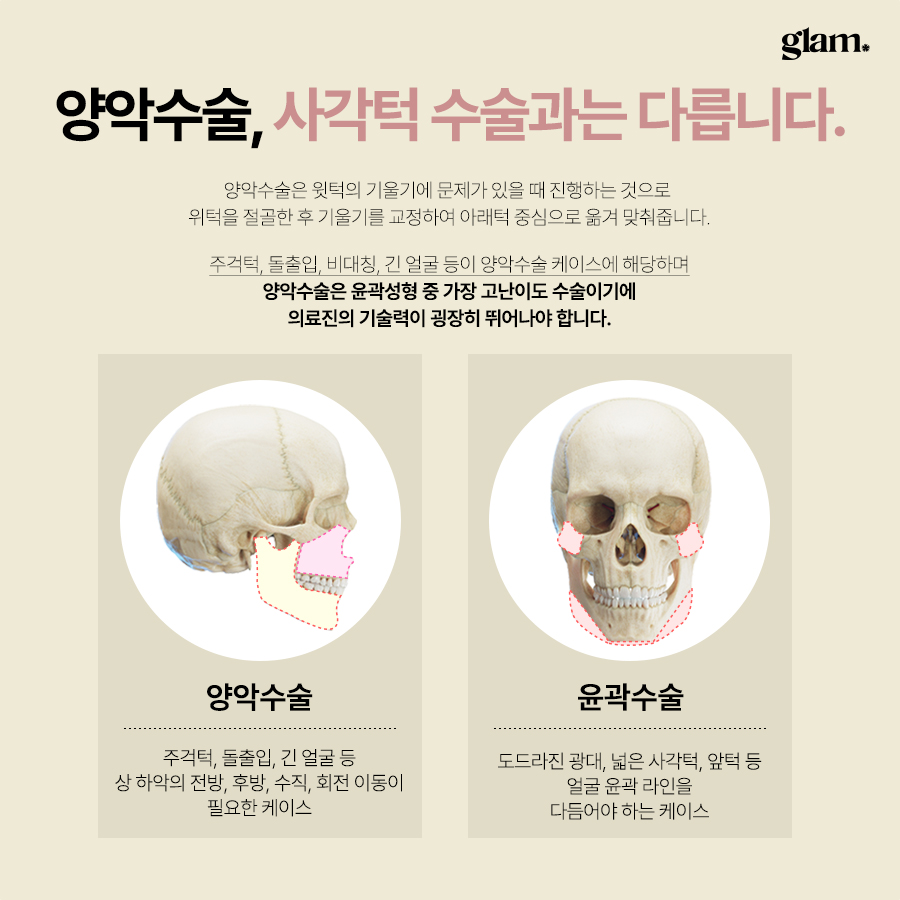
In simple terms, the surgeon cuts and moves the upper jaw and lower jaw into a new, more balanced position, then fixes them with plates and screws so the bones can heal in place. Unlike simple cosmetic procedures, this is a major bone surgery that changes the foundation of the face.
Typical reasons people consider double jaw surgery include:
- Severe malocclusion, where the upper and lower teeth do not meet properly, causing chewing difficulty or jaw strain.
- Protruding or recessed jaws, such as a very forward lower jaw or a weak, set‑back chin area.
- Facial asymmetry, where one side of the jaw is longer, lower, or more prominent than the other.
- Long face appearance, often with a gummy smile or open bite.
- Functional issues such as difficulty chewing, unclear pronunciation related to jaw position, or jaw discomfort.
- Cases where braces alone cannot correct the underlying bone position.
At this double jaw center in Gangnam, the surgeon plans jaw movement not only by textbook angles but also by how your face will look in real life: your profile line, front view, smile line, and how your soft tissues are likely to drape over the new bone structure.
How this clinic is positioned in Gangnam
This clinic is a single‑specialty facial bone center. That means its entire system is built around double jaw surgery and facial contouring rather than a wide menu of procedures.
Key characteristics include:
- Primarily focused on facial bone surgery, the clinic specializes in double jaw procedures and facial contouring such as cheekbone and jaw angle reshaping rather than a broad mix of unrelated treatments.
- It is located on Dosan‑daero near Sinsa Station in Gangnam, a neighborhood known for medical and aesthetic clinics, making it accessible for both local and international visitors.
- The clinic offers multilingual support in English, Japanese, and Thai via phone and major social platforms, including Instagram and YouTube.
- Its stated philosophy emphasizes adding harmony and vitality to the face through a conservative approach that avoids unnecessary procedures.
For many international patients, the narrow focus on facial bone surgery is reassuring, because it suggests that the team sees complex jaw cases daily rather than occasionally.
Medical team and credibility
Important background points include:
- The lead surgeon has completed residency and fellowship training at major university medical centers in Korea and has worked in senior clinical roles within facial bone and craniofacial units before establishing this dedicated clinic.
- Additional clinical training or observerships abroad have been undertaken to gain international perspectives on craniofacial and aesthetic surgery.
- The surgeon is a member of national plastic surgery and aesthetic surgery professional societies and has published peer‑reviewed research as first or corresponding author in international journals on facial contouring and double jaw surgery.
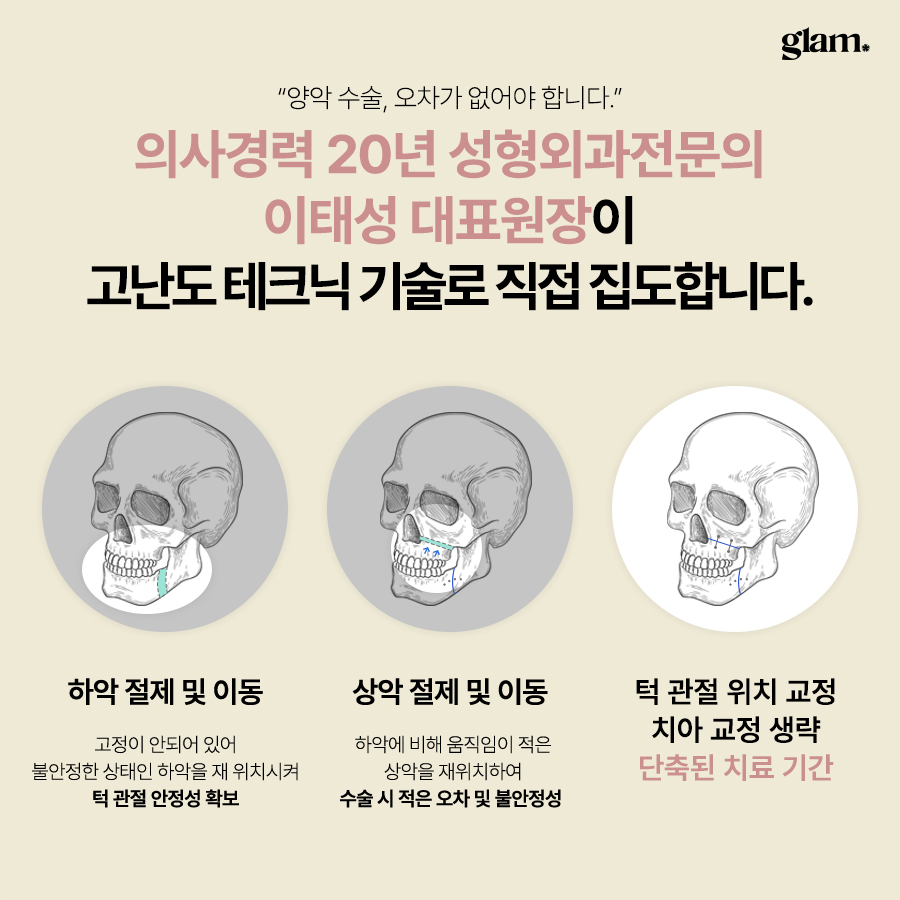
An on‑site anesthesiology team manages anesthesia and perioperative pain control. The clinic works with board‑certified anesthesiologists and follows standard safety protocols for anesthesia and perioperative monitoring.
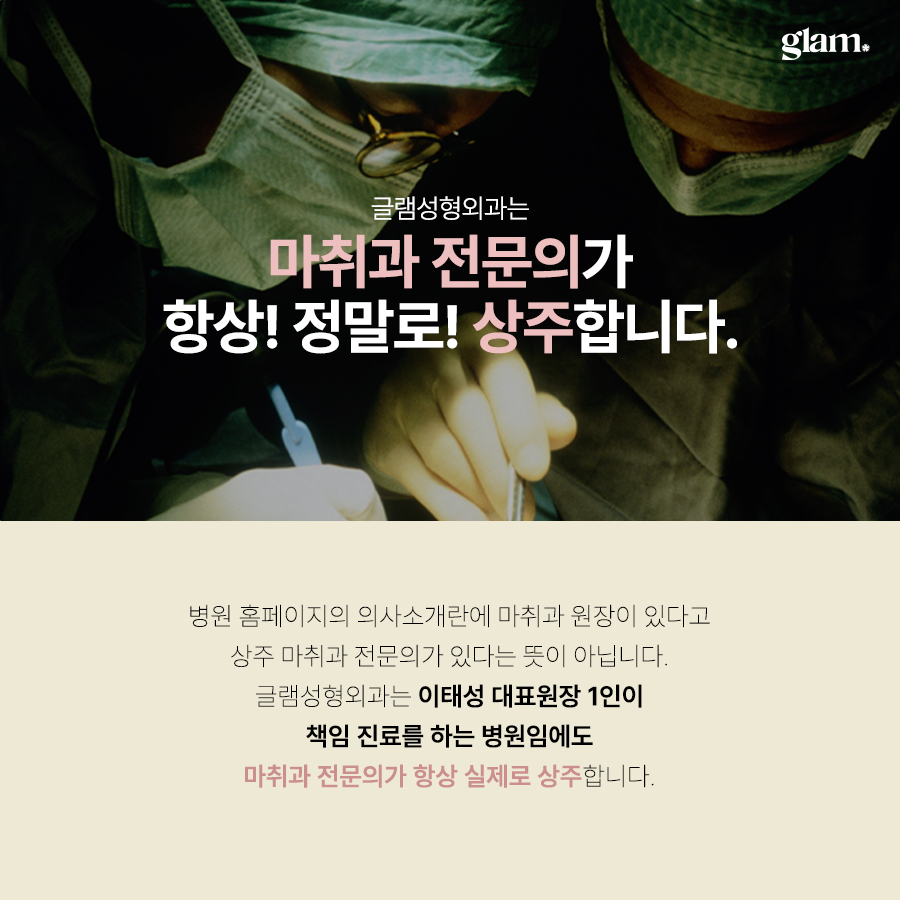
The clinic follows a one‑surgeon‑plus‑one‑anesthesiologist model. The lead surgeon performs the operation directly rather than delegating the key steps to other surgeons. For patients who are concerned about who will actually operate, this is an important point to confirm during consultation.
A central part of the clinic’s philosophy is to propose only the minimum necessary surgery. Especially in double jaw and contouring, many patients are afraid of being pushed into extra bone procedures. This center emphasizes clear indication and avoids bundling additional surgeries without a strong medical or aesthetic reason.
Who may consider double jaw surgery at this clinic
Double jaw surgery at this Gangnam center may be considered in several situations.
Functional jaw problems
People with severe bite problems that affect daily life, such as difficulty chewing, jaw fatigue, or speech issues related to jaw position, may benefit from jaw repositioning. In such cases, the primary goal is functional improvement, with aesthetic balance as an important secondary benefit.
Facial imbalance and asymmetry
Patients with a noticeably long lower face, a very protruding or recessed jaw, or one side of the jaw that is lower or more projected than the other often seek double jaw surgery for both balance and confidence. The clinic evaluates not just the bones, but also how changes will affect the lips, nose base, chin, and neck line.
Cases where braces alone are not enough
In some people, the teeth can be straightened but the underlying jaw position still looks or feels wrong. When the problem is skeletal rather than only dental, double jaw surgery may be indicated. The clinic carefully explains when surgery is truly necessary and when non‑surgical options may be more appropriate.
Revision cases
Patients who have had previous double jaw or facial contouring surgery elsewhere and remain dissatisfied with function or appearance may also seek consultation. Revision surgery is usually more complex and requires detailed imaging and cautious planning.

It is important to remember that not everyone who wants a smaller or shorter face needs double jaw surgery. Some people are better served by limited contouring or non‑surgical approaches. This clinic’s policy is to recommend double jaw surgery only when clearly indicated by both function and structure.
Clinic‑specific approach to double jaw surgery
The double jaw center in Gangnam focuses on facial bone harmony rather than simply matching standard angles on X‑rays.
Key aspects of their approach include:
Three‑dimensional planning
Planning considers the profile, front view, smile line, and expected soft tissue response. The surgeon evaluates how moving the upper jaw will affect the nose base and upper lip, and how moving the lower jaw will change the chin, jawline, and neck.
Case‑by‑case decisions on fixation and orthodontics
In selected cases, the clinic may perform double jaw surgery without rigid intermaxillary fixation (wiring the jaws tightly together) after surgery. Instead, they may use guiding elastics that allow earlier gentle jaw movement, which can improve comfort and reduce stiffness. This is not suitable for every patient and is decided after full examination.
For some indications, the surgeon may discuss the possibility of omitting pre‑surgery or post‑surgery braces if skeletal correction alone can achieve the main goals. This depends heavily on your bite, tooth position, and personal expectations. It is never promised in advance without proper diagnosis.
Nose‑shape preservation techniques
When the upper jaw is moved, the base of the nose can widen or flatten. The clinic uses specific suture techniques during surgery aiming to reduce unwanted nose widening or flattening. Again, the exact effect varies by individual anatomy, and no clinic can guarantee zero change, but careful technique can help control it.
Throughout the process, the surgeon explains which options are realistic for your case, including the pros and cons of each approach.
Diagnostic and planning process
For someone searching for the best double jaw surgery clinic, the diagnostic process is just as important as the operation itself. At this facial bone center, a typical pathway looks like this.
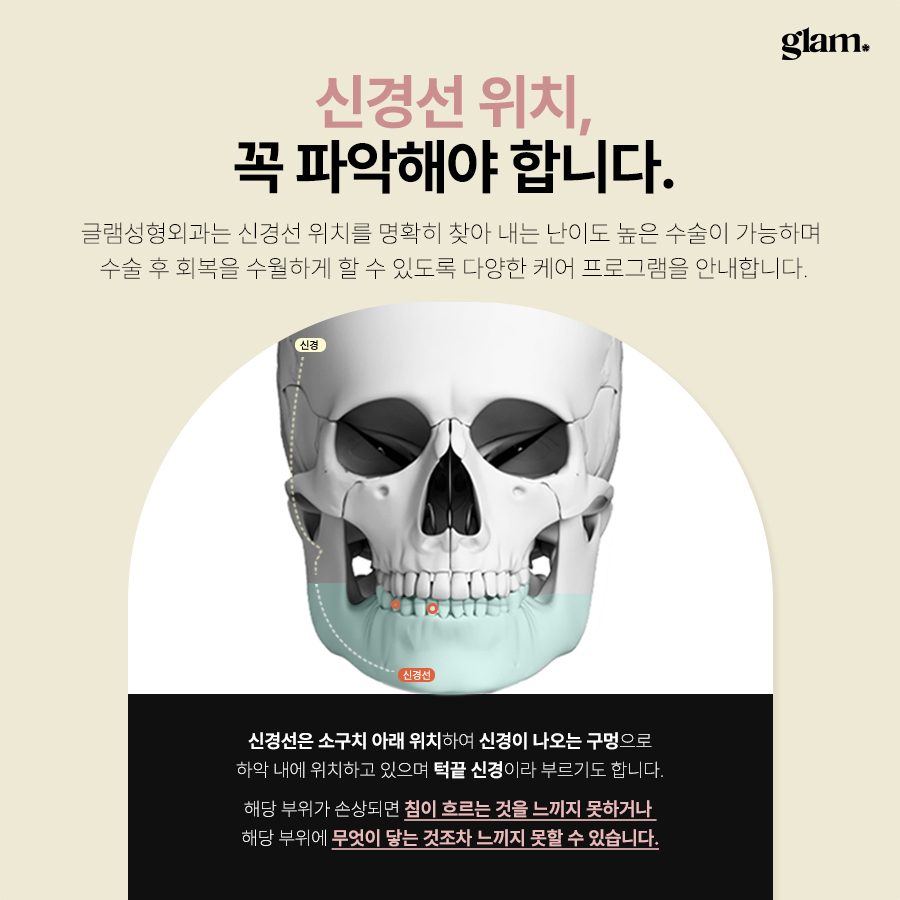
Step 1: Initial consultation
The team takes a detailed medical history, including any jaw pain, chewing difficulty, breathing issues, or previous treatments. They ask about your main priorities: function, appearance, or both. If you have had previous surgery or braces, those records are reviewed.
Step 2: Imaging and tests
The clinic uses facial photographs from multiple angles, cephalometric X‑rays, and 3D CT scans when needed. They may also take digital dental models or scans to analyze how the upper and lower teeth meet. This information is used to understand both the bone structure and the bite.
Step 3: Surgical simulation and planning
Using the imaging, the surgeon plans how much to move the upper and lower jaws, whether to rotate the jaws to shorten or lengthen the face, and how to adjust the chin position. Airway space and jaw joint considerations are checked to avoid compromising breathing or joint health.
Step 4: Explanation of risks and benefits
The surgeon explains potential benefits, such as improved bite, facial balance, and in some cases better airway space. Possible risks and limitations are also discussed, including swelling, numbness, infection, bite changes, or the need for additional treatment.
Step 5: Decision on combined procedures
Some patients may benefit from combining double jaw surgery with facial contouring procedures such as cheekbone or jaw angle reshaping. Others may be safer and better served by staging these surgeries separately. The clinic aims to recommend only procedures that clearly support your functional and aesthetic goals, rather than automatically bundling multiple bone surgeries.
Surgery and anesthesia system
Double jaw surgery is a long and complex operation, so the anesthesia system is a key part of safety.
At this clinic:
- The operation is performed by the board‑certified plastic surgeon who specializes in facial bone surgery and is directly responsible for the entire procedure.
- General anesthesia is managed by an in‑house board‑certified anesthesiologist who remains present throughout the surgery, focusing solely on your vital signs, airway, and pain control.
- Continuous monitoring of heart rate, blood pressure, oxygen level, and other vital signs is standard. The team also manages blood loss and fluid balance carefully.
- Stable fixation of the jaws is achieved with plates and screws, and the anesthesiologist coordinates with the surgeon during jaw positioning and bite checking.
For patients, having a dedicated anesthesiologist means that one doctor concentrates on the surgery itself while another concentrates on keeping you safe and comfortable under anesthesia. This is especially important for long operations like double jaw surgery.

Post‑operative care and recovery
Understanding the recovery process is essential before you commit to double jaw surgery.
Early hospital stay and first weeks
Swelling usually peaks within a few days after surgery and then gradually decreases. You will be on a soft or liquid diet for several weeks, depending on your case and whether rigid fixation is used. The clinic provides guidance on how to clean your mouth, manage discomfort, and sleep in a position that helps swelling go down.
Speech may be unclear at first, and opening the mouth can feel limited. As healing progresses, the team teaches gentle jaw opening and movement exercises to prevent stiffness.
Numbness and sensation changes
Temporary numbness around the lips, chin, or cheeks is common after double jaw surgery because the nerves run close to the bone cuts. Sensation usually improves over months, but in some cases it may not return to exactly the previous level. The surgeon will explain these possibilities before surgery so you can make an informed decision.
Return to daily life
Many patients can resume light activities within a couple of weeks, such as walking and simple desk work, depending on their overall health and job type. Major swelling typically reduces enough for more normal social life within 1 to 3 months, though subtle changes continue as swelling resolves.
Full bone healing takes several months. During this time, you will have follow‑up visits to check bite stability, nerve recovery, and overall facial balance.
Supportive aftercare at the clinic
This facial bone–specialized clinic offers several supportive treatments to make recovery more comfortable:
- Non‑surgical supportive therapies may be offered to aid recovery, such as light‑based (LED) treatments.
- Facial dome or compression therapies to help with circulation and swelling control.
- Staged skin‑reset and total‑care programs as the face settles.
- Radiofrequency‑based devices intended to assist with skin tightening once major swelling has subsided.
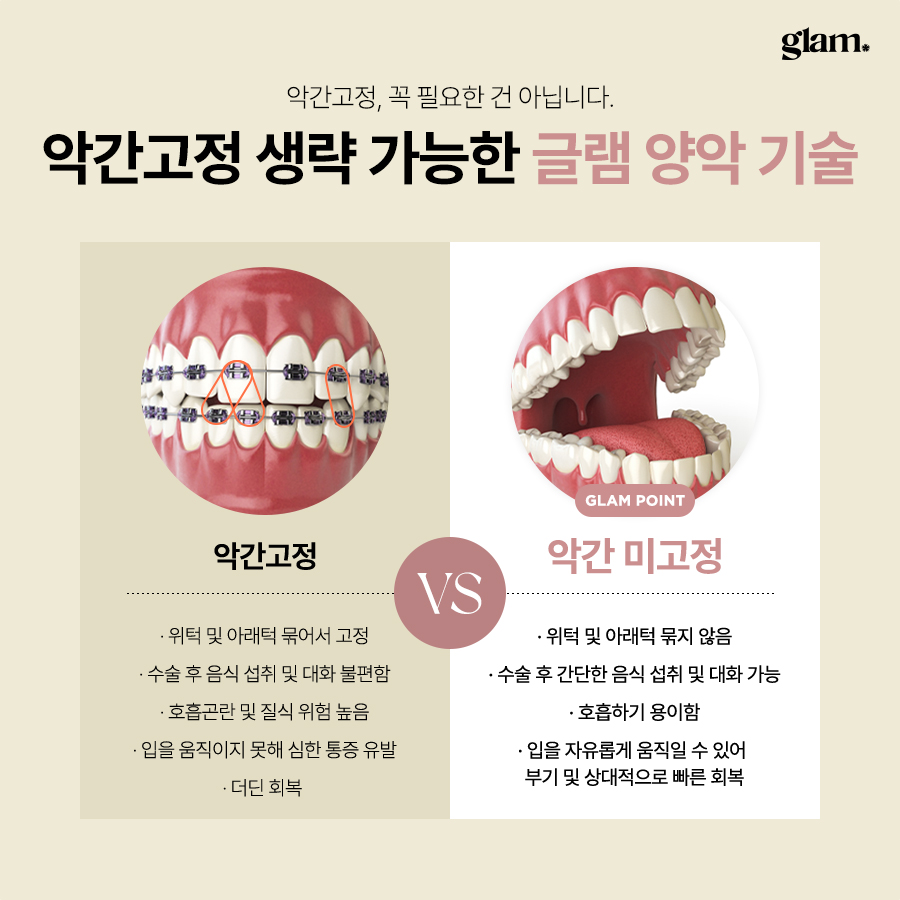
These are supportive measures. They do not replace the need for proper surgical technique, healthy lifestyle habits, or the natural time required for bone healing.
Online consultation and pre‑visit preparation for overseas patients
If you are considering traveling to Korea for double jaw surgery, careful preparation will make your experience smoother.
Online consultation
The clinic offers online consultations in English, Japanese, and Thai. Before your session, it is helpful to prepare:
- Front, side, and 45‑degree angle photos of your face with a neutral expression and natural lighting.
- Any X‑rays, CT scans, or previous medical reports related to your jaw or bite.
- Information about past treatments, such as braces, jaw surgery, or facial contouring.
- A short summary of your main concerns and priorities: for example, chewing function, facial asymmetry, long face, or chin position.
During the online consultation, the surgeon or coordinator will explain whether you seem like a potential candidate, what additional tests are needed after arrival, and an approximate treatment and stay schedule.
Questions to ask before you decide
Many patients find it useful to prepare a list of questions, such as:
- Who will actually perform my surgery, and will that surgeon be present from start to finish?
- How many double jaw surgeries does the clinic perform in a typical month?
- What is the usual hospital stay and total recommended stay in Korea for someone with my condition?
- Is there a chance I can avoid pre‑surgery or post‑surgery braces, or are they clearly required in my case?
- How does the clinic manage pain, swelling, and emergency situations?
Having clear answers to these questions can help you compare different clinics and feel more confident in your choice.
Expected Korea visit timeline for double jaw surgery
While exact schedules vary, a typical timeline for international patients might look like this.

Before arrival
You complete an online consultation, send images and records, and receive a provisional plan and estimated length of stay.
First few days in Korea
You visit the clinic near Sinsa Station for in‑person consultation, full imaging (X‑rays, 3D CT, dental scans), and physical examination. Final planning and simulation are done, and you review consent forms and instructions.
Surgery day and immediate post‑op period
You are admitted for surgery, undergo general anesthesia, and stay in the hospital for initial monitoring. The team checks your vital signs, swelling, pain level, and ability to drink and move safely.
First 1–2 weeks after surgery
You attend follow‑up visits for wound checks, bite checks, and guidance on diet, mouth care, and jaw exercises. Supportive treatments such as LED therapy or swelling care may be started.
Total recommended stay
Many overseas patients are advised to stay in Korea for several weeks after double jaw surgery so that the surgeon can monitor early healing and manage any issues directly. The exact duration depends on your case and travel distance, and should be discussed during consultation.
How to choose the best double jaw surgery clinic for you
Using this Gangnam facial bone center as an example, here are practical criteria to consider when comparing clinics.
Specialization
Look for clinics that focus on facial bone surgery rather than offering every possible procedure. A narrow focus usually means more experience with complex jaw cases.
Surgeon credentials
Check that the surgeon is board‑certified in a relevant field and has hospital‑level training. Ask about their specific experience in double jaw surgery and whether they have led or worked in dedicated facial bone centers.
Academic evidence
Publications in peer‑reviewed, especially SCI‑level, journals indicate that the surgeon’s methods have been evaluated by other experts. While research alone does not guarantee outcomes, it shows a commitment to evidence‑based practice.
Anesthesia safety
For long surgeries, a full‑time anesthesiologist who stays with you throughout the operation is important. Confirm who will manage your anesthesia and what monitoring systems are in place.
Transparent consultation
During consultation, you should receive clear explanations of why surgery is or is not recommended, what alternatives exist, and what the realistic benefits and risks are. Be cautious if you feel pressured into multiple procedures that you did not originally seek.
Systematic aftercare
Ask about follow‑up schedules, swelling and pain management, and how the clinic supports overseas patients once they return home. A structured plan is especially important if you live far away.
Avoid choosing a clinic based only on price or social media images. Double jaw surgery is a major medical procedure, and long‑term function and stability matter as much as appearance.
Frequently asked questions about double jaw surgery in Korea
Is double jaw surgery only for cosmetic reasons?
No. Double jaw surgery is fundamentally a functional operation that repositions the jaws to improve the bite and jaw relationship. Many patients also experience significant aesthetic improvement, but the main indications are structural problems such as severe malocclusion, facial asymmetry, or jaw protrusion or retrusion that cannot be corrected by braces alone.
How long do I need to stay in Korea for double jaw surgery?
The required stay varies by individual, but many international patients are advised to plan for several weeks in Korea. This allows time for pre‑operative tests, surgery, initial hospital stay, and early follow‑up visits. During your online consultation, the clinic can suggest a more specific timeline based on your health, travel distance, and case complexity.
Will my jaws be wired shut after surgery?
Not always. In some cases, the surgeon may use rigid intermaxillary fixation, which keeps the jaws tightly together for a period. In other cases, especially when stable fixation plates are used and the bite is well controlled, the clinic may use guiding elastics instead, allowing earlier gentle movement. The decision depends on your bone quality, bite stability, and surgical plan, and is discussed in detail before surgery.

Can double jaw surgery change my nose shape?
Moving the upper jaw can influence the base of the nose, sometimes causing widening or subtle shape changes. This clinic uses specific suture techniques to help limit unwanted widening or flattening, but some change is still possible. The surgeon will explain what is likely in your case and whether additional nose procedures are recommended or not.
Soft call to action
If you are seriously considering double jaw surgery and want a clinic that focuses only on facial bone procedures, you can start with an online consultation with this facial bone–specialized clinic in Gangnam near Sinsa Station. By sharing your photos, past records, and main concerns, you can receive a personalized assessment, a realistic treatment plan, and a suggested Korea visit schedule before you commit to traveling.
All medical decisions should be made after direct consultation with qualified healthcare professionals. The information in this article is intended for general guidance for international patients and does not replace an in‑person medical evaluation.




- 공유 링크 만들기
- X
- 이메일
- 기타 앱


댓글
댓글 쓰기