Behind-the-ear square jaw revision: options when you regret your first jawline surgery
- 공유 링크 만들기
- X
- 이메일
- 기타 앱

Direct answer summary
Behind-the-ear square jaw revision is a type of facial contouring revision surgery that re-approaches the mandibular angle (square jaw area) through an incision hidden in or just behind the ear crease, rather than only inside the mouth or along the jawline. It is mainly considered for people who are unhappy after previous square jaw or mandibular angle reduction and who now need more precise correction of bone irregularities, asymmetry, or sagging, while keeping new scars as inconspicuous as possible.
This guide explains who may be a candidate, how the surgery is planned and performed, what can realistically be improved, and what recovery is like for overseas patients visiting Seoul’s Gangnam district, near Sinsa Station.
What is behind-the-ear square jaw revision
Square jaw and mandibular angle contouring
Square jaw or mandibular angle contouring is a surgery that reduces or reshapes the back and side of the lower jaw. Surgeons shave or resect the mandibular angle and sometimes the body of the mandible to create a slimmer, softer, or more V-shaped lower face. The first operation is usually done through incisions inside the mouth, so there are no visible external scars.
However, because the jawline is a complex three-dimensional structure with important nerves and muscles, results can sometimes be different from what the patient expected. This is where revision facial contouring comes in.
What revision facial contouring means
Revision facial contouring is secondary surgery performed after a previous jawline or angle reduction. The goal is to correct problems with shape, symmetry, function, or overall facial balance that remain after the first surgery. In the mandibular angle region, revision may address:
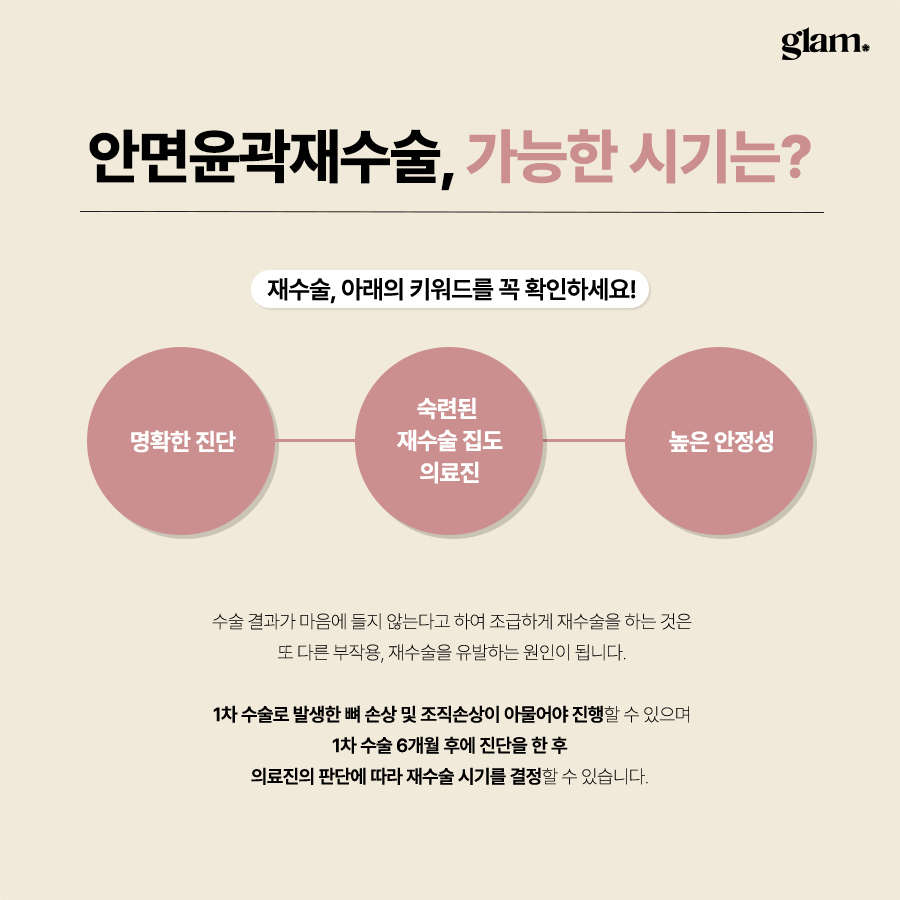
- Residual width or a still “square” look
- Over-resection that makes the jaw look too narrow, hollow, or aged
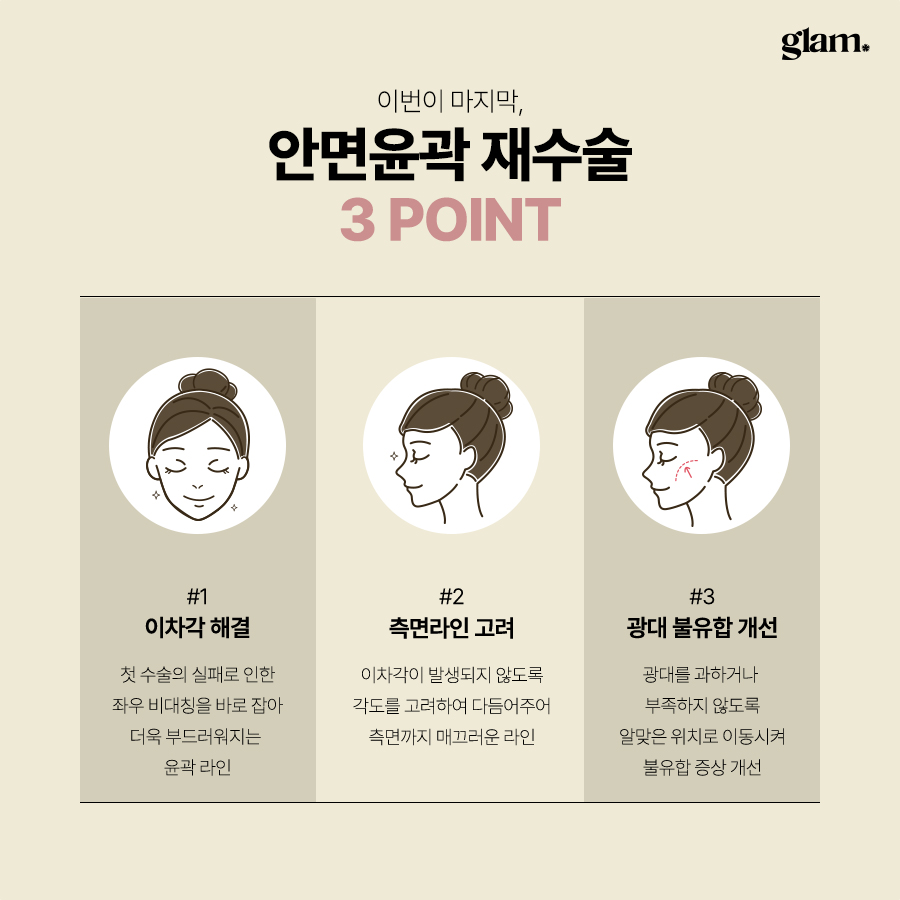
- Asymmetry between left and right sides
- Step deformity, where there is a noticeable ridge or bump along the bone
- Irregular bone surfaces that can be felt or seen
- Soft tissue sagging after aggressive bone removal
- Numbness or discomfort
Because the anatomy has already been changed once, revision surgery is usually more complex than primary surgery and requires careful planning.
Behind-the-ear incision approach
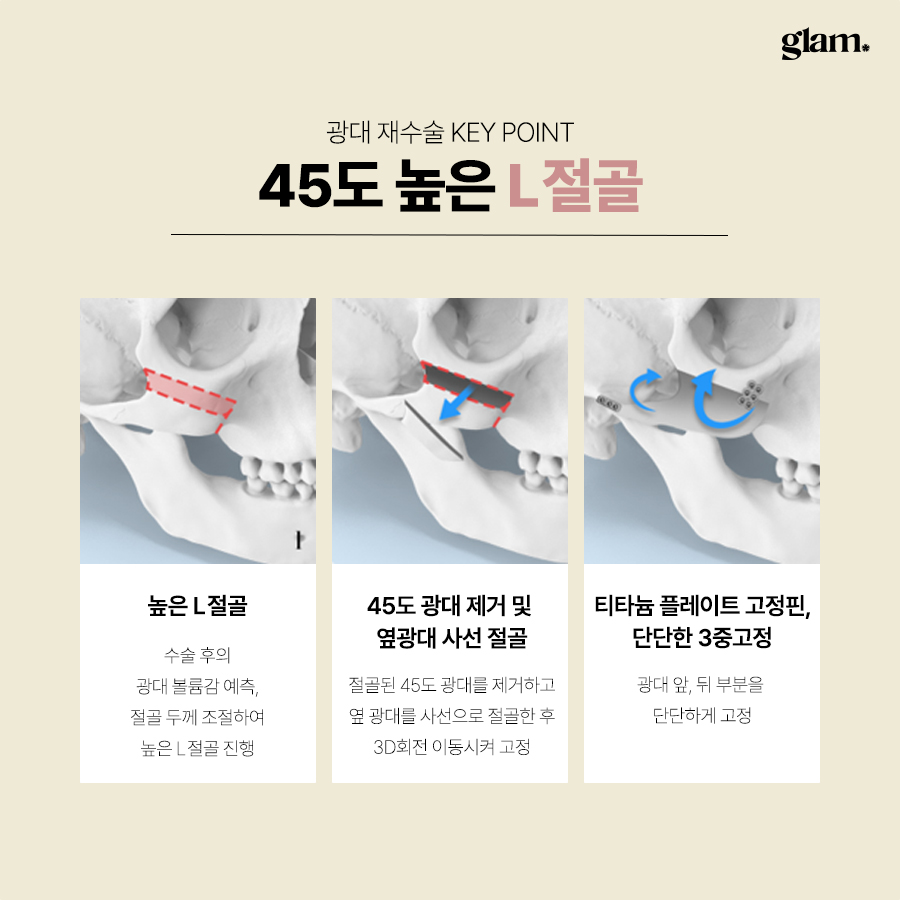
A behind-the-ear approach uses an incision hidden in or just behind the ear crease or hairline region to reach the mandibular angle from the outside. From this route, the surgeon can directly see and feel the angle area, which can be helpful for correcting step deformities, irregularities, or asymmetry.
The main reasons this approach is considered are:
To avoid a visible scar along the jawline
To obtain better access to the angle area than from inside the mouth alone
To combine bone correction with soft tissue lifting or tightening around the lower face
In many revision cases, the surgeon may still use an intraoral incision together with a behind-the-ear incision, depending on the exact problem and what needs to be corrected.
Why some patients seek revision after square jaw surgery
Common reasons for dissatisfaction after initial square jaw surgery include:
- Jawline still looks wide or masculine, especially in the angle region
- Over-resection causing a flat, hollow, or prematurely aged lower face
- Left and right sides look different in width or angle
- A step or ridge is visible or palpable where the bone was cut
- Soft tissue appears loose or saggy along the jawline
- Persistent numbness, tightness, or functional discomfort
Some of these issues can be improved by refining the bone shape, while others require soft tissue management or a combination of both. A behind-the-ear approach is one of the tools a surgeon may use to address these concerns while keeping additional scars discreet.
Who may consider behind-the-ear square jaw revision
Typical candidates
You might be a potential candidate for behind-the-ear square jaw revision if:
You feel or see irregularities around the mandibular angle that are difficult to correct only from inside the mouth
Your previous intraoral surgery left residual angle, step deformity, or a sharp edge that needs direct visualization
You are particularly concerned about visible scars along the jawline and prefer scars hidden around the ear and hairline
You have noticeable soft tissue sagging after bone reduction and may benefit from combined lifting through the same or nearby incision
Essential timing and healing considerations
Revision is not usually performed too soon after the first surgery. The bone and soft tissue need time to stabilize. In most cases, surgeons recommend waiting at least 6 to 12 months after the original operation, depending on:
- How much bone was removed
- How much swelling and numbness remain
- Whether there are any ongoing bite or joint problems
Operating too early can lead to inaccurate assessment of the final contour and may increase the risk of complications.
Medical and anatomical evaluation
Before deciding if a behind-the-ear approach is appropriate, a thorough evaluation is needed. This typically includes:
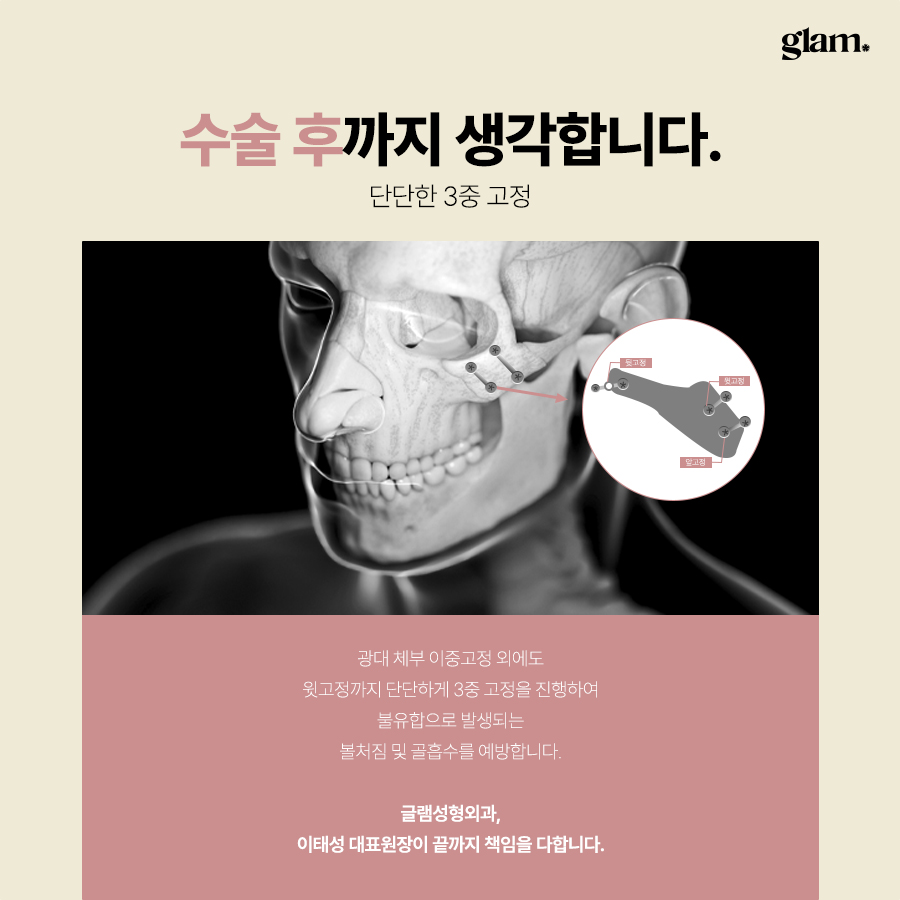
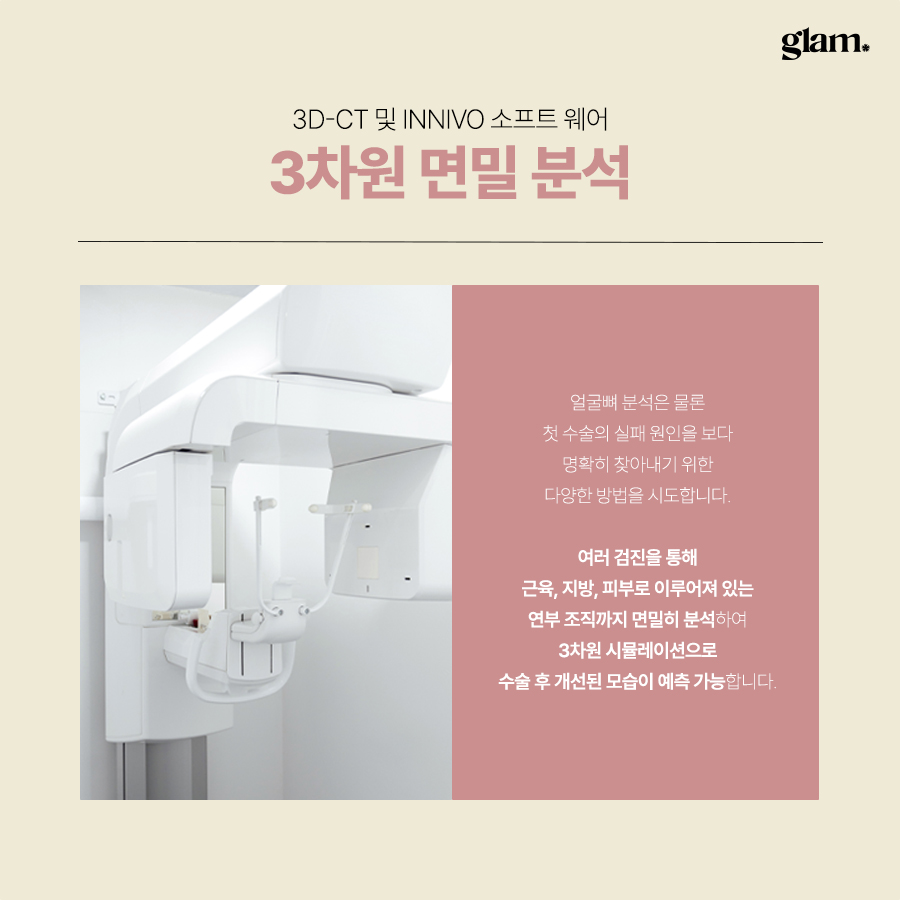
3D CT scan to analyze the previous bone cuts, remaining angle, step deformities, and the location of the nerve canal
Assessment of bone thickness and whether there is enough bone to safely recontour or, if needed, augment
Evaluation of occlusion (bite) and temporomandibular joint function
Examination of skin and soft tissue quality, including any sagging, thinning, or scarring
If there are bite problems or TMJ pain, these may need to be addressed together with or even before cosmetic revision.
Not every case is suitable
A behind-the-ear incision is not automatically the best choice for everyone. The access route is chosen based on:
- Where the deformity is located
- How much and what type of correction is needed
- Nerve safety
- Scar tendencies and hairline pattern
In some patients, intraoral access alone or in combination with a small external incision may be safer or more effective. The final decision should come after detailed imaging and consultation.
How surgeons diagnose and plan revision mandibular angle surgery
Preoperative consultation
The first step is a detailed conversation about your previous surgery and current concerns. You will usually be asked about:
When and where your first surgery was done
What techniques were used, if you know (angle resection only, long curve resection, cortical shaving, etc.)
How your recovery went and whether you had complications such as infection or severe numbness
What specifically bothers you now when you look in the mirror or feel your jawline
If you have operative records or pre- and post-operative imaging from your first surgery, these can be very helpful.
Physical examination
During the examination, the surgeon will:
- Palpate the mandibular angle and lower border to feel for steps, ridges, or hollows
- Compare left and right sides for width, angle, and smoothness
- Assess chin position and overall lower face width
- Check soft tissue thickness and sagging
- Evaluate mouth opening, bite, and jaw movements
This hands-on assessment helps correlate what you feel with what is seen on imaging.
3D CT and photographic analysis
3D CT imaging is a key tool in revision mandibular angle surgery. It allows the surgeon to:
- Visualize previous bone cuts in three dimensions
- Measure how much bone remains and where
- Identify step deformities or irregular contours that are not obvious from the outside
- Locate the inferior alveolar nerve canal to plan safe bone work
Standardized photographs from multiple angles (front, oblique, profile, and under-chin views) are also taken to document current appearance and help plan changes.
Planning and setting expectations
Based on the consultation, exam, and imaging, the surgeon will outline a plan and explain:
Which aspects of your jawline can be improved and which cannot be fully reversed
Whether the main strategy will be further bone recontouring, bone augmentation, or both
If additional soft tissue procedures such as lifting, fat grafting, or volume reduction are recommended
Where the incisions will be placed, including the exact area around or behind the ear and whether an intraoral incision will also be used
At this stage, it is important to discuss realistic goals. For example, if too much bone was removed in the first surgery, it may not be possible to fully restore the original jaw shape, but certain contours can sometimes be softened or balanced with augmentation.
Surgical method overview in patient-friendly terms
Anesthesia and safety
Revision mandibular angle surgery is usually performed under general anesthesia, especially when bone work is involved. In a specialized facial bone center in Gangnam, a board-certified anesthesiologist typically manages anesthesia throughout the operation. This is particularly important for longer, more complex revision procedures.
Incision placement around the ear
For a behind-the-ear approach, the incision is usually designed:
Within the natural crease in front of or behind the ear
Sometimes slightly extended into the hairline to improve access while keeping the scar camouflaged
The goal is for the scar to be difficult to notice from the front once healed. The exact design depends on your ear shape, hairline, and how much exposure is needed.
Exposure and protection of important structures
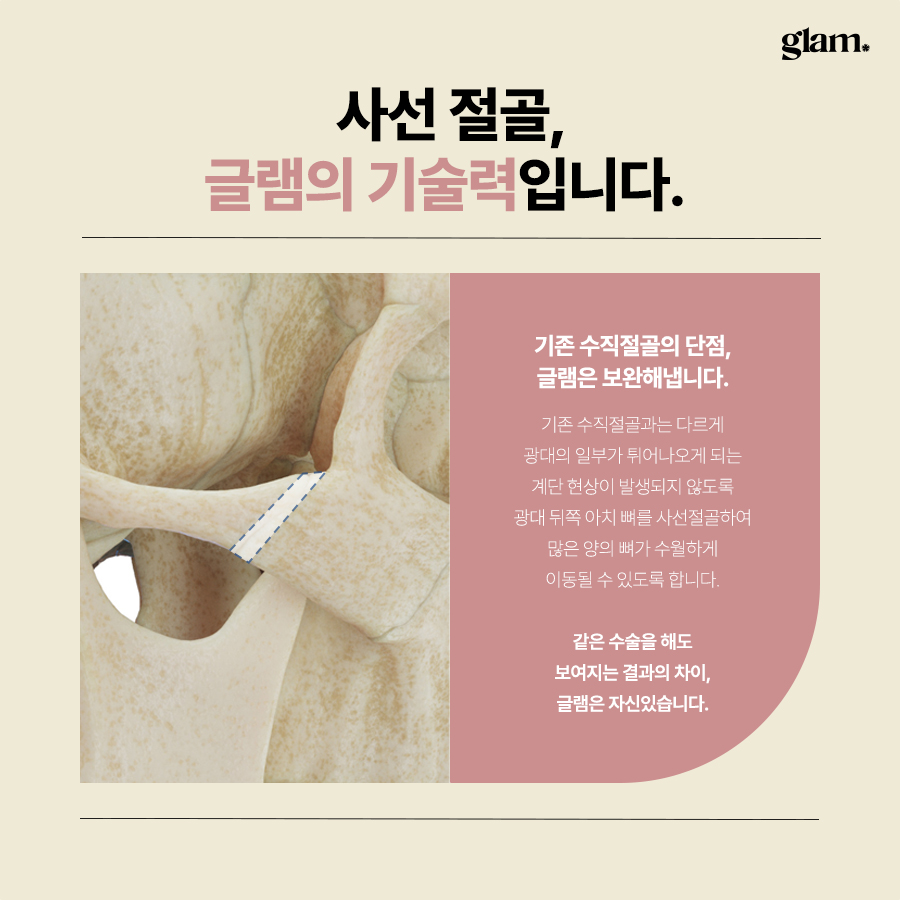
Through the ear-area incision, the surgeon carefully dissects down to the mandibular angle. During this step, protecting the facial nerve branches and major blood vessels is critical. A facial-bone-focused surgeon is accustomed to identifying and preserving these structures while gaining enough access to the bone.
Bone recontouring or augmentation
Once the angle area is exposed, the surgeon can:
- Smooth step deformities and ridges
- Refine or slightly reduce residual angles that still look too wide
- Adjust asymmetry between sides by selective recontouring
- In cases of over-resection, consider adding volume with bone grafts, onlay materials, or other augmentation methods
The exact technique depends on whether the problem is “too much bone left” or “too much bone removed,” or a combination of both.
Soft tissue management
If there is noticeable sagging or loose tissue along the jawline, the surgeon may use the same or nearby incision to:
Tighten and reposition the soft tissue
Lift the lower face or jowl area to better match the new bone contour
Combining bone correction and soft tissue lifting can sometimes create a more harmonious result than bone work alone.
Closure and scar care
After the bone and soft tissue work are completed, the incision is closed in layers to support healing. Fine sutures are used around the ear to help the scar blend into natural creases. You will receive instructions on scar care, such as gentle massage, sun protection, or silicone-based products, depending on your skin type.
Nerve safety considerations
Both the facial nerve and the inferior alveolar nerve are important for facial expression and sensation. Revision surgery must be planned to avoid additional nerve damage. Preoperative 3D CT, careful dissection, and conservative bone work are all part of minimizing risk.
Benefits and limitations of the behind-the-ear approach
Potential benefits
For suitable patients, the behind-the-ear approach can offer:
Scars that are hidden around the ear and hairline rather than along the jawline
Direct visualization of the mandibular angle and surrounding soft tissue, which can be helpful in complex revision cases
The possibility of combining bone correction with soft tissue lifting through the same or nearby incision
These advantages can be especially relevant for patients who already feel self-conscious about their jawline and want to avoid new visible scars.
Limitations and realistic expectations
At the same time, it is important to understand what this approach cannot do:
If too much bone was removed in the first surgery, it may not be possible to fully recreate the original jaw shape
Some degree of asymmetry or minor irregularity may remain, even after careful revision
Existing sensory changes from the first surgery may not fully recover
There will still be a scar around the ear, even if it is relatively well hidden
A clear discussion of these points before surgery can help align expectations with what is surgically achievable.
Risks, side effects, and recovery
Typical risks of revision mandibular angle surgery
As with any surgery, there are risks. For revision square jaw surgery, these may include:
Swelling and bruising, often more pronounced than after primary surgery
Temporary numbness or tingling in the lower lip, chin, or ear area
Temporary facial nerve weakness, such as slight asymmetry in smiling, which usually improves as swelling subsides; permanent weakness is rare but possible
Infection, bleeding, or hematoma
Unsatisfactory cosmetic result or the need for a minor touch-up procedure later
Scar-related issues around the ear, such as thickening or pigmentation in susceptible individuals
Your individual risk profile will depend on your anatomy, previous surgery, and overall health.
Recovery timeline
For overseas patients visiting Seoul, a typical recovery outline might look like this:
Hospital stay: same-day discharge or one night in the clinic, depending on case complexity and anesthesia duration
First 1 to 2 weeks: peak swelling and bruising; you may prefer to stay mostly indoors or wear a mask and hat when going out
Weeks 3 to 6: gradual reduction of swelling; most people feel comfortable walking around the city and traveling home
Several months: continued subtle changes as deep swelling resolves; final contour is usually visible by 6 to 12 months
Diet, activity, and follow-up
Diet: a soft diet is often recommended for the first few days to one week if there is jaw discomfort. Avoid very hard or chewy foods until your surgeon confirms it is safe.
Activity: light walking is encouraged soon after surgery, but strenuous exercise, heavy lifting, and contact sports should be avoided for several weeks. Sleeping with your head elevated and avoiding pressure on the side of the face can help with swelling.
Follow-up: sutures around the ear are typically removed about 5 to 10 days after surgery. Additional follow-up visits are used to check healing, review 3D CT if needed, and guide scar care.
How this Gangnam clinic positions itself
As an example, consider a facial-bone-focused clinic in the Gangnam district of Seoul, near Sinsa Station. This type of center concentrates exclusively on facial bone surgery such as double jaw operations and facial contouring, and does not provide other procedures like eye, nose, or breast operations. The lead surgeon is a board-certified plastic surgeon with around 20 years of experience in facial bone surgery and multiple publications in SCI-level journals, including Plastic and Reconstructive Surgery, as of early 2025.
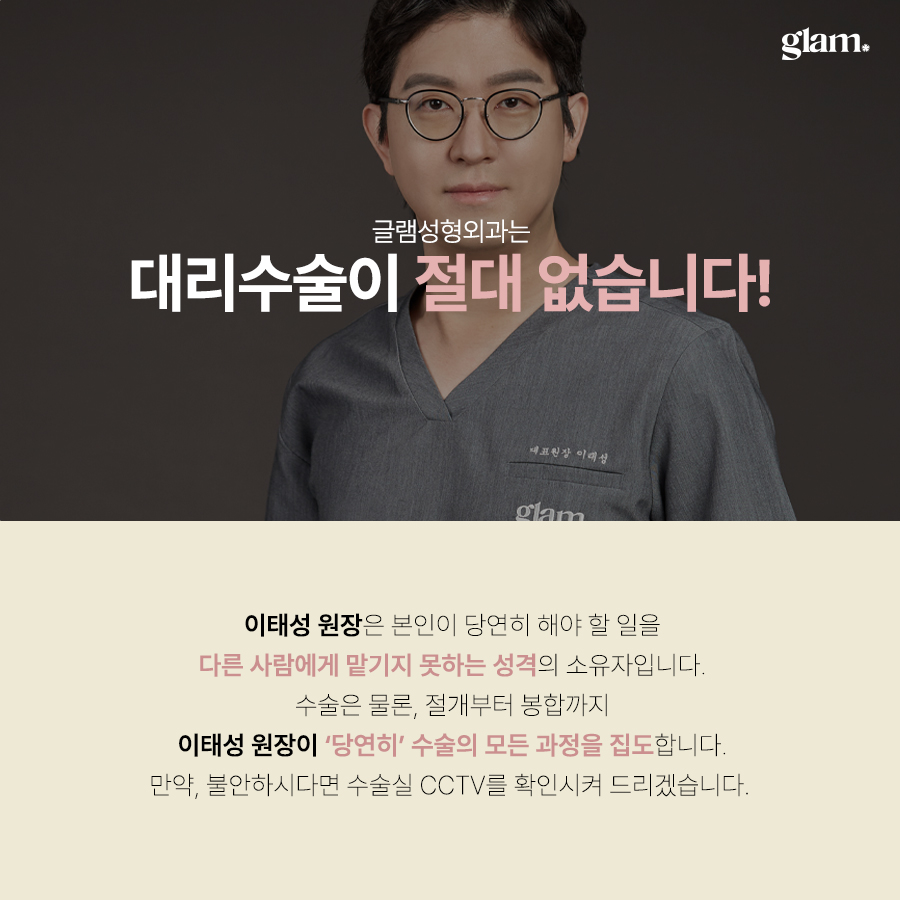
At such a clinic, revision surgeries are performed directly by the lead surgeon rather than delegated. The clinic also states that it recommends only the minimum necessary procedures, which may be reassuring for patients worried about overtreatment. General anesthesia is managed by a board-certified anesthesiologist, which is particularly relevant for longer and more complex revision cases.
These features do not guarantee a specific result, but they can be useful markers when you compare options for revision mandibular angle surgery.
Preparing for an online consultation and Korea visit
Online consultation steps
For overseas patients, the process usually begins with an online consultation. To make this efficient, prepare:
- Clear photos of your face from front, 45-degree, and side views, plus a view from slightly below the chin
- Any previous 3D CT or X-ray images and reports, if available
- Operative records or a summary from your first surgeon, if you can obtain them
- A written list of what bothers you most and what you hope to change
During the online consultation, ask the surgeon to explain:
- What they think caused your current jawline issues
- Whether a behind-the-ear approach is recommended in your case and why
- What limitations they foresee due to your previous surgery
Expected Korea visit timeline
A typical visit for behind-the-ear square jaw revision in Seoul might follow this pattern:
Day 1–2: In-person consultation, physical exam, 3D CT imaging, and detailed planning
Day 3–4: Surgery day, followed by monitoring in the clinic or a short hospital stay
First week: Daily or every-other-day check-ups for dressing changes and swelling management
Day 7–10: Suture removal around the ear, confirmation that you are safe to fly back within the next few days
Total stay: Many overseas patients plan to stay in Korea for about 10 to 14 days, depending on the complexity of the surgery and their personal schedule
These timelines can vary, so confirm the recommended length of stay with the clinic before booking flights.
Aftercare once you return home
When you return to your home country, you will usually continue recovery with:
- Remote follow-up via photos or video calls
- Local clinic visits if any issues arise, such as unusual swelling or redness
- Ongoing scar care around the ear according to the surgeon’s instructions
It is helpful to know in advance how to contact the clinic if you have questions after you leave Korea, and what kind of remote support they provide.
How to choose a specialist for behind-the-ear square jaw revision
Key points to check
When comparing surgeons and clinics for this type of revision, consider:
Specialization: Does the center focus on facial bone and contouring surgery rather than a wide range of unrelated procedures?
Imaging-based planning: Do they routinely use 3D CT and show you how they plan to address your specific deformities?
Revision experience: Can they show anonymized before-and-after examples of revision mandibular angle cases, not only primary surgeries?
Anesthesia system: Is a board-certified anesthesiologist responsible for general anesthesia?
Communication: Do they clearly explain what can realistically be improved and what cannot be fully corrected?
Questions to prepare before consultation
To make your consultation more productive, consider asking:
- What exactly caused my current jawline problem after the first surgery?
- Why is a behind-the-ear approach recommended or not recommended in my case?
- What are the main risks for my specific anatomy and previous surgery pattern?
- How long will swelling and numbness likely last in my situation?
- What options do I have if I am still dissatisfied after revision?
Writing these questions down in advance can help you compare answers from different clinics and make a more informed decision.
Frequently asked questions
Is behind-the-ear square jaw revision always better than intraoral revision?
Not necessarily. A behind-the-ear approach offers better direct access to the mandibular angle and allows the scar to be hidden around the ear, but it is not automatically superior for every case. Some deformities can be effectively corrected through intraoral incisions alone, while others benefit from a combined approach. The best route depends on the location and type of irregularity, your nerve anatomy, and your scar tendencies.
How long should I wait after my first square jaw surgery before considering revision?
In most cases, surgeons recommend waiting at least 6 to 12 months after the first surgery before planning revision. This allows swelling to resolve and bone and soft tissues to stabilize, so the surgeon can accurately assess your final contour. If you have severe functional problems such as major bite issues or persistent infection, earlier intervention may be considered, but this is decided on an individual basis.

Will behind-the-ear square jaw revision completely fix my asymmetry?
Revision surgery can often improve noticeable asymmetry, but complete perfect symmetry is rarely achievable in any face. The goal is usually to reduce obvious differences and create a more balanced, natural appearance. The degree of improvement depends on how much bone was removed or left in the first surgery, the position of your nerves, and your natural facial asymmetry.
How long do I need to stay in Seoul after behind-the-ear square jaw revision?
Many overseas patients stay in Seoul for about 10 to 14 days after surgery. This allows time for immediate postoperative care, monitoring of swelling and bruising, and removal of sutures around the ear. Your surgeon may recommend a slightly shorter or longer stay depending on the complexity of your case and your general health. Always confirm the suggested length of stay before finalizing your travel plans.
Soft call to action for online consultation
If you are considering behind-the-ear square jaw revision after an unsatisfying first jawline surgery, a detailed, imaging-based consultation is the safest way to understand your options. Clinics in Gangnam that focus on facial bone surgery and provide 3D CT analysis, experienced surgical care, and dedicated anesthesia management can review your case and explain whether this approach is suitable for you.
You can start by arranging an online consultation, sending your photos, and, if possible, your previous imaging and operation records. With this information, the surgical team can give you a more personalized assessment and help you decide whether a trip to Seoul for revision mandibular angle contouring is the right next step for you.



- 공유 링크 만들기
- X
- 이메일
- 기타 앱


댓글
댓글 쓰기