Asymmetry, protruding jaw, wide lower face: double jaw + contouring in Gangnam, Korea

If you are considering combined jaw and facial contouring surgery but do not have time to read every detail, this article walks through what the surgery actually does to your jaw and facial line, who typically benefits, and what to ask during consultation so you can decide whether it fits your situation.
If you have severe malocclusion, facial asymmetry, or a wide lower face that affects both your bite and your appearance, you may be considering surgery in Korea. Many patients in this situation wonder whether they should have only double jaw surgery, add facial contouring, or stage procedures over time. This type of clinic explains how they decide when to combine double jaw and contouring surgery, and what that means for both function and facial balance.
What double jaw surgery actually is
Double jaw surgery, also called orthognathic surgery, is an operation that repositions both the upper jaw (maxilla) and lower jaw (mandible). Instead of only shaving or trimming bone, it moves the jaw segments in three dimensions to improve how the jaws meet and how the face looks from the front and side.
It is usually considered when there is a clear structural problem, such as a severe overbite or underbite, open bite, facial asymmetry, or marked jaw protrusion or retrogenia (a very receded chin and lower jaw). By moving the jaws, surgeons aim to improve chewing, speaking, and sometimes breathing, while also creating a more balanced facial profile.
Why people consider double jaw and facial contouring together
Many people who have jaw misalignment also feel that their cheekbones, jaw angle, or chin shape make the face look wide, long, or unbalanced. In these situations, double jaw surgery can be combined with facial contouring procedures that focus on reshaping the facial bones rather than soft tissue.

Common facial contouring procedures include cheekbone reduction to soften prominent zygomas, V-line contouring to refine the jawline and chin, and square jaw reduction to address wide or angular lower jaw angles. When planned together with double jaw surgery, these procedures can help align function and aesthetics so that the bite is corrected while the overall facial proportions also become more harmonious.
Types of facial contouring often combined with double jaw surgery
Cheekbone reduction focuses on the outer and sometimes lower parts of the cheekbone to reduce a strong, wide midface. The goal is to soften the side view and front view without making the face look flat.
V-line contouring usually involves reshaping the lower border of the jaw and the chin to create a more tapered, balanced lower face. It can be combined with chin movement during double jaw surgery when necessary.
Square jaw reduction targets the angle of the mandible, which can appear very wide or boxy. Reducing this area can make the jawline smoother and less bulky from the side and three-quarter views.
These are all bone surgeries that require careful imaging and a clear plan for how the bones will be moved. During consultation, the team first checks how much the jaw needs to shift to correct the bite. They then see how changes to the chin or jaw angle might alter the front view, side profile, and nearby areas such as the cheeks, and adjust the plan so chewing, speech, and the overall facial line stay in balance.
A clinic focused only on facial bone surgery
The clinic described here is a plastic surgery clinic in Gangnam that has developed a specialized center focusing exclusively on facial bone procedures such as double jaw surgery and facial contouring. Rather than offering a wide variety of general aesthetic procedures, it concentrates its resources, staff training, and equipment on complex facial bone operations.
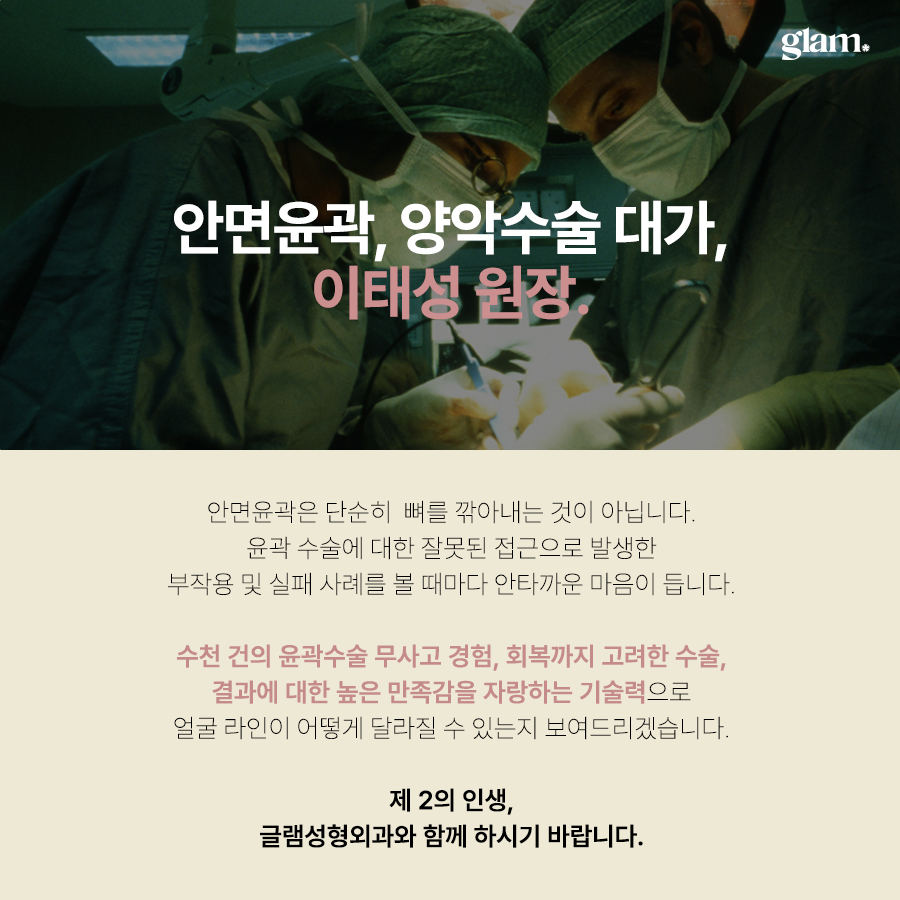
This focused approach means the team repeatedly handles similar jaw and facial bone cases, building experience with patterns and variations. It also allows the clinic to keep protocols and staff training closely aligned with facial bone surgery and recovery, rather than spreading attention across many unrelated treatments.
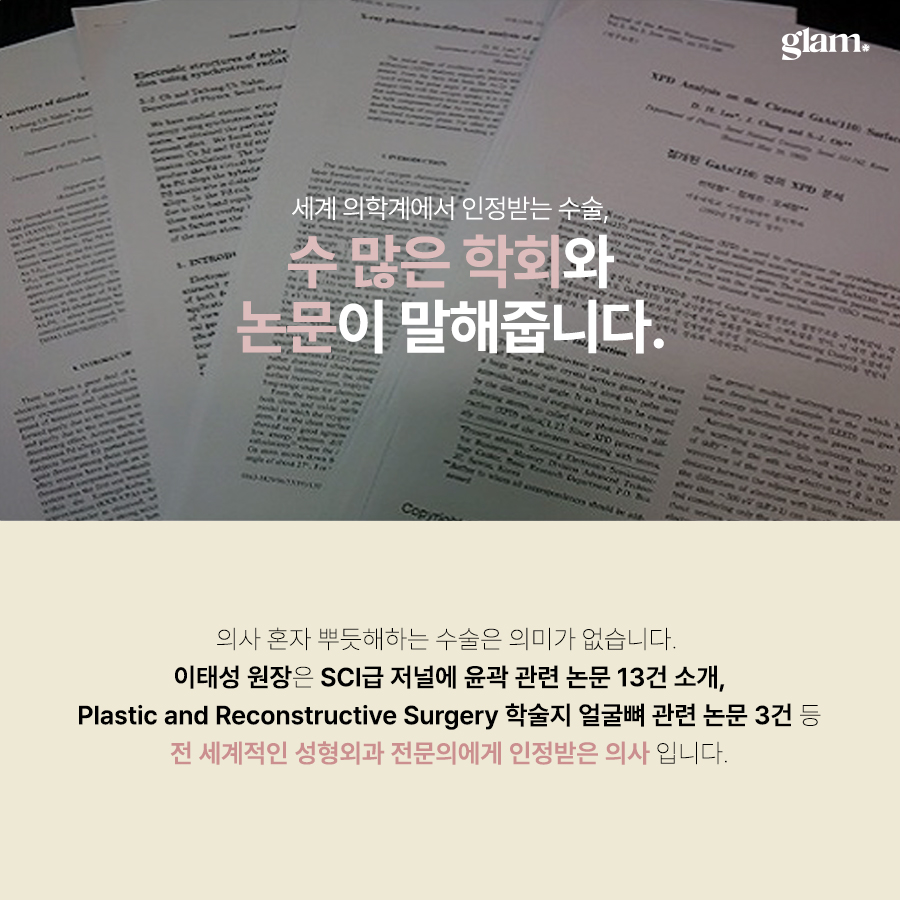
The lead surgeon at this center is a board-certified plastic surgeon with long-term experience in facial bone surgery. In addition to clinical work, the surgeon has an academic background that includes multiple peer-reviewed publications related to contouring and double jaw surgery.
For patients, this kind of academic record is not just a marketing point. It usually means the surgeon has experience tracking long-term results, managing complications, and using that data to plan surgery and aftercare more precisely.
How surgery is recommended and how the scope is decided
The surgeon reviews your bite, facial proportions, and medical condition, then decides which problem to address first. For example, if jaw correction alone can resolve functional issues and noticeably improve the lower face, the clinic may recommend starting with double jaw surgery and postpone or omit additional contouring, focusing first on safe chewing and basic facial balance.
Major facial bone surgery can feel overwhelming, and many patients worry about being recommended more procedures than they truly need. This clinic emphasizes a conservative philosophy: the lead surgeon performs the operations personally and aims to recommend only the minimum necessary surgery based on your bite, facial proportions, and overall medical safety.
In practice, this means that not every patient is advised to undergo all possible contouring options. Some may benefit from double jaw surgery alone, while others may need limited contouring in specific areas. The plan is based on detailed analysis rather than a fixed package.
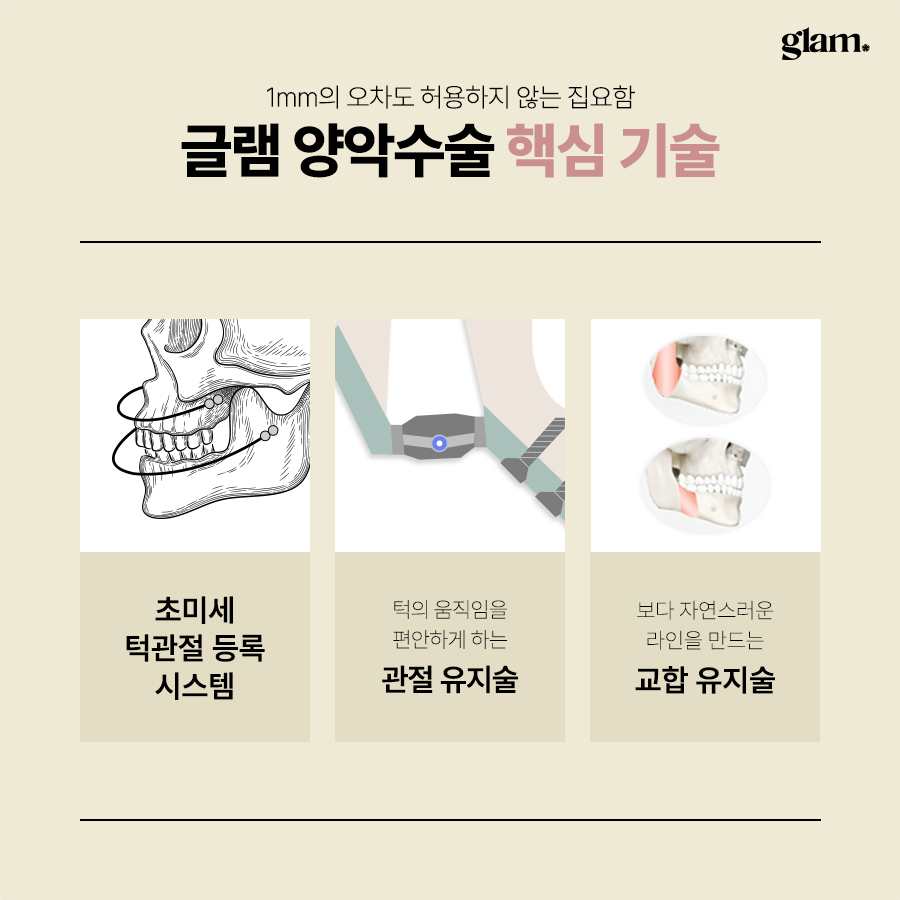
In selected cases, the clinic may perform double jaw surgery without intermaxillary fixation (wiring or tightly banding the jaws together). In such situations, internal fixation with plates and screws is used, and the patient may have more limited elastic guidance instead of full fixation. However, this is not suitable for everyone and depends on bone stability, bite goals, and individual anatomy.

There can also be cases where pre- or post-orthodontic treatment is not required, but this is again based on detailed diagnosis. The clinic does not promise this for all patients; it is decided after imaging, facial analysis, and discussion of functional and aesthetic priorities.
Suture techniques to help reduce nasal widening
When the upper jaw is moved during double jaw surgery, changes around the nose can occur, including the possibility of the nose appearing wider. This clinic uses specific suture techniques intended to help reduce the risk of noticeable nasal widening after surgery.
These techniques do not guarantee that the nose will look exactly the same as before, but they are designed to control soft tissue changes as much as possible while still allowing the necessary bone movement. During consultation, patients are encouraged to ask how jaw movement may affect the nose and midface, and what can be done to manage these changes.
Safety and anesthesia with a dedicated anesthesiologist
Double jaw and facial contouring surgeries are long and complex operations that require stable anesthesia and careful monitoring. At this clinic, a dedicated board-certified anesthesiologist is responsible for anesthesia and perioperative monitoring.
This clear division of roles allows the operating surgeon to focus entirely on the bone work, while the anesthesiologist continuously tracks vital signs, airway, fluid balance, and overall stability. Continuous monitoring throughout the procedure can help detect and address changes quickly, contributing to safer surgery.
Patients should feel free to ask about the anesthesia plan, what kind of monitoring is used, and how pain control is handled after surgery. Understanding these aspects can reduce anxiety and help set realistic expectations for the immediate postoperative period.

How surgery is planned: careful analysis and 3D thinking
Because double jaw and facial contouring surgery directly change the facial skeleton, planning is critical. This clinic uses detailed preoperative analysis, including imaging and bite evaluation, to understand both functional and aesthetic issues.
Three-dimensional planning helps determine how far to move each jaw segment, how to rotate the jaws, and how facial contouring will interact with these changes. The goal is to achieve a stable bite while also improving facial harmony from multiple angles.
Patients are encouraged to bring their concerns about chewing, speech, breathing, profile, and facial width to the consultation. The surgeon will typically explain what can and cannot be changed through bone surgery and how those changes might look in the context of the whole face.
Who may consider double jaw and facial contouring
Many people who come to this clinic are worried about both function and appearance at the same time. They may have trouble chewing or notice their teeth do not meet properly, and at the same time feel that their lower face looks wide, long, or uneven on one side. Others are mainly concerned about a prominent jaw angle or square jaw but also have an underlying bite problem that shows up when they close their mouth or smile. When these concerns overlap, the team considers whether double jaw surgery and facial contouring should be planned together or staged separately.
People who might consider these surgeries often share some of the following issues:
- Significant jaw misalignment that affects chewing or causes discomfort
- Noticeable facial asymmetry, such as one side of the jaw being longer or lower
- Severe jaw protrusion or a very receded lower jaw and chin
- A long face, short face, or very wide lower face that feels out of balance
- Prominent cheekbones that create a strong or harsh impression
Not everyone with these features needs surgery. Some people can adapt functionally, and mild asymmetries are common and normal. Surgery is usually considered when there is a combination of functional problems and aesthetic concerns, and when non-surgical options cannot address the underlying bone structure.
Online consultation and pre-visit preparation
For overseas patients, the first step is usually an online consultation. The clinic offers multilingual support in English, Japanese, and Thai, which can make communication easier for international visitors.
Before your online consultation, it is helpful to prepare:
- Clear front, side, and three-quarter facial photos in good lighting
- Any previous imaging related to your jaw or facial bones, if available
- A short description of your main concerns: bite, chewing, speech, appearance, or all of these
- Information about your general health, medications, and any past surgeries
During the online consultation, you can discuss whether double jaw surgery, facial contouring, or a combination might be appropriate in your case. The team can also give you a rough idea of how long you would need to stay in Korea and what kind of recovery timeline to expect, although final decisions are made after in-person examination and imaging.
Expected Korea visit timeline for surgery
Every case is different, but many international patients follow a general pattern like this:
1. Arrival and in-person consultation: Within the first few days in Seoul, you visit the clinic for a detailed facial analysis, imaging, and bite evaluation. The surgeon reviews your goals, explains possible plans, and discusses risks and limitations.
2. Surgical planning and consent: After reviewing your imaging and measurements, the clinic confirms the surgical plan, including whether double jaw surgery will be combined with cheekbone reduction, V-line contouring, or square jaw reduction. You receive explanations about anesthesia, hospital stay, and early recovery.
3. Operation day: The surgery is performed under general anesthesia with the dedicated anesthesiologist monitoring you throughout. The surgeon performs the bone movements and contouring personally, following the preoperative plan while adapting as needed during surgery.
4. Early postoperative period: You stay under close observation as you wake up from anesthesia. Swelling, discomfort, and limited jaw movement are expected. The medical team monitors your breathing, pain level, and overall condition.
5. Ongoing follow-up in Korea: Over the following days and weeks, you attend follow-up appointments to check healing, adjust elastic guidance if used, and begin supportive aftercare programs. The clinic will advise when it is safe to fly back home.
6. Long-term follow-up: After you return home, follow-up can continue via online consultations, photos, and any local imaging your doctor may request. Long-term stability of the bite and facial shape is monitored over months to years.
Postoperative care and supportive programs
After major facial bone surgery, swelling, bruising, and stiffness are normal. This clinic offers structured aftercare programs, including scheduled visits and skin care sessions, to help manage swelling, stiffness, and skin irritation. These are supportive treatments and do not replace the surgery itself.
LED light therapy is used to support skin recovery and help reduce inflammation. Gentle light at specific wavelengths can be applied to the face to support the healing environment.
Facial dome care involves using a specialized dome device over the face to provide controlled care aimed at comfort and gradual swelling management.

Total skin reset care focuses on helping the skin recover from the stress of surgery, taping, and swelling. It may include cleansing, soothing, and barrier-supporting steps under professional guidance.
Radiofrequency lifting is sometimes used later in the recovery process to support skin tightening and improve the feeling of firmness once the main swelling has decreased. Timing is important, and the clinic will usually wait until it is safe to apply such treatments.
These programs are tailored to the stage of healing and are meant to complement, not replace, the core bone work. Patients should understand that bone healing takes time, and final results are often evaluated many months after surgery.
Questions to prepare before consultation
Because these are major operations, it helps to clarify a few key points with the clinic during consultation, such as how long you should stay in Korea after surgery, what kind of jaw fixation or elastic use is expected in your case, and what level of swelling and diet restriction you should realistically plan for in the first weeks of recovery.
How will double jaw surgery change my bite, chewing, and speech?
What changes can I expect in my profile, facial width, and jawline?
Is intermaxillary fixation likely in my case, or could I be a candidate for surgery without it?
How long will I need to stay in Korea after surgery before it is safe to fly?
What are the main risks and possible complications in my situation?
How will this surgery affect my nose and midface, and what is done to manage nasal widening?
Bringing written questions helps you remember everything during a detailed consultation, especially when you may feel nervous or overwhelmed by information.

Location and convenience for international patients
The clinic is located in Gangnam, Seoul, on Dosan-daero near Sinsa Station Exit 1, about 200 meters on foot. This area is well known and relatively easy to access by public transport or taxi.
Weekday hours run from morning to early evening, and Saturday hours are shorter. There is no separate lunch break, which can be convenient if you need to schedule appointments around work or other commitments during your stay in Korea. The clinic is closed on Sundays and public holidays, so it is wise to plan your travel and follow-up visits accordingly.
Multilingual support in Japanese, English, and Thai helps international patients communicate clearly about symptoms, expectations, and concerns. This can be especially important when discussing complex topics like functional bite changes and long-term facial balance.
Frequently asked questions
Is double jaw surgery only for appearance, or does it also help function?
Double jaw surgery is usually considered when there is a combination of functional and aesthetic issues. It can improve how the upper and lower jaws meet, which may help chewing, speaking, and sometimes breathing. At the same time, it often changes the facial profile and front view. The exact balance between functional and aesthetic goals is discussed individually with each patient.
How long does it take to recover from double jaw and facial contouring surgery?
Most patients go through two main phases. In the first few weeks, swelling and bruising are most noticeable and daily life feels restricted. Over the next several months, the bones and soft tissue settle, and the final facial line gradually becomes clearer.
Initial recovery, when swelling and bruising are most noticeable, usually takes several weeks. Many patients feel more comfortable returning to daily activities after about four to six weeks, but this can vary. Bone healing continues for several months, and the final facial shape may not be fully visible until swelling has settled over six to twelve months. Your surgeon will give you a timeline tailored to your case.
Can everyone have double jaw surgery without intermaxillary fixation?
No. Whether intermaxillary fixation can be avoided depends on the stability of the planned bone movements, your bite goals, and your individual anatomy. In some cases, the clinic may perform surgery without full fixation, using internal plates and limited elastic guidance instead. However, this is not suitable or safe for all patients, and the decision is made after detailed planning.

Will my nose definitely look wider after double jaw surgery?
Changes around the nose are possible when the upper jaw is moved, and some patients notice differences in nasal shape or width. This clinic uses specific suture techniques intended to help reduce the risk of the nose appearing wider, but no method can guarantee that the nose will remain exactly the same. During consultation, you can review how your planned jaw movement may affect the nose and what can be done to manage those changes.
Soft call to action
If you are considering double jaw or facial contouring surgery to improve both function and facial balance, an online consultation can be a practical first step. By sharing photos, medical history, and your main concerns, you can receive a preliminary opinion on whether these procedures may be appropriate for you and what kind of Korea visit you might need.
The Gangnam clinic on Dosan-daero near Sinsa Station offers a focused environment for facial bone surgery, with a lead surgeon experienced in double jaw and contouring procedures and a dedicated anesthesiologist for safety. Multilingual support in English, Japanese, and Thai is available to help you understand your options clearly. When you are ready, you can contact the clinic to arrange an online consultation and begin planning your potential treatment journey in Seoul.






댓글
댓글 쓰기