Safe “Anmyeon Yungwak Jalhaneun Got” Facial Contouring Clinics in Gangnam for Overseas Patients: How to Choose a Clinic You Can Trust

Instead of relying only on before–after photos or price, it helps to use a few clear medical and system-based standards.
A facial contouring clinic for cheekbone reduction, V-line jaw contouring, square jaw reduction, revision contouring, and double jaw surgery should be evaluated by clear standards. Look for a clinic that focuses on facial bone surgery, is led by an experienced board-certified plastic surgeon, works with a dedicated anesthesiology specialist, plans surgery based on scientific evidence, and supports you with structured post-operative care.
This article explains how to evaluate such a clinic, using a specialized facial bone surgery center in Gangnam, Seoul, as a concrete example for international patients.
Facial contouring and double jaw surgery in plain terms
Facial contouring surgery is a group of facial bone procedures that change the shape and balance of the face. Typical procedures include cheekbone reduction, V-line jaw contouring, square jaw reduction, and revision facial contouring when previous surgery results are unsatisfactory.
Double jaw surgery involves repositioning the upper and lower jaws to improve facial balance and, in many cases, bite function. Because these are bone surgeries, they require precise planning, a deep understanding of facial anatomy, and careful safety management.
For overseas patients, it is important to understand that facial contouring is not a simple cosmetic treatment. It is closer to major facial bone surgery and should be approached with the same level of caution as any other operation involving general anesthesia and bone cutting.
Being good at facial contouring means more than having attractive before-and-after images. It means the clinic:
Has a clear focus on facial bone surgery
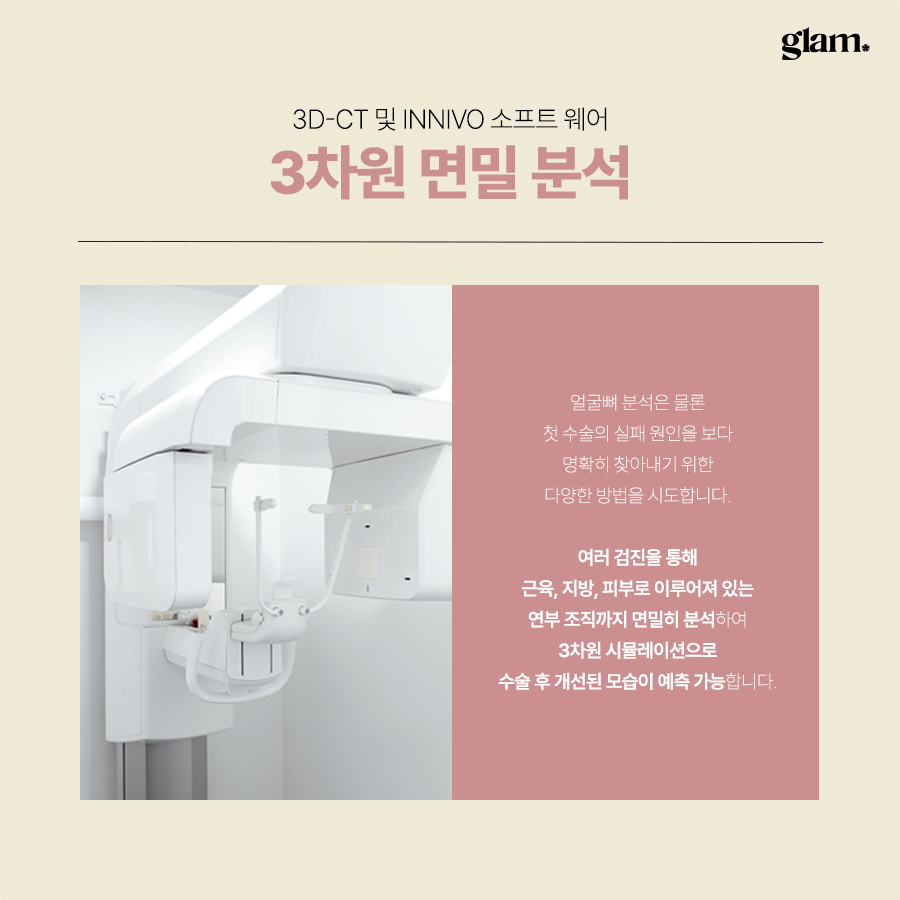
A high-level clinic for facial contouring and double jaw surgery usually concentrates on these procedures rather than offering every possible aesthetic treatment. When a clinic focuses on facial bone surgery, the medical team can accumulate large numbers of similar cases, refine their techniques, and develop systematic ways to prevent and manage complications.
A clinic that mainly performs double jaw surgery and facial contouring, instead of offering a wide mix of unrelated procedures, is more likely to have:
- • Deep experience with different facial shapes and bone structures
- • A structured approach to pre-operative analysis and planning
- • Established protocols for swelling, nerve protection, and recovery
Understands that facial contouring is bone surgery
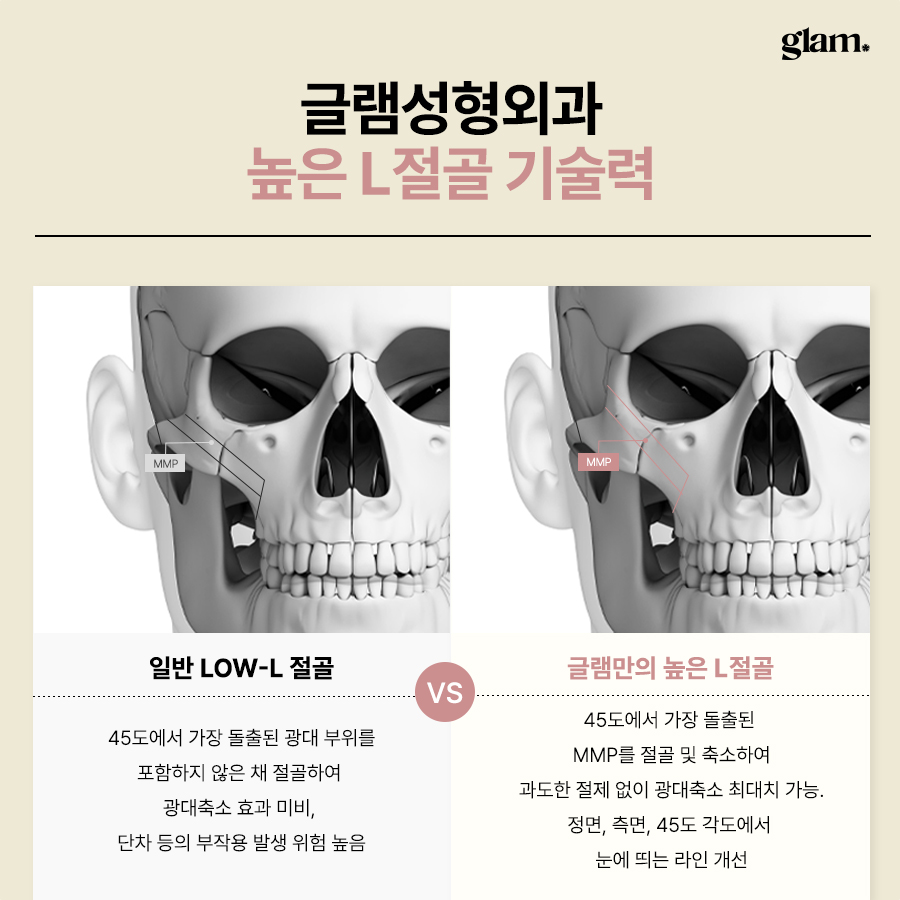
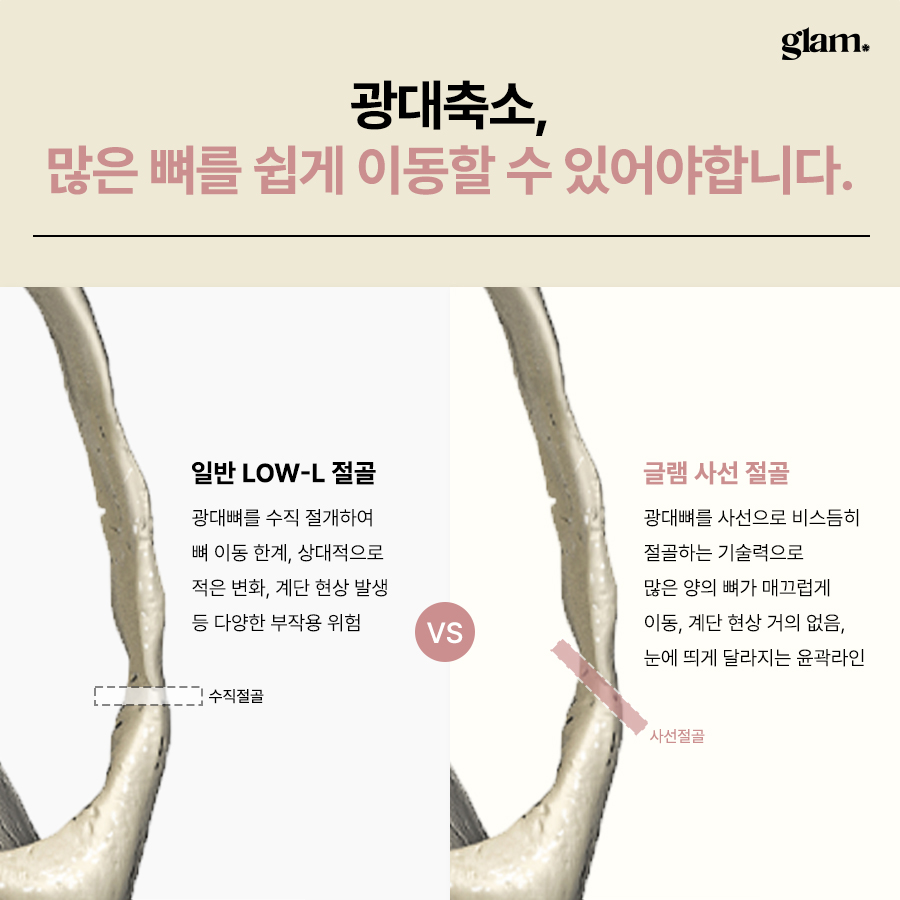
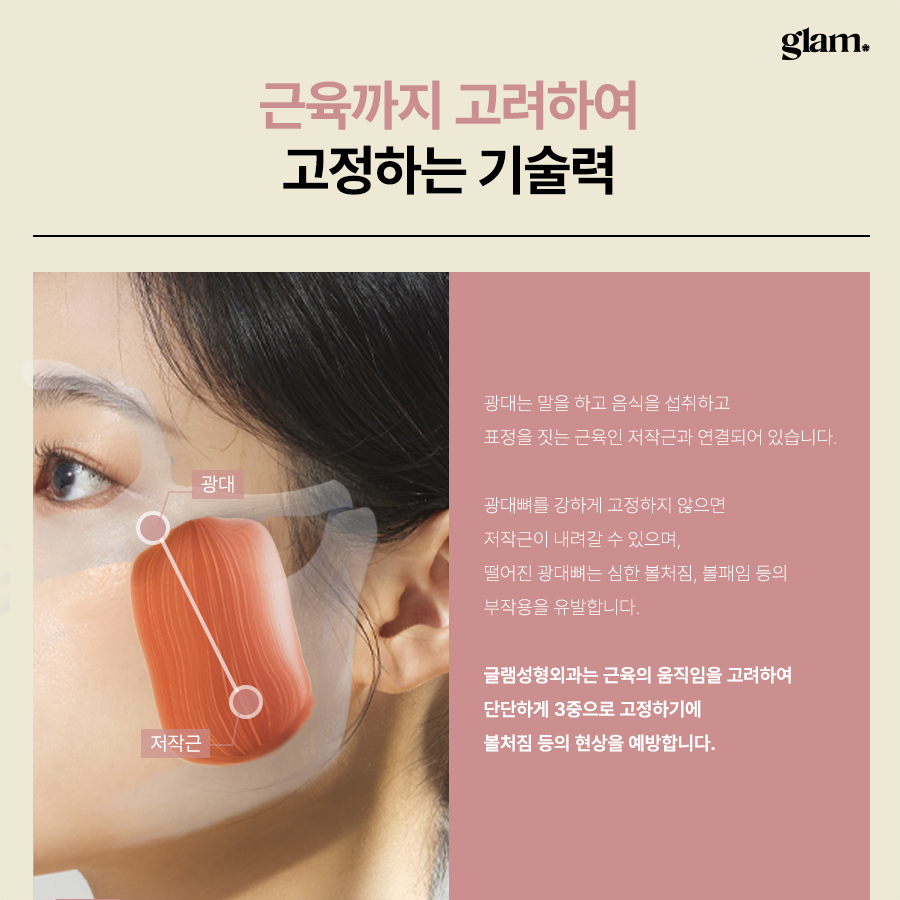
Facial contouring changes the bone structure of the face. This affects not only the visible shape but also the way soft tissues such as skin, fat, and muscles drape over the new bone frame. A good clinic:
• Studies the relationship between bone movement and soft tissue response
• Plans not only how much bone to remove or move, but also how the face will look when swelling is gone
• Considers bite, jaw joint function, and long-term stability, not just short-term appearance
Uses careful planning instead of aggressive cutting
More bone removal does not always mean a better result. A good facial contouring clinic aims for harmony:
- • Balancing the front and side views of the face
- • Matching the upper, middle, and lower thirds of the face
- • Preserving function and avoiding unnecessary risk
How to evaluate medical staff and expertise
When you are choosing a clinic for facial contouring or double jaw surgery, the qualifications and experience of the main surgeon are critical.
Board-certified plastic surgeon as main operator
For facial bone surgery, it is valuable to have a board-certified plastic surgeon as the main operating surgeon. This indicates formal training in facial anatomy, bone surgery, and reconstruction. It also suggests that the surgeon has passed standardized examinations and completed a structured residency program.
At the Gangnam clinic described here, facial bone procedures are performed by a board-certified plastic surgeon with long-term experience in facial bone surgery. Long-term experience matters because:
• Complex and revision cases require judgment built over many years
• The surgeon has likely encountered a wide range of anatomical variations
• Complication management is based on real clinical experience, not theory alone
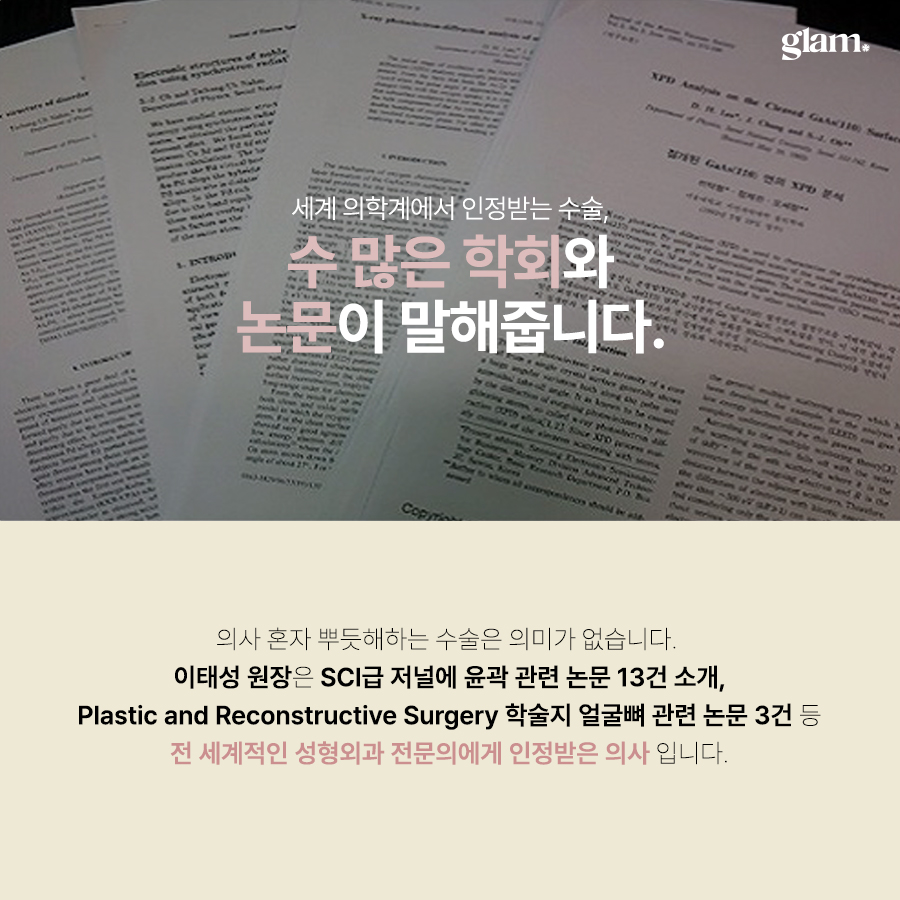
Academic evidence and SCI-level publications
Publishing in SCI-level journals means the surgeon’s research has been peer-reviewed by other experts.
- • Systematically studied facial bone surgery techniques and outcomes
- • Shared data on safety, complications, and long-term results
- • Contributed to international academic discussion, not just local marketing
For patients, this kind of academic background indicates that the clinic’s methods are based on evidence and continuous improvement, rather than only on trends or online popularity.
Safety system and anesthesia
Dedicated anesthesiology specialist
A key point to check is whether the clinic has a dedicated anesthesiology specialist, not just a general doctor who administers anesthesia part-time. A full-time anesthesiologist:
- • Monitors your vital signs continuously during surgery
- • Adjusts anesthesia depth according to surgical steps
- • Manages pain control and recovery from anesthesia
At the Gangnam clinic described here, anesthesia for facial bone surgery is managed by a dedicated anesthesiology specialist who is present throughout the operation. When comparing clinics, ask directly:
- • Who will be responsible for my anesthesia?
- • Is there a full-time anesthesiologist on site during the entire surgery?
- • What monitoring equipment is used in the operating room?
Transparent information about the anesthesiologist’s qualifications and presence is a positive sign of a safety-focused clinic.
They may fear that the clinic will recommend multiple procedures that are not truly necessary.
Minimal necessary surgery
A safety-focused clinic aims for the minimum necessary bone movement to achieve a balanced, natural result. This means:
• Analyzing your facial structure and bite carefully
• Explaining which parts of the bone actually need to be changed
• Avoiding unnecessary additional procedures that increase risk without clear benefit
At the example clinic, the lead surgeon performs the operation directly and bases the plan on both cosmetic and functional needs. This approach is especially important for revision contouring, where previous surgery has already changed the anatomy.
Honest, realistic consultation
During consultation, pay attention to how the surgeon communicates:
• Do they explain the limits of what surgery can achieve?
• Do they talk about possible side effects and recovery, not only the final look?
• Do they adjust the plan if you ask for something that may be unsafe or unbalanced?
A good clinic prioritizes realistic improvement and long-term harmony over dramatic, excessive changes. If every suggestion is about making the face as small or as sharp as possible without discussion of function, it may be a warning sign.
Technical features and planning in facial bone surgery
High-quality facial contouring and double jaw surgery depend on detailed pre-operative planning.
Important points in planning include:
• Occlusion: how the upper and lower teeth meet. Even if you are mainly concerned about facial shape, occlusion affects jaw stability and long-term comfort.
• Facial symmetry: comparing left and right sides, including cheekbones, jaw angles, and chin position.
• Profile balance: harmony between forehead, nose, lips, and chin when viewed from the side.
• Soft tissue response: predicting how skin and soft tissue will drape over the new bone structure.
Advanced concepts and techniques
Some advanced features that may be discussed at a specialized clinic include:
• Double jaw surgery without intermaxillary fixation in selected cases, which may allow earlier mouth opening and more comfortable recovery. Whether this is possible depends entirely on your individual condition and must be decided by the surgeon.
• Situations where pre- or post-operative orthodontic treatment might be reduced or omitted, based on the stability of the bite and jaw position. Again, this is highly individualized.
• Techniques to help prevent nasal widening after surgery, such as specific suturing methods to reduce nose spreading. This kind of detail can make a visible difference in the final appearance, especially in profile and frontal views.
When you consult, ask the surgeon to explain how they plan for occlusion, symmetry, and soft tissue changes, and whether they use any special techniques to control side effects such as nose widening.
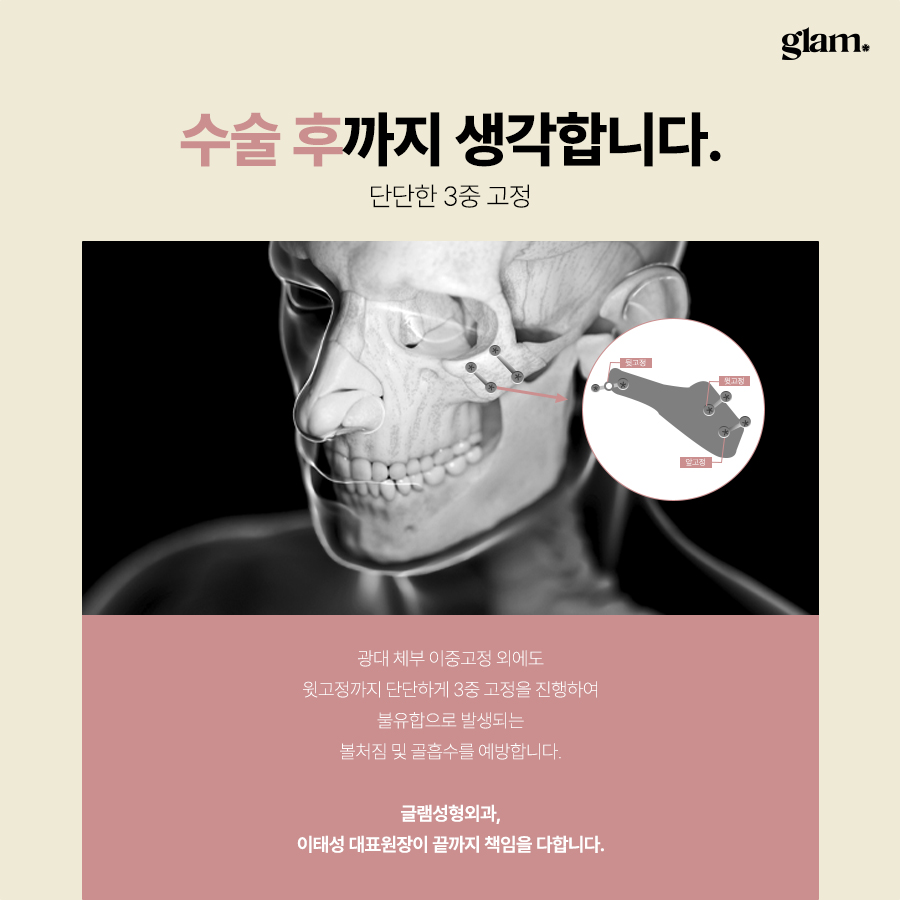
Post-operative care and swelling management
Even with excellent surgical technique, recovery plays a large role in how your final result settles. Facial bone surgery causes significant swelling, bruising, and temporary changes in sensation.
Importance of structured post-op care
A good clinic offers a structured program to support recovery. The goals are:
- • Reducing swelling more quickly and comfortably
- • Supporting soft tissue healing
- • Helping the face settle smoothly over the new bone structure
Typical recovery-support programs
At the Gangnam clinic described here, post-operative care may include:
ten and adapt to the new contour.
These treatments are supportive measures, not a replacement for precise surgery or proper self-care. You will still need to follow instructions on sleeping position, cold and warm compresses, oral hygiene, diet progression, and activity limitations.
Who may consider facial contouring or double jaw surgery
Facial contouring and double jaw surgery may be considered by adults who:
• Are unhappy with prominent cheekbones, a wide or square jaw, or an unbalanced lower face
• Have asymmetry from previous surgery or trauma and are considering revision contouring
• Have both functional and aesthetic concerns related to jaw position that might be improved with double jaw surgery
However, not everyone is a suitable candidate. Your general health, bone structure, and expectations must be carefully evaluated. A proper consultation with imaging and physical examination is essential before any decision.
Online consultation and pre-visit preparation for overseas patients
If you are planning to visit Korea for facial contouring or double jaw surgery, online pre-consultation is very helpful.
Multilingual support and contact channels
The Gangnam clinic introduced here offers multilingual support for international patients and provides consultation through social media and messaging channels.
The Gangnam clinic introduced here offers multilingual support in Japanese, English, and Thai, and provides consultation through social media and messaging channels. This can make it easier to:
- • Share your concerns and goals before traveling
- • Send facial photos, X-rays, or CT scans if available
- • Receive a preliminary assessment and a rough treatment plan
What to prepare before online consultation
To make your online consultation more effective, prepare the following:
• Front, 45-degree, and side-view photos of your face with neutral expression
• Any records of previous facial surgeries, including dates and operative notes if you have them
• Information about your general health, medications, and allergies
• A list of questions you want to ask about procedures, anesthesia, recovery, and follow-up
Expected Korea visit timeline for facial contouring patients
Every case is different, but many overseas patients follow a similar timeline.
Typical schedule
• Day 1–2: In-person consultation, imaging (such as X-rays or CT), detailed planning, and pre-operative tests.
• Day 3–5: Surgery date, followed by one or more nights of close monitoring depending on the procedure.
• First 1–2 weeks: Frequent visits for dressing changes, swelling management, and early post-op care.
• Weeks 3–4: Continued follow-up, removal of stitches if needed, and supportive treatments such as LED therapy or facial dome care.
Many international patients stay in Korea for at least 2–3 weeks after facial contouring or double jaw surgery, sometimes longer for complex or revision cases. The clinic will advise you on the minimum recommended stay based on your individual plan.
Aftercare once you return home
After you leave Korea, long-term follow-up is still important.

Remote follow-up
A clinic experienced with overseas patients will usually offer:
- • Online check-ins using photos or video calls
- • Guidance on when to resume exercise, travel, and other activities
- • Advice on managing residual swelling and sensation changes
You should also know when to seek local medical attention in your home country, for example in case of fever, unusual pain, or sudden swelling. Before leaving Korea, ask the clinic to provide written instructions and contact information for urgent questions.
Practical information and accessibility
Location
The clinic described here is located on the 4th floor, 138 Dosan-daero, Gangnam-gu, Seoul. It is about 200 meters from Sinsa Station Exit 1, making it easily accessible on foot from the subway.
Operating hours and convenience
The clinic operates on weekdays and Saturdays, and there is no lunch break in consultation hours. This can be convenient for working patients and for overseas visitors who have limited time and need to fit multiple appointments into a short stay.
How to choose your own clinic
When you actually start comparing clinics for facial contouring and double jaw surgery, it can be helpful to narrow your checklist down to a few key questions. It is especially important to confirm for yourself whether the clinic can accurately understand your bone condition, whether the pre- and post-operative processes are explained in concrete detail, and whether there are clear communication channels for overseas patients.
• Specialization: Does the clinic mainly perform facial bone surgery (double jaw and contouring), or is it one of many unrelated services?
• Main surgeon: Is the operating surgeon a board-certified plastic surgeon with substantial facial bone experience?
• Academic background: Are there SCI-level publications, especially in recognized journals such as Plastic and Reconstructive Surgery?
• Anesthesia: Is there a full-time anesthesiology specialist present during surgery?
• Surgeon involvement: Does the main surgeon perform the operation personally, rather than delegating key steps?
• Explanation of necessity: Does the surgeon clearly explain why each recommended procedure is needed and what would happen if it is not done?
• Post-op care: Are there structured post-operative programs and clear follow-up protocols, including for overseas patients?

Before your consultation, it can be helpful to write down specific questions, such as:
• How many facial contouring and double jaw surgeries does the clinic perform per year?
• What is the typical recovery timeline for someone with my facial structure and health condition?
• What are the most common side effects, and how are they managed?
• How will follow-up be handled once I return to my home country?
By asking the same questions at several clinics, you can compare not only the answers but also how clearly and honestly they are delivered.
Is facial contouring surgery safe for overseas patients traveling to Korea?
However, all surgery carries risks, and traveling adds extra considerations such as flight timing, accommodation, and access to follow-up. It is important to share your full medical history, allow enough time in Korea for initial recovery, and maintain communication with the clinic after you return home.
How long does swelling last after cheekbone or jaw contouring?
Swelling is usually most intense in the first week and then gradually decreases over several weeks. Many patients feel socially more comfortable after about 3–4 weeks, although subtle swelling can continue to improve for several months. Post-operative care programs such as LED therapy, facial dome care, and radiofrequency lifting can support this process, but they do not replace the need for time and proper self-care.
Can revision facial contouring fix unsatisfactory results from previous surgery?
Revision facial contouring can improve many issues from previous surgery, such as asymmetry, over- or under-reduction, or contour irregularities. However, revision cases are more complex because the anatomy has already been changed and there may be scar tissue. A surgeon with long-term experience in facial bone surgery and a strong academic background is particularly important for revision. A detailed consultation with imaging is necessary to understand what is realistically possible.

How do I know if I need double jaw surgery or only jaw contouring?
Whether you need double jaw surgery or only jaw contouring depends on your bite, jaw position, and facial balance. If your bite is relatively stable and your concern is mainly about the outer shape of the jaw, contouring alone may be considered. If there are significant bite problems or jaw misalignment, double jaw surgery may be more appropriate. Only a full evaluation by an experienced surgeon, including imaging and functional assessment, can determine the best option for you.
If you are considering facial contouring, square jaw reduction, cheekbone reduction, revision contouring, or double jaw surgery in Korea, an online consultation is a practical first step. You can discuss your goals, share photos and medical information, and receive a preliminary opinion on suitable procedures and expected recovery.
By comparing several clinics using the criteria in this guide, and by asking clear, detailed questions, you can choose a facial bone surgery clinic that matches your needs in terms of safety, expertise, and long-term facial harmony.
This article is for general information only and does not replace a personal consultation with qualified medical staff. Individual suitability, risks, and outcomes vary, and all decisions about surgery should be made after direct evaluation and discussion with your medical team.






댓글
댓글 쓰기