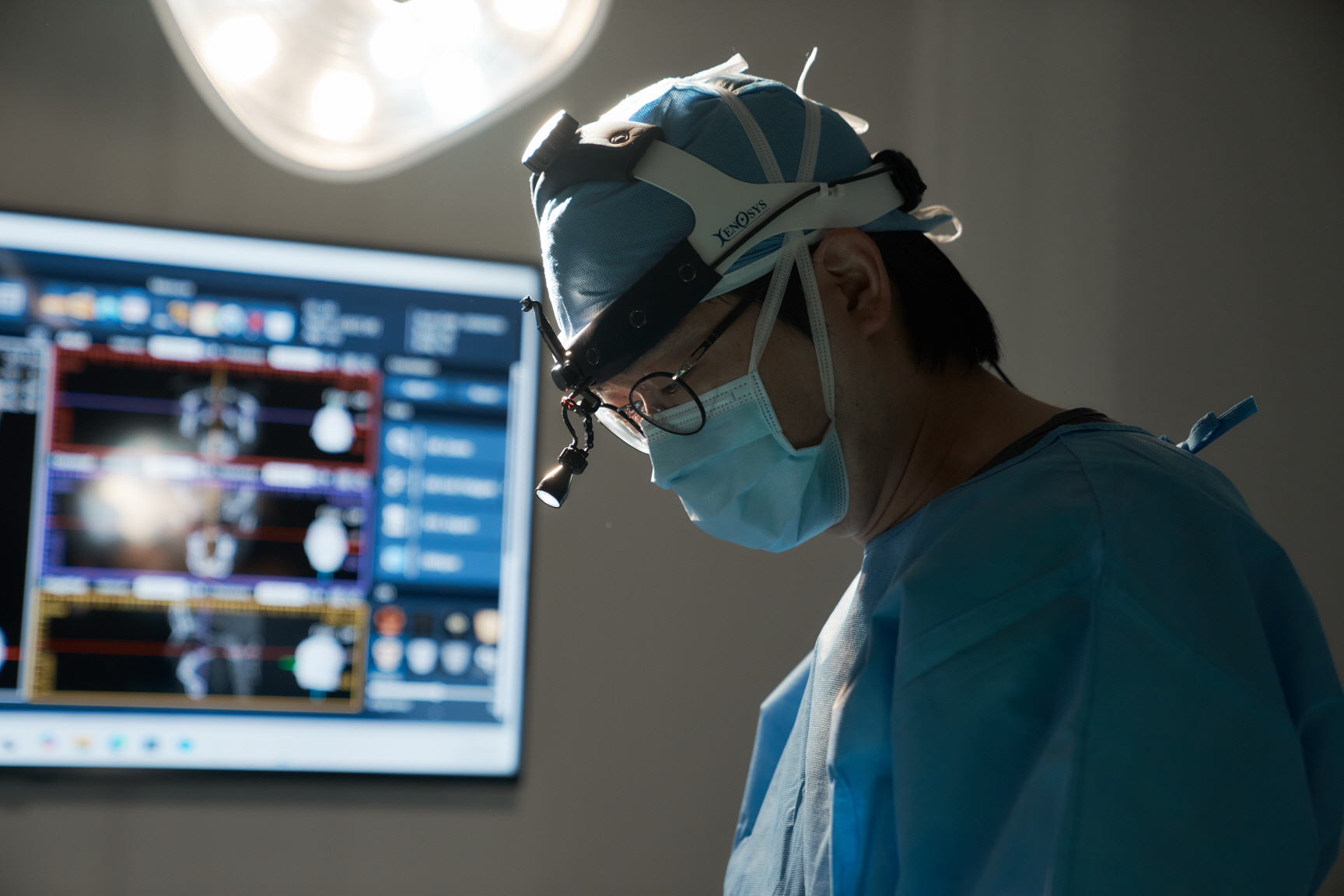
[썸네일]https://contentsbox-images.s3.ap-northeast-2.amazonaws.com/transformed/caa920e5997a4b7f8038759823bad41d.jpg
Direct answer: what is a good place for double jaw surgery?
When people search for the best place for double jaw surgery, what they usually need is not a flashy clinic, but a focused facial bone center with clear specialization, experienced surgeons, a dedicated anesthesiologist, and structured pre‑ and post‑operative care.
A good clinic for double jaw surgery is one that:
Focuses on facial bone surgery such as double jaw and contouring, rather than offering every possible cosmetic procedure.
Has a board‑certified plastic surgeon with many years of facial bone experience.
Works with a board‑certified anesthesiology and pain medicine specialist for general anesthesia.
Provides detailed diagnosis, imaging, and a realistic explanation of risks, recovery, and limitations.
Offers organized aftercare to support swelling control, comfort, and follow‑up.
In Gangnam, Seoul, there are specialized facial bone centers near Sinsa Station that match these points. One example is S&B Eye Clinic, which has built a system around facial bone surgery and structured safety, while keeping its treatment lineup intentionally narrow.
Overview of double jaw surgery and facial bone contouring
Double jaw surgery, also called orthognathic surgery, is a high‑difficulty facial bone operation. It involves repositioning both the upper and lower jaw bones to improve facial balance, jaw function, and the relationship between the jaws.
Because the facial skeleton and bite are changed, this type of surgery requires careful planning, precise bone movement, and close monitoring during and after the operation. It is often combined with facial contouring procedures such as cheekbone reduction, V‑line surgery, or square jaw surgery, depending on the patient’s facial structure and goals.
At a facial bone–focused clinic in Gangnam, the typical treatment lineup may include:
[이미지복붙]https://contentsbox-images.s3.ap-northeast-2.amazonaws.com/transformed/87b65e62a10f47c9913b64fa428fcdb6.jpg
Double jaw surgery for jaw position and facial balance.
Revision double jaw surgery for patients who had surgery elsewhere and need correction.
Cheekbone reduction to address wide or prominent cheekbones.
V‑line or square jaw surgery to refine the lower face and jaw angle.
Revision facial contouring for previously operated areas.
In addition, these clinics often run post‑operative care programs that support recovery after bone surgery, such as LED therapy, facial care programs for swelling and skin condition, and high‑frequency lifting devices used as part of recovery and skin management. These are supportive measures, not guaranteed outcome changers, but they can make the recovery period more manageable for many patients.
What “a good place for double jaw surgery” really means
When you look online, many clinics claim to be the best. For a high‑difficulty operation like double jaw surgery, it is more helpful to focus on structure and specialization than on marketing phrases or dramatic photos.
Key elements that define a good clinic for double jaw surgery include:
Clear specialization in facial bone surgery
A truly focused facial bone center builds its systems, equipment, and staff training around double jaw and facial contouring. Instead of offering eye, nose, breast, and body procedures, it concentrates on jaw and facial bone work and the related recovery care.
This narrow focus allows the team to:
Accumulate high case volume in a specific area.
Standardize protocols for imaging, planning, and fixation.
Refine methods for swelling control and post‑operative management.
Experienced, board‑certified plastic surgeon
According to S&B Eye Clinic’s own information as of February 2025, its lead surgeon is a board‑certified plastic surgeon with around 20 years of experience in facial bone surgery. He previously headed a facial bone center at a large, well‑known contouring hospital, graduated from a top national medical school, completed training at major university hospitals, and received additional training at a university medical center in Seattle.
For patients, this kind of background suggests that the surgeon has:
Long‑term exposure to complex facial bone cases.
Experience managing both primary and revision surgeries.
A foundation in academic medicine and standardized techniques.
Dedicated anesthesiologist and safety system
Double jaw surgery is usually performed under general anesthesia and often takes several hours. A good clinic will have a board‑certified anesthesiology and pain medicine specialist in charge of anesthesia.
At a specialized center in Gangnam, the team structure may include:
One board‑certified plastic surgeon who performs the facial bone surgery.
One board‑certified anesthesiology and pain medicine specialist serving as anesthesia director.
The anesthesiologist’s role is crucial for:
Continuous monitoring of vital signs during general anesthesia.
Managing the airway and breathing, especially when operating around the jaw.
Adjusting anesthesia depth and pain control as the operation progresses.
Responding quickly to any intra‑operative changes.
Systematic pre‑operative evaluation and post‑operative care
A good place for double jaw surgery does not treat the operation as a single event. Instead, it sets up a pathway that covers:
[이미지복붙]https://contentsbox-images.s3.ap-northeast-2.amazonaws.com/transformed/393a6862a78b4040816d500ebfdef655.jpg
Detailed consultation about facial structure and functional issues.
Imaging such as X‑ray or CT to plan precise bone movement.
Risk assessment and medical screening before anesthesia.
Structured follow‑up visits and recovery support.
Post‑operative care programs such as LED therapy, facial care for swelling, and high‑frequency lifting devices are used to support healing and comfort. They are not magic solutions, but they can help patients feel more supported during the recovery period.
Clinic specialization and treatment lineup in Gangnam
In the Sinsa Station area of Gangnam, you can find a facial bone–focused center like S&B Eye Clinic that concentrates its resources on double jaw and facial contouring surgery. Rather than offering a long menu of unrelated cosmetic procedures, the clinic’s main services revolve around:
Double jaw surgery and revision double jaw surgery.
Cheekbone reduction and revision cheekbone surgery.
V‑line and square jaw surgery, including revision contouring.
This limited lineup is intentional. By focusing on facial bone surgery and related recovery care, the clinic aims to:
Maintain a high level of familiarity with facial bone anatomy and variations.
Standardize its planning and surgical techniques for jaw and contouring cases.
Invest in equipment and staff training that directly support these procedures.
Alongside surgery, the clinic provides supportive post‑operative care, for example:
LED therapy sessions during the early recovery period.
Facial care programs to help manage swelling and maintain skin condition.
High‑frequency lifting devices used as part of recovery and skin management.
These programs are designed to accompany bone surgery and help patients through the healing process. They should be viewed as supportive care rather than as guarantees of a particular cosmetic result.
Medical staff and academic background
For many international patients, it can be difficult to judge a surgeon’s skill from photos alone. Academic activity can provide an additional, more objective reference.
[이미지복붙]https://contentsbox-images.s3.ap-northeast-2.amazonaws.com/transformed/dd3c513a6df54ef9843c921b3750a44b.jpg
Based on the clinic’s own information as of February 2025, the lead surgeon at this Gangnam facial bone center has:
Around 20 years of experience in facial bone surgery.
Experience as the head of a facial bone center at a large contouring hospital.
Education from a top national medical school.
Training completed at major university hospitals in Korea.
Additional training at a university medical center in Seattle.
In terms of academic work, he has:
Published 13 SCI‑level papers as first or corresponding author in the field of contouring and double jaw surgery.
Among these, 3 papers have appeared in the journal Plastic and Reconstructive Surgery.
For patients, this kind of academic background suggests that the surgeon is involved in:
Developing and refining standardized techniques.
Analyzing outcomes and complications in a structured way.
Submitting work to peer review, which provides an external check on methods and results.
While academic publications do not guarantee a specific outcome for any one individual, they can give you more confidence that the surgeon’s methods have been examined beyond internal marketing materials.
Anesthesia and safety system
Safety should be one of your main criteria when choosing a place for double jaw surgery, especially if you are traveling from overseas.
At a specialized facial bone clinic in Gangnam, the safety system typically includes:
A board‑certified plastic surgeon responsible for the facial bone operation.
A board‑certified anesthesiology and pain medicine specialist as anesthesia director.
During surgery, the anesthesiologist:
Monitors heart rate, blood pressure, oxygen levels, and other vital signs.
Manages the airway, which is especially important when the jaw is being operated on.
Adjusts anesthesia levels to keep you safe and comfortable.
Handles pain control during and immediately after surgery.
The clinic also conducts pre‑operative assessments to check your general health, review your medical history, and evaluate whether any additional precautions are needed. These steps help reduce, but cannot completely remove, the risks associated with long operations under general anesthesia.
[이미지복붙]https://contentsbox-images.s3.ap-northeast-2.amazonaws.com/transformed/31f5d5fe441d4ec0802bab2e5e430d36.jpg
Surgical philosophy and protocols
A specialized facial bone clinic in Gangnam usually emphasizes a clear surgical philosophy. In the case of S&B Eye Clinic, the stated approach includes:
The lead surgeon performs the operations directly, rather than delegating key steps.
Treatment plans are based on individual diagnosis, with an effort to propose only the minimum necessary surgery instead of adding procedures without clear indication.
Several protocol features are designed to address common patient concerns. These should always be understood as efforts to reduce discomfort or risk, not as guarantees.
Jaw fixation and comfort
Traditional double jaw surgery often involved prolonged intermaxillary fixation, where the jaws are wired or tightly banded together. Modern approaches at some clinics aim to reduce or avoid prolonged fixation when clinically appropriate.
At a specialized center, the surgical plan and fixation method may be chosen to:
Provide stable bone healing.
Allow earlier jaw movement where possible.
Improve post‑operative comfort compared to older methods.
However, the exact approach depends on your bone condition, the amount of movement needed, and the surgeon’s judgment. In some cases, stronger fixation or longer restriction may still be necessary.
Eye clinic treatment considerations
In certain situations, facial bone surgery can affect the area around the eyes or may be combined with other procedures. Some clinics mention that, depending on the patient’s condition, they may design treatment plans that reduce the need for separate eye clinic treatment before or after surgery.
This is not universal and must be decided case by case. Any decision about eye‑related issues should involve both an ophthalmologist and the facial bone surgeon. Patients should not assume that eye clinic visits will be unnecessary.
Nasal changes and support techniques
Double jaw and facial bone surgery can sometimes influence the shape of the nose, for example by causing widening at the base. To address this, some clinics use suture and support techniques around the nose area intended to help reduce the risk of nasal widening.
It is important to remember:
These techniques are efforts to manage risk, not guarantees that the nose will not change.
Individual anatomy, bone movement, and healing patterns all affect the final result.
[이미지복붙]https://contentsbox-images.s3.ap-northeast-2.amazonaws.com/transformed/02ad4dd8780e44cfa8b86adcbc55c49d.jpg
Overall, no technique can completely eliminate all risks or side effects. A responsible clinic will explain this clearly.
Who may consider double jaw surgery
Double jaw surgery is not a simple cosmetic procedure. It may be considered by people who:
Have a noticeably protruding or recessed jaw that affects facial balance.
Experience functional issues such as difficulty chewing or jaw discomfort related to jaw position.
Have an open bite or misaligned jaws that cannot be addressed by minor procedures alone.
Previously had jaw or facial bone surgery elsewhere and are dissatisfied with the result or have functional problems.
International patients should have realistic expectations and understand that:
Recovery takes time and involves swelling, temporary discomfort, and dietary restrictions.
Results vary from person to person.
Additional procedures or adjustments may sometimes be needed.
Patient journey and consultation process at a specialized facial bone clinic
If you visit a focused facial bone center in Gangnam, your journey typically follows several stages.
Initial consultation
The first step is a detailed consultation where the surgeon or clinical staff will:
Listen to your concerns about facial balance, jaw position, and any functional issues.
Review your medical history and any previous operations.
Explain what double jaw surgery and facial contouring can and cannot achieve.
Imaging and diagnosis
Next, the clinic usually performs imaging and measurements, such as X‑ray or CT scans. These are used to:
Analyze jaw position and facial bone structure in three dimensions.
Measure the amount and direction of bone movement needed.
Check for asymmetry or other structural issues.
Treatment planning
Based on the diagnosis, the surgeon will discuss:
Whether double jaw surgery alone is sufficient, or whether additional contouring (cheekbone, V‑line, square jaw) is being considered and why.
The planned direction and amount of bone movement.
Fixation methods and whether prolonged jaw fixation is expected.
The expected hospital stay and follow‑up schedule.
[이미지복붙]https://contentsbox-images.s3.ap-northeast-2.amazonaws.com/transformed/30b3e61a088a425db84f6136174f5d80.jpg
Risk explanation and consent
A good clinic will explain not only the potential benefits but also:
Possible complications such as infection, nerve changes, asymmetry, or the need for revision.
The expected timeline of swelling reduction and return to daily activities.
Limitations of surgery and the fact that no result can be guaranteed.
Two‑way communication is essential. You should feel free to ask detailed questions and take time to decide whether the plan matches your goals and risk tolerance.
Online consultation and pre‑visit preparation for overseas patients
If you live outside Korea, you can usually start with an online consultation.
Online consultation
Most specialized clinics in Gangnam, including S&B Eye Clinic, offer online channels such as:
Multilingual websites in Japanese, English, and Thai.
Social media platforms like Instagram and YouTube.
Messaging channels for inquiries.
These tools are helpful for:
Sending photos and basic information.
Explaining your main concerns and goals.
Receiving a preliminary opinion about whether you might be a candidate.
However, these channels are for information and communication only. They are not a substitute for a full medical consultation with imaging and physical examination.
Pre‑visit preparation
Before you travel, it is useful to:
Prepare your medical history, including any previous surgeries and current medications.
Collect records or images from any past facial bone procedures.
Discuss travel plans, expected stay, and possible companions with the clinic.
Clarify payment methods, estimated costs, and what is included in the package.
Expected Korea visit timeline
The exact schedule varies by clinic and by individual case, but a typical timeline for an overseas patient might look like this.
First 1–2 days
In‑person consultation and imaging.
Finalization of the surgical plan after reviewing X‑ray or CT scans.
Pre‑operative health checks and anesthesia assessment.
Surgery day
Admission to the clinic or partner facility.
Double jaw surgery, with or without additional contouring, under general anesthesia.
Monitoring in the recovery area after surgery.
[이미지복붙]https://contentsbox-images.s3.ap-northeast-2.amazonaws.com/transformed/dd84e971d7224972a69cb6976890155a.jpg
First week after surgery
In‑clinic checks to monitor swelling, pain control, and wound condition.
Instructions on oral care, diet, and activity limitations.
Possible start of gentle post‑operative care such as LED therapy, depending on your condition.
Second to third week
Additional follow‑up visits.
Continuation of supportive care programs for swelling and skin condition as advised.
Gradual transition from liquid to soft foods, depending on your progress and the surgeon’s guidance.
Total stay in Korea
Many overseas patients plan to stay in Korea for at least 2–3 weeks after double jaw surgery. Your surgeon will recommend the minimum safe stay based on your case and travel distance.
Aftercare and long‑term follow‑up
After you return home, you will still be in the healing phase. A responsible clinic will:
Provide written instructions for diet, activity, and oral care.
Explain warning signs that require urgent attention.
Offer remote follow‑up by reviewing photos or scans when needed.
Post‑operative care programs such as LED therapy, facial care, and high‑frequency lifting devices are typically concentrated in the early recovery period while you are still in Korea. Their goal is to support swelling management and skin condition, not to change the underlying bone result.
Nerve sensations, minor asymmetries, and stiffness can take several months to settle. Your final facial line may not be visible until swelling has significantly decreased.
Accessibility and clinic environment in Gangnam
Location
S&B Eye Clinic is located on Dosan‑daero in Gangnam, about 200 meters on foot from exit 1 of Sinsa Station. This makes it relatively easy to access by subway and convenient for follow‑up visits.
Operating hours
Weekdays: 10:00 a.m. to 6:30 p.m.
Saturday: 10:00 a.m. to 4:00 p.m.
Closed on Sundays and public holidays.
No separate lunch break, which can be convenient if you are trying to fit visits around other plans.
International and digital access
The clinic provides multilingual website support in Japanese, English, and Thai, and maintains active social media channels such as Instagram, YouTube, and a messaging channel. These are useful for gathering information and asking initial questions, but final medical decisions must be based on in‑person consultation and imaging.
[이미지복붙]https://contentsbox-images.s3.ap-northeast-2.amazonaws.com/transformed/d80c9a44c26b40ef92ee830bece6f3af.jpg
How to choose your own clinic for double jaw surgery
Using the Gangnam facial bone center as an example, you can apply the following checklist when evaluating any clinic:
Specialization
Is the clinic clearly focused on facial bone surgery, such as double jaw and contouring, rather than offering a long list of unrelated cosmetic procedures?
Surgeon’s credentials
Is the operating surgeon a board‑certified plastic surgeon with substantial experience in facial bone surgery, including complex and revision cases?
Anesthesia safety
Is there a board‑certified anesthesiology and pain medicine specialist in charge of anesthesia during surgery?
Academic background
Does the surgeon have published academic work or other objective credentials in facial bone surgery, such as SCI‑level papers or presentations at scientific meetings?
Communication style
Does the clinic explain the surgical plan, fixation methods, expected hospital stay, and follow‑up schedule in detail?
Are risks, limitations, and the possibility of revision discussed openly, without absolute promises?
Post‑operative care
Is there a structured system for swelling management, pain control, and follow‑up visits?
Are supportive care programs offered as part of recovery, with realistic explanations of their role?
Practical access
Are the location and consultation hours convenient enough to allow for multiple follow‑up visits during your stay in Korea?
Does the clinic provide multilingual support and clear guidance for international patients?
FAQ for overseas patients
Is double jaw surgery only for cosmetic reasons?
No. While many patients seek a more balanced facial profile, double jaw surgery also addresses functional issues related to jaw position and bite. Your individual reasons may be cosmetic, functional, or both.
How long will I need to stay in Korea?
Many international patients stay for about 2–3 weeks after surgery, but the exact period depends on your condition and the surgeon’s recommendation. You should not plan to leave earlier than the minimum safe period suggested by your clinic.
Will my jaws be wired shut?
Some modern techniques aim to reduce or avoid prolonged jaw fixation, but this depends on your specific case. Your surgeon will explain the planned fixation method and how it may affect your ability to open your mouth and eat after surgery.
[이미지복붙]https://contentsbox-images.s3.ap-northeast-2.amazonaws.com/transformed/bc1cbd36f65841c78ecbf3b59ba052c6.jpg
Can post‑operative care programs guarantee faster recovery?
Supportive programs like LED therapy, facial care, and high‑frequency lifting devices are intended to help manage swelling and support skin condition. They may make recovery more comfortable for many patients, but they cannot guarantee a specific speed or degree of recovery.
Are results permanent?
Bone repositioning is generally long‑lasting, but the final appearance can be influenced by aging, weight changes, and individual healing patterns. No clinic can promise a permanent or perfect result.
Is online consultation enough to decide on surgery?
Online consultation is a good starting point, but it cannot replace an in‑person examination and imaging. Final decisions about surgery should only be made after thorough evaluation at the clinic.
Soft call to action
If you are considering double jaw surgery in Korea, take time to compare clinics based on specialization, surgeon and anesthesiologist credentials, academic background, safety systems, and aftercare. A focused facial bone center in Gangnam, such as S&B Eye Clinic near Sinsa Station, can serve as a useful reference for what to look for.
Before you travel, you may wish to request an online consultation, share your concerns and medical history, and ask detailed questions about the proposed plan and recovery process. Careful preparation and clear communication will help you choose a clinic that fits your needs and approach your double jaw surgery with more confidence and realistic expectations.
[이미지복붙][이미지링크=https://glamps.co.kr/DoubleJaw_meta_x.php?utm_source=naver&utm_medium=blog&utm_campaign=blog_organic]https://contentsbox-images.s3.ap-northeast-2.amazonaws.com/transformed/e25ff8dff53f4437a4aea0db5322567a.jpg
[이미지복붙][이미지링크=https://tinyurl.com/u6ey2vsc]https://contentsbox-images.s3.ap-northeast-2.amazonaws.com/transformed/d1baa89aeff54e19b54ff3ec7cbe858f.jpg
[이미지복붙][이미지링크=tel:02-543-0309]https://contentsbox-images.s3.ap-northeast-2.amazonaws.com/transformed/d84775d37110480889a26fac58ea1909.jpg
[이미지복붙][이미지링크=https://tinyurl.com/4ef9d3em]https://contentsbox-images.s3.ap-northeast-2.amazonaws.com/transformed/3d5183c98f7d4de28e4cd618f6f03244.jpg






댓글
댓글 쓰기