Facial contouring surgery cost in Korea: typical price ranges and what really affects your bill
For international patients, facial contouring surgery in Korea usually ranges from several thousand to well over ten thousand US dollars, depending on how many areas are treated and how complex the bone work is. Cheekbone reduction alone tends to be at the lower end of this range, while combined contouring of cheekbone, jaw angle, and chin, or revision facial contouring, is usually higher.
When you compare prices, it is important to check what is included in the fee: consultation and imaging, surgeon fee, anesthesia, operating room, hospitalization or recovery room, and aftercare. Because facial contouring is a complex facial bone operation, cost should be weighed together with surgeon experience, academic background, and the clinic’s safety system, not as a simple price list.
What facial contouring surgery is and who it is for
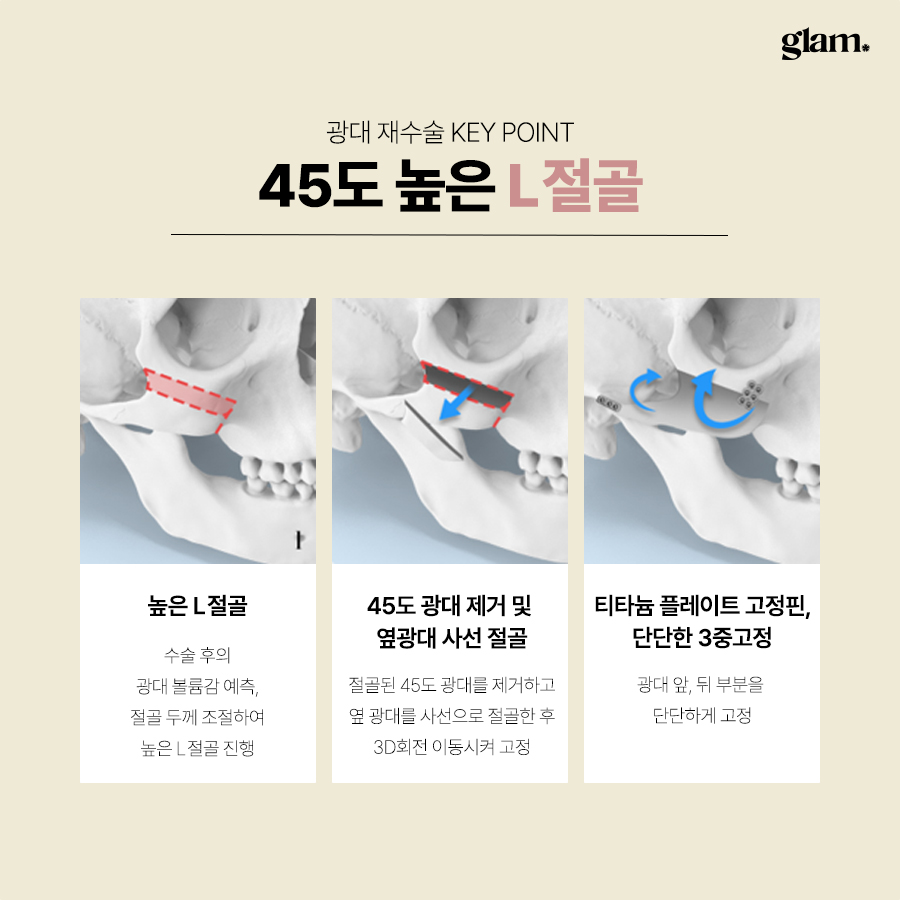
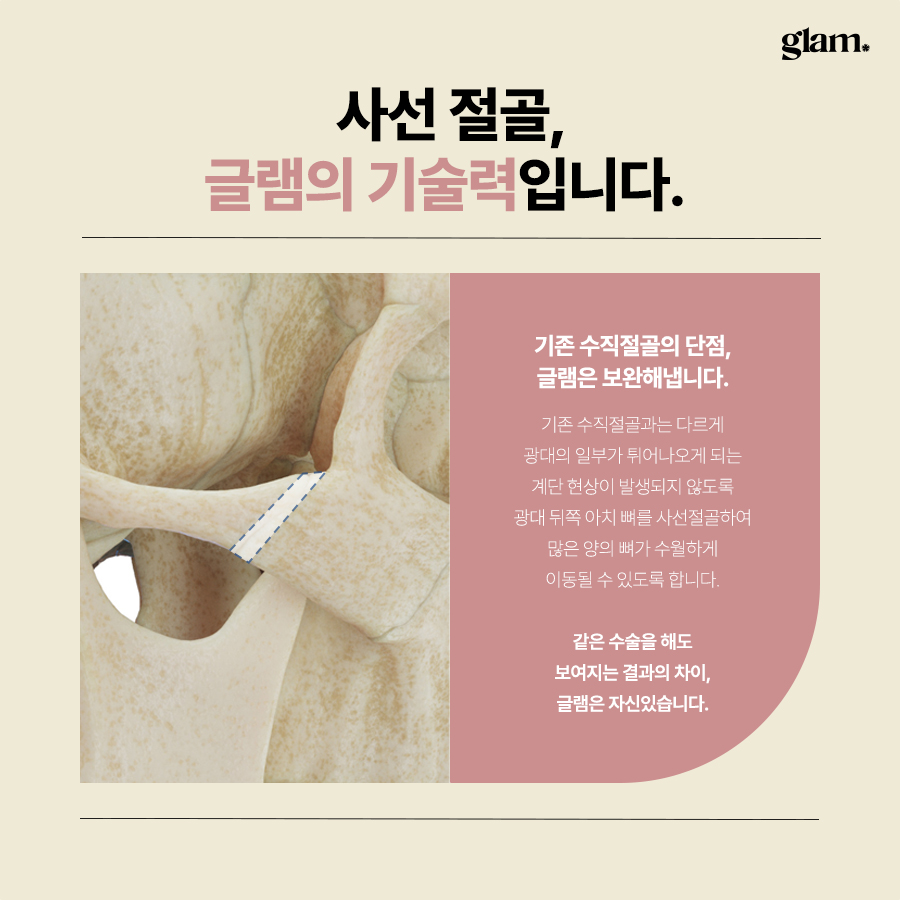
Facial contouring surgery refers to bone-based procedures that reshape the facial skeleton, especially the cheekbones and lower jaw. Typical operations include cheekbone reduction, V-line jaw reshaping, and square jaw angle reduction. These procedures can be done alone or combined in a single surgery, depending on your facial structure and goals.
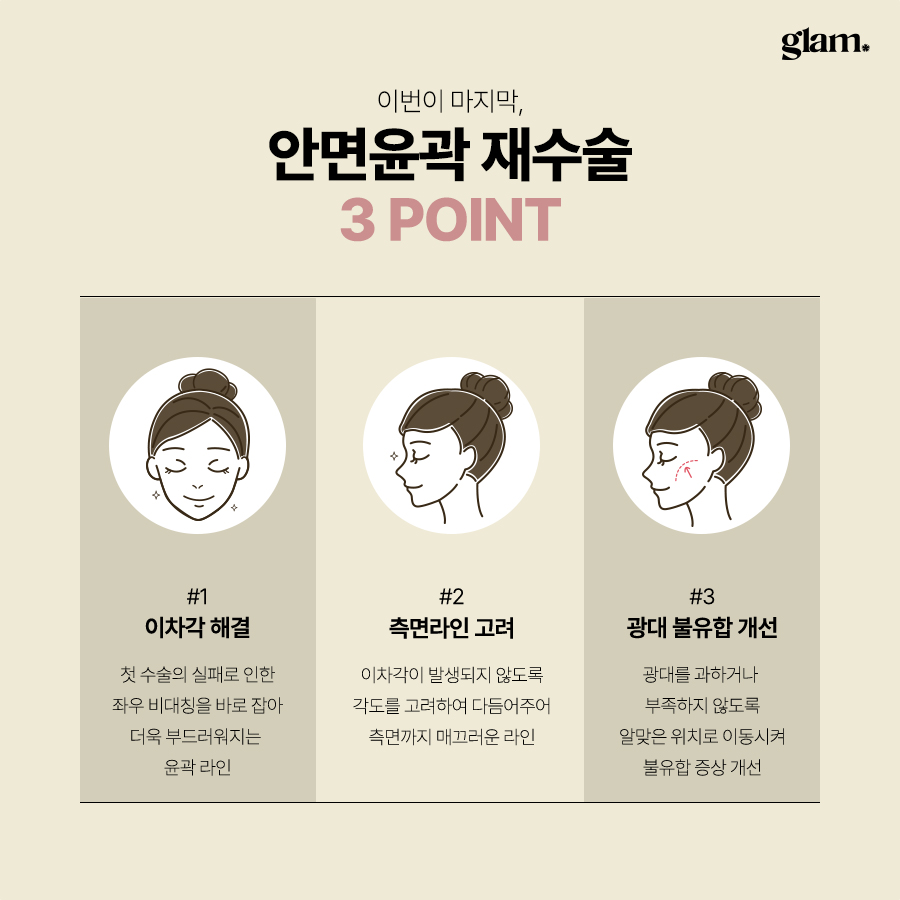
The main goals are a slimmer and more defined lower face, a softer side profile, better balance between the upper, middle, and lower face, and correction of facial asymmetry. For example, someone with wide cheekbones from the front view may consider cheekbone reduction, while someone with a broad or square lower jaw may consider jaw angle reduction or V-line contouring.
Facial contouring is very different from soft-tissue treatments such as injections or thread lifting. It involves cutting, shaving, and repositioning facial bones. Because of this, preoperative planning, imaging, and a safe anesthesia system are essential. The surgery affects not only appearance but also important structures such as nerves and the bite, so it should be approached carefully.
People who may consider facial contouring include those who feel their face looks too wide or heavy from the front, those who dislike a prominent side cheekbone or jaw angle, and those with asymmetry after previous surgery or trauma. However, not everyone needs bone surgery. In some cases, small changes or non-bone treatments may be enough, which is why a detailed consultation is important.
There is no single fixed price for facial contouring surgery in Korea. The total cost depends on which areas are operated on, how complex your bone structure is, and whether it is your first surgery or a revision.
In general, the cost is made up of several components:
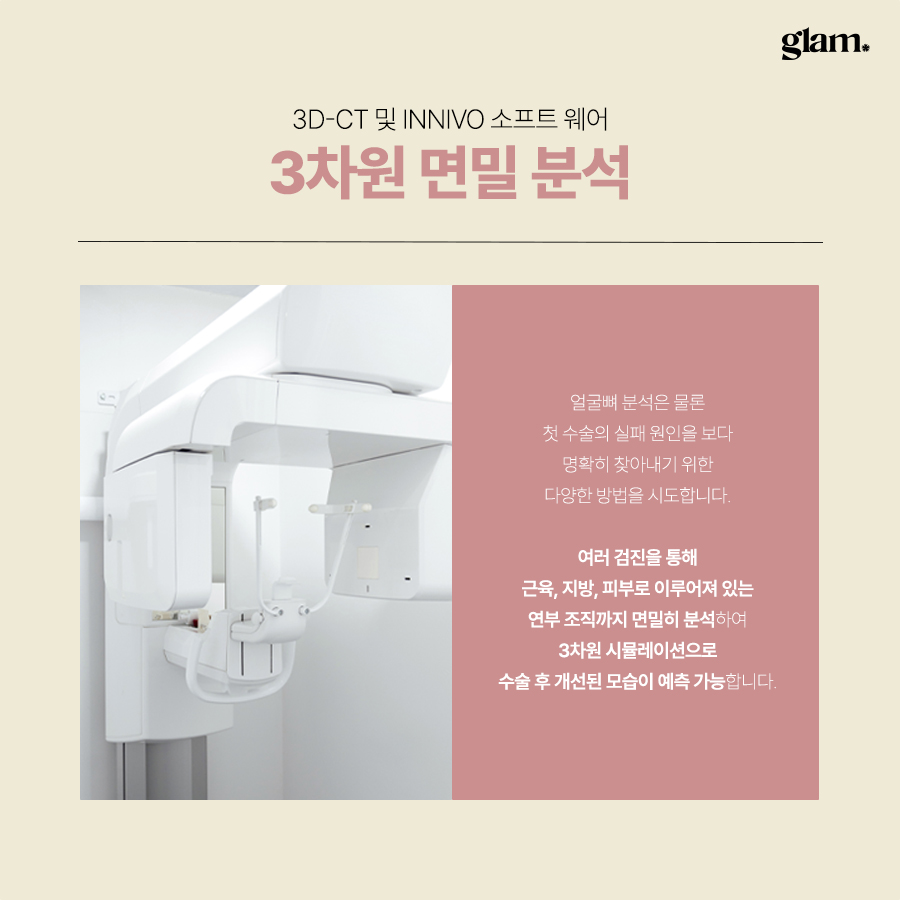
Preoperative consultation and imaging: This includes the first consultation, medical history review, facial examination, and imaging such as X-rays or three-dimensional scans. These tests allow the surgeon to understand your bone structure, nerves, and bite relationship.
Surgeon fee: This reflects the surgeon’s experience, specialization in facial bone surgery, and the complexity of your case. Combined operations and revision surgeries usually require more time and planning, which is reflected in the fee.
Anesthesia: Facial contouring is usually done under general anesthesia. The cost includes the anesthetic drugs, monitoring equipment, and the professional who manages your anesthesia during the operation.
Operating room and equipment: This covers the use of a fully equipped operating room, surgical instruments, bone-cutting and fixation devices, and emergency equipment. Clinics that focus on facial bone surgery often invest in specific tools and systems for these operations.
Hospitalization or recovery room: Depending on the clinic’s system and your condition, you may stay in a recovery room for several hours or overnight. The cost includes nursing care and monitoring immediately after surgery.
Postoperative care: Many clinics include follow-up consultations, removal of stitches, and basic medications in the surgical fee. Some also provide additional recovery programs such as swelling-reduction treatments, facial care, or radiofrequency lifting. These may be included in the package or charged separately.
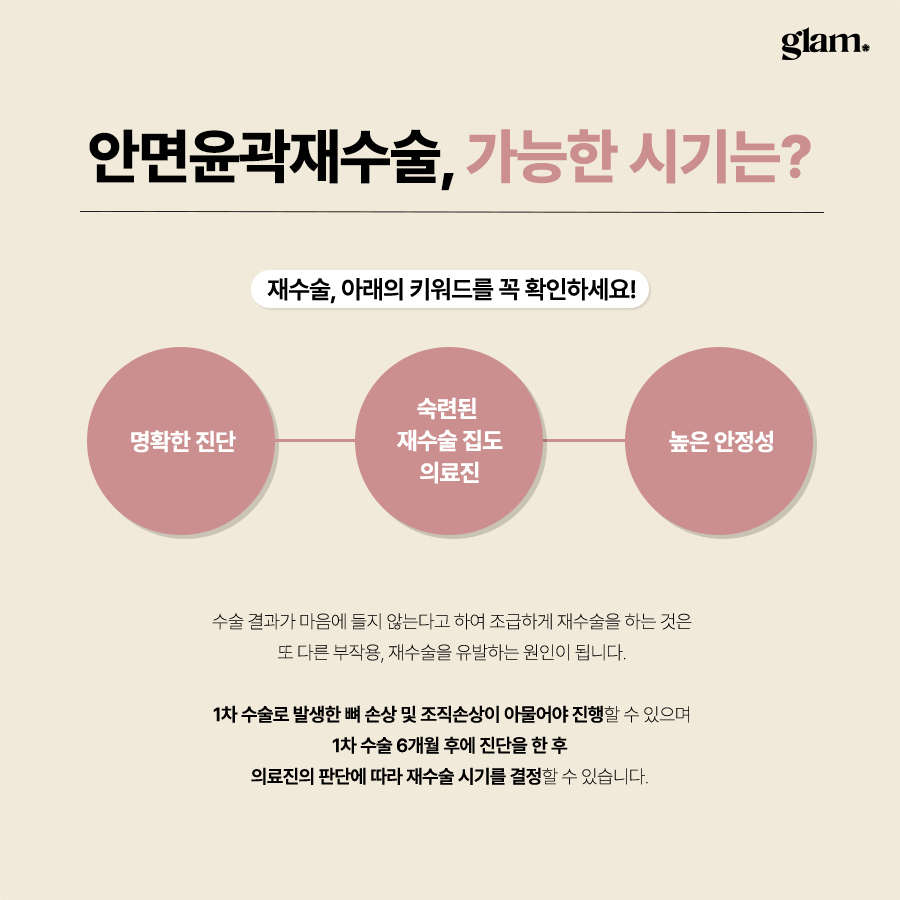
Revision facial contouring usually costs more than primary surgery. Scar tissue, altered anatomy, and existing plates or screws can make the operation more difficult and time-consuming. The surgeon must plan carefully to avoid damaging nerves, blood vessels, or the remaining bone support.
Online price lists often show only a basic starting price. They may not include anesthesia, imaging, or aftercare, and they rarely reflect the complexity of an individual case. For this reason, it is important to confirm exactly what is included in any quoted fee and to receive a personalized estimate after proper evaluation.
Why does the cost of facial contouring differ so much between clinics?
Even for the same type of surgery, prices can vary depending on how complex your facial structure is, how much bone needs to be moved, whether you are having a first‑time operation or a revision, and how the clinic plans your anesthesia and hospitalization. Some clinics focus on simpler, standard cases, while others are set up to handle more difficult revision or asymmetry cases, which can take longer in the operating room and require more detailed follow‑up. The surgeon’s experience, the time spent on individual planning, and the level of post‑operative care also naturally show up in the final quote, so it is normal to see a range rather than one fixed price everywhere.
Surgeon experience and specialization: A surgeon who focuses on facial bone surgery and has many years of experience with cheekbone reduction, V-line, and jaw angle surgery may charge higher fees. This experience can influence safety, planning, and the likelihood of achieving a balanced result.
Academic and clinical track record: Surgeons who have published on facial bone surgery in international peer‑reviewed journals have dealt with many related cases, complications, and long‑term results. This experience can justify higher fees compared to clinics without such a track record.
Scope of surgery: Treating one area, such as cheekbone reduction alone, generally costs less than combined facial contouring of the cheekbones, jaw angle, and chin in a single operation. Adding chin reshaping, asymmetry correction, or complex repositioning increases the time and difficulty of the surgery, and therefore the cost.
Primary versus revision surgery: Revision facial contouring after previous bone surgery is more complex. The surgeon must work around existing scar tissue and possibly previous bone cuts or fixation hardware. This requires more detailed imaging, planning, and careful technique, so revision cases are usually priced higher.
Anesthesia system: Having a dedicated anesthesiology specialist responsible for anesthesia and monitoring throughout the operation adds to the cost, but it can significantly improve safety, especially for long bone surgeries. Continuous monitoring of your breathing, circulation, and depth of anesthesia is important for reducing risks.
Aftercare program: Some clinics include structured postoperative care such as LED therapy, facial care, and radiofrequency lifting to help reduce swelling and support healing. These programs require equipment, trained staff, and multiple visits, which can increase the total fee but may improve comfort and recovery.
Clinic location and infrastructure: A clinic located in central Gangnam with facilities tailored to facial bone surgery, including specialized imaging and operating rooms, has higher operating costs than a smaller, general clinic. These overhead costs are reflected in the surgical fees.
Safety and value: why the cheapest facial contouring cost is not always better
Facial contouring is a high-risk procedure compared with many other aesthetic treatments because it involves cutting and reshaping facial bones near important nerves, blood vessels, and the jaw joint. Choosing a clinic based only on the lowest price can increase the risk of complications such as nerve injury, persistent numbness, asymmetry, or functional problems with chewing and speaking.
If complications occur, revision surgery is more difficult, more expensive, and may not fully restore the original bone structure. For this reason, it is usually better to prioritize safety, surgeon experience, and a clear treatment plan rather than focusing only on saving money on the initial operation.
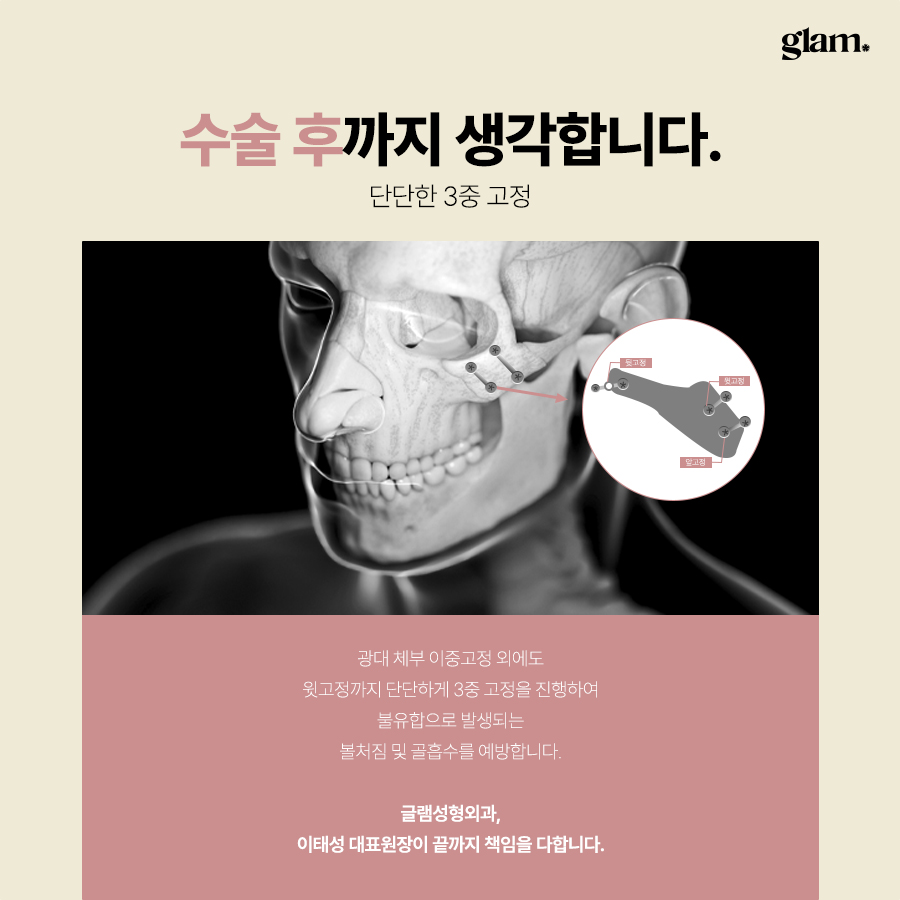
A clinic that concentrates on facial bone surgery can invest in specific equipment, protocols, and staff training for these operations. This may include detailed imaging, rigid fixation systems, and a stable anesthesia and monitoring system. These investments add to the cost but can improve safety.
The presence of a board-certified anesthesiologist who manages anesthesia throughout the operation is another safety factor. Long bone surgeries require careful control of blood pressure, breathing, and fluid balance. Having a specialist dedicated to this task allows the surgeon to focus entirely on the bone work.
Transparent explanations and realistic surgical plans are also part of the value you receive. A clinic that recommends only the minimum necessary surgery, instead of pushing multiple procedures, may help you avoid unnecessary risks and costs. Clear communication about expected changes, limitations, and possible side effects is essential for informed consent.
Clinic-specific strengths in context
In this context, the clinic described here is a plastic surgery clinic in Sinsa, Gangnam. It focuses on facial bone surgery such as double jaw and facial contouring, rather than offering a wide range of unrelated aesthetic procedures. This focused approach allows the team to concentrate its training, equipment, and protocols on bone surgery.
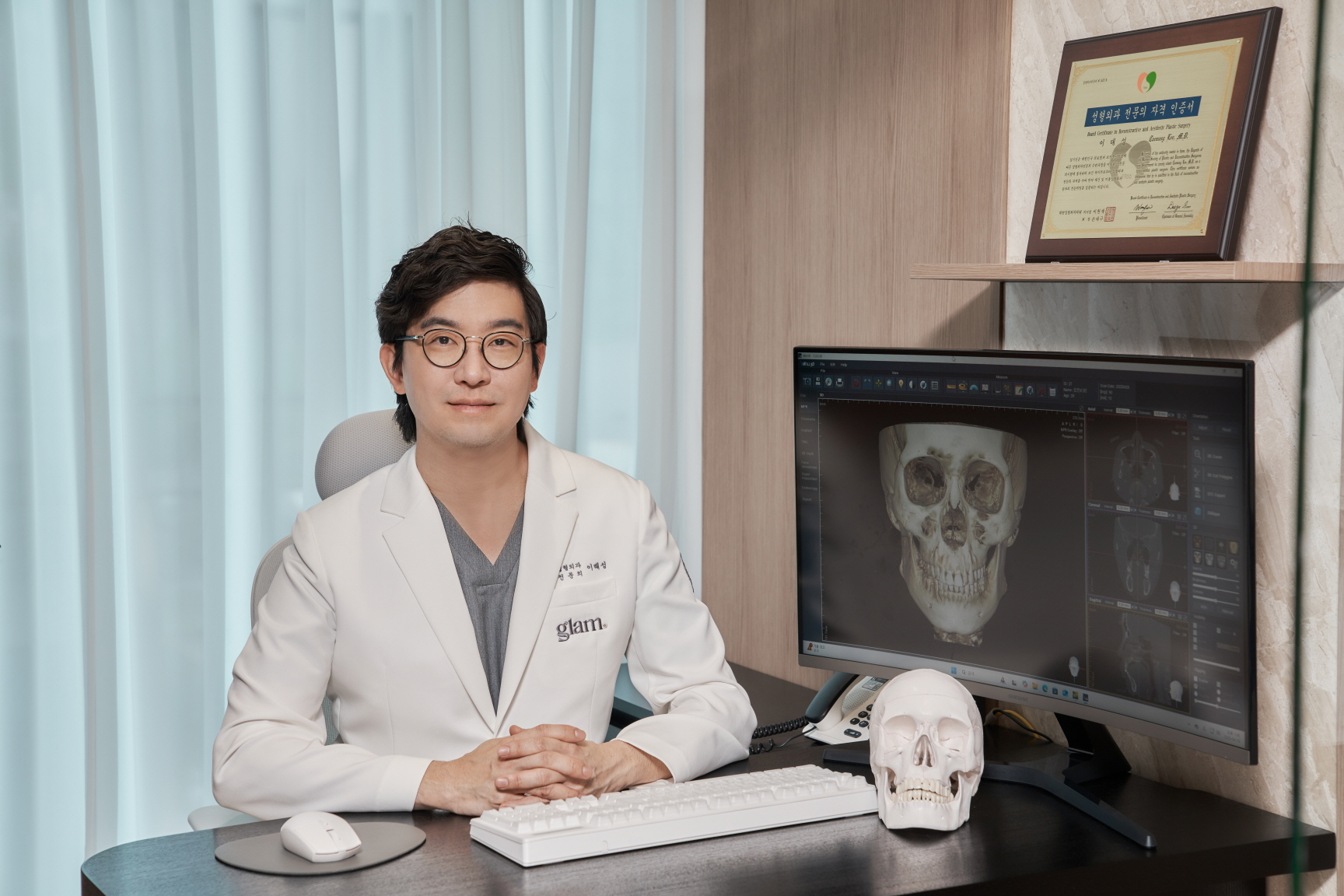
The lead surgeon is a board-certified plastic surgeon with around 20 years of experience in facial bone surgery. The surgeon has published papers in the field of facial bone surgery in international peer‑reviewed journals. This academic record provides an objective basis for evaluating the surgeon’s expertise.
The clinic operates with a one-plastic-surgeon and one-anesthesiology-specialist system. A board-certified anesthesiologist is responsible for anesthesia and monitoring during surgery, which supports safety for international patients undergoing long operations.
Postoperative recovery programs are also part of the clinic’s system. After facial contouring, patients can receive LED therapy, facial care, and radiofrequency lifting designed to reduce swelling and support healing. These services may be included in the surgical package or offered as part of a structured aftercare plan.
An important principle of the clinic is to recommend only the minimum necessary surgery. The lead surgeon personally performs the operations and aims to avoid unnecessary procedures. For patients worried about being pressured into multiple surgeries, this philosophy can be reassuring.
How to approach your own facial contouring surgery budget
When planning facial contouring in Korea, it is helpful to prepare a realistic budget range rather than fixating on a single number. The final cost will depend on your bone structure, the areas that truly need correction, and whether you require primary or revision surgery.
Before your consultation, think carefully about what bothers you most. Is it the width of your cheekbones, the angle of your jaw, the length of your chin, or overall asymmetry? Bring reference photos that show the type of facial shape you prefer, but understand that your own bone structure and safety will limit what is realistically possible.
Prepare your medical history, including previous facial surgeries, injuries, and any chronic conditions or medications. This information helps the surgeon and anesthesiologist plan safely.
During consultations, try to ask each clinic the same set of questions so you can compare fairly. For example:
- What areas of my facial bone do you think actually need surgery, and which can be left alone?
- What imaging and planning methods will you use before surgery?
- Who will perform the surgery and who will manage anesthesia?
- What exactly is included in the quoted price, and what could cause extra costs?
- What kind of aftercare and swelling-reduction treatments are included?
By focusing on these points, you can compare not only the price but also the safety system, surgeon experience, and the clinic’s approach to recommending treatment. For facial contouring, choosing a clinic with a strong safety system and specialized experience is usually more important than saving a small amount on the initial fee.
How a typical facial contouring trip to Korea is scheduled
Most overseas patients plan their stay by working backwards from the surgery date. After arrival, there is usually a day for in‑person consultation, detailed examinations, and finalizing the surgical plan. Surgery is then scheduled, followed by several days of close monitoring at the clinic and regular dressing changes. Many people stay in Korea for a short recovery period until major swelling and bruising become more manageable and they feel comfortable flying back home. The exact number of days can change depending on the type of facial contouring, whether it is a revision, and how your body responds, so it is safer to keep some flexibility in your return date and discuss your personal schedule with the clinic in advance.
Pre-visit online consultation: Before booking flights, most patients start with an online consultation. You send facial photos, medical history, and your main concerns. The clinic provides a preliminary opinion and a rough cost range, and may suggest how long you should stay in Korea.
Arrival and in-person consultation: After arrival, you usually have an in-person consultation and imaging on the first or second day. The surgeon examines your face, reviews the scans, and confirms or adjusts the surgical plan. You will also meet the anesthesiologist or staff who explain the anesthesia process.
Surgery day: Surgery is commonly scheduled within a few days after the final consultation. Facial contouring under general anesthesia can take several hours, depending on the number of areas treated. After surgery, you stay in a recovery room under monitoring before returning to your accommodation, or you may stay overnight depending on the clinic’s policy and your condition.
Early recovery in Korea: The first week is usually the most uncomfortable, with swelling, tightness, and some bruising. You will have follow-up visits for dressing changes, swelling checks, and removal of stitches if needed. Many patients receive LED therapy, facial care, or radiofrequency treatments during this period to support recovery.
Later recovery and return home: Most overseas patients stay in Korea for around two to three weeks after facial contouring, depending on the complexity of the surgery and their general health. By the time you return home, major swelling is usually reduced, but subtle swelling can continue to improve for several months. The clinic will explain how to manage your recovery after you leave and may offer online follow-up.
Aftercare and recovery considerations
After facial contouring, careful aftercare is important for both safety and appearance. In the first days, you will need to follow instructions about head elevation, cold or warm compresses, medications, and diet. Soft or liquid food may be recommended at first to avoid excessive chewing.
Swelling is a normal part of recovery and is usually most noticeable in the first week. Additional treatments such as LED therapy, gentle facial care, and radiofrequency lifting can help support circulation and reduce swelling. These are often scheduled several times during your stay.
You will also receive guidance on oral hygiene, if the surgery involves incisions inside the mouth, and on how to clean external incision sites if present. Avoiding smoking and alcohol during the early healing period is generally advised.
Numbness or altered sensation in the cheeks, lips, or chin can occur after bone surgery because of the proximity to nerves. In many cases, this improves gradually over time, but the speed and degree of recovery vary between individuals. Regular follow-up with the clinic, including online check-ins after you return home, helps monitor your progress.
Online consultation and pre-visit preparation
For international patients, a detailed online consultation is an important first step before deciding on facial contouring in Korea. To make this process more effective, prepare clear photos of your face from the front, both sides, and a three-quarter angle. Good lighting and a neutral expression make it easier for the surgeon to assess your bone structure.
Write down your main concerns and priorities. For example, you might note that the front view width bothers you more than the side profile, or that asymmetry is your main concern. This helps the surgeon understand what changes will be most meaningful for you.

Prepare a list of questions about cost, safety, and recovery. Ask what is included in the estimated price, whether revision cases are priced differently, and how long you should plan to stay in Korea. Also ask about the anesthesia system, emergency protocols, and aftercare services.
If you have previous imaging or records from other surgeries, share them with the clinic. This is especially important for revision facial contouring. The more information the surgeon has, the more accurately they can estimate the difficulty and cost of your case.
Practical information about the clinic
The clinic is located on Dosan-daero in Sinsa, Gangnam, Seoul, about a 200-meter walk from Sinsa Station Exit 1. This central location makes it convenient for international patients staying in nearby hotels or serviced residences.
Typical operating hours are weekdays from morning to early evening, with shorter hours on Saturday. The clinic is usually closed on Sundays and public holidays, and there is no separate lunch break, so appointments can be scheduled flexibly during the day. Exact hours can be confirmed when you book.
For overseas patients, multilingual support is available through website pages in languages such as English, Japanese, and Thai. The clinic also uses social media channels and messaging apps for information and inquiries, which can be helpful for quick questions before and after your visit.
Because facial contouring costs depend heavily on your individual bone structure and surgical plan, an in-person consultation is necessary for a precise estimate. The online consultation can provide a rough range, but the final plan and fee are usually confirmed only after imaging and physical examination.
What is the typical cost range for facial contouring surgery in Korea?
Facial contouring costs in Korea vary widely depending on the areas treated and the complexity of the case. As a general idea, single-area procedures such as cheekbone reduction or jaw angle reduction tend to be at the lower end of several thousand US dollars, while combined cheekbone, jaw, and chin contouring or revision surgery can be significantly higher. Because each face is different, clinics usually provide only a rough range online and confirm the exact fee after imaging and consultation.
Why are revision facial contouring surgeries more expensive?
Revision facial contouring is more complex than primary surgery because the surgeon must work around scar tissue, altered bone shapes, and sometimes existing plates or screws. Important structures such as nerves may be closer to the previous bone cuts. This requires more detailed imaging, more careful planning, and often longer operating time, all of which increase the cost compared with first-time surgery.

How long should I stay in Korea for facial contouring surgery?
Most international patients stay in Korea for around two to three weeks after facial contouring. This allows time for preoperative consultation and imaging, surgery, early recovery, and several follow-up visits. The exact length of stay depends on the type of surgery, your general health, and how quickly you recover. Your clinic can suggest a suitable schedule based on your case.
What should I check before choosing a clinic for facial contouring?
Before choosing a clinic, check the surgeon’s experience with facial bone surgery, including how long they have been performing cheekbone and jaw contouring. Ask about their academic background and whether they have published research in this field. Confirm who will manage anesthesia and what safety systems are in place. Finally, ask what is included in the quoted price and what aftercare is provided, so you can compare clinics on more than just the basic fee.
If you are considering facial contouring surgery in Korea and want a clearer idea of the likely cost and treatment plan for your own face, an online consultation is a practical first step. By sharing your photos, concerns, and medical history, you can receive a personalized opinion on which areas truly need bone surgery, what kind of results are realistic, and how to plan your budget and travel schedule safely.






댓글
댓글 쓰기