[썸네일]https://contentsbox-images.s3.ap-northeast-2.amazonaws.com/transformed/13d1cc61765c4711b8485555c0bcf531.jpg
Direct answer summary
Contouring two-jaw surgery is a comprehensive facial bone procedure that repositions both the upper and lower jaws while refining the shape of the jawline and chin. At a specialized plastic surgery clinic in Seoul, it is often combined with facial contouring to improve both function and appearance at the same time. The goal is a slimmer, more balanced face and a more comfortable, stable bite.
This guide explains what the procedure involves, who may benefit, how to prepare from overseas, what to expect during your stay in Korea, and how to manage recovery and aftercare.
Treatment overview: what is contouring two-jaw surgery?
Contouring two-jaw surgery is an advanced operation on the facial bones that focuses on both the upper jaw (maxilla) and lower jaw (mandible). During the same procedure, the surgeon can also refine the angles of the jaw, the chin, and sometimes the cheekbones to harmonize the entire face.
Unlike simple jawline shaving or chin reshaping, contouring two-jaw surgery changes the position of the jaws themselves. This can correct a protruding or recessed jaw, improve the way the upper and lower jaws meet, and create a more balanced relationship between the upper, middle, and lower face.
The main purposes are:
Improve bite alignment and jaw function, so the upper and lower jaws fit together more comfortably.
Slim and refine the lower face to create a more defined V-line or soft oval shape.
Balance the front view and side profile, improving harmony between the nose, lips, and chin.
[이미지복붙]https://contentsbox-images.s3.ap-northeast-2.amazonaws.com/transformed/455588bd6feb4792ae040172eac478f2.jpg
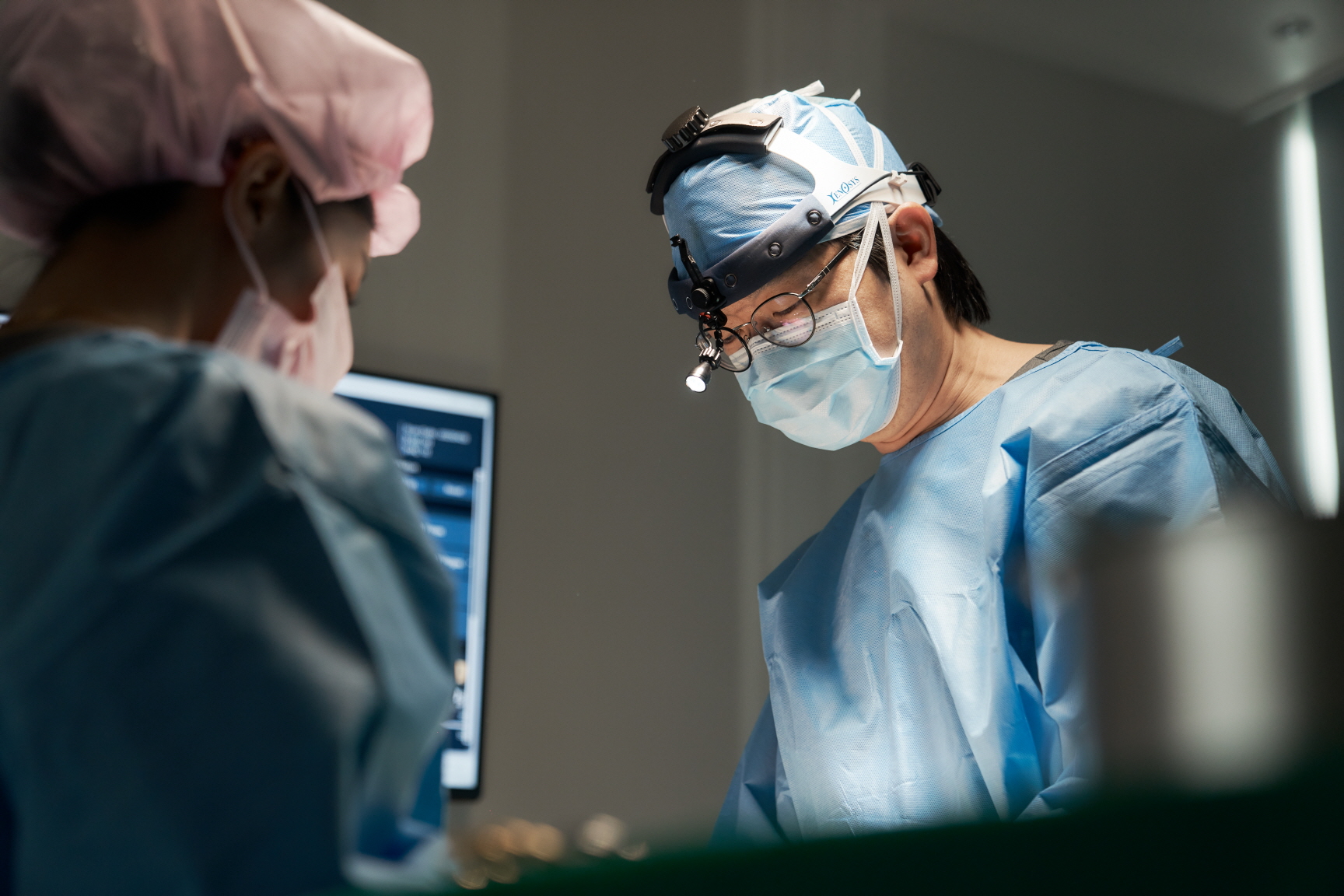
Because it affects both function and appearance, this procedure requires detailed planning, 3D imaging, and careful execution under general anesthesia.
Who may consider contouring two-jaw surgery?
Contouring two-jaw surgery is not for everyone. It is generally considered for people whose concerns are related to bone structure rather than only soft tissue or skin.
You may be a potential candidate if:
You have a protruding or recessed jaw
Your upper or lower jaw sticks out or sits too far back, affecting your profile and how your lips close. This can make the face look unbalanced from the side and can also affect chewing and speech.
You notice facial asymmetry
One side of your jaw or chin may look lower, higher, or more prominent than the other. This can make the face look tilted or uneven. Two-jaw surgery can help reposition the jaws to improve symmetry, often combined with contouring of the jaw angles or chin.
Your lower face looks wide, square, or heavy
If your jawline looks very wide or square due to the shape of the jawbone, simple soft-tissue treatments are usually not enough. Contouring two-jaw surgery can reduce the width of the lower face while adjusting the jaw position for better balance.
You have functional issues
You may experience difficulty chewing, jaw discomfort, or an unstable bite where the upper and lower jaws do not meet properly. Some people also feel strain in the jaw joints or muscles because of misalignment. Two-jaw surgery aims to create a more stable, efficient bite while also improving facial proportions.
You want both functional and aesthetic improvement
This procedure is often chosen by people who want to address both appearance and function in one comprehensive plan. If you are only looking for a small cosmetic change and have no bite issues, a less invasive contouring procedure might be more suitable.
Only a face-to-face evaluation and imaging can confirm whether you are a good candidate. Age, general health, bone condition, and previous surgeries also play a role.
Consultation and planning for overseas patients
Because contouring two-jaw surgery is complex, careful planning is essential, especially for international patients who are traveling to Seoul.
[이미지복붙]https://contentsbox-images.s3.ap-northeast-2.amazonaws.com/transformed/72f4215bc3c1448cb0ef970552ef35b9.jpg
Initial online consultation
Before you book flights, most specialized clinics in Seoul offer an online consultation process. You may be asked to provide:
Front, 45-degree, and side-view photos of your face with a neutral expression.
Close-up photos of your bite with your teeth gently closed and slightly open.
Information about your medical history, previous facial procedures, and any jaw-related symptoms.
Using these materials, the clinic can give you a preliminary opinion about whether two-jaw contouring might be suitable, what kind of changes are realistic, and an approximate treatment plan and cost range. This is not a final diagnosis but a useful first step.
In-clinic evaluation and 3D planning
Once you arrive in Seoul, you will have a detailed in-person consultation. This usually includes:
Facial proportion assessment
The surgeon evaluates the balance between your forehead, nose, lips, chin, and jawline from the front and side. They consider your gender, age, and personal preferences, such as a sharper V-line versus a softer oval shape.
Bite and jaw function check
Your bite alignment, jaw movement, and any areas of discomfort are examined. The goal is to understand how your jaws currently meet and what changes are needed for a more stable, comfortable bite.
Imaging and 3D analysis
X-rays and 3D CT scans are typically taken. These images allow the surgeon to see the exact thickness, angle, and position of your facial bones, as well as the location of important nerves.
Surgical simulation and planning
Using the imaging data, the surgeon plans where to make bone cuts, how far to move each jaw, and how to refine the jaw angles, chin, or cheekbones. The plan aims to:
[이미지복붙]https://contentsbox-images.s3.ap-northeast-2.amazonaws.com/transformed/4b2979b7b6cc4a23a11b2982a8d39aed.jpg
Correct misalignment for a stable bite.
Create natural-looking contours that suit your overall face.
Avoid excessive or artificial-looking changes.
Personalized planning
The clinic will discuss your goals in detail. For example, some patients want a very slim V-line, while others prefer a gentle, natural oval. Men and women may also have different preferences for jawline definition. The final plan is tailored to your facial structure and aesthetic goals, while prioritizing safety and function.
How the surgery is performed
Contouring two-jaw surgery is carried out under general anesthesia in an operating room. You will be asleep and will not feel pain during the procedure.
Incisions inside the mouth
Most bone cuts are made from inside the mouth, which helps minimize visible scarring on the face. In some cases, small external incisions may be needed for certain contouring steps, but these are usually placed in less noticeable areas.
Repositioning the upper and lower jaws
The surgeon carefully cuts and repositions the upper jaw and lower jaw according to the pre-planned angles and distances. The new positions are chosen to improve both bite alignment and facial proportions.
Fixation with plates and screws
Once the jaws are in their new positions, they are fixed in place using small plates and screws. These are usually made of materials commonly used in bone surgery and are designed to remain in the body without causing problems for most patients.
Additional facial contouring in the same session
To harmonize the entire face, additional contouring can be performed during the same surgery, such as:
Jaw angle reduction to slim a wide or square lower face.
Chin reshaping to adjust length, projection, or width.
Cheekbone refinement to balance the midface with the lower face.
Combining these procedures in one session can create a more complete transformation of the lower and midface while maintaining a single recovery period.
[이미지복붙]https://contentsbox-images.s3.ap-northeast-2.amazonaws.com/transformed/48739cf80b85478f98ab4d7457ed159f.jpg
Aesthetic benefits you can expect
While results vary from person to person, many patients experience several aesthetic improvements after contouring two-jaw surgery.
More balanced facial proportions
The upper, middle, and lower parts of the face can appear more harmonious. For example, a previously long or short lower face may look more proportionate after the jaws and chin are adjusted.
Slimmer, more defined jawline
By repositioning the jaws and refining the jaw angles, the lower face can look slimmer and more sculpted. This can create a clearer V-line or a smooth oval contour, depending on the plan.
Improved side profile
The relationship between the nose, lips, and chin is often improved. A recessed chin can be brought forward, or a protruding lower jaw can be set back, creating a more balanced profile.
Natural-looking refinement
The aim is not to create an exaggerated or artificial look. Instead, the goal is a face that looks naturally well-balanced and suits your original features, age, and gender.
Functional benefits beyond appearance
Because contouring two-jaw surgery changes the position of the jaws themselves, it can provide functional benefits that cosmetic-only jawline procedures cannot.
Improved bite and chewing
By aligning the upper and lower jaws more correctly, the bite can become more stable and efficient. This often makes chewing more comfortable and reduces uneven pressure on certain teeth or areas.
Reduced jaw strain or discomfort
Some patients with misaligned jaws experience jaw muscle fatigue or joint discomfort. After surgery and healing, many find that strain is reduced because the jaws fit together more naturally.
More stable long-term result
Compared with procedures that only shave or reshape the outer surface of the jawbone, two-jaw surgery addresses the underlying alignment. This can contribute to a more stable result over time, both functionally and aesthetically.
[이미지복붙]https://contentsbox-images.s3.ap-northeast-2.amazonaws.com/transformed/e93bdcc1154a4130aeaee50609db0145.jpg
Online consultation and pre-visit preparation
For international patients, good preparation before traveling to Seoul can make the process smoother and more efficient.
Before you book your trip
Request an online consultation with the clinic.
Prepare clear photos of your face and bite, as requested.
Gather any relevant medical records, imaging, or previous surgery information.
List your main concerns and goals in simple points so nothing is missed.
Clarify practical details
Ask about the recommended length of stay in Korea.
Confirm whether any pre-surgery tests can be done in your home country.
Discuss estimated costs, what is included, and payment methods.
Check whether you will need a caregiver or companion after surgery.
Health and lifestyle preparation
If you smoke, you will usually be asked to stop well before and after surgery to support healing.
You may be advised to avoid certain medications or supplements that increase bleeding risk.
Maintaining good general health, sleep, and nutrition can help your recovery.
Expected Korea visit timeline
Every clinic and patient is different, but a typical timeline for overseas patients might look like this:
Day 1–2: In-person consultation and tests
Detailed consultation with the surgeon.
Facial photos, X-rays, and 3D CT scans.
Medical check-up and blood tests to confirm you are fit for surgery.
Final discussion of the surgical plan and consent.
Day 3–4: Surgery day
Admission to the clinic or hospital.
Contouring two-jaw surgery under general anesthesia.
Postoperative monitoring in a recovery room and possible overnight stay.
First week after surgery
Close observation at the clinic or hospital for a short period, depending on the case.
Significant swelling and some bruising, especially during the first 3–5 days.
Liquid or very soft diet, with guidance on how to eat safely.
Regular checks for wound condition, swelling, and pain control.
Second to third week
Swelling gradually decreases, though your face will still look puffy.
Transition from liquid to soft foods as advised.
Stitches inside the mouth may dissolve or be removed, depending on the material.
Follow-up visits to monitor healing and jaw position.
[이미지복붙]https://contentsbox-images.s3.ap-northeast-2.amazonaws.com/transformed/30e24b17eeab46ed8d0aac201feec5b6.jpg
Recommended stay in Korea
Many international patients stay in Korea for about 3–4 weeks after contouring two-jaw surgery. This allows time for early healing, removal of any external stitches if present, and confirmation that there are no immediate complications before you fly home.
Your clinic can provide a personalized schedule based on your procedure and health.
Recovery, aftercare, and lifestyle
Recovery from contouring two-jaw surgery is gradual. Understanding what to expect can help you plan your time and manage your expectations.
Swelling and bruising
Most swelling peaks in the first 1–2 weeks.
Noticeable swelling can last several weeks, with more subtle swelling taking a few months to fully settle.
Bruising around the jaw and lower face is common and usually fades over 2–3 weeks.
Diet and eating
Immediately after surgery, you will usually start with liquids.
You then move to a soft or semi-liquid diet such as soups, smoothies, and soft porridge.
Solid foods are reintroduced slowly as your surgeon advises, based on your healing and comfort.
Oral hygiene
Keeping the mouth clean is very important because incisions are often inside the mouth.
You may be given a special mouth rinse and instructions for gentle cleaning.
Brushing is usually resumed carefully, avoiding direct contact with incisions at first.
Activity and rest
Plenty of rest is needed in the first weeks.
Light walking is often encouraged to improve circulation.
Strenuous exercise, heavy lifting, and contact sports must be avoided until your surgeon confirms it is safe.
Follow-up care
Follow-up visits are essential to check healing, jaw position, and nerve function.
After you return home, you may be asked to send photos or have online check-ins.
If you have any unusual pain, swelling, or other concerns, you should contact the clinic promptly.
Safety, risks, and how the clinic manages them
Contouring two-jaw surgery is a major operation and should be approached with realistic expectations and a clear understanding of possible risks.
[이미지복붙]https://contentsbox-images.s3.ap-northeast-2.amazonaws.com/transformed/e90828476be746fd94c899fea077e7ba.jpg
Common temporary side effects
Swelling and bruising.
Pain or discomfort, usually controlled with medication.
Temporary numbness around the lips, chin, or cheeks due to nerve irritation.
Difficulty speaking and eating normally in the early stages.
Adjustment period to the new bite and facial shape.
Less common but more serious risks
Infection around the surgical area.
Prolonged or permanent numbness if nerves are significantly affected.
Asymmetry or dissatisfaction with the aesthetic result.
Problems with bite alignment that may require additional treatment or revision surgery.
Risk management at the clinic
To reduce risks, a specialized clinic typically uses:
Detailed preoperative imaging and simulations.
Careful planning of bone cuts and movements.
Nerve-sparing techniques to protect important sensory nerves.
Close postoperative monitoring and clear instructions for home care.
Even with careful planning, no surgery is completely risk-free. A responsible clinic will explain these points clearly and help you weigh the benefits and risks for your specific situation.
Natural results and patient satisfaction
The goal of contouring two-jaw surgery is not to create a face that looks obviously operated on. Instead, the focus is on:
Balanced proportions that match your original features.
A slimmer, more refined lower face that still looks like you.
Improved comfort when chewing and speaking.
Many patients report increased confidence because their facial harmony and jaw function improve together. However, satisfaction depends on realistic expectations, clear communication with your surgeon, and patience during the healing process.
Choosing a clinic and surgeon in Seoul
When selecting a clinic in Seoul for contouring two-jaw surgery, consider the following points:
[이미지복붙]https://contentsbox-images.s3.ap-northeast-2.amazonaws.com/transformed/a41507244696488181b4c328dee0f7c9.jpg
Experience with two-jaw and contouring procedures
Look for a clinic that regularly performs both two-jaw surgery and facial contouring. Combined experience helps the team understand how changes in one area affect the rest of the face.
Qualified surgical team
Ask whether the surgeons are board-certified in their respective specialties and what their specific experience is with two-jaw procedures.
Multidisciplinary approach
Complex jaw cases often benefit from input from multiple professionals, such as surgeons and, when needed, bite and function specialists. A team approach can support both functional and aesthetic outcomes.
Imaging and planning systems
Modern 3D imaging and simulation tools allow more precise planning and clearer communication about expected changes.
Transparent communication
Choose a clinic that clearly explains the procedure, limitations, possible risks, costs, and recovery timeline. You should feel comfortable asking questions and discussing your concerns.
FAQ about contouring two-jaw surgery in Seoul
How long will I need to stay in Korea?
Many international patients stay around 3–4 weeks after surgery. This allows time for early recovery and follow-up checks before flying home. Your exact stay may vary depending on your health and the complexity of your case.
When will I start to look more natural?
Most major swelling improves within 4–6 weeks, but subtle swelling can take several months to fully settle. You will usually look presentable earlier, but the final refined result may take 6–12 months.
Is the surgery very painful?
Pain levels vary, but most patients describe more discomfort and tightness than sharp pain. Pain is usually well controlled with medication, especially in the first week.
Will I have visible scars?
Most incisions are made inside the mouth, so there are usually no obvious external scars. If small external incisions are needed for certain contouring steps, they are typically placed in less noticeable areas.
[이미지복붙]https://contentsbox-images.s3.ap-northeast-2.amazonaws.com/transformed/a4441a1de91e4315b42fb0d7eff40548.jpg
Can I fly soon after surgery?
Long flights soon after major surgery can be uncomfortable and carry some risks. Your surgeon will advise when it is safe to fly, but this is one reason a longer stay in Korea is usually recommended.
Will my speech change?
Speech may be temporarily affected due to swelling, numbness, and changes in jaw position. As healing progresses and you adapt to your new bite, speech typically improves. Any persistent issues should be discussed with your surgeon.
Soft call to action
If you are considering contouring two-jaw surgery and would like to explore your options in Seoul, an online consultation is a practical first step. By sharing photos, medical information, and your goals, you can receive a personalized preliminary assessment and a clearer idea of whether this comprehensive procedure is suitable for you.
A specialized plastic surgery clinic in Seoul can then help you plan your visit, timeline, and recovery so you can make an informed, confident decision about your treatment.
[이미지복붙][이미지링크=https://glamps.co.kr/DoubleJaw_meta_x.php?utm_source=naver&utm_medium=blog&utm_campaign=blog_organic]https://contentsbox-images.s3.ap-northeast-2.amazonaws.com/transformed/d9c0c065b1fb4e6eb1391a24fcf1836f.jpg
[이미지복붙][이미지링크=https://tinyurl.com/u6ey2vsc]https://contentsbox-images.s3.ap-northeast-2.amazonaws.com/transformed/462848ba1943422db417a2e8204cc819.jpg
[이미지복붙][이미지링크=tel:02-543-0309]https://contentsbox-images.s3.ap-northeast-2.amazonaws.com/transformed/9a672fcce0e34cc783dddfcf9152bff5.jpg
[이미지복붙][이미지링크=https://tinyurl.com/4ef9d3em]https://contentsbox-images.s3.ap-northeast-2.amazonaws.com/transformed/c3e2a65bcaf84242b2b59184128cf2c3.jpg






댓글
댓글 쓰기