[썸네일]https://contentsbox-images.s3.ap-northeast-2.amazonaws.com/transformed/1ee316dd99614b148bc6f0b8c1e4e2a3.jpg
Direct answer summary
If you are searching for a double jaw surgery hospital in Seoul and prefer a clinic that focuses only on facial bone surgery, there is an option near Sinsa Station in Gangnam that may match what you are looking for. It is an ophthalmology care center that has chosen to specialize in double jaw surgery and facial bone contouring, rather than offering a wide range of cosmetic procedures. All operations are performed by a board-certified plastic surgeon with around 20 years of experience in facial bone surgery, supported by a full-time anesthesiology and pain medicine specialist. The clinic provides double jaw surgery, facial contouring procedures, and structured postoperative care, and it is set up to communicate with international patients in several languages.
This guide explains what that kind of focused facial bone surgery clinic offers, who may consider it, how to prepare from overseas, what a typical Korea visit may look like, and what to expect after surgery.
Treatment overview: double jaw surgery and facial contouring only
The clinic is organized as a facial bone surgery focused ophthalmology care center. Instead of handling eyes, nose, breast, body contouring, or other popular cosmetic procedures, the medical team concentrates on jaw and facial bone operations. This narrow scope is intended to build depth of experience in orthognathic and contouring surgery.
Main treatment areas include:
Double jaw surgery
Double jaw surgery, also called orthognathic surgery, is performed to adjust the position of both the upper and lower jaws. The goal is to improve jaw alignment, facial balance, and functional issues related to the jaw position. At this clinic, double jaw surgery includes both first-time (primary) operations and revision double jaw surgery for patients who have had previous jaw surgery elsewhere and still have concerns.
[이미지복붙]https://contentsbox-images.s3.ap-northeast-2.amazonaws.com/transformed/b1120c77993e4d9295acd460c67aa0f8.jpg
Facial bone contouring
The clinic also provides facial contouring procedures that reshape the facial skeleton:
Zygoma reduction (cheekbone reduction) to reduce prominent cheekbones and adjust the width and projection of the midface.
V-line surgery to refine the lower face line by reshaping the jaw and chin area.
Square jaw reduction to address a wide or angular lower jaw.
Revision facial contouring for patients who have had contouring surgery in the past and wish to improve or correct remaining issues.
Postoperative care programs
After bone surgery, swelling, stiffness, and changes in soft tissue are common. The clinic offers structured recovery and swelling management programs to support the healing process. These may include:
LED therapy to support skin condition and circulation around the operated area.
Facial dome care to gently manage swelling and comfort.
Total skin reset care to help maintain skin condition during recovery.
Radiofrequency lifting devices to support tissue tone and contour during the healing phase.
These methods are used to help manage swelling and soft tissue condition after facial bone surgery, but they do not guarantee specific cosmetic results.
Medical team and expertise
Lead plastic surgeon
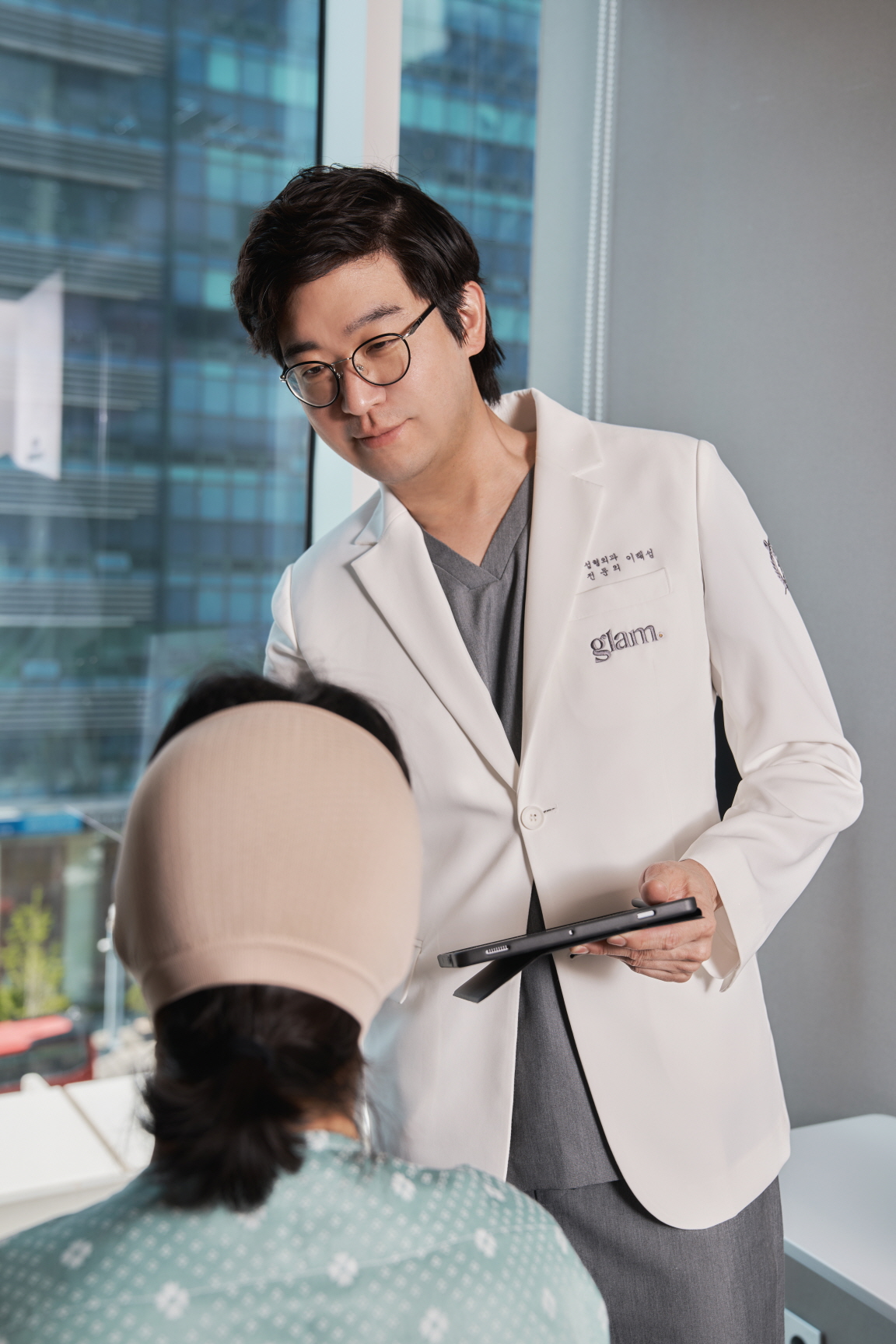
The lead surgeon is a board-certified plastic surgeon who has focused on facial bone surgery, including orthognathic and contouring procedures, for around 20 years. Before opening this focused clinic, he served as the head of a facial bone center at a large, well-known contouring hospital, where he gained extensive experience with complex jaw and facial bone cases.
[이미지복붙]https://contentsbox-images.s3.ap-northeast-2.amazonaws.com/transformed/65e145e6f8b3494e930fa9a087aa2e81.jpg
His academic background includes graduation from a top medical school in Korea and training at major university hospitals. He has also completed overseas training in the United States, which can be helpful for understanding diverse facial types and international patient expectations.
In terms of research activity, the surgeon has authored 13 SCI-level papers related to contouring and double jaw surgery as of February 2025. Among these, 3 papers have been published in the journal Plastic and Reconstructive Surgery. These numbers are based on the clinic’s own data as of February 2025 and reflect a sustained interest in academic work related to facial bone surgery.
All operations are performed directly by this lead plastic surgeon. The clinic states that its policy is to recommend only the minimum necessary surgery after careful evaluation. For patients who are worried about being pushed into multiple or unnecessary procedures, this approach may feel reassuring.
Anesthesiology and pain medicine specialist
For long and complex facial bone operations, safe anesthesia management is essential. At this clinic, a full-time anesthesiology and pain medicine specialist is in charge of general anesthesia and perioperative monitoring.
The anesthesiologist is a board-certified specialist trained at a major Catholic medical center and is a member of relevant anesthesiology and pain societies. Having a dedicated anesthesiology specialist present throughout surgery is an important safety element, especially for double jaw surgery and multi-area facial contouring, which can take several hours.
The clinic follows a one-plastic-surgeon plus one-anesthesiologist system. This structure can make responsibility and communication clear: the plastic surgeon focuses on the surgical plan and execution, while the anesthesiologist manages anesthesia, vital signs, and pain control.
Surgical approach and protocols
The clinic uses protocols for double jaw surgery and facial contouring that aim to support safety and reduce discomfort where possible. These protocols do not remove all risks, but they are designed to address common concerns about jaw surgery.
[이미지복붙]https://contentsbox-images.s3.ap-northeast-2.amazonaws.com/transformed/712a09f52d0641f4aea0a2bfa6ae5772.jpg
Planning to reduce the need for jaw fixation in selected cases
Traditionally, some double jaw surgeries required the upper and lower jaws to be wired or tightly fixed together for a period after surgery, which can be uncomfortable. At this clinic, the surgeon may plan methods that can avoid intermaxillary fixation in selected cases, depending on the patient’s skeletal pattern, bite, and stability needs.
This is not possible for everyone. Whether fixation can be reduced or avoided is decided case by case after imaging and clinical evaluation. The aim is to help reduce discomfort while still supporting jaw stability.
Coordination with eye clinic treatment
Because this is an ophthalmology care center that focuses on facial bone surgery, some patients ask whether they need separate eye clinic treatment before or after double jaw surgery. The clinic explains that in some situations, it may be possible to plan double jaw surgery without additional pre- or post-eye clinic treatment. However, this depends on the individual’s eye condition and skeletal status.
For some patients, separate eye clinic evaluation or treatment can still be necessary. The decision is made after reviewing medical history, imaging, and current eye health.
Techniques around the nose area
Double jaw surgery and facial contouring can sometimes influence the appearance of the nose and surrounding areas. The clinic uses specific suturing and support techniques around the nose region to help reduce the risk of nasal widening after surgery.
These methods are intended to support the nasal base and soft tissue, but they do not guarantee that nasal shape will remain completely unchanged. The surgeon explains possible changes and limitations during consultation.
[이미지복붙]https://contentsbox-images.s3.ap-northeast-2.amazonaws.com/transformed/5e6a26828e0040979a404db53af7949c.jpg
Imaging and surgical planning
As is standard for facial bone surgery, the clinic uses preoperative imaging and analysis, such as CT and cephalometric studies, to understand the facial skeleton, nerve pathways, and jaw relationships. These images are used to plan bone cuts, movements, and fixation points to support functional and aesthetic goals.
Who may consider this type of clinic
Patients who may consider a double jaw surgery focused clinic like this include:
People with jaw alignment problems who have functional issues such as difficulty chewing, jaw strain, or imbalance between upper and lower jaws, and who are considering orthognathic surgery.
Individuals who feel their facial proportions are affected by protruding jaws, a recessed jaw, or asymmetry, and who want both functional and aesthetic improvement through jaw repositioning.
Patients with prominent cheekbones, a wide lower face, or a square jawline who are interested in facial bone contouring such as zygoma reduction, V-line surgery, or square jaw reduction.
People who have already had double jaw or facial contouring surgery elsewhere and are considering revision surgery due to remaining asymmetry, dissatisfaction with shape, or functional concerns.
Patients who prefer a clinic that focuses only on facial bone surgery, rather than a general cosmetic clinic that offers many different procedures.
Because this clinic does not handle eyes, nose, breast, or body procedures, it may be suitable for patients who want a team that concentrates on jaw and facial bone operations.
Online consultation and pre-visit preparation
For overseas patients, the first step is usually an online consultation. The clinic provides multilingual web pages in Japanese, English, and Thai, and runs social media channels such as Instagram, YouTube, and a KakaoTalk channel. These platforms can help you understand the clinic’s philosophy, see educational content, and ask initial questions.
Preparing for an online consultation
Before contacting the clinic, it is helpful to prepare the following:
Front, 45-degree, and side-view photos of your face, taken in good lighting with a neutral expression.
If available, previous imaging such as CT or cephalometric studies, and any reports from past surgeries.
A brief summary of your concerns: functional (chewing, jaw strain, speech) and aesthetic (jawline, facial width, asymmetry).
A list of any previous facial bone surgeries, including dates and hospitals, if applicable.
Information about your general health, medications, allergies, and any history of anesthesia issues.
During the online consultation, the surgeon or staff will typically:
Review your photos and medical history.
Explain whether double jaw surgery, facial contouring, or a combination might be appropriate.
Discuss whether your case seems to require primary or revision surgery.
Outline a rough treatment plan and an estimated length of stay in Korea.
Provide a preliminary cost range and what is included.
[이미지복붙]https://contentsbox-images.s3.ap-northeast-2.amazonaws.com/transformed/89cf8d1f7b7443ca9f36e1d1143073a1.jpg
This initial plan may change after in-person examination and imaging, but it gives you a starting point for travel planning.
Expected Korea visit timeline
The exact schedule depends on your individual case, but the following is a common structure for international patients undergoing double jaw surgery or combined facial contouring.
Preoperative period in Korea
Arrival and initial consultation: Plan to arrive in Seoul several days before surgery. You will visit the clinic, meet the surgeon in person, and undergo detailed examination.
Imaging and analysis: CT and cephalometric imaging are performed, along with facial measurements and bite evaluation. The surgeon refines the surgical plan based on these results.
Final discussion and consent: The surgeon explains the planned bone movements, possible changes in appearance, potential risks and complications, and recovery expectations. You sign consent forms and receive preoperative instructions.
Surgery day
On the day of surgery, you arrive at the clinic after fasting according to instructions. The anesthesiology and pain medicine specialist conducts a pre-anesthesia check, reviews your health status, and explains the anesthesia plan.
General anesthesia is administered and the plastic surgeon performs the planned double jaw surgery and/or facial contouring. The anesthesiologist monitors vital signs throughout the operation. After surgery, you are moved to a recovery area for close observation.
Immediate postoperative period
The first few days after facial bone surgery usually involve swelling, discomfort, and limited oral intake. The clinic monitors your condition, manages pain and swelling, and guides you on breathing, oral care, and posture.
[이미지복붙]https://contentsbox-images.s3.ap-northeast-2.amazonaws.com/transformed/a5c20f702f4744f49506f6d3ee360d68.jpg
You may receive early-stage postoperative care such as gentle cooling, basic skin care around the surgical area, and instructions on how to sleep and move safely.
Recovery and follow-up in Korea
For double jaw surgery, many international patients stay in Korea for at least two to three weeks after the operation, sometimes longer depending on complexity and personal circumstances. During this time, you will:
Attend regular follow-up visits to check swelling, bite, incision sites, and nerve sensation.
Begin structured postoperative care programs, which may include LED therapy, facial dome care, total skin reset care, and radiofrequency lifting devices as your condition allows.
Gradually progress your diet from liquids to soft foods, following the surgeon’s guidance.
Before you return home, the clinic will provide instructions for ongoing care, warning signs that require attention, and recommended follow-up timing.
Aftercare and long-term management
After you leave Korea, recovery continues for several months. Swelling usually decreases gradually, and bone healing progresses over time.
Short- to mid-term aftercare
Maintain good oral hygiene as instructed to help reduce the risk of infection.
Follow dietary guidelines, avoiding hard or chewy foods until the surgeon confirms that bone healing is sufficient.
Perform any recommended jaw exercises or gentle movements to support functional recovery, if advised.
Protect your face from impact and avoid high-intensity activities for the period recommended by the clinic.
[이미지복붙]https://contentsbox-images.s3.ap-northeast-2.amazonaws.com/transformed/eb213bb5bffc45f6a2615928f9fa97eb.jpg
The clinic may offer online follow-up consultations at set intervals, where you can send updated photos and discuss your progress. This can be especially helpful for overseas patients who cannot visit in person frequently.
Long-term considerations
Bone and soft tissue continue to settle over many months. Some minor asymmetry or changes in sensation can persist, and the final appearance may take time to stabilize. The clinic’s methods are intended to support stability and reduce the risk of unwanted changes, but they do not completely remove the possibility of relapse or other issues.
If you experience new or concerning symptoms after returning home, such as severe pain, sudden changes in bite, or signs of infection, you should seek local medical attention and inform the clinic.
Frequently asked questions
Is this clinic a general cosmetic clinic?
No. This clinic is structured as a facial bone surgery focused ophthalmology care center. It does not handle eyes, nose, breast, or other common cosmetic procedures. Instead, it concentrates on double jaw surgery and facial bone contouring. The idea is to build depth of experience in these specific operations rather than offering a wide menu of treatments.
Who performs the surgery?
All double jaw and facial contouring surgeries are performed directly by the lead plastic surgeon, who has around 20 years of experience in facial bone surgery. There is no handover of the main operation to junior doctors.
How is anesthesia managed?
A full-time anesthesiology and pain medicine specialist is responsible for general anesthesia and perioperative monitoring. The anesthesiologist is board-certified, trained at a major Catholic medical center, and a member of relevant professional societies. This one-plastic-surgeon plus one-anesthesiologist system is designed to keep roles clear and support safety.
Can the clinic guarantee no complications or relapse?
No clinic can guarantee that complications or relapse will never occur. This clinic uses imaging, planning, and specific techniques to help reduce risks and support stability, but all surgery carries some level of risk. The surgeon will explain potential complications and limitations during consultation.
[이미지복붙]https://contentsbox-images.s3.ap-northeast-2.amazonaws.com/transformed/f62886fc8a204932b6e3c19eac7095a2.jpg
Will my jaw be wired shut after surgery?
In some cases, the surgeon may plan double jaw surgery methods that can avoid traditional intermaxillary fixation. However, this depends on your skeletal pattern, bite, and stability requirements. Some degree of elastic or other support may still be needed. The decision is made individually after full evaluation.
How long should I stay in Korea?
For double jaw surgery, many international patients plan to stay about two to three weeks after surgery, sometimes longer. For simpler facial contouring without double jaw surgery, the stay may be shorter. Your exact recommended stay will be discussed after your case is reviewed.
Is the clinic suitable for revision cases?
Yes, the clinic provides revision double jaw surgery and revision facial contouring. Revision cases are often more complex due to previous bone cuts, plates, and scar tissue. The surgeon’s experience and imaging studies are used to plan these operations carefully, but risks can be higher than in primary cases.
What languages are available for communication?
The clinic runs multilingual web pages in Japanese, English, and Thai, and uses social media channels such as Instagram, YouTube, and a KakaoTalk channel to share information and communicate. For detailed medical discussions, English is commonly used, and you can ask in advance about language support for your consultation.
Where is the clinic located and what are the hours?
The clinic is on the 4th floor of a building on Dosan-daero in Gangnam, about 200 meters on foot from exit 1 of Sinsa Station. This location is convenient for local residents, office workers, and visitors staying in central Seoul.
Operating hours are on weekdays from morning to early evening, and shorter hours on Saturday. There is no lunch break, which makes it easier to visit during workdays. The clinic is closed on Sundays and public holidays.
[이미지복붙]https://contentsbox-images.s3.ap-northeast-2.amazonaws.com/transformed/2ed146f1eda34abb91b4f3dc81b9a38f.jpg
Soft call to action
If you are considering double jaw surgery or facial bone contouring in Seoul and prefer a clinic that focuses only on facial bone surgery with a clear one-surgeon and one-anesthesiologist system, an online consultation can be a practical first step.
You can prepare recent facial photos, medical history, and any previous imaging, then contact the clinic through its multilingual website or social media channels. During the consultation, you can ask about whether your case is suitable for primary or revision surgery, the expected length of stay in Korea, and how the clinic’s protocols may apply to your situation.
Taking time to understand the surgeon’s background, academic work, and treatment philosophy can help you decide whether this facial bone surgery focused ophthalmology care center near Sinsa Station is an appropriate option for your double jaw surgery journey in Korea.
[이미지복붙][이미지링크=https://glamps.co.kr/DoubleJaw_meta_x.php?utm_source=naver&utm_medium=blog&utm_campaign=blog_organic]https://contentsbox-images.s3.ap-northeast-2.amazonaws.com/transformed/2efc5709b23d43989bd140df2c8bac3f.jpg
[이미지복붙][이미지링크=https://tinyurl.com/u6ey2vsc]https://contentsbox-images.s3.ap-northeast-2.amazonaws.com/transformed/eb0fd5fa24074c5aae62f59b0c9684c6.jpg
[이미지복붙][이미지링크=tel:02-543-0309]https://contentsbox-images.s3.ap-northeast-2.amazonaws.com/transformed/7169a690055d43f39f7ab94b06953d84.jpg
[이미지복붙][이미지링크=https://tinyurl.com/4ef9d3em]https://contentsbox-images.s3.ap-northeast-2.amazonaws.com/transformed/25dfad57c20f475182c8ae357d5e1c29.jpg






댓글
댓글 쓰기