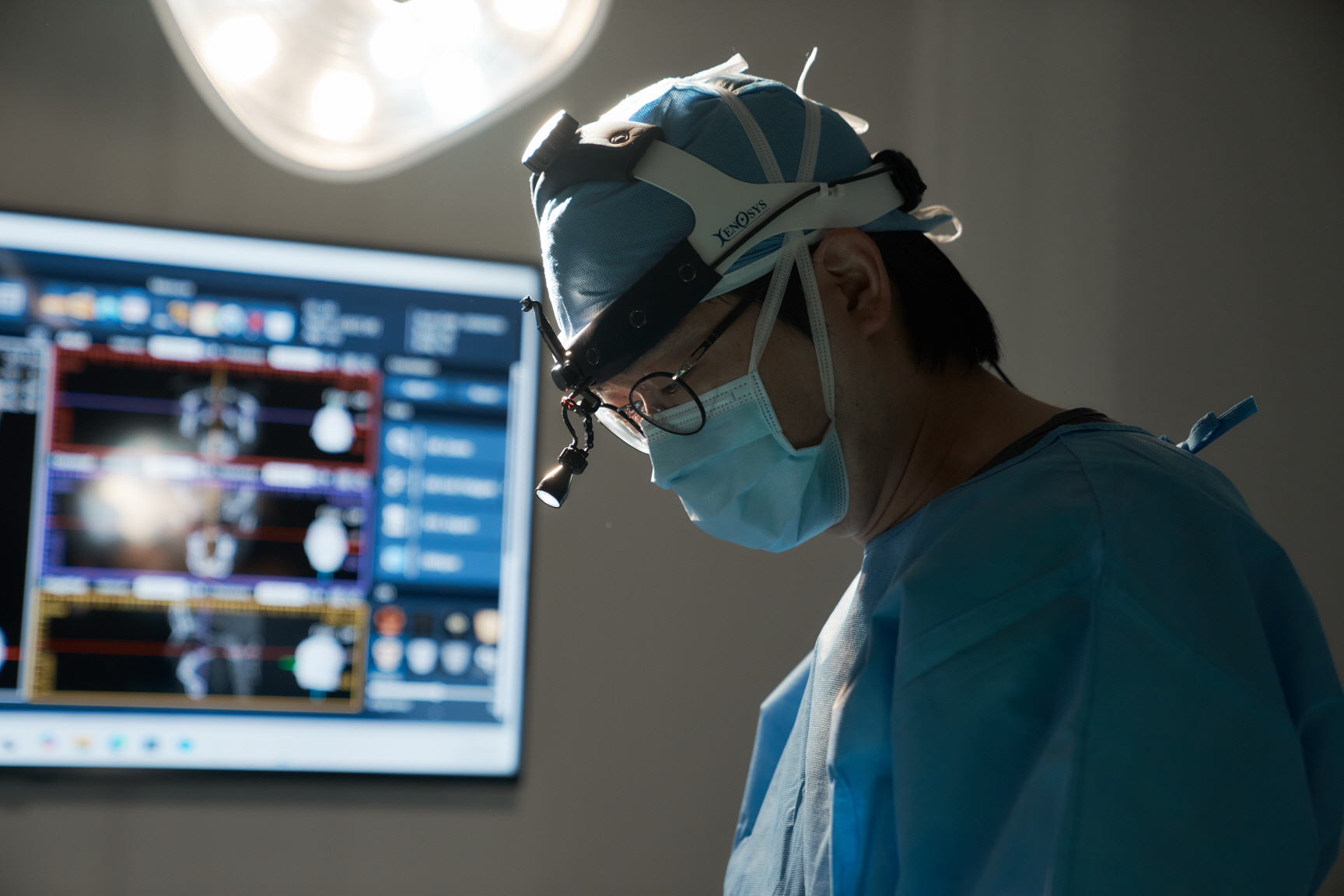
[썸네일]https://contentsbox-images.s3.ap-northeast-2.amazonaws.com/transformed/2d51248df6e64d598857420f88f85001.jpg
Direct answer summary
Celebrity-inspired double jaw surgery in South Korea focuses on correcting jaw misalignment and facial imbalance while creating a smaller, more refined lower face and a photogenic profile. It is originally a functional skeletal procedure to improve bite, chewing, and jaw joint balance, but it can also bring the kind of smooth jawline and balanced proportions often seen in celebrities. Rather than copying one famous face, the aim is to design a natural result that suits your own bone structure and looks good from every angle, both in real life and on camera.
Why people look to celebrities for jawline inspiration
In the age of high-definition cameras and social media, many people pay close attention to celebrity faces. Red carpet photos, drama close-ups, and beauty campaigns highlight sharp jawlines, smooth profiles, and small, balanced lower faces.
Celebrities often appear to have:
A smaller, V-shaped lower face
A smooth transition from cheek to jawline
A well-defined chin that is not too long or too short
Balanced proportions between the upper, middle, and lower face
These features tend to look good under studio lighting and from multiple camera angles, so they become a common reference point for people considering facial surgery. Many patients bring celebrity photos to their consultation, not because they want to become that person, but to explain the kind of balance and refinement they like.
[이미지복붙]https://contentsbox-images.s3.ap-northeast-2.amazonaws.com/transformed/d5b67a7258624672ae6d283ad54273cc.jpg
It is important to remember that photos are usually carefully selected, edited, and taken under ideal conditions. Real faces are three-dimensional and move constantly, so the goal of surgery is not to create a static, filtered look, but to improve harmony, function, and confidence in everyday life.
What double jaw surgery actually is
Double jaw surgery, also known as orthognathic surgery, is a skeletal procedure that repositions the upper jaw, lower jaw, or both. It was developed primarily to correct structural problems, not just for appearance.
Common functional reasons include:
Jaw misalignment where the upper and lower jaws do not meet properly
Malocclusion that makes biting or chewing difficult
Facial asymmetry where one side of the jaw is longer or lower than the other
A long face or recessed chin caused by jaw position
Jaw joint overload or discomfort related to poor jaw alignment
Speech difficulties related to jaw position
By moving the jaws into a more balanced position, the surgeon aims to improve your bite, chewing efficiency, and overall jaw function. As a result of this skeletal correction, the facial outline and profile also change, often becoming more harmonious and refined.
What celebrity-style double jaw surgery aims to achieve
When people talk about celebrity double jaw surgery, they usually mean double jaw surgery planned with a strong focus on facial aesthetics and camera appeal, in addition to function.
Key aesthetic goals often include:
A smaller, more defined lower face
A smoother, more continuous jawline without a heavy or square appearance
A well-positioned chin that balances the nose, lips, and forehead
A more balanced profile when viewed from the side
Improved harmony between the upper, middle, and lower thirds of the face
However, the aim is not to copy a specific celebrity. Each person has a unique combination of bone structure, soft tissue thickness, and facial proportions. A responsible clinic will design a plan that respects your natural features and ethnicity, while moving toward a more refined, photogenic look that still feels like you.
Function and aesthetics together
A key point for international patients to understand is that functional correction and aesthetic improvement go hand in hand in double jaw surgery.
[이미지복붙]https://contentsbox-images.s3.ap-northeast-2.amazonaws.com/transformed/6fb33dbd546d446e8dbc827b0db27604.jpg
By aligning the jaws properly, the surgeon can:
Improve bite stability and chewing comfort
Help distribute forces more evenly across the jaw joints
Support better lip closure and mouth posture
Provide a more stable base for the facial soft tissues
At the same time, the new jaw position can:
Reduce the appearance of a protruding mouth
Shorten or balance a long lower face
Correct visible asymmetry in the jawline
Create a more elegant transition from cheek to chin
This combination of function and aesthetics is one reason many patients travel to South Korea, where clinics often have extensive experience planning facial bone procedures with both aspects in mind.
Who may consider celebrity-style double jaw surgery
You may be a potential candidate if you recognize yourself in several of the points below:
You have a protruding mouth or jaw that makes your profile look convex.
Your lower face appears long, especially in photos or when you smile.
Your chin looks recessed or too far back because of jaw position.
You notice that one side of your jawline is lower, longer, or more prominent than the other.
You have difficulty biting certain foods or feel that your bite does not meet evenly.
You feel your jawline looks wide, heavy, or unbalanced compared with the rest of your face.
You want a more refined, celebrity-like facial line, but still natural and suitable for your own features.
A detailed consultation is necessary to confirm whether double jaw surgery is appropriate, or whether a different approach would be safer or more suitable for your goals.
Realistic expectations versus celebrity images
Celebrity photos and videos often represent an idealized version of reality. When planning surgery, it is important to understand the limitations and possibilities of your own anatomy.
[이미지복붙]https://contentsbox-images.s3.ap-northeast-2.amazonaws.com/transformed/036edcfbdaac4752923c2606844ca764.jpg
Factors that influence your final result include:
Bone structure: The shape and thickness of your upper and lower jawbones set the basic framework.
Soft tissue: Skin thickness, fat distribution, and muscle tone affect how sharply the jawline appears.
Facial balance: The size and shape of your nose, lips, and cheeks interact with jaw changes.
Healing response: Each person heals differently, which can influence swelling and final contour.
Instead of expecting to look identical to a certain celebrity, it is more realistic to aim for:
Improved balance and symmetry compared with your own before-photos
A smoother, more harmonious jawline and profile
A face that looks well-proportioned from the front and side
A natural appearance that fits your age, gender, and personal style
An experienced surgical team will guide you through digital simulations and explanations so you understand what is achievable and what is not.
Treatment overview: how celebrity double jaw surgery is planned
The process for double jaw surgery involves several stages. For international patients, some steps can begin online, while others require in-person visits.
Typical stages include:
1. Initial consultation
You share your concerns, medical history, and aesthetic goals. Many patients provide front and side photos, and sometimes example images of celebrities whose facial balance they like.
The medical team will:
Ask about your bite, chewing comfort, and any jaw joint symptoms
Review your general health and any previous facial procedures
Explain whether double jaw surgery is likely to address your concerns
[이미지복붙]https://contentsbox-images.s3.ap-northeast-2.amazonaws.com/transformed/94cfd3659099414db994c7693542f807.jpg
2. Imaging and facial analysis
When you visit the clinic, detailed imaging is performed. This may include:
3D facial scans to capture your face from all angles
X-rays and cephalometric analysis to measure jaw positions and angles
Photographs for before-and-after comparison and planning
These data allow the team to understand your skeletal structure, asymmetry, and how your jaws relate to the rest of your face.
3. Functional planning
Because the procedure changes the position of the jaws, careful planning is essential to:
Align the jaws so that your bite is stable
Distribute forces evenly to avoid overloading the jaw joints
Protect important nerve pathways
The team will simulate different jaw positions to find a balance between functional improvement and aesthetic goals.
4. Aesthetic design
Once a functional plan is established, aesthetic considerations are layered on top. This may include:
Adjusting the amount of forward or backward movement to refine the profile
Balancing vertical height to avoid a long or compressed lower face
Fine-tuning chin position for a smoother jawline and better proportions
[이미지복붙]https://contentsbox-images.s3.ap-northeast-2.amazonaws.com/transformed/2d89cddad5ad478ab8dc3879c77d2458.jpg
Digital simulations or morphing images may be used to help you visualize the direction of change, while still keeping expectations realistic.
5. The operation
During surgery, the upper jaw, lower jaw, or both are repositioned according to the preoperative plan. Fixation devices such as plates and screws are typically used to hold the bones in their new position while they heal.
Throughout the procedure, the team focuses on:
Following the planned jaw movements precisely
Protecting nerves and important anatomical structures
Maintaining or creating a stable bite
6. Recovery and follow-up
After surgery, you will stay in the clinic or hospital for a short period for monitoring. Swelling, bruising, and some discomfort are expected but usually controlled with medication and proper care. Follow-up visits are scheduled to check healing, adjust care instructions, and monitor your progress.
Online consultation and pre-visit preparation
For overseas patients, the journey usually begins online. Preparing well before your trip can make the process smoother and more comfortable.
Steps you can take before coming to Korea:
Collect clear photos: Front, 45-degree, and side views of your face in natural lighting, both at rest and smiling.
Prepare your medical history: Any previous surgeries, chronic conditions, medications, allergies, and jaw-related symptoms.
Clarify your goals: Write down what bothers you most, such as a protruding mouth, long face, or asymmetry, and what kind of change you hope to see.
Share reference images carefully: If you have celebrity photos, use them to explain the style of facial line you like, not as a strict template.
Ask about timelines and costs: Request an estimated treatment plan, length of stay, and budget range based on your photos and information.
During online consultation, you can also ask:
What imaging and tests will be done on arrival
How many days before surgery you should be in Korea
How long you should stay after surgery before flying home
What kind of support is available in English or other languages
[이미지복붙]https://contentsbox-images.s3.ap-northeast-2.amazonaws.com/transformed/b58f8733c1124570864f44b707d251b6.jpg
Expected Korea visit timeline
Every clinic has its own schedule, but a typical timeline for international patients might look like this:
Before arrival
Online consultation and preliminary assessment
Estimated treatment plan and cost range
Scheduling of your in-person consultation and potential surgery date
Days 1–3 in Korea
In-person consultation and physical examination
3D imaging, X-rays, and detailed facial analysis
Discussion of final plan, expected changes, and risks
Preoperative tests such as blood work and general health checks
Surgery day
Admission to the clinic or hospital
Surgery performed under general anesthesia
Initial recovery in a monitored setting
Days 1–7 after surgery
Hospital or clinic stay for a short period, then discharge when stable
Swelling and bruising most noticeable in the first week
Guidance on diet, oral hygiene, and medications
Regular checks to monitor healing and comfort
Weeks 2–3 after surgery
Gradual reduction in swelling
Transition from liquid to soft foods, depending on instructions
Follow-up visits to confirm stable healing and jaw position
Most international patients plan to stay in Korea at least 2–3 weeks after surgery before flying home, depending on their individual case and the clinic’s advice.
Months 1–6 after surgery
Swelling continues to decrease, and facial contours become clearer
Bite and jaw movements feel more natural over time
Final results are usually evaluated several months after surgery
[이미지복붙]https://contentsbox-images.s3.ap-northeast-2.amazonaws.com/transformed/9917ea811f1e4b1ba20093ad37ce4cda.jpg
Common concerns: pain, swelling, numbness, and recovery
It is normal to feel anxious about what recovery will be like. While each person’s experience is unique, some common points include:
Pain and discomfort
Most patients describe the first few days as uncomfortable but manageable with prescribed pain medication.
You may feel pressure, tightness, or soreness around the jaw and cheeks.
Discomfort usually decreases significantly after the first week.
Swelling and bruising
Swelling is most intense in the first week and then gradually improves.
Visible swelling can remain for several weeks, but many people feel comfortable going out in public after 2–3 weeks.
Subtle swelling can last for several months before the final contour is visible.
Temporary numbness
Numbness or altered sensation around the lips, chin, or cheeks is common because nerves are close to the surgical area.
Sensation often returns gradually over weeks to months, though the timeline varies.
Your surgical team will explain the expected pattern and monitor your recovery.
Eating and speaking
You will start with liquids and very soft foods, then progress as advised.
Speaking may feel difficult at first due to swelling and stiffness, but it usually improves as healing progresses.
Returning to daily life
Light activities can often be resumed within a couple of weeks.
More strenuous exercise and contact sports must be delayed until your surgeon confirms it is safe.
Many patients see steady improvement over several months and feel more comfortable with their new facial line as swelling resolves.
Focusing on safety and long-term stability
When considering celebrity-style double jaw surgery, it is important to prioritize safety and stability over dramatic, short-term changes.
[이미지복붙]https://contentsbox-images.s3.ap-northeast-2.amazonaws.com/transformed/3a36af2332c1454099a4f94e1d38bc60.jpg
Key points to consider when choosing a clinic include:
Extensive experience with double jaw procedures
Use of detailed imaging and cephalometric analysis
Careful planning of jaw movements for a stable bite
Clear explanation of risks, benefits, and alternatives
Structured follow-up care, especially for international patients
A well-planned surgery aims to improve both function and aesthetics in a way that remains stable over time, rather than chasing extreme trends that may not age well or may compromise comfort.
Frequently asked questions
Will I look like my favorite celebrity after double jaw surgery?
No. The goal is not to copy one person’s face. Instead, the surgery is designed to improve your own facial balance and jaw function while moving toward a refined, photogenic look. Your final appearance will still be recognizably you, but with a different jawline and profile.
Is double jaw surgery only for cosmetic reasons?
No. It was originally developed to correct skeletal problems such as malocclusion, jaw misalignment, facial asymmetry, and functional issues with chewing or speaking. Aesthetic improvement is an important benefit, but functional correction remains a core purpose.
How long does it take to see the final result?
Swelling is most noticeable in the first few weeks and then gradually decreases. Many patients see major improvement by three months, but subtle changes can continue for six months or longer. Final evaluation is usually done several months after surgery.
Is the surgery painful?
You will be under general anesthesia during the operation and will not feel pain at that time. After surgery, discomfort is expected but usually manageable with medication. Most patients find that the intensity of discomfort decreases significantly after the first week.
How long do I need to stay in Korea?
This varies by clinic and by case, but many international patients plan for at least 2–3 weeks in Korea after surgery to allow for early recovery and follow-up visits. Your clinic will give you a more precise recommendation based on your situation.
Can I return to work or school soon after surgery?
Light desk work or online study may be possible after a couple of weeks, depending on how you feel and the nature of your job. Jobs that require heavy physical activity or public speaking may require a longer break. It is best to discuss your specific situation with your surgical team.
[이미지복붙]https://contentsbox-images.s3.ap-northeast-2.amazonaws.com/transformed/f8b95b5f8c80499a9f21531fe8a132ef.jpg
Will people be able to tell I had surgery?
In the early stages, swelling and bruising make the change obvious. As healing progresses, many people simply notice that your face looks more balanced, slimmer, or more refined without knowing exactly what changed. The aim is a natural improvement rather than an artificial or exaggerated look.
Soft call to action
If you are considering celebrity-inspired double jaw surgery in South Korea, the most important step is a thorough consultation with a clinic that understands both the functional and aesthetic aspects of jaw correction. By sharing your concerns, medical history, and reference photos, you can receive a personalized assessment and a realistic plan.
An online consultation can help you understand whether you are a suitable candidate, what kind of changes are possible, and how long you would need to stay in Korea. From there, you can decide calmly and confidently whether this treatment is right for you, focusing on safety, long-term comfort, and harmony with your own unique features.
[이미지복붙][이미지링크=https://glamps.co.kr/DoubleJaw_meta_x.php?utm_source=naver&utm_medium=blog&utm_campaign=blog_organic]https://contentsbox-images.s3.ap-northeast-2.amazonaws.com/transformed/2ede71867d51457c92584921bc0dfccf.jpg
[이미지복붙][이미지링크=https://tinyurl.com/u6ey2vsc]https://contentsbox-images.s3.ap-northeast-2.amazonaws.com/transformed/2bfd089b0d074d24978da75e4d39bace.jpg
[이미지복붙][이미지링크=tel:02-543-0309]https://contentsbox-images.s3.ap-northeast-2.amazonaws.com/transformed/6511a58cd17b45c6a7df999e6f2dafc7.jpg
[이미지복붙][이미지링크=https://tinyurl.com/4ef9d3em]https://contentsbox-images.s3.ap-northeast-2.amazonaws.com/transformed/f63f1fee5076444da8efb64ecfdac3c9.jpg






댓글
댓글 쓰기