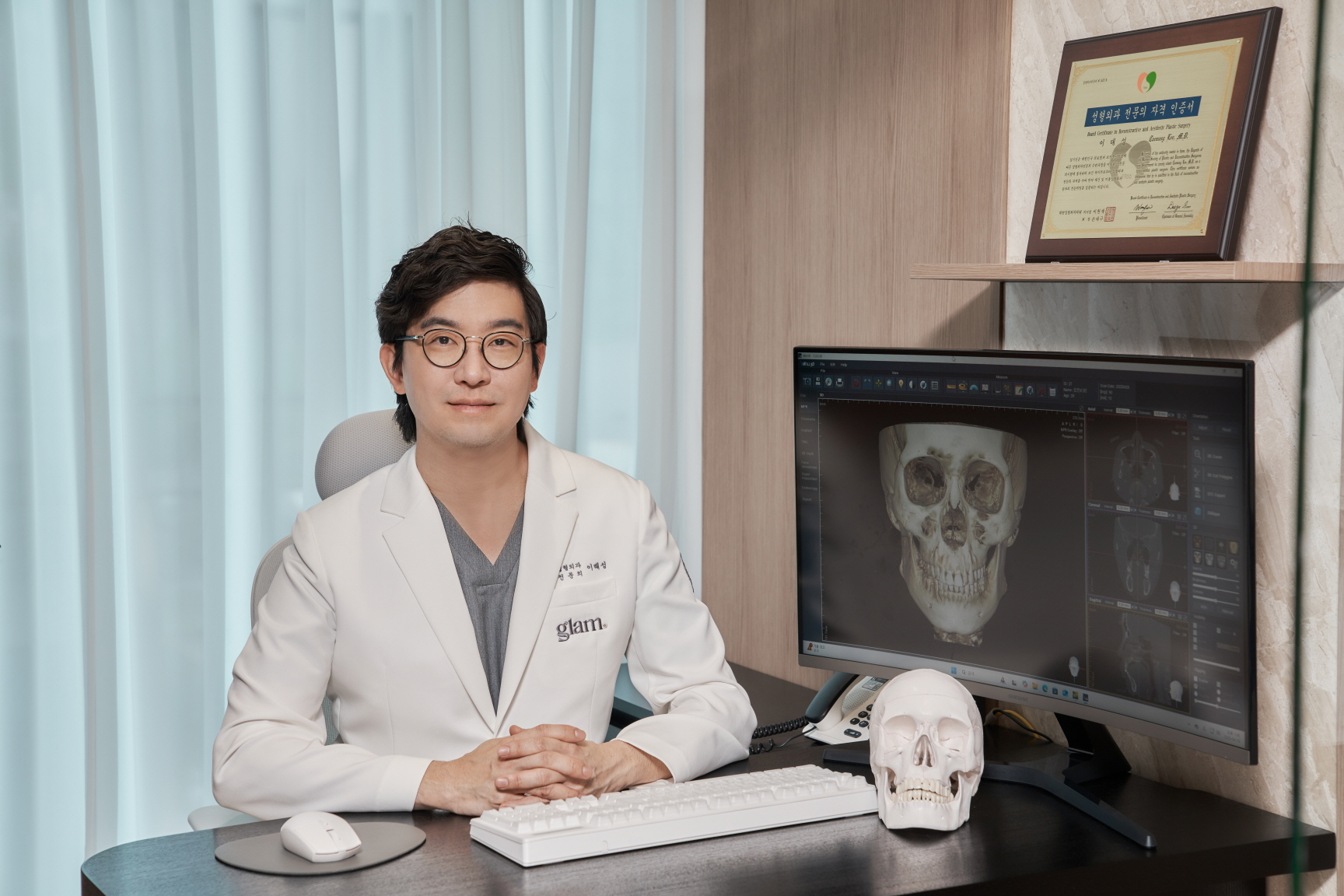
[썸네일]https://contentsbox-images.s3.ap-northeast-2.amazonaws.com/transformed/dc9cbb1816d745b48a3a90293df021d4.jpg
Direct answer summary
Square jaw facial contouring is a surgical procedure that reshapes a wide or angular lower face by refining the jawbone. In Korea, many patients choose this surgery to soften a strong jaw angle, slim the lower face, and create a more V line or oval facial shape. The operation usually involves reducing the mandibular angle and contouring the lower jawbone, sometimes combined with chin or cheekbone surgery for better balance. Recovery takes several weeks to months, with swelling gradually decreasing and the final facial line becoming clearer over time. It is important to choose an experienced facial contouring specialist and to have a detailed in person consultation to create a safe and realistic plan for your individual face.
What is a square jaw and why does it develop
A square jaw refers to a lower face that looks wide, strong, and angular, especially at the sides of the jaw near the ears. From the front, the face may look more square than oval or V shaped. From the side, the jaw angle can appear sharp or bulky.
Several factors can cause or contribute to a square jaw.
Bone structure
Some people naturally have a thick, wide lower jawbone and a pronounced mandibular angle. The mandibular angle is where the vertical part of the jaw (near the ear) meets the horizontal part of the jaw (toward the chin). If this angle is wide or the bone is thick, the lower face can look broad and strong.
Muscle development
The masseter muscles are the chewing muscles at the sides of the jaw. In some people, these muscles become enlarged due to genetics, frequent chewing of hard foods, teeth grinding, or jaw clenching. When the masseter muscles are very developed, the lower face can look bulky even if the jawbone itself is not extremely wide.
[이미지복붙]https://contentsbox-images.s3.ap-northeast-2.amazonaws.com/transformed/f26a56eaa77341738952cab63bfda066.jpg
Genetics and ethnicity
Genetic background plays a major role in jaw shape. In some ethnic groups, a stronger and wider jawline is more common. Many patients who visit clinics in Korea feel that their natural jaw shape makes their face look heavier or less delicate than they would like, especially in photos or from certain angles.
How a square jaw affects facial balance
Facial harmony is not only about individual features but also about how they relate to each other. A very strong, wide jaw can sometimes:
Make the lower face look heavier than the upper face
Reduce the impression of cheekbones or eyes
Create a more masculine look in patients who prefer a softer, more feminine line
Make the face look shorter and wider rather than long and slim
For some people, this jaw shape is attractive and matches their personality and style. For others, it can cause self consciousness, especially when taking profile photos, selfies, or appearing on video. Square jaw facial contouring aims to adjust the lower face so that it matches the patient’s desired image while still looking natural and balanced.
Main goals of square jaw facial contouring
Square jaw facial contouring focuses on reshaping the lower jawbone to refine the facial outline. The main goals are:
Slimming the lower face
Reducing the width of the jaw from the front view so the face looks slimmer and more tapered.
Softening a strong jaw angle
Smoothing or reducing a prominent jaw angle so the side profile appears less blocky and more gently curved.
Creating a more V line or oval shape
Designing a facial line that narrows toward the chin, often called a V line, or a soft oval shape depending on the patient’s preference, gender, and overall facial structure.
Maintaining a natural look
Avoiding an overdone or “over shaved” appearance. A well planned surgery keeps the jawline strong enough to look healthy and natural while still achieving a visible slimming effect.
Overview of modern surgical methods
Modern square jaw contouring in Korea uses advanced imaging and surgical techniques to create a customized plan for each patient.
[이미지복붙]https://contentsbox-images.s3.ap-northeast-2.amazonaws.com/transformed/07cd5403bd81463db187c48dc7d2e161.jpg
Mandibular angle reduction
This is the core part of square jaw surgery. The surgeon reshapes the back and lower angle of the jawbone to reduce the width and angularity. This may involve:
Shaving or grinding down the outer part of the bone to smooth a prominent angle
Cutting and removing a segment of the bone to reduce its size more significantly
Blending the new angle smoothly into the rest of the jaw to avoid a step or uneven contour
Lower jawbone contouring
In many cases, it is not enough to only reduce the angle near the ear. To create a smooth and natural line, the surgeon may:
Contour the lower border of the jawbone from the angle toward the chin
Thin or reshape thick areas of bone to avoid a “square” or “blocky” look
Ensure the transition from the back of the jaw to the chin is continuous and harmonious
Combination with other facial contouring procedures
Depending on facial proportions, surgeons may recommend combining square jaw contouring with:
Chin reshaping (genioplasty) to adjust chin length, projection, or width for a more refined V line
Cheekbone reduction to reduce facial width in the midface area if the cheekbones are also prominent
Fat reduction or lifting procedures to address lower face fullness caused by soft tissue rather than bone
Customization and avoiding over resection
Each face is different. A good surgical plan considers:
Bone thickness and shape
Jaw muscle size
Facial length and width
Gender, age, and personal style
Over resection, or removing too much bone, can lead to an unnaturally narrow or weak jawline, loose skin, or functional issues. Modern Korean clinics emphasize balanced contouring rather than extreme slimming, aiming for a refined but believable result.
Step by step treatment process
Initial online contact
For international patients, the process often begins with an online consultation. You may be asked to send clear photos from the front, three quarter, and side views, and to describe your concerns and goals. Some clinics may request medical history information and previous imaging if available.
In person consultation and facial analysis
When you arrive in Korea, your first visit usually includes:
Detailed discussion of your concerns, desired facial shape, and expectations
Physical examination of your face, jaw movement, and bite
Review of your medical history, medications, and any previous surgeries
[이미지복붙]https://contentsbox-images.s3.ap-northeast-2.amazonaws.com/transformed/287f8a6db3184db9851a1ed800e4786c.jpg
3D imaging and X ray evaluation
Most modern clinics use imaging tools such as:
3D facial scans to analyze overall shape and symmetry
X rays or CT scans to study bone thickness, jaw angle, and nerve position
These images help the surgeon plan how much bone to remove and where to contour while protecting important structures such as the inferior alveolar nerve, which provides sensation to the lower lip and chin.
Surgical planning
Based on the analysis, the surgeon designs a personalized plan, including:
Which areas of the jawbone will be reduced or reshaped
Whether chin or cheekbone procedures should be combined
Target facial line (more V shaped, more oval, or a softer but still strong jawline)
Type of anesthesia and estimated surgery time
Anesthesia
Square jaw contouring is usually performed under general anesthesia, so you are asleep and do not feel pain during the procedure. Preoperative tests such as blood tests and sometimes heart checks are done to ensure safety.
Incision locations
To avoid visible facial scars, most incisions are made inside the mouth along the lower gum line. In some cases, a small incision may be placed behind the ear, but this is less common. Internal incisions mean that any scars are hidden and not visible in daily life.
Bone shaving or cutting
Through the incisions, the surgeon carefully exposes the jawbone and:
Marks the planned resection line
Uses specialized instruments to shave, cut, and smooth the bone
Checks the symmetry between left and right sides
Ensures the contour is continuous from the angle to the chin
Throughout this process, the surgeon protects the nerves and surrounding tissues, working within the pre planned safe zones.
Suturing and completion
After the bone reshaping is complete, the surgeon:
Controls bleeding
Closes the incisions inside the mouth with dissolvable stitches
Applies dressings or a compression bandage if needed
You are then moved to a recovery area and monitored as you wake up from anesthesia.
Expected recovery timeline
Immediate postoperative period (first 1 to 3 days)
Swelling is usually most noticeable in the first few days, especially around the cheeks and jawline. You may stay in the clinic or be discharged the same day depending on the clinic’s policy and your condition.
[이미지복붙]https://contentsbox-images.s3.ap-northeast-2.amazonaws.com/transformed/fc906e4080ef42329a5ea496cdd69fb1.jpg
Common experiences include:
Facial swelling and tightness
Mild to moderate pain or discomfort, controlled with medication
Difficulty opening the mouth widely
Some oozing or minor bleeding inside the mouth
First week
Swelling remains but often begins to slowly decrease. Bruising, if present, may appear around the lower face or neck. Many patients:
Follow a soft or liquid diet to avoid stressing the jaw
Rinse the mouth regularly with antiseptic solution to keep incisions clean
Sleep with the head elevated to reduce swelling
Two to four weeks
Swelling continues to improve, and most bruising fades. You may start to see a slimmer facial line, but the final shape is still not fully visible. Numbness or altered sensation around the lower lip or chin may be present but often improves gradually.
Most patients can return to light daily activities and desk work within 1 to 2 weeks, depending on their comfort and the nature of their job.
One to three months
The face refines further as deep swelling resolves. The jawline becomes more defined and natural looking. Numbness usually continues to improve, though in some cases it can take longer.
Six months and beyond
By around six months, most of the swelling is gone and the final contour is generally visible. Small changes may continue as tissues settle.
Typical aftercare instructions
While each clinic has its own protocol, common advice includes:
Diet
Follow a liquid or soft diet for the first days to weeks, then gradually return to normal foods as comfort allows. Avoid very hard or chewy foods early on.
Oral hygiene
Brush carefully to avoid irritating the incision sites.
Use prescribed mouth rinses to reduce infection risk.
[이미지복붙]https://contentsbox-images.s3.ap-northeast-2.amazonaws.com/transformed/2a5646c88efc4c1eb44da10893ac4d27.jpg
Sleeping position
Sleep with your head elevated on pillows, especially in the first weeks, to help reduce swelling.
Activity
Avoid heavy exercise, contact sports, or anything that could impact the face for several weeks.
Follow your clinic’s timeline for returning to the gym or more intense activities.
Follow up visits
Attend all scheduled follow up appointments so the surgeon can monitor healing, check symmetry, and address any concerns.
Safety and potential risks
Like any surgery, square jaw contouring carries risks. Understanding them helps you make an informed decision.
Possible complications include:
Nerve injury
The nerve that supplies sensation to the lower lip and chin runs through the jawbone. If it is stretched or injured, temporary or, rarely, permanent numbness or altered sensation can occur.
Asymmetry
Perfect symmetry is not possible, and small differences between the two sides are normal. However, significant asymmetry may require revision in some cases.
Infection
Because incisions are inside the mouth, strict oral hygiene and prescribed medications are important to reduce infection risk.
Excessive bone removal
Over resection can lead to a jawline that looks too narrow or weak, or can affect soft tissue support. Careful planning and a conservative, balanced approach help avoid this.
Dissatisfaction with aesthetic results
Expectations should be realistic. Photos and simulations can help, but the final result may differ slightly from imagined images. Clear communication with your surgeon is essential.
Choosing an experienced facial contouring specialist who understands both function and aesthetics is critical. The goal is not only a slimmer jaw but also a natural line that suits your gender, age, and overall facial features.
[이미지복붙]https://contentsbox-images.s3.ap-northeast-2.amazonaws.com/transformed/2a091e91b18e49e69627e76f78588f90.jpg
Who may consider square jaw facial contouring
Good candidates typically include adults who:
Have a naturally wide or thick jawbone
Have a pronounced mandibular angle that makes the face look square or bulky
Feel that their lower face looks too strong or heavy compared to their upper face
Have tried non surgical options such as jaw muscle botulinum toxin injections but still see a strong bony jawline
Are in generally good health and able to undergo general anesthesia
Have realistic expectations and understand the recovery process
Non surgical options versus surgical bone contouring
Non surgical options
For patients whose square jaw appearance is mainly due to enlarged masseter muscles, botulinum toxin injections into the jaw muscles can help. These injections:
Temporarily relax and slim the masseter muscles
Gradually reduce muscle bulk over weeks to months
Need to be repeated every several months to maintain the effect
Non surgical treatments are suitable for:
Patients with relatively normal jawbone structure but strong jaw muscles
Those who want a trial change before considering surgery
People who prefer a reversible option
Surgical bone contouring
Surgery is more appropriate when:
The jawbone itself is thick or wide
The mandibular angle is very prominent
The patient wants a more dramatic and permanent change in facial shape
Surgical contouring directly reshapes the bone, so the effect is long lasting. However, it also involves more recovery time and higher risk compared with injections. Many patients in Korea choose surgery after trying non surgical methods and finding that the bone structure, not just the muscle, is the main cause of their square jaw.
Preparing for your visit to Korea
Online consultation and planning
Before traveling, it is helpful to:
Contact the clinic via email or messaging to explain your concerns
Send clear photos from multiple angles
Share your medical history, including any chronic illnesses, medications, allergies, and previous surgeries
Discuss your schedule so the clinic can suggest a realistic treatment and recovery timeline
Some clinics may provide a preliminary treatment suggestion and an estimated cost range based on your photos and information.
Expected Korea visit timeline
While each case is different, a common schedule for international patients might be:
Day 1 to 2
In person consultation, imaging (X ray or CT, 3D scan), preoperative tests, final surgical planning.
[이미지복붙]https://contentsbox-images.s3.ap-northeast-2.amazonaws.com/transformed/b9148ee1bdfe496c8215c7b1d7619685.jpg
Day 3
Surgery day. You may stay at the clinic for monitoring or return to your accommodation later the same day.
First week after surgery
Frequent short check ups for dressing changes, swelling checks, and oral care guidance. You should plan to rest and avoid heavy sightseeing during this period.
Second week
Swelling starts to decrease. Many patients feel comfortable going out for light activities, though the face may still look puffy.
Two to three weeks
Some patients can safely fly home around 10 to 14 days after surgery, depending on their healing and the clinic’s advice. You should confirm your return date with your surgeon.
After returning home
You may continue follow up with the clinic via online consultations, sending photos and updates. It is also wise to have access to a local doctor in case you need in person care.
Frequently asked questions
When will I see the final result
You will notice a change in your jawline once the initial swelling decreases, usually within a few weeks. However, the final refined shape may take three to six months as deeper swelling resolves and tissues settle.
Will there be visible scars
In most cases, incisions are made inside the mouth, so there are no visible external scars. If a small incision behind the ear is used, it is usually well hidden in natural creases or hair.
Is the surgery painful
During surgery, you are under general anesthesia and do not feel pain. Afterward, discomfort is common but is typically manageable with prescribed pain medication. Many patients describe more of a feeling of tightness and swelling rather than sharp pain.
Can I still chew and speak normally later
During the early recovery period, chewing may be uncomfortable, and you will be advised to follow a soft diet. As healing progresses, chewing and speaking usually return to normal. Your surgeon will guide you on when to resume normal eating.
Is the result permanent
Because the bone is reshaped, the structural change is long lasting. However, natural aging, weight changes, and soft tissue changes over time can still affect the appearance of your face.
[이미지복붙]https://contentsbox-images.s3.ap-northeast-2.amazonaws.com/transformed/70e0b40e052942e19b8987adde778963.jpg
Can men also have square jaw contouring
Yes. Many male patients choose this surgery to refine an overly wide or bulky jaw while still keeping a masculine look. The surgical plan for men usually aims for a stronger, straighter jawline compared with the softer V line often requested by women.
A thoughtful path to facial harmony
Square jaw facial contouring in Korea can significantly enhance facial harmony by slimming a wide lower face, softening a strong jaw angle, and creating a more balanced V line or oval shape. When planned carefully and performed by an experienced facial contouring specialist, the result can look natural and in harmony with your unique features.
If you are considering this procedure, start with a thorough online consultation. Share your photos, concerns, and goals honestly, and ask detailed questions about the plan, risks, recovery, and expected results. A personalized, well explained treatment plan is the first step toward a safe and satisfying experience.
If you would like to explore whether square jaw facial contouring in Korea is right for you, consider reaching out to a specialized clinic for an online evaluation. A careful, face to face consultation once you arrive will help confirm the best contouring plan for your individual face and support you from preparation through recovery.
[이미지복붙][이미지링크=https://glamps.co.kr/outline_x.php?utm_source=naver&utm_medium=blog&utm_campaign=blog_organic]https://contentsbox-images.s3.ap-northeast-2.amazonaws.com/transformed/13c0f0398ea74de39020c1172b672c73.jpg
[이미지복붙][이미지링크=https://tinyurl.com/u6ey2vsc]https://contentsbox-images.s3.ap-northeast-2.amazonaws.com/transformed/d290d7e45fd54edca8c283615d710498.jpg
[이미지복붙][이미지링크=tel:02-543-0309]https://contentsbox-images.s3.ap-northeast-2.amazonaws.com/transformed/fddf29ed2bf54b7db65806ad4ff5c03c.jpg
[이미지복붙][이미지링크=https://tinyurl.com/4ef9d3em]https://contentsbox-images.s3.ap-northeast-2.amazonaws.com/transformed/bb716fa1e97d4fdc9c54155759d22ae5.jpg





댓글
댓글 쓰기