[썸네일]https://contentsbox-images.s3.ap-northeast-2.amazonaws.com/transformed/783e640683304d67b931b8ba79062958.jpg
Direct answer summary
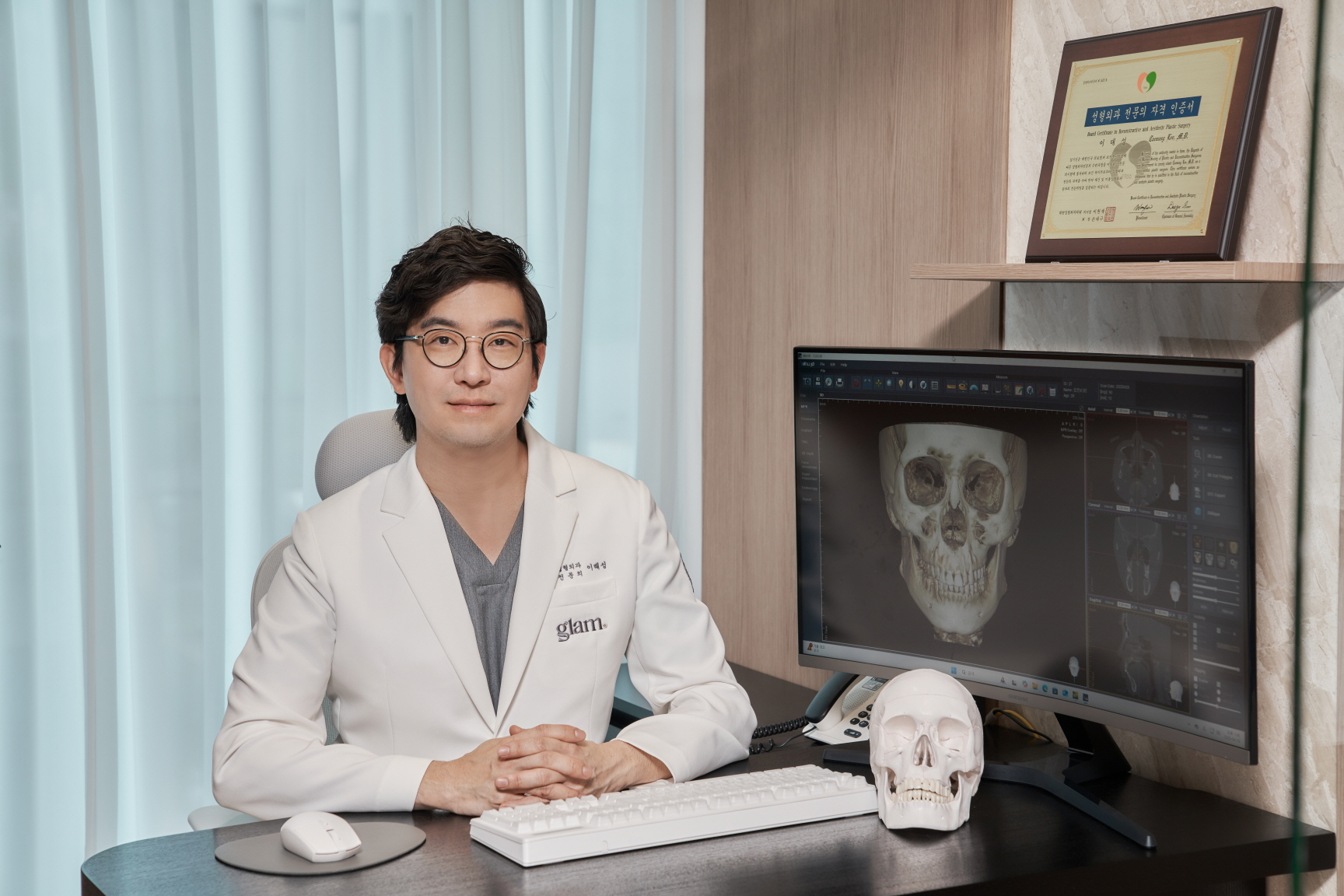
Cheekbone reduction surgery is a facial contouring procedure that reshapes and reduces prominent cheekbones to create a slimmer, softer, and more balanced face. In Seoul, many clinics use advanced 3D analysis and refined surgical techniques to narrow the midface while maintaining natural expressions and facial stability. For most overseas patients, you can expect about 1 to 2 weeks in Korea for surgery and early recovery, with continued healing over several months at home.
Treatment overview: what cheekbone reduction surgery does
The cheekbones, or zygomatic bones, play a major role in how wide and angular the face appears. When the outer cheekbone and its arch are prominent, the face can look broad from the front and especially from a 45 degree angle. Some people feel this gives them a strong, bony, or less refined look than they would like.
Cheekbone reduction surgery focuses on reshaping this area. Surgeons typically reduce and reposition the zygomatic bone and its arch inward, and sometimes slightly backward. By doing this, the midface becomes narrower, and the transition from the cheek to the jawline looks smoother. The aim is not to make the face as small as possible, but to achieve balance and harmony with your forehead, nose, jawline, and chin.
In modern Seoul clinics, this procedure is usually performed under general anesthesia. Incisions are commonly placed inside the mouth and sometimes along the hairline, so visible scars are minimized. The bone is carefully cut, moved, and fixed with small plates or screws, and any sharp edges are smoothed.
[이미지복붙]https://contentsbox-images.s3.ap-northeast-2.amazonaws.com/transformed/5740f3a42c8f44059e7ff771c8181a40.jpg
Who may consider cheekbone reduction surgery
Cheekbone reduction surgery may be considered by people who:
Feel their face looks wide or flat because the cheekbones project strongly to the sides.
Dislike how their face appears in photos from the side or at a 45 degree angle, where the cheekbone can look especially prominent.
Have a strong, angular, or bony midface and prefer a softer, more feminine or refined contour.
Want better harmony between the cheek area and the jawline or chin, for a smoother facial outline.
Good candidates are usually adults in good general health, without uncontrolled medical conditions or serious bleeding disorders. Non smokers or those willing to stop smoking for a period before and after surgery tend to heal better.
It is also important to have realistic expectations. Cheekbone reduction can significantly change facial width and angles, but it cannot transform your basic bone structure into someone else’s face. The goal is an improved, more balanced version of your own features.
Why many patients choose Seoul for cheekbone reduction
Seoul has become a popular destination for facial contouring, including cheekbone reduction, for several reasons:
High volume of facial contouring procedures, which allows surgeons to build extensive experience.
Use of 3D imaging and planning tools to analyze facial structure from multiple angles.
Refined aesthetic sense that focuses on natural, harmonious results rather than an overdone look.
Familiarity with treating international patients, including support in English and online consultations.
For overseas patients, this combination of experience, technology, and aesthetic approach can be attractive when planning a complex bone surgery.
Consultation and planning in a Seoul clinic
The first step is usually an online consultation, followed by an in person consultation when you arrive in Korea.
During the consultation, you can expect:
Facial analysis: The surgeon or consultant will review your photos and, in person, examine your face from the front, side, and 45 degree angles. They will look at how your cheekbones relate to your forehead, nose, jawline, and chin.
[이미지복붙]https://contentsbox-images.s3.ap-northeast-2.amazonaws.com/transformed/af573428e2ba421e98ba156400899406.jpg
Imaging and 3D analysis: Many clinics use X rays, CT scans, or 3D imaging to see the exact shape and thickness of your cheekbones and surrounding structures. This helps in planning where to cut the bone and how far to move it.
Discussion of goals: You will be asked what bothers you most, such as facial width, a harsh angle at the 45 degree view, or imbalance with the jaw. Clear communication is important so the surgeon understands your priorities.
Explanation of surgical limits: The surgeon should explain how much reduction is realistically possible while still protecting nerves, sinuses, and soft tissue support. Over reduction can lead to sagging or an unnatural look, so a safe, balanced plan is essential.
Customized planning: Based on your bone structure and soft tissue thickness, the surgeon will decide the type and direction of bone cuts, the amount of inward and backward movement, and whether additional contouring is needed to match the jawline and chin.
Surgical methods and procedure overview
Cheekbone reduction surgery in Seoul generally follows several key steps.
Anesthesia
The procedure is usually done under general anesthesia, so you are asleep and do not feel pain during surgery.
Incisions
Incisions are commonly made inside the mouth, in the upper gum area, to access the front part of the cheekbone. Sometimes a small incision is also made near the hairline or in the sideburn area to reach the zygomatic arch. These locations help keep visible scarring to a minimum.
[이미지복붙]https://contentsbox-images.s3.ap-northeast-2.amazonaws.com/transformed/e837358c06024b00953df68c6274709e.jpg
Bone cutting and repositioning
Zygomatic body osteotomy: The main cheekbone is cut near its front portion. This allows the surgeon to move the bone inward to reduce facial width.
Zygomatic arch reduction: The arch, which forms the outer curve of the cheek, may be cut at one or two points and repositioned inward and sometimes slightly backward. This has a strong effect on how the face looks at a 45 degree angle.
Repositioning and fixation: After cutting, the cheekbone segment is moved into its new position. It is then fixed in place with small plates and screws to maintain stability as it heals.
Smoothing and contouring
Any sharp edges or irregularities are smoothed to create a gentle curve. The surgeon aims to improve both the frontal view and the oblique view, so the cheeks look proportionate from all angles.
Protection of important structures
Throughout the procedure, the surgeon takes care to protect:
Facial nerves that control movement and sensation.
The maxillary sinus, which lies near the cheekbone.
Soft tissues that support the cheeks, to reduce the risk of sagging.
The operation time can vary, but cheekbone reduction alone often takes a few hours. If combined with other facial contouring procedures, the total time will be longer.
Recovery and aftercare for overseas patients
Immediate post operative period
After surgery, you will spend some time in a recovery area until you wake up fully from anesthesia. Some patients stay in the clinic for a short observation period; others may go back to their accommodation the same day, depending on the clinic’s policy and your condition.
Swelling and bruising
Swelling is usually most noticeable in the first week, especially around the cheeks and lower eyelids. Bruising may appear and then gradually fade.
[이미지복붙]https://contentsbox-images.s3.ap-northeast-2.amazonaws.com/transformed/5bc731971fe74f8b80cdde0fb8ecf256.jpg
First 3 to 4 days: Swelling increases and then starts to stabilize.
Around 1 to 2 weeks: Swelling and bruising begin to decrease. Many patients feel comfortable going out with light makeup and a mask, if desired.
1 to 3 months: Swelling continues to improve, and the new facial contour becomes clearer.
Up to 6 to 12 months: Final subtle changes occur as tissues fully settle.
Temporary symptoms
You may experience:
Numbness or altered sensation in the cheek or upper lip area, which usually improves over weeks to months.
Tightness or stiffness when moving the mouth.
Mild discomfort or pain, usually controlled with prescribed medications.
Difficulty chewing hard foods in the early period.
Chewing and diet
Because incisions are often inside the mouth and the cheekbones are healing, a soft diet is usually recommended for a period after surgery. This may include soups, porridge, soft noodles, yogurt, and other easy to chew foods.
Your surgeon will advise when you can gradually return to a normal diet, often after a few weeks, depending on your healing.
Oral hygiene and incision care
If you have intraoral incisions, good oral hygiene is essential to reduce the risk of infection. You may be instructed to:
Rinse gently with a prescribed mouthwash or saline solution after meals.
Brush teeth carefully, avoiding the incision area at first.
Follow any specific cleaning instructions from the clinic.
Sleeping position and activity
Sleeping with your head elevated for the first days to weeks can help reduce swelling. You will be advised to avoid pressing on your cheeks, heavy lifting, and intense exercise for a certain period.
[이미지복붙]https://contentsbox-images.s3.ap-northeast-2.amazonaws.com/transformed/1be0994da28b4b808a16c90720c25c6d.jpg
Most patients can return to light daily activities within about 1 week, and many return to office work or study in 1 to 2 weeks, depending on their comfort and the nature of their job. Strenuous exercise is usually delayed longer.
Follow up visits
For overseas patients, follow up is often scheduled as:
In person visits in Seoul during the first 1 to 2 weeks to check healing, remove any stitches if needed, and review X rays or imaging.
Online follow up after you return home, using photos or video calls to monitor progress and address questions.
Expected Korea visit timeline for international patients
While exact plans vary, a common schedule might look like this:
Before travel: Online consultation, sharing of photos and medical history, preliminary treatment plan and cost estimate.
Day 1 to 2 in Seoul: In person consultation, imaging (such as CT scan), final surgical planning, pre operative tests.
Day 3 or 4: Surgery day, followed by rest at your accommodation.
First week after surgery: Swelling peak and gradual improvement, clinic check ups, medication, and basic aftercare.
Second week: Continued reduction in swelling, possible stitch removal, and assessment of your readiness to fly home.
Many patients stay in Korea for about 10 to 14 days after cheekbone reduction surgery. Your clinic will advise the minimum safe stay based on your individual case and any combined procedures.
[이미지복붙]https://contentsbox-images.s3.ap-northeast-2.amazonaws.com/transformed/90e5f43439c7430a99a1f83e74e6476d.jpg
Safety, risks, and choosing a clinic
Cheekbone reduction is a bone surgery and carries risks, including:
Asymmetry between the left and right sides.
Over correction or under correction of the cheekbones.
Changes in sensation, such as prolonged numbness.
Sinus related issues, such as discomfort or congestion.
Soft tissue sagging or hollowing if bone support is reduced too much.
Infection, bleeding, or problems with bone healing.
To reduce these risks, it is important to:
Choose a board certified plastic surgeon or maxillofacial specialist with extensive experience in facial contouring.
Ask how many cheekbone reduction surgeries the surgeon performs regularly.
Review before and after photos of patients with similar concerns to yours.
Discuss how the clinic protects nerves and manages the sinus during surgery.
Make sure you understand the realistic range of change and possible limitations.
A careful, conservative approach that prioritizes structural stability and natural appearance is usually safer than extreme reduction.
Results and expectations
From the front view, successful cheekbone reduction usually makes the face appear slimmer and more oval, with less width in the midface. The cheek area often looks smoother and less angular.
From the 45 degree view, which is where cheekbone prominence is most obvious, the outer curve of the cheek typically appears softer and less protruding. This can give a more refined and balanced impression.
From the side view, subtle changes in the cheek contour can improve the transition between the midface and the jawline.
It is important to remember:
Early swelling can make the face look larger or uneven at first. This is temporary.
Most patients see a clear improvement in contour within 1 to 3 months.
Final results, including subtle changes in softness and symmetry, can take up to a year as tissues fully settle.
[이미지복붙]https://contentsbox-images.s3.ap-northeast-2.amazonaws.com/transformed/68f5bebdbdc84e618b50d87e82c30759.jpg
The most satisfying outcomes usually look natural, so that others may notice you look softer or more balanced, but not obviously “operated on.”
Online consultation and pre visit preparation
Before traveling to Seoul, an online consultation can help you decide whether cheekbone reduction is suitable and what to expect.
To prepare:
Collect clear photos of your face from the front, both sides, and 45 degree angles.
Prepare a brief medical history, including any previous facial procedures, chronic illnesses, medications, and allergies.
Think about your main concerns and goals, and write them down so you can explain them clearly.
Prepare questions about the procedure, recovery time, costs, and recommended length of stay in Korea.
During the online consultation, you can discuss:
Whether you are a good candidate based on your bone structure and soft tissues.
What kind of change is realistic for your face.
Possible combination with other facial contouring procedures, if appropriate.
A rough timeline and budget for your visit.
Frequently asked questions
Is cheekbone reduction surgery painful?
During surgery, you are under general anesthesia and do not feel pain. After surgery, discomfort is usually moderate and can be managed with prescribed pain medication. Most patients describe more of a feeling of tightness and pressure than sharp pain.
Will there be visible scars?
Most incisions are inside the mouth, and any external incisions are usually placed near the hairline or in natural creases. Over time, these typically become less noticeable. Your surgeon can show you likely incision sites during consultation.
How long do the results last?
Because the cheekbones are repositioned and fixed in a new location, the results are generally long lasting. Normal aging will continue, but the reduced width and softer contour usually remain.
Can cheekbone reduction cause sagging cheeks?
If too much bone is removed or soft tissue support is not considered, there is a risk of sagging or hollowing. This is why careful planning, conservative reduction, and attention to soft tissue support are important. An experienced surgeon will aim to maintain or support the overlying tissues.
[이미지복붙]https://contentsbox-images.s3.ap-northeast-2.amazonaws.com/transformed/c5c81932655342ffb7a5e9d3d33d3a67.jpg
When can I fly home after surgery?
Many international patients fly home about 10 to 14 days after surgery, once early swelling has improved and the clinic confirms it is safe. The exact timing depends on your healing and whether you had additional procedures.
Can I combine cheekbone reduction with other facial surgeries?
Some patients combine cheekbone reduction with procedures that address the jawline or chin to enhance overall harmony. However, combining surgeries increases complexity and recovery demands. Your surgeon will advise whether it is safe and appropriate in your case.
Soft call to action
If you are considering cheekbone reduction surgery in Seoul to reduce a wide or angular midface, an online consultation is a practical first step. By sharing your photos and goals in advance, you can receive a personalized assessment, understand your options, and plan your visit with realistic expectations. Taking time to choose a qualified surgeon and to prepare well will help you move toward a slimmer, more balanced facial contour as safely and comfortably as possible.
[이미지복붙][이미지링크=https://glamps.co.kr/outline_x.php?utm_source=naver&utm_medium=blog&utm_campaign=blog_organic]https://contentsbox-images.s3.ap-northeast-2.amazonaws.com/transformed/dbd31ef18b2343be995eb4b4a068ee04.jpg
[이미지복붙][이미지링크=https://tinyurl.com/u6ey2vsc]https://contentsbox-images.s3.ap-northeast-2.amazonaws.com/transformed/0e53c802238c459c8b8d9a61a0beb150.jpg
[이미지복붙][이미지링크=tel:02-543-0309]https://contentsbox-images.s3.ap-northeast-2.amazonaws.com/transformed/d8a8ff5f7bd04786a023bfb058897ed0.jpg
[이미지복붙][이미지링크=https://tinyurl.com/4ef9d3em]https://contentsbox-images.s3.ap-northeast-2.amazonaws.com/transformed/abae9522ff8e460292d20e23b5cee7fe.jpg





댓글
댓글 쓰기